 Talmud Bavli
The learning on the whole site is dedicated : L'ilui Nishmat Nissim ben Barukh Malka
The learning on the whole site is dedicated : L'ilui Nishmat Jamila bat Chlomo Abensour
The learning on the whole site is dedicated : L'ilui Nishmat Chemouel Eliezer ben Batcheva
Shabbat 93b : Youtube
Daf TubeYoutube
3 video classes :
Shabbat Page 93b
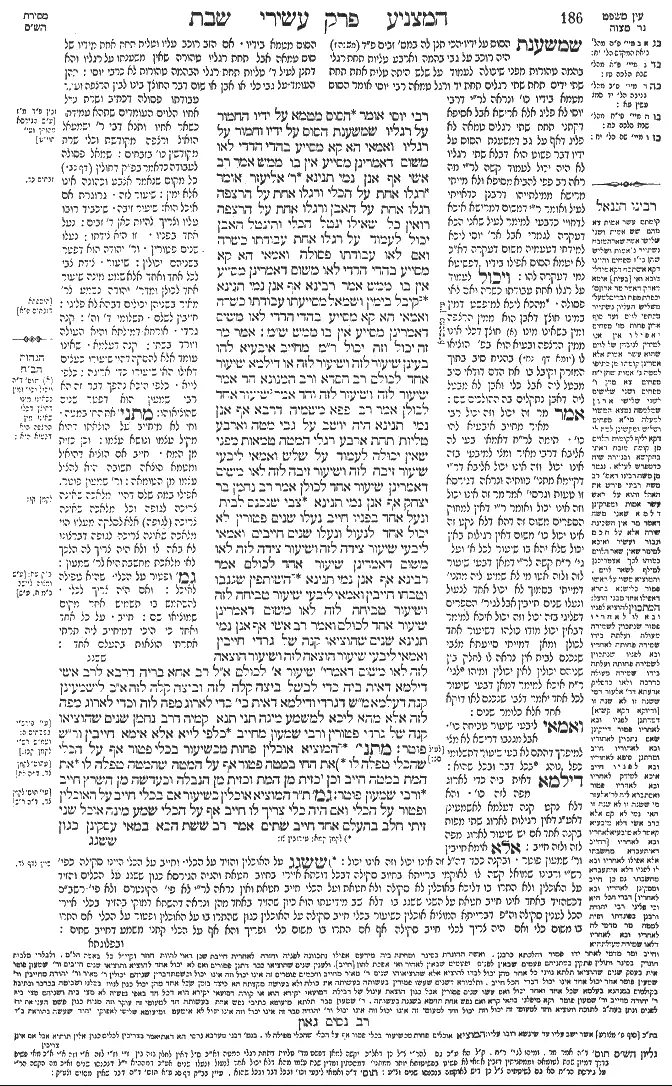
Shabbat 93b - Guemara
רבי יוסי אומר הסוס מטמא על ידיו החמור על רגליו שמשענת הסוס על ידיו וחמור על רגליו ואמאי הא קא מסייע בהדי הדדי לאו משום דאמרינן מסייע אין בו ממש אמר רב אשי אף אנן נמי תנינא ר' אליעזר אומר רגלו אחת על הכלי ורגלו אחת על הרצפה רגלו אחת על האבן ורגלו אחת על הרצפה רואין כל שאילו ינטל הכלי ותינטל האבן יכול לעמוד על רגלו אחת עבודתו כשרה ואם לאו עבודתו פסולה ואמאי הא קא מסייע בהדי הדדי לאו משום דאמרינן מסייע אין בו ממש אמר רבינא אף אנן נמי תנינא קיבל בימין ושמאל מסייעתו עבודתו כשרה ואמאי הא קא מסייע בהדי הדדי לאו משום דאמרינן מסייע אין בו ממש ש"מ:
אמר מר זה יכול וזה יכול ר"מ מחייב איבעיא להו בעינן שיעור לזה ושיעור לזה או דילמא שיעור אחד לכולם רב חסדא ורב המנונא חד אמר שיעור לזה ושיעור לזה וחד אמר שיעור אחד לכולן אמר רב פפא משמיה דרבא אף אנן נמי תנינא היה יושב על גבי מטה וארבע טליות תחת ארבע רגלי המטה טמאות מפני שאין יכולה לעמוד על שלש ואמאי ליבעי שיעור זיבה לזה ושיעור זיבה לזה לאו משום דאמרינן שיעור אחד לכולן אמר רב נחמן בר יצחק אף אנן נמי תנינא צבי שנכנס לבית ונעל אחד בפניו חייב נעלו שנים פטורין לא יכול אחד לנעול ונעלו שנים חייבים ואמאי ליבעי שיעור צידה לזה ושיעור צידה לזה לאו משום דאמרינן שיעור אחד לכולם אמר רבינא אף אנן נמי תנינא השותפין שגנבו וטבחו חייבין ואמאי ליבעי שיעור טביחה לזה ושיעור טביחה לזה לאו משום דאמרינן שיעור אחד לכולם ואמר רב אשי אף אנן נמי תנינא שנים שהוציאו קנה של גרדי חייבין ואמאי ליבעי שיעור הוצאה לזה ושיעור הוצאה לזה לאו משום דאמרי' שיעור א' לכולם א"ל רב אחא בריה דרבא לרב אשי דילמא דאית ביה כדי לבשל ביצה קלה לזה וביצה קלה לזה א"כ לישמעינן קנה דעלמא מ"ש דגרדי ודילמא דאית בי' כדי לארוג מפה לזה וכדי לארוג מפה לזה אלא מהא ליכא למשמע מינה תני תנא קמיה דרב נחמן שנים שהוציאו קנה של גרדי פטורין ורבי שמעון מחייב כלפי לייא אלא אימא חייבין ור"ש פוטר:
מתני׳ המוציא אוכלין פחות מכשיעור בכלי פטור אף על הכלי שהכלי טפלה לו) את החי במטה פטור אף על המטה שהמטה טפלה לו את המת במטה חייב וכן כזית מן המת וכזית מן הנבלה וכעדשה מן השרץ חייב ורבי שמעון פוטר:
גמ׳ ת"ר המוציא אוכלין כשיעור אם בכלי חייב על האוכלין ופטור על הכלי ואם היה כלי צריך לו חייב אף על הכלי שמע מינה אוכל שני זיתי חלב בהעלם אחד חייב שתים אמר רב ששת הכא במאי עסקינן כגון
Comments from Rashi on Masechet Shabbat Page 93b
הסוס מטמא בידיו . אם הזב רוכב עליו וטלית תחת אחת מידיו של סוס טמאה אבל תחת רגליו טהורה שאין משענתו על רגליו והא דתנן לעיל ד' טליות תחת רגלי הבהמה טהורות לא כרבי יוסי: כהן העומד . על גבי כלי או אבן או שום דבר החוצץ בינו לבין הרצפה ועבד עבודתו פסולה דכתיב ושרת ככל אחיו הלוים העומדים שתהא עמידתו כשאר אחיו ותנא דבי ר' ישמעאל הואיל ורצפה מקודשת וכלי שרת מקודשין כו' בזבחים: שמאל פסולה לעבודה כדאמר בפ"ק דחולין (דף כב.) כל מקום שנאמר אצבע וכהונה אינו אלא ימין: שיעור לזה . גרוגרת אם אוכל הוא: שיעור זיבה . שיכביד רובו עליו וצריך להיות כאן ד' זבים: נעל אחד בפניו . זו היא צידתו: נעלו שנים פטורין . ור' יהודה הוא דפטר בשניהם יכולין: שיעור . צידת צבי לכל אחד ואחד אלא שמע מינה שיעור אחד לכולן ומדר' יהודה נשמע לר' מאיר בשניהן יכולים דבהא לא פליגי: חייבין לשלם . תשלומי ד' וה': קנה גרדי . אורחא דמילתא והוא העולה ויורד בשתי: קנה דעלמא . שאינו עומד אלא להסקה דהוי שיעורו כעצים דאילו האי שיעורו כדי אריגה: כלפי לייא . כלפי היכא נהפך דבר זה הא רבי שמעון הוא דפטר שנים שהוציאוהו: מתני' את החי במטה . וחי לא מיחייב על הוצאתו דהוא מקיל עצמו ונושא עצמו: וכן כזית מן המת . חייב אם הוציא דהואיל ומטמא הוצאה חשובה היא להציל עצמו מן הטומאה: ור' שמעון פוטר . אפילו במת שלם דהוי מלאכה שאינה צריכה לגופה וכל מלאכה שאינה צריכה (לגופה) אלא לסלקה מעליו הוי מלאכה שאינה צריכה לגופה דברצונו לא באה לו ולא היה צריך לה הלכך לאו מלאכת מחשבת היא לר' שמעון: גמ' ופטור על הכלי . שהיא טפילה לאוכל: ואם היה צריך לכלי . להשתמש בו תשמיש אחר מקום שמוציאו שם: חייב . על כל אחד ואחד כי היכי דמיחייב ליה תרתי אתרתי הוצאות בהעלם אחד:
Comments from Tosafot - Shabbat 93b
שמשענת הסוס על ידיו . הכי תנן לה במס' זבים פ"ד (משנה ז) היה רוכב על גבי בהמה וארבע טליות תחת רגלי בהמה טהורות מפני שיכולה לעמוד על שלש היתה טלית אחת תחת שתי ידים תחת שתי רגלים תחת יד ורגל טמאה רבי יוסי אומר הסוס מטמא בידיו כו' ונראה לר"י דרבי יוסי לא פליג אלא ארישא אבל אסיפא דקתני תחת שתי רגלים טמאה לא פליג דאף על גב דמשענת הסוס על ידיו דבר פשוט הוא דבלא שתי רגליו לא היה יכול לעמוד קשה לר"י מה ראה רב פפי להביא מסיפא ולא מייתי מרישא ממילתייהו דרבנן כדאייתי לעיל ואומר ר"י דמשום דמרישא איכא לדחויי כדבעי למימר לעיל שאני הכא דעקרה לגמרי אבל אר' יוסי ליכא למידחי דטעמיה משום דעקרה דא"כ לא יטמא הסוס אפילו בידיו דפשיטא נמי דעקרה להו: ויכול לעמוד על רגלו אחת עבודתו כשרה ואם לאו פסולה . מהכא ליכא למיפשט דמין במינו חוצץ דאבן הוא ממין הרצפה ומין בשאינו מינו חוצץ דכלי אינו ממין הרצפה ובעיא הוא בפ' הוציאו לו (יומא דף נח.) בהניח סיב בתוך המזרק וקיבל בו את הדם דודאי סיב מבטל ליה אבל כלי ואבן לא מבטל ליה דאבן נתקלים בה ההולכים שם: אמר מר זה יכול וזה יכול רבי מאיר מחייב איבעיא להו כו' . תימה לר"ח דאמאי בעי לה אליבא דרבי מאיר ומצי למיבעי בזה אינו יכול וזה אינו יכול אליבא דר"י דקיימא מתני' כוותיה ונראה דגירסא זו טעות וגרסי' אמר מר זה אינו יכול וזה אינו יכול ואומר ר"י דאין למחוק הספרים משום זה דהא דלא נקט זה אינו יכול כו' משום דאין רגילות באין יכול שלא יהא בו שיעור לכל א' ועל גי' ר"ח קשה לר"י דמאן דבעי שיעור לזה ולזה אטו מי לא שמיע ליה מתני' דמייתי בסמוך לא יכול אחד לנעול ונעלו שנים חייבין אבל לגיר' הספרים דפליגי בזה יכול וזה יכול איכא למימר דבאין יכול מודו כולהו דשיעור אחד לכולן ומאן דמייתי סייעתא מצבי שנכנס לבית אין נראה לו לחלק בין שניהם יכולין לאין יכולין ומיהו לגי' ר"ח איכא למימר דמאן דבעי שיעור לכל אחד יאמר דצבי שנכנס לאו דוקא אחד אלא כלומר שנים: ואמאי ליבעי שיעור טביחה כו' . אבל מגנבו דרישא לא מצי למיפרך דהתם לא בעי שיעור דתשלומי כפל נוהג בכל דבר ובכל שהוא: דילמא דאית ביה כדי לארוג מפה לזה כו' . והא דלא נקט קנה דעלמא לאשמעינן דאע"ג דאין רגילות לארוג שתי מפות בקנה אחד אם יש שיעור לארוג מפה לזה ולזה חייב: אלא אימא חייבין ור' שמעון פוטר . ובקנה כבד דה"ל זה אינו יכול וזה אינו יכול:
Shabbat 93b - Mishnah translated into english
as we learned in a mishna, Rabbi Yosei says: If a zav was riding on an animal, and there was a garment beneath it, if he was riding the horse, he renders the garment impure by means of the horse’s front legs. Only then is it impure; if it was beneath the horse’s hind legs it is not. And if he was riding the donkey, he renders the garment impure by means of the donkey’s hind legs. Only then is it impure; if it was beneath the donkey’s front legs it is not. The reason for this distinction is that a horse rests primarily on its front legs, and a donkey rests primarily on its hind legs. But why should a garment beneath the hind legs of a horse or the front legs of a donkey remain ritually pure? Don’t the legs assist each other? Is the reason not because we say that one who assists is insubstantial? Rav Ashi said: We, too, also learned support for this halakha in a different mishna. Rabbi Eliezer says: With regard to a priest that stood in the Temple, and one of his feet was on a vessel, and one of his feet was on the floor, or one of his feet was on a stone, and one of his feet was on the floor, while performing priestly Temple rites; we see, if the vessel was removed or the stone was removed, whether he would still be capable of standing on one foot on the ground. If so, his service is valid. And if he could not stand on one foot, his service is invalid. Is he considered to be standing on the floor, in which case the service is valid, or is he not considered to be standing on the floor, in which case the service is invalid?
The Gemara asks: And why, if he would still be capable of standing on one foot, should it be valid? Don’t his legs assist each other? Isn’t the reason because we say: One who assists is insubstantial? Ravina said: We, too, also learned support for this in a different mishna. All service performed in the Temple must be performed with the right hand. If he received the blood in his right hand, and his left hand assisted his right hand, his service is valid. And why is his service valid? Aren’t his hands assisting each other? Isn’t the reason because we say: One who assists is insubstantial? The Gemara concludes: Indeed, learn from this that it is so.
The Master said in a baraita cited above: With regard to an action performed by two people, when this person is capable of performing it alone and that person is capable of performing it alone, Rabbi Meir deems them liable. A dilemma was raised before the students: Do we require a measure that determines liability for this person and a measure that determines liability for that one; or perhaps one measure that determines liability is sufficient for them all? Rav Ḥisda and Rav Hamnuna disagreed. One said: There must be a measure that determines liability for this person and a measure that determines liability for that one. And one said: One measure of liability is sufficient for them all. Rav Pappa said in the name of Rava: We, too, also learned a mishna in support of the opinion that one measure is sufficient. It states in the mishna in tractate Zavim: If a zav was sitting on a bed, and there were four garments beneath the four legs of the bed, they are all ritually impure because the bed is incapable of standing on three legs. And why should they be ritually impure? Let them require a measure of the weight of a zav for this garment and a measure of the weight of a zav for that garment. All the garments should only become impure if there was one zav on the bed for each garment. Is it not because we say that in order to make the garments impure one measure of impurity is sufficient for them all? Therefore, both parties are liable for one measure that determines liability.
Rav Naḥman bar Yitzḥak said: We, too, also learned an additional support from a different source. With regard to a deer that entered the house, and one person locked the door before it on Shabbat and prevented it from exiting, one is liable for performing the prohibited labor of trapping on Shabbat. If two people locked the door, they are exempt. If one is incapable of locking the door alone, and two people locked it, they are liable. And why are they liable? Let them require a measure of trapping for this person and a measure of trapping for that person. Is it not because we say that one measure of trapping is sufficient for them all? Ravina said: We, too, also learned an additional support from a different source. With regard to partners who stole an animal and slaughtered it, they are obligated to pay four or five times its value, as stated in the Torah. And why are they liable? Let them require a measure of slaughtering for this one and a measure of slaughtering for that one. Is it not because we say that one measure of slaughtering is sufficient for them all?
And Rav Ashi said: We, too, also learned an additional support from a similar source. Two people who carried out a weaver’s reed on Shabbat are liable. And why are they liable? Let them require a measure of carrying for this one and a measure of carrying for that one. Is it not because we say that one measure of carrying is sufficient for them all? Rav Aḥa, son of Rava, said to Rav Ashi: This cannot serve as a proof, for perhaps the rod has a measure equivalent to that which is used to cook an easily-cooked egg for this one and an easily-cooked egg for that one. That is the measure that determines liability for carrying out wood on Shabbat. He answered him: If so, let the baraita teach us the halakha with regard to an ordinary reed. What is different here that led the baraita to teach the halakha specifically about a weaver’s reed? Rather, the baraita is certainly referring to a reed that is a single unit. Again Rav Aḥa rejects the proof: And perhaps it has a measure equivalent to that which is used to weave a cloth for this one and to weave a cloth for that one. That is the measure that determines liability. Rather, proof cannot be learned from this baraita.
The tanna who recited mishnayot in the study hall taught before Rav Naḥman: Two people who carried out a weaver’s reed on Shabbat are exempt, and Rabbi Shimon deems them liable. Rav Naḥman was surprised at this. He asked: Toward where are you facing? This is the diametric opposite of their opinions. Rather, say an emended baraita: They are liable, and Rabbi Shimon deems them exempt.
MISHNA: One who carries out foods less than the measure that determines liability for carrying out food in a vessel on Shabbat is exempt, even for carrying out the vessel, because the vessel is secondary to the food inside it. Since one is not liable for carrying out the food, he is not liable for carrying out the vessel either. Similarly, one who carries out a living person on a bed is exempt, even for carrying out the bed, because the bed is secondary to the person. One who carries out a corpse on a bed is liable. And similarly, one who carries out an olive-bulk of a corpse, or an olive-bulk of an animal carcass, or a lentil-bulk of a creeping animal, which are the minimal measures of these items that transmit ritual impurity, is liable. And Rabbi Shimon deems him exempt. He holds that one is only liable for performing a prohibited labor for its own sake. One who carries out an object in order to bring it to its destination is liable. However, people carry out a corpse or an animal carcass only to be rid of them.
GEMARA: The Sages taught in a baraita: One who carries out the measure that determines liability for carrying out foods in a vessel on Shabbat is liable for carrying out the food and exempt for carrying out the vessel. And if that vessel was needed by him for another purpose, he is liable even for carrying out the vessel. The Gemara wonders with regard to the second halakha: Can we conclude from it that one who eats two olive-bulks of forbidden fat in the course of one lapse of awareness is liable to bring two sin-offerings? In that case, one who carries out a vessel with food inside it has performed two actions that fall under the rubric of one prohibited labor. Why should he be liable to bring two sin-offerings? Rav Sheshet said: With what are we dealing here? We are dealing with a case where
Traduction : The William Davidson digital edition of the Koren Noé Talmud, with commentary by Rabbi Adin Even-Israel Steinsaltz.