 Talmud Bavli
The learning on the whole site is dedicated : L'ilui Nishmat Avraham Ben Simha
The learning on the whole site is dedicated : L'ilui Nishmat Yaakov ben Myriam
The learning on the whole site is dedicated : L'ilui Nishmat Nissim ben Barukh Malka
Shabbat 56a : Youtube
Daf TubeYoutube
3 video classes :
Shabbat Page 56a
Shabbat 56a - Guemara
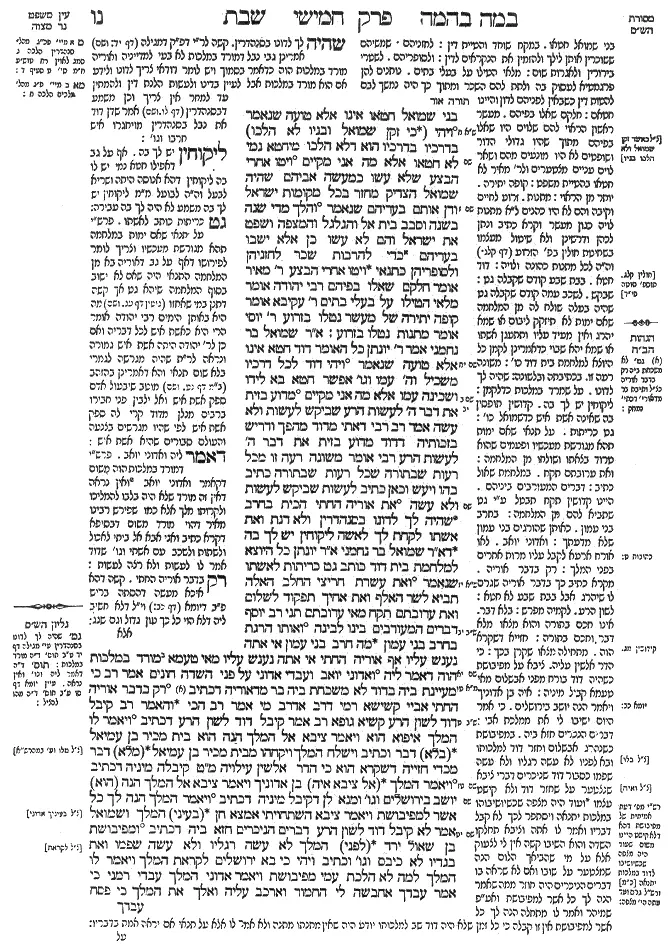
בני שמואל חטאו אינו אלא טועה שנאמר (שמואל א ח, ג) ויהי (כי זקן שמואל ובניו לא הלכו) בדרכיו בדרכיו הוא דלא הלכו מיחטא נמי לא חטאו אלא מה אני מקיים (שמואל א ח, ג) ויטו אחרי הבצע שלא עשו כמעשה אביהם שהיה שמואל הצדיק מחזר בכל מקומות ישראל ודן אותם בעריהם שנאמר (שמואל א ז, טז) והלך מדי שנה בשנה וסבב בית אל והגלגל והמצפה ושפט את ישראל והם לא עשו כן אלא ישבו בעריהם כדי להרבות שכר לחזניהן ולסופריהן כתנאי ויטו אחרי הבצע ר' מאיר אומר חלקם שאלו בפיהם רבי יהודה אומר מלאי הטילו על בעלי בתים ר' עקיבא אומר קופה יתירה של מעשר נטלו בזרוע ר' יוסי אומר מתנות נטלו בזרוע:
א"ר שמואל בר נחמני אמר ר' יונתן כל האומר דוד חטא אינו אלא טועה שנאמר (שמואל א יח, יד) ויהי דוד לכל דרכיו משכיל וה' עמו וגו' אפשר חטא בא לידו ושכינה עמו אלא מה אני מקיים (שמואל ב יב, ט) מדוע בזית את דבר ה' לעשות הרע שביקש לעשות ולא עשה אמר רב רבי דאתי מדוד מהפך ודריש בזכותיה דדוד מדוע בזית את דבר ה' לעשות הרע רבי אומר משונה רעה זו מכל רעות שבתורה שכל רעות שבתורה כתיב בהו ויעש וכאן כתיב לעשות שביקש לעשות ולא עשה (שמואל ב יב, ט) את אוריה החתי הכית בחרב שהיה לך לדונו בסנהדרין ולא דנת ואת אשתו לקחת לך לאשה ליקוחין יש לך בה דא"ר שמואל בר נחמני א"ר יונתן כל היוצא למלחמת בית דוד כותב גט כריתות לאשתו שנאמר (שמואל א יז, יח) ואת עשרת חריצי החלב האלה תביא לשר האלף ואת אחיך תפקוד לשלום ואת ערובתם תקח מאי ערובתם תני רב יוסף דברים המעורבים בינו לבינה (שמואל ב יב, ט) ואותו הרגת בחרב בני עמון מה חרב בני עמון אי אתה נענש עליו אף אוריה החתי אי אתה נענש עליו מאי טעמא מורד במלכות הוה דאמר ליה (שמואל ב יא, יא) ואדוני יואב ועבדי אדוני על פני השדה חונים אמר רב כי מעיינת ביה בדוד לא משכחת ביה בר מדאוריה דכתיב (מלכים א טו, ה) רק בדבר אוריה החתי אביי קשישא רמי דרב אדרב מי אמר רב הכי והאמר רב קיבל דוד לשון הרע קשיא גופא רב אמר קיבל דוד לשון הרע דכתיב (שמואל ב ט, ד) ויאמר לו המלך איפוא הוא ויאמר ציבא אל המלך הנה הוא בית מכיר בן עמיאל (בלא) דבר וכתיב וישלח המלך ויקחהו מבית מכיר בן עמיאל (מלא) דבר מכדי חזייה דשקרא הוא כי הדר אלשין עילויה מ"ט קיבלה מיניה דכתיב (שמואל ב טז, ב) ויאמר המלך (אל ציבא איה) בן אדוניך ויאמר ציבא אל המלך הנה (הוא) יושב בירושלים וגו' ומנא לן דקיבל מיניה דכתיב (שמואל ב טז, ב) ויאמר המלך הנה לך כל אשר למפיבושת ויאמר ציבא השתחויתי אמצא חן (בעיני) המלך ושמואל אמר לא קיבל דוד לשון הרע דברים הניכרים חזא ביה דכתיב (שמואל ב יט, כה) ומפיבושת בן שאול ירד (לפני) המלך ולא עשה רגליו ולא עשה שפמו ואת בגדיו לא כיבס וגו' וכתיב ויהי כי בא ירושלים לקראת המלך ויאמר לו המלך למה לא הלכת עמי מפיבושת ויאמר אדוני המלך עבדי רמני כי אמר עבדך אחבשה לי החמור וארכב עליה ואלך את המלך כי פסח
Comments from Rashi on Masechet Shabbat Page 56a
בני שמואל חטאו . במקח שוחד והטיית דין: לחזניהם . שמשיהם ששוכרין אותן לילך ולהזמין את הנקראים לדין: ולסופריהם . לשטרי בירורין ולאגרות שום: חלקם שאלו בפיהם . מעשר ראשון הראוי להם שלוים היו שאלו בפיהם מתוך שהיו גדולי הדור ושופטים לא היו מונעים מהם ושאר לוים עניים מצטערים ולר' מאיר לא חטאו בהטיית משפט: מלאי הטילו על בעלי בתים . נותנים להן פרגמטיא לעסוק בה ולתת להם השכר ומתוך כך היה נמשך לבם להטות דין כשבאין לפניהן לדון והיינו חטאם: קופה יתירה . יותר מן הראוי: מתנות . זרוע לחיים וקיבה והם לא היו כהנים ל"א מתנות לויה כגון מעשר וקרא כתיב ונתן לכהן ודרשינן ולא שיטול מעצמו בשחיטת חולין בפ' הזרוע (דף קלג.) וה"ה לכל מתנות כהונה ולויה: דוד חטא . בבת שבע קודם שקבלה גט: שבקש . לשכב עמה קודם שקבלה גט שהיה בעלה שולח לה מן המלחמה שאם ימות לא תיזקק ליבום או שמא יהרג ואין מעיד עליו ותתעגן אשתו או שמא יהא שבוי כדאמרינן לקמן כל היוצא למלחמת בית דוד כו': משונה רעה זו . בכתיבתה ובלשונה: שהיה לך לדונו . על שמרד במלכות כדלקמן: ליקוחין יש לך בה . קדושין תופסין בה שאינה אשת איש כדשמואל כו': גט כריתות . על תנאי שאם ימות תהא מגורשת מעכשיו ופעמים שהוא טרוד בצאתו ושולחו מן המלחמה: ואת ערובתם תקח . במלחמת שאול כתיב: דברים המעורבים ביניהם . היינו קדושין תקח תבטל ע"י גט שתביא להם מן המלחמה: בחרב בני עמון . כאותן שהורגים בני עמון שלא מדעתך: ואדוני יואב . לאו אורח ארעא לקבל עליו מרות אחרים בפני המלך: רק בדבר אוריה . מקרא כתיב כך בדבר אוריה שגרם לו שיהרג אבל בבת שבע לא חטא: לשון הרע . לקמיה מפרש: בלא דבר . אינו חכם בתורה והוא מצאו מלא דבר וחכם בתורה: חזייא דשקרא הוה . מתחילה מצאו שקרן בכך: כי הדר אלשין עליה . ציבא על מפיבושת כשהיה דוד בורח מפני אבשלום מאי טעמא קביל מיניה: איה בן אדונך ויאמר הנה יושב בירושלים . כי אמר היום ישיבו לי את ממלכת אבי: דברים הנכרים חזא ביה . במפיבושת כשנהרג אבשלום וחזר דוד למלכותו ובא לפניו לא עשה רגליו ולא עשה שפמו כסבור דוד שניכרים דברי ציבא שנצטער על שחזר דוד ולא קישט עצמו ועוד היה מצפה שכשיושיבוהו במלכות יתנאה ויסתפר לכך לא קבל דבריו ואמר לו אתה וציבא תחלקו השדה והוא השיבו קשה אין לי לצעוק אלא על מי שהביאך הלום הנה שמצטער על שובו ואם לא שראה בו דברים הניכרים היה חוזר ממה שאמר הנה לך כל אשר למפיבושת ואע"פ שמיהר ואמר לו מתחלה הנה לך כל אשר למפיבושת אין זו קבלה כי כל זמן שלא היה דוד שב למלכותו יודע היה שאין מתנתו מתנה ולא אמר לו אלא על תנאי אם יראה אמת בדבריו:
Comments from Tosafot - Shabbat 56a
שהיה לך לדונו בסנהדרין . קשה לר"י דפ"ק דמגילה (דף יד: ושם) אמרינן גבי נבל דמורד במלכות לא בעי למדייניה ואוריה מורד במלכות הוה כדאמר בסמוך ויש לומר דודאי צריך לדונו ולידע אם הוא מורד במלכות אבל לעיין בדינו ולעשות הלנת דין ולהמתין עד למחר אין צריך וכן משמע דבסנהדרין (דף לו. ושם) אמר שדן דוד את נבל בסנהדרין מויחגרו איש חרבו וגו': ליקוחין יש לך בה . אף על גב דאפילו חטא נמי יש לו בה ליקוחין דהא אנוסה היתה ושריא לבעל וה"ה לבועל מ"מ ליקוחין יש לך בה משמע לא היה לך בה עבירה: גט כריתות כותב לאשתו . פרש"י על תנאי שאם ימות במלחמה תהא מגורשת מעכשיו וצריך לומר לפירושו דאף על גב דאוריה בא מן המלחמה התנאי היה שאם לא ישוב בסוף המלחמה שיהא גט אך קשה דתנן במי שאחזו (גיטין דף עג. ושם) מה היא באותן הימים רבי יהודה אומר הרי היא כאשת איש לכל דבריה ואם כן לר' יהודה היתה אשת איש גמורה ונראה לר"ת שהיה מגרשה לגמרי בלא שום תנאי והא דאמרינן בהזהב (ב"מ דף נט. ושם) מוטב שיבעול אדם ספק אשת איש ואל ילבין פני חבירו ברבים מנלן מדוד קרי לה ספק אשת איש לפי שהיו מגרשים בצנעה והעולם סבורים שהיא אשת איש: דאמר ליה ואדוני יואב . פרש"י דמורד במלכות הוה משום דקאמר ואדוני יואב ואין נראה דאין זה מורד שלא היה בלבו להמליכו ולקרותו מלך אלא כמו שפירש רבינו מאיר דהוי מורד משום דבסיפא דקרא כתיב ואני אבא אל ביתי לאכול ולשתות ולשכב עם אשתי וגו' שדוד אמר לו לעשות ולא רצה לעשות: רק בדבר אוריה החתי . קשה דהא איכא מעשה דהסתה בריש פ"ב דיומא (דף כב:) וי"ל דלא חשיב ליה דלא הוי כל כך. עון גדול וגם שגג:
Shabbat 56a - Mishnah translated into english
that the sons of Samuel sinned is nothing other than mistaken, as it is stated: “And it came to pass, when Samuel was old that he made his sons judges over Israel…And his sons walked not in his ways but sought after unjust gain, and took bribes, and perverted justice” (I Samuel 8:1–3). By inference: In his ways they did not walk, however, they did not sin either. They were not the equals of their father, but they were not sinners.
However, how then do I establish the meaning of the verse: “And they sought after unjust gain,” indicating that they were sinners? It means that they did not conduct themselves in accordance with the actions of their father. As Samuel the righteous would travel to all places where the people of Israel were located and sit in judgment in their towns, as it is stated: “And he went from year to year in circuit from Beth-El, and Gilgal, and Mitzpa, and judged Israel in all those places” (I Samuel 7:16). And, however, they did not do so and travel from place to place. Rather, they sat in their own cities in order to enhance the fees collected by their attendants and scribes. Therefore, the verse ascribes to them liability as if they sinned by seeking ill-gotten gains and bribes.
The Gemara notes that this matter is parallel to a dispute between tanna’im. As it was taught in a baraita that the verse states: “And they sought after unjust gain.” Rabbi Meir says: This means that they vocally demanded their portions of the tithe due them as Levites, abusing their position to the detriment of other Levites. Rabbi Yehuda says: They imposed upon local homeowners to sell their merchandise and support them. Rabbi Akiva says: They took an extra basket of tithes, beyond that which was their due, by force. Rabbi Yosei says: They took only the gifts due them; however, they took them by force. They acted improperly, as a Levite is required to wait until he is given his gifts and may not take them.
Rabbi Shmuel bar Naḥmani said that Rabbi Yonatan said: Anyone who says that David sinned with Bathsheba is nothing other than mistaken, as it is stated: “And David succeeded in all his ways; and the Lord was with him” (I Samuel 18:14). Is it possible that sin came to his hand and nevertheless the Divine Presence was with him?
However, how then do I establish the meaning of the rebuke of the prophet Nathan: “Why have you despised the word of the Lord, to do that which is evil in My sight? Uriah the Hittite you have smitten with the sword, and his wife you have taken to be your wife, and him you have slain with the sword of the children of Ammon” (II Samuel 12:9), indicating that David sinned? The Gemara answers: David sought to do evil and have relations with Bathsheba while she was still married to Uriah but did not do so.
Rav said: Rabbi Yehuda HaNasi, who descends from the house of David, seeks to teach the verse in favor of David. With regard to that which is written: “Why have you despised the commandment of the Lord to do evil,” Rabbi Yehuda HaNasi said: This evil mentioned with regard to David is different from all other evils in the Torah; as with regard to all other evils in the Torah, it is written: And he did evil, and here it is written: To do evil. This unique phrase indicates that David sought to do evil but did not actually do so. His intentions were improper; however, his actions were proper.
That which is written: “Uriah the Hittite you have smitten with the sword,” means that you could have judged him before the Sanhedrin as one guilty of treason against the throne, and you did not judge him in that manner. Instead, you had him executed in a manner that deviated from the generally accepted principles of judgment. With regard to that which is written: “And his wife you have taken to be your wife”; it means that you have rights of marriage with her, as by law Bathsheba was already divorced from Uriah.
As Rabbi Shmuel bar Naḥmani said that Rabbi Yonatan said: Anyone who goes to a war waged by the royal house of David writes a conditional bill of divorce to his wife. That was done to prevent a situation in which the soldier’s wife would be unable to remarry because the soldier did not return from battle and there were no witnesses to his fate. The conditional bill of divorce accorded her the status of a divorcee and freed her to remarry. As it is stated: “And carry these ten cheeses to the captain of their thousand, and to your brothers bring greetings and take their pledge [arubatam]” (I Samuel 17:18).
What is the meaning of arubatam? Rav Yosef taught: It refers to matters that are shared [hame’oravim] between him, the husband, and her, the wife, i.e., marriage. The verse should be read: Take the bill of divorce that determines the status of the relationship between husband and wife. As, apparently, it was customary for men at war to send their wives a conditional divorce, since Uriah later died, Bathsheba retroactively assumed divorced status from the time that he set out to war. She was not forbidden to David.
With regard to that which is written: “And him you have slain with the sword of the children of Ammon,” it means: Just as you are not punished for soldiers killed by the sword of the children of Ammon in the course of the war, so too you are not punished for the death of Uriah the Hittite.
What is the reason that David was not liable for the death of Uriah? Because Uriah was a traitor against the throne. As he said to David: “And my lord Joab and the servants of my lord are encamped in the open fields” (II Samuel 11:11). In the presence of the king, one may not refer to another as his lord. Doing so is treason.
Rav said: When you analyze the matter of David, no sin that he committed is found in his lifetime, except for that involving Uriah. As it is written: “Because David did that which was right in the eyes of the Lord, and turned not aside from any thing that He commanded him all the days of his life, save only in the matter of Uriah the Hittite” (I Kings 15:5).
Abaye the Elder raised a contradiction between one statement of Rav and another statement of Rav: Did Rav actually say this? Didn’t Rav say: David accepted a slanderous report? Just as it is prohibited to relate a slanderous report, it is similarly prohibited to accept it. This contradiction remains unresolved, and it is difficult.
The Gemara now examines the matter itself with regard to Rav’s statement cited in the course of the previous discussion. Rav said: David accepted a slanderous report, as it is written with regard to David’s search for a surviving son of Jonathan: “And the king said to him, to Ziba, Saul’s slave: Where is he? And Ziba said to the king: Behold, he is in the house of Machir, the son of Ammiel, in Lo-Devar [belo devar]” (II Samuel 9:4). Ziba indicated to David that Jonathan’s son was inconsequential, lacking any matter [lo devar] of Torah. And it is written: “Then King David sent, and fetched him out of the house of Machir, the son of Ammiel, from Lo-Devar [milo devar]” (II Samuel 9:5). That verse can be read that after sending for him, David found him filled with matters [melo devar] of Torah.
Now, after David saw that Ziba was a liar, when Ziba once again slandered Jonathan’s son, Mephibosheth, why did David accept his report? As it is written that when David fled from Absalom, he met Ziba: “And the king said: And where is your master’s son? And Ziba said to the king: Behold, he is staying in Jerusalem, as he said: Today shall the house of Israel restore to me the kingdom of my father” (II Samuel 16:3). And from where do we derive that David accepted Ziba’s slanderous report? As it is written: “Then said the king to Ziba: Behold, all that belongs to Mephibosheth is yours. And Ziba said: I humbly beseech you that I may find favor in your sight, my lord, O king” (II Samuel 16:4).
And Shmuel said: David did not accept Ziba’s slanderous report without substantiation. Rather, he himself saw conspicuous matters in Mephibosheth that indicated that Ziba was right. As it is written: “And Mephibosheth, the son of Saul, came down to meet the king, and he had neither dressed his feet, nor trimmed his beard, nor washed his clothes from the day the king departed until the day he came back in peace” (II Samuel 19:25). David thought that he was mourning the fact that he had returned in peace. And it is written: “And it came to pass, when he came to Jerusalem to meet the king, and the king said to him: Why did you not go with me, Mephibosheth? And he answered: My lord, O king, my servant deceived me; for your servant said: I will saddle me a donkey, and I will ride on it, and go to the king; because lame is
Traduction : The William Davidson digital edition of the Koren Noé Talmud, with commentary by Rabbi Adin Even-Israel Steinsaltz.