 Talmud Bavli
Shabbat 141a : Youtube
Daf TubeYoutube
2 video classes :
Shabbat Page 141a
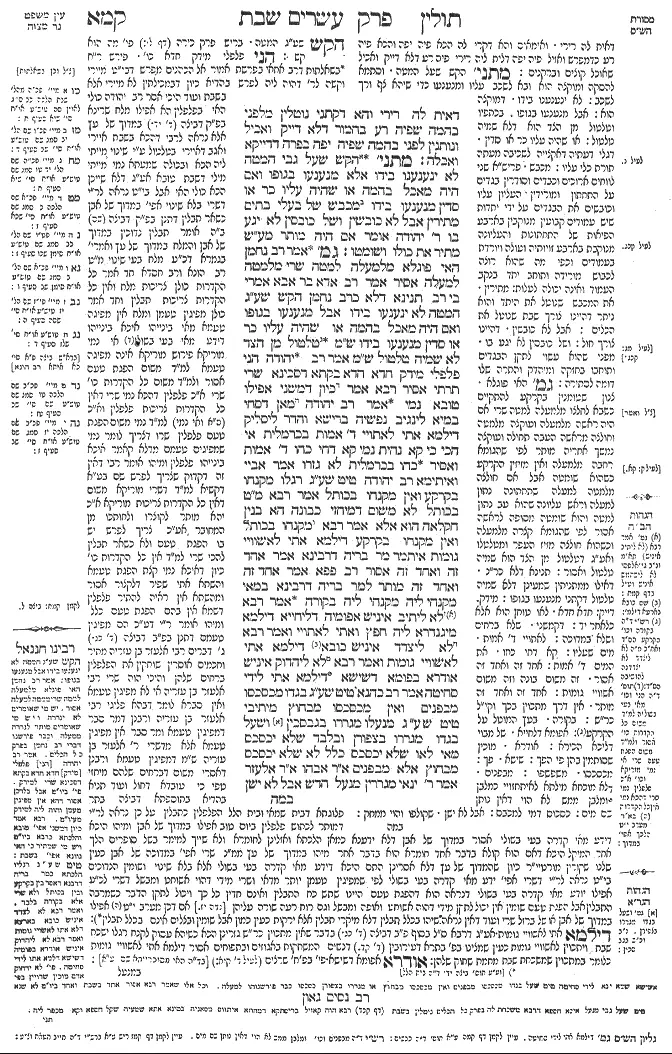
Shabbat 141a - Guemara
דאית לה רירי והא דקתני נוטלין מלפני בהמה שפיה רע בחמור דלא דייק ואכיל ונותנין לפני בהמה שפיה יפה בפרה דדייקא ואכלה:
מתני׳ הקש שעל גבי המטה לא ינענענו בידו אלא מנענעו בגופו ואם היה מאכל בהמה או שהיה עליו כר או סדין מנענעו בידו מכבש של בעלי בתים מתירין אבל לא כובשין ושל כובסין לא יגע בו ר' יהודה אומר אם היה מותר מע"ש מתיר את כולו ושומטו:
גמ׳ אמר רב נחמן האי פוגלא מלמעלה למטה שרי מלמטה למעלה אסיר אמר רב אדא בר אבא אמרי בי רב תנינא דלא כרב נחמן הקש שע"ג המטה לא ינענעו בידו אבל מנענעו בגופו ואם היה מאכל בהמה או שהיה עליו כר או סדין מנענעו בידו ש"מ טלטול מן הצד לא שמיה טלטול ש"מ אמר רב יהודה הני פלפלי מידק חדא חדא בקתא דסכינא שרי תרתי אסיר רבא אמר כיון דמשני אפילו טובא נמי אמר רב יהודה מאן דסחי במיא לינגיב נפשיה ברישא והדר ליסליק דילמא אתי לאתויי ד' אמות בכרמלית אי הכי כי קא נחית נמי קא דחי כחו ד' אמות ואסיר כחו בכרמלית לא גזרו אמר אביי ואיתימא רב יהודה טיט שע"ג רגלו מקנחו בקרקע ואין מקנחו בכותל אמר רבא מ"ט בכותל לא משום דמיחזי כבונה הא בנין חקלאה הוא אלא אמר רבא מקנחו בכותל ואין מקנחו בקרקע דילמא אתי לאשוויי גומות איתמר מר בריה דרבינא אמר אחד זה ואחד זה אסור רב פפא אמר אחד זה ואחד זה מותר למר בריה דרבינא במאי מקנחי ליה מקנחי ליה בקורה אמר רבא לא ליתיב איניש אפומיה דליחייא דילמא מיגנדרא ליה חפץ ואתי לאתויי ואמר רבא לא ליצדד איניש כובא דילמא אתי לאשוויי גומות ואמר רבא לא ליהדוק איניש אודרא בפומא דשישא דילמא אתי לידי סחיטה אמר רב כהנא טיט שע"ג בגדו מכסכסו מבפנים ואין מכסכסו מבחוץ מיתיבי טיט שע"ג מנעלו מגררו בגב סכין ושעל בגדו מגררו בצפורן ובלבד שלא יכסכס מאי לאו שלא יכסכס כלל לא שלא יכסכס מבחוץ אלא מבפנים א"ר אבהו א"ר אלעזר אמר ר' ינאי מגררין מנעל חדש אבל לא ישן
Comments from Rashi on Masechet Shabbat Page 141a
מתני' הקש שעל המטה . וסתמא להסקה ומוקצה הוא ובא לשכב עליו ומנענעו כדי שיהא צף ורך לשכב: לא ינענענו בידו . דמוקצה הוא: אבל מנענעו בגופו . בכתפיו וטלטול מן הצד הוא דלא שמיה טלטול: או שהיה עליו כר או סדין . דגלי דעתיה דאקצייה לשכיבה מעתה תורת כלי עליו: מכבש . פריש"א שני לווחים ארוכים וכבדים וסודרין בגדים על התחתון ומורידין העליון עליו וכובשים את הבגדים על ידי יתדות שיש עמודים קבועין מנוקבין בארבע הפיאות של התחתונות והעליונה מנוקבת בארבע זויותיה ועולה ויורדת בעמודים וכפי מה שהוא רוצה לכבוש מורידה ותוחב יתד בנקב העמוד ואינה יכולה לעלות: מתירין . את המכבש שנוטל את היתד והוא ניתר דהיינו צורך שבת שנוטל את הכלים: אבל לא כובשין . דהיינו צורך חול: ושל כובסין לא יגע בו . מפני שהוא עשוי לתקן הבגדים ותוחבו בחזקה ומיהדק והתרה שלו דומה לסתירה: גמ' האי פוגלא . צנון שטומנין בקרקע להתקיים כשבא לחלצו מלמעלה למטה שרי אם היה ראשה מלמעלה ועוקצה מלמטה וחולצה מראשה העבה תחילה ועוקצה נמשך אחריה מותר לפי שהגומא רחבה מלמעלה ואין מזיזין הקרקע כשהוא שומטה אבל אם חולצה מלמטה למעלה שתחתונה נתון למעלה וראש עליונה שהוא עב נתון למטה והוא שומטה מסופה לראשה אסור לפי שהגומא קצרה מלמעלה וכשהוא חולצה מזיז העפר ומטלטלו ואע"ג דטלטול מן הצד הוא שמיה טלטול ואסור: תנינא דלא כר"נ . דאילו ממתניתין שמעינן דלא שמיה טלטול דקתני מנענעו בגופו: מידק . דייק: חדא חדא . לאו טוחן הוא אלא כלאחר יד: דקמשני . שלא ברחים ושלא במדוכה: לאתויי ד' אמות . מים שעליו: קא דחי כחו . את המים ד' אמות: אחד זה ואחד זה אסור . זה משום בונה וזה משום אשוויי גומות: אחד זה ואחד זה מותר . אין דרך מתכוין בכך וקי"ל כר"ש: בקורה . בעץ המוטל על הקרקע: אפומא דלחייא . של מבוי דליכא הכירא: אודרא . מוכין שסותמין בהן פי הפך: שישא . פך: מכסכסו . משפשפו: מבפנים . דלא מוכחא מילתא לאיתחזויי כמלבן ומלבן ממש לא הוי דאין נותן שם מים: כסכוס דמי למכבס: אבל לא ישן . שקולפו והוי ממחק:
Comments from Tosafot - Shabbat 141a
הקש שע"ג המטה . בריש פרק כירה (דף לו:) פי' מה הוא קש: הני פלפלי מידק חדא כו' . פירש ר"ת בשאלתות דרב אחאי בפרשת אמור אל הכהנים מפרש דבי"ט מיירי וקשה לר' דהוה ליה לפרש בהדיא כיון דבמכילתין לא מיירי אלא בשבת ועוד היכי אסר רב יהודה כולי האי בפלפלין הא אפילו מלח שרינא בפ"ק דביצה (ד' יד.) במדוך של עץ אלא נראה לרבי דהכא בשבת איירי ואגב דאיירי בטלטול ע"י שינוי מייתי ליה הכא ובכולה שמעתא נמי מייתי מילי דשבת טובא אע"ג דלא שייכן הכא כולי האי אבל בי"ט נראה לר"י דשרי בלא שינוי אפי' במדוך של אבן כשאר תבלין דתנן בפ"ק דביצה (שם) ב"ה אומר תבלין נדוכין במדוך של אבן והמלח במדוך של עץ ואמרי' בגמרא דכ"ע מלח בעי שינוי מ"ט רב הונא ורב חסדא חד אמר כל הקדרות כולן צריכות מלח ואין כל הקדרות צריכות תבלין וחד אמר כולן מפיגין טעמן ומלח אין מפיגה טעמא מאי בינייהו איכא בינייהו דידע מאי בעי בשולי אי נמי מוריקא פירוש מוריקא אינה מפיגה טעמא למ"ד משום הפגת טעם אסור ולמ"ד משום כל הקדרות כו' שרי א"כ פלפלין דהכא נמי שרי דאין כל הקדרות צריכות פלפלין וא"כ (ס"א ואי נמי) למ"ד נמי משום הפגת טעם פלפלין שרו דצריך לומר נמי שמפיגים טעמם מדלא קאמר איכא בינייהו פלפלין ומיהו אומר רבי דאין זה דקדוק שצריך לפרש שם בע"א דקשיא למ"ד דשרי מוריקא משום דאין כל הקדרות צריכות מוריקא א"כ יהא מותר לקוצרו ולחותכו מן המחובר אע"כ צריך לפרש יש בו הפגת טעם ולא כשאר תבלין להכי שרי למ"ד אין כל הקדרות כו' כיון דאיכא נמי קצת הפגת טעמא והשתא אתי שפיר דלקצור אסור ומהשתא אין ראיה להתיר פלפלין דשמא אין בהם הפגת טעם כלל ומיהו אומר ר"י דע"כ הם מפיגין טעמם דתנן בפ"ב דביצה (ד' כג.) ג' דברים רבי אלעזר בן עזריה מתיר וחכמים אוסרין שוחקין את הפלפלין ברחים שלהן והיכי הוה שרי רבי אלעזר בן עזריה אי לא מפיגין טעמא ואין סברא לומר דבהא פליגי רבי אלעזר בן עזריה ורבנן דמר סבר דמפיגין טעמא ומר סבר אין מפיגין טעמא אלא מדשרי ר' אלעזר בן עזריה ש"מ דמפיגין טעמא ורבנן דאסרי משום דברחים שלהם מיחזי ' טפי כי עובדא דחול ועוד תניא בהדיא בתוספתא דביצה בתר פלוגתא דבית שמאי ובית הלל הפלפלין כתבלין על כן נראה לר"י דמותר לכתוש פלפלין ביום טוב אפילו במדוך של אבן ומיהו היכא דידע מאי קדרה בעי בשולי אסור במדוך של אבן דלא ידענא כמאן הלכתא ואזלינן לחומרא ולא שייך למימר בשל סופרים הלך אחר המיקל היכא דאם הוא קולא בדבר אחד חומרא הוא בדבר אחר מיהו במדוך של עץ ממ"נ שרי אפי' במדוכה של אבן כעין שלנו שקורין מורטיי"ר כיון שהמדוך של עץ דלא אסרינן התם היכא דידע מאי קדרה בעי בשולי אלא בלא שינוי ושומין הנדוכים בי"ט נראה לר"י דשרי אפי' ידע מאי קדרה בעי בשולי לפי שמפיגין טעמן יותר מדאי ושרי מידי דהוי אשוחט ומבשל דשרי לכ"ע אפילו יודע מאי קדרה בעי בשולי דנראה הוא דהפגת טעם היינו שתש כח התבלין ואינם חדין כל כך ויכול לתקן הדבר כשמרבה התבלין אבל הפגת טעם שומין אין יכול לתקן מידי דהוה אשוחט ואופה ומבשל וגם רוח רעה שורה עליהן [נדה יז] אם דכן מערב י"ט אפילו במדוך של אבן או של ברזל שרי ועוד דאין נראה. שיהו בכלל תבלין דלא מיקרי תבלין אלא בירקות כעין כמון אבל שומין ובצלים אינם בכלל תבלין: דילמא אתי לאשוויי גומות . אע"ג דרבא ס"ל בסוף פ"ב דביצה (ד' כג.) בדבר שאין מתכוין כר"ש גזרינן הכא כשיהא עסוק לקנח רגלו ישכח שבת ויתכוין לאשוויי גומות כעין שמצינו בפ' בתרא דעירובין (ד' קד.) דנשים המשחקות באגוזים ובתפוחים אסור דילמא אתי לאשוויי גומות כלומר במתכוין שמשכחת שבת מחמת שחוק שלהן: אודרא אפומא דשישא . פי' בפ' ח' שרצים (לעיל שבת ד' קיא:) [בד"ה האי מסוכרייתא שם ע"א]:
Shabbat 141a - Mishnah translated into english
which has spittle.
And that which was taught in the other baraita: One may take hay from before an animal whose mouth is foul, is referring to a donkey. Its mouth is foul because it does not discern between different foods and it eats everything. And the statement: One may place it before an animal whose mouth is fine, is referring to a cow, which discerns between different foods and only then it eats.
MISHNA: With regard to straw that is on top of a bed, if a person wishes to lie on it, he may not move it with his hand to smooth it, as the straw is set aside for kindling; rather, he may move it with his body. Since moving straw with one’s body is not the usual manner, it is permitted. And if the straw was designated as animal food, or a pillow or sheet was on it, which would clearly indicate that the straw was placed on the bed so one could sleep on it, the straw is not considered set-aside, and one may move it even with his hand.
A press which belongs to a homeowner, one may loosen it on Shabbat. This press is used to dry and press clothing after laundering. One loosens it to remove clothing from it. However, one may not press clothing with it on Shabbat. And in the case of a press that belongs to a launderer, which is made specifically for pressing and requires professional expertise for its operation, one may not touch it. Rabbi Yehuda says: If the launderer’s press was loosened somewhat on Shabbat eve, he may loosen it completely on Shabbat and remove the garment.
GEMARA: With regard to moving items that are set aside, the Gemara cites that which Rav Naḥman said: This radish, which was buried in the earth, if it was buried from top to bottom, with its wide end at the top and its narrow end at the bottom, it is permitted to remove it on Shabbat. When the radish is buried in that manner, one does not move the earth when he removes the radish. However, if the radish was buried in the earth from bottom to top, with the wide end at the bottom, it is prohibited.
Rav Adda bar Abba said: They say in the school of Rav: We already learned in the mishna that the halakha is not in accordance with the opinion of Rav Naḥman: With regard to straw on top of a bed, one may not move it with his hand, but he may move it with his body. And if it is animal food, or a pillow or sheet is on it, he may move it even with his hand. Conclude from here that moving an item in an atypical manner is not considered moving. The Gemara concludes: Indeed, conclude from here that this is indeed the case.
The Gemara cites a somewhat similar case. Rav Yehuda said: In the case of these peppers, crushing them one by one with the handle of a knife is permitted. However, crushing two at a time is prohibited, because it appears to be a prohibited labor. Rava said: Since he alters the manner in which he performs this activity, even crushing many at a time is also permitted.
Rav Yehuda also said: One who bathes in water should first dry himself immediately upon exiting, and then ascend to the coast, lest he come to carry the remaining drops of water on his body four cubits in a karmelit.
The Gemara asks: If so, if there is a concern about carrying water, there should be concern when one descends into the water as well. In that case, his force propels water four cubits into the river, and it should be prohibited. The Gemara answers: With regard to movement that results from his force in a karmelit, the Sages did not issue a decree. Since one does not directly propel the water, but the water moves only as an extension of his motion, and since the river is a karmelit, and the prohibition to carry there is only a rabbinic law, the Sages did not issue a decree for one who descends into the water.
In a similar decree, Abaye said, and some say that it was stated by Rav Yehuda: If one has mud on his foot, he may wipe it on the ground on Shabbat, but he may not wipe it on a wall.
Rava said: What is the reason that he may not wipe it off on a wall? Is it because it appears like building, as he is adding plaster to the wall? That is the building of a field laborer, which is not an actual building. There is no concern in that case because in adding plaster to that building, one does not perform the prohibited labor of building.
Rather, Rava said: On the contrary, He may wipe it on a wall, but he may not wipe it on the ground. This is due to the concern lest one come to level holes in the ground while wiping his foot.
It is stated that other amora’im disputed this issue. Mar, son of Ravina, said: Both this, wiping the mud on a wall, and that, wiping the mud on the ground, are prohibited. Rav Pappa said: Both this and that are permitted.
The Gemara asks: According to the opinion of Mar, son of Ravina, with what may he wipe his foot? The Gemara answers: Even according to his opinion, there is a permitted manner to clean his foot; he wipes it on a beam on the ground.
Rava said: A person should not sit on Shabbat right at the entrance to a closed alleyway where a side post is placed as a symbolic partition enabling one to carry inside the alleyway. The reason for this is that perhaps an object will roll into the public domain and one will come to get it, as there is no conspicuous demarcation between inside and outside the alleyway.
And Rava also said a similar decree: A person may not position a barrel on a dirt floor, lest he come to level holes in the ground while smoothing the surface upon which he is positioning the barrel.
And furthermore, Rava said: A person may not stuff a rag into the mouth of a jug [shisha] on Shabbat, lest he come to violate the prohibition of squeezing liquid from the cloth.
Rav Kahana said: With regard to mortar that is on one’s garment on Shabbat, one may rub it off from the inside, but one may not rub it off from the outside, because that is comparable to the prohibited labor of laundering.
The Gemara raises an objection from that which we learned: With regard to mortar that is on one’s shoe, he may scrape it off with the back of a knife as a departure from the typical manner of scraping. And mortar which is on one’s clothes, he may scrape off with his fingernail, as long as he does not rub it. The Gemara asks: What, is it not saying that he may not rub it at all? The Gemara rejects that premise: No, it is saying that he may not rub it from the outside, rather from the inside.
Rabbi Abbahu said that Rabbi Elazar said that Rabbi Yannai said: One may scrape mud off of a new shoe on Shabbat, but not off of an old shoe, because a layer of the shoe will be removed, which constitutes the prohibited labor of smoothing.
Traduction : The William Davidson digital edition of the Koren Noé Talmud, with commentary by Rabbi Adin Even-Israel Steinsaltz.