 Talmud Bavli
Shabbat 39a : Youtube
Daf TubeYoutube
3 video classes :
Shabbat Page 39a
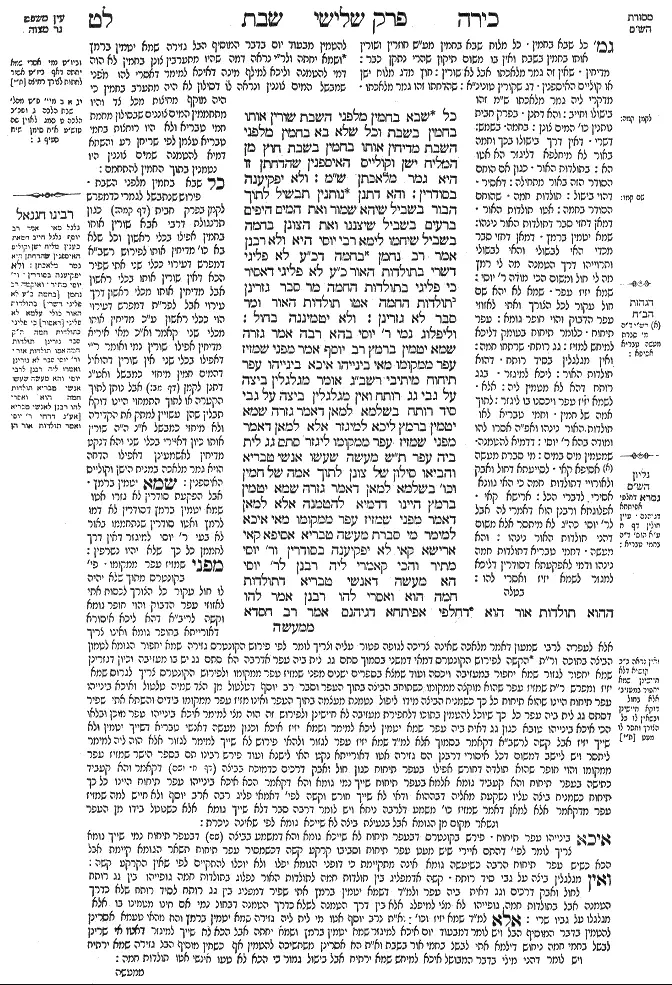
Shabbat 39a - Guemara
כל שבא בחמין מלפני השבת שורין אותו בחמין בשבת וכל שלא בא בחמין מלפני השבת מדיחין אותו בחמין בשבת חוץ מן המליח ישן וקולייס האיספנין שהדחתן זו היא גמר מלאכתן ש"מ:
ולא יפקיענה בסודרין:
והא דתנן נותנין תבשיל לתוך הבור בשביל שיהא שמור ואת המים היפים ברעים בשביל שיצננו ואת הצונן בחמה בשביל שיחמו לימא רבי יוסי היא ולא רבנן אמר רב נחמן בחמה דכ"ע לא פליגי דשרי בתולדות האור כ"ע לא פליגי דאסיר כי פליגי בתולדות החמה מר סבר גזרינן תולדות החמה אטו תולדות האור ומר סבר לא גזרינן:
ולא יטמיננה בחול:
וליפלוג נמי ר' יוסי בהא רבה אמר גזרה שמא יטמין ברמץ רב יוסף אמר מפני שמזיז עפר ממקומו מאי בינייהו איכא בינייהו עפר תיחוח מיתיבי רשב"ג אומר מגלגלין ביצה על גבי גג רותח ואין מגלגלין ביצה על גבי סיד רותח בשלמא למאן דאמר גזרה שמא יטמין ברמץ ליכא למיגזר אלא למאן דאמר מפני שמזיז עפר ממקומו ליגזר סתם גג לית ביה עפר ת"ש מעשה שעשו אנשי טבריא והביאו סילון של צונן לתוך אמה של חמין וכו' בשלמא למאן דאמר גזרה שמא יטמין ברמץ היינו דדמיא להטמנה אלא למאן דאמר מפני שמזיז עפר ממקומו מאי איכא למימר מי סברת מעשה טבריא אסיפא קאי ארישא קאי לא יפקיענה בסודרין ור' יוסי מתיר והכי קאמרי ליה רבנן לר' יוסי הא מעשה דאנשי טבריא דתולדות חמה הוא ואסרי להו רבנן אמר להו ההוא תולדות אור הוא דחלפי אפיתחא דגיהנם אמר רב חסדא
Comments from Rashi on Masechet Shabbat Page 39a
גמ' כל שבא בחמין . כל מלוח שבא בחמין מע"ש חוזרין ושורין אותו בחמין בשבת ואין בו משום תיקון שהרי נתקן כבר: מדיחין . שאין זה גמר מלאכתו אבל לא שורין: חוץ מדג מלוח ישן או קולייס האיספנין . דג שקורין טונינ"א (טוּנה) : שהדחתו זהו גמר מלאכתו . מדקרי ליה גמר מלאכתו ש"מ זהו בישולו וחייב: והא דתנן . בפרק חבית נותנין כו' המים צונן: בחמה . בשמש: דשרי . דאין דרך בישולו בכך וחמה באור לא מיחלפא דליגזר הא אטו הא: בתולדות האור . כגון אם הוחם הסודר הזה באור מתחילה: דאסיר . דהוי בישול: תולדות חמה . שהוחם הסודר בחמה: אטו תולדות האור . דמאן דחזי סבר דתולדות האור נינהו: שמא יטמין ברמץ . דמאן דחזי סבר מכדי האי לבשולי והאי לבשולי ותרוייהו דרך הטמנה מה לי רמץ מה לי חול ומשום הכי מודה ר' יוסי: שמא יזיז עפר . שמא לא יהא שם חול עקור לכל הצורך ואתי לאזוזי עפר הדבוק והוי חופר גומא: עפר תיחוח . כלומר תיחוח בעומק דליכא למיחש למזיז: גג רותח . שרתחו חמה: ואין מגלגלין בסיד רותח . דהוא תולדות האור: ליכא למיגזר . בגג רותח דהא לא מטמין ליה: אלא . לשמא יזיז עפר ויכסנו בו ליגזר: לתוך אמה של חמין . וחמי טבריא לאו תולדות האור נינהו ואפ"ה אסרו להו ומודה בהא ר' יוסי: דדמיא להטמנה . שמטמין מים במים: מי סברת מעשה אסיפא קאי . לסייעתא דחול ואבק ולאורויי דתולדות חמה כי האי גוונא אסירי לדברי הכל: ארישא קאי . אפלוגתא ורבנן הוא דאמרי לה אבל לר' יוסי כה"ג לא מיתסר אלא משום דהני תולדות האור נינהו: והא מעשה . דחמי טבריא דתולדות חמה נינהו ודמי לאפקעתא דסודרין דליכא למגזר לשמא יזיז ואסרי להו:
Comments from Tosafot - Shabbat 39a
כל שבא בחמין מלפני השבת . פירוש שנתבשל לגמרי כדמפרש לקמן בפרק חבית (שבת דף קמה:) כגון תרנגולת דרבי אבא שורין אותו בחמין אפילו בכלי ראשון וכל שלא בא כו' מדיחין אותו לפירוש רשב"א דמפרש דעירוי ככלי שני אתי שפיר הכא דאין שורין אותו בכלי ראשון אבל מדיחין אותו מכלי ראשון דרך עירוי אבל לפר"ת. דמפרש דעירוי הוי ככלי ראשון ע"כ מדיחין אותו מכלי שני קאמר וא"כ מאי איריא מדיחין אפילו שורין נמי ואומר ר"י דאפילו בכלי שני אין שורין דהואיל דהמים חמין מיחזי כמבשל ואע"ג דתנן לקמן (שבת דף מב:) אבל נותן לתוך הקערה או לתוך התמחוי היינו דוקא תבלין שהן עשויין למתק את הקדירה ולא מיחזי כמבשל א"נ ה"ה שורין אותו כיון דאיירי בכלי שני והא דנקט מדיחין לאשמעינן דאפילו הדחה הויא גמר מלאכה במניח הישן וקולייס האיספנין: שמא יטמין ברמץ . אבל הפקעת סודרין לא גזרו אטו שמא יטמין ברמץ דסודרין לא דמו לרמץ ואטו סודרין שנתחממו באור לא בעי ר' יוסי. למיגזר דאין דרך לחממן כל כך שלא יהיו נשרפין: מפני שמזיז עפר ממקומו . פי' בקונטרס מתוך שלא יהיה לו חול עקור כל הצורך לכסות אתי לאזוזי עפר הדבוק והוי חופר גומא וקשה לריב"א דהא ליכא איסורא דאורייתא בחופר גומא ואינו צריך אלא לעפרה לרבי שמעון דאמר מלאכה שאינה צריכה לגופה פטור עליה וצריך לומר לפי פירוש הקונטרס גזירה שמא יחפור הגומא לטמון הביצה בתוכה ור"ת הקשה לפירוש הקונטרס דמאי דמשני בסמוך סתם גג לית ביה עפר אדרבה הא סתם גג יש בו מעזיבה וכיון דגזרינן שמא יחפור לגזור שמא יחפור במעזיבה ויכסה ועוד שמצא בספרים ישנים מפני שמזיז עפר ממקומו ולפירוש הקונטרס צריך לגרוס שמא יזיז ומפרש ר"ת שמזיז עפר שהוא מוקצה ממקומו כשתוחב הביצה בתוך העפר וסבר רב יוסף דטלטול מן הצד שמיה טלטול ואיכא בינייהו עפר תיחוח היינו שהוא תיחוח כל כך כשמניח הביצה מידו ליפול נטמנת מעצמה בתוך העפר ואינו מזיז עפר ממקומו בידים והשתא אתי שפיר דסתם גג לית ביה עפר כל כך שיוכל להטמין בתוכו דלחפירת מעזיבה לא חיישינן ולפירוש זה הוה מצי למימר איכא בינייהו עפר מוכן ובלאו הכי איכא בינייהו טובא כגון גג דאית ביה עפר שמא יטמין ליכא למימר ושמא יזיז איכא וכגון מעשה דאנשי טבריא דשייך יטמין ולא שייך יזיז אבל קשה לרשב"א דקאמר בסמוך אלא למ"ד שמא יזיז עפר לגזור ולהאי פירוש לא שייך למימר לגזור אלא הוה ליה למימר ליתסר ויש ליישב דמשום דכל איסורי דרבנן הם גזירה אטו דאורייתא נקט האי לישנא ועוד פירש רבינו תם בספר הישר שמזיז עפר ממקומו והוי חופר שהוא תולדה דחורש אפילו בעפר תיחוח כגון חול ואבק דרכים כדמוכח בביצה (דף ח. ושם) דקאמר והא קעביד כתישה בעפר תיחוח והא קעביד גומא אלמא בעפר תיחוח שייך נמי גומא והא דקאמר הכא איכא בינייהו עפר תיחוח היינו כל כך תיחוח כשמניח ביצה עליו נשקעת מאליה דבההוא ודאי לא שייך חורש וקשה לפי' דאמאי פליג רבה ארב יוסף ולא חייש למה שמזיז עפר מדקאמר אלא למאן דאמר שמזיז כו' משמע דלרבה ניחא ויש לומר דרבה סבר דלא שייך גומא אלא כשנוטל בידו מן העפר ונשאר מקום מן הגומא אבל בנעיצת ביצה לא שייכא גומא לפי שאינה ניכרת: איכא בינייהו עפר תיחוח . פירש בקונטרס דבעפר תיחוח לא שייכא גומא והא דמשמע בביצה (שם) דבעפר תיחוח נמי שייך גומא צריך לומר לפי' דהתם איירי שיש מעט עפר תיחוח וסביבו קרקע קשה דכשמסיר עפר תיחוח תשאר הגומא קיימת אבל הכא כשיש עפר תיחוח הרבה כשיעשה גומא אינה מתקיימת כי דופני הגומא יפלו ולא יוכלו להתקיים לפי שאין הקרקע קשה: ואין מגלגלין ביצה על גבי סיד רותח . קשה אדמפליג בין תולדות חמה לתולדות האור לפלוג בתולדות חמה גופייהו בין גג רותח לחול ואבק דרכים וגג דאית ביה עפר ולמ"ד דשמא יטמין ברמץ אתי שפיר דמפליג בין גג רותח לסיד רותח שלא כדרך הטמנה אבל בתולדות חמה גופייהו לא מצי למיפלג אלא בין דרך הטמנה לשלא כדרך הטמנה דבחול נמי אם אינו מטמינו בו אלא מגלגלו על גביו שרי: אלא למ"ד שמא יזיז וכו' . וא"ת לרב יוסף אטו מי לית ליה גזירה שמא יטמין ברמץ והא מהאי טעמא אסרינן להטמין בדבר המוסיף הבל ויש לומר דמבעוד יום איכא למיגזר שמא יטמין ברמץ ושמא יחתה אבל הכא לא שייך למיגזר דאטו אי שרינן לבשל בחמי חמה ניחוש דילמא אתי לבשל בחמי אור בשבת וא"ת הא אסרינן משחשיכה להטמין אף כשאין מוסיף הבל גזירה שמא ירתיח ויש לומר דהני מילי בדבר המבושל איכא למיחש שמא ירתיח. אבל בישול גמור כי הכא לא טעו אינשי אטו תולדות חמה:
Shabbat 39a - Mishnah translated into english
Any salted food item that was already placed in hot water, i.e., cooked, before Shabbat, one may soak it in hot water even on Shabbat. And anything that was not placed in hot water before Shabbat, one may rinse it in hot water on Shabbat, but may not soak it, with the exception of old salted fish or the colias of the Spaniards [kolyas ha’ispanin] fish, for which rinsing with hot water itself is completion of the prohibited labor of cooking. Once it is rinsed in hot water, it does not require any additional cooking. The same is true with regard to an egg that was slightly cooked. Since it thereby becomes edible, one who brought it to that state has violated the prohibition of cooking. The Gemara sums up: Indeed, conclude from it that this is its meaning.
We also learned in the mishna according to the first tanna: And one may not wrap an egg in cloths that were heated by the sun in order to heat up the egg, and Rabbi Yosei permits doing so. And with regard to that which we learned in a mishna that one may place cooked food into a pit on Shabbat to protect it from the heat; and one may place good, potable water into bad, non-potable water so that it will cool; and one may put cold water out in the sun to heat it, the Gemara asks: Let us say that this mishna is in accordance with the opinion of Rabbi Yosei in our mishna and not the opinion of the Rabbis as represented by the first tanna in the mishna. The Rabbis prohibited heating food with the heat of the sun.
Rav Naḥman said: With regard to heating food in the sun itself, everyone agrees that one is permitted to place food in the sun to heat it, as it is certainly neither fire nor a typical form of cooking. Likewise, with derivatives of fire, i.e., objects that were heated by fire, everyone agrees that it is prohibited to heat food with them, as heating with them is tantamount to heating with fire itself. Where they argue is with regard to heating with derivatives of the sun, i.e., objects heated with the heat of the sun. This Sage, who represents the opinion of the Rabbis, holds that we issue a decree prohibiting a person to heat with derivatives of the sun due to derivatives of fire, which are prohibited. People have no way of knowing how the cooking vessel was heated. If the Sages permit the use of objects heated in the sun, people will come to permit use of objects heated by fire as well. And this Sage, Rabbi Yosei, holds that we do not issue a decree. Even though it is prohibited to heat with derivatives of fire, heating with derivatives of the sun is permitted.
We learned in the mishna: And one may not insulate it in sand or in road dust that was heated in the sun. The Gemara asks: And let Rabbi Yosei disagree with this halakha as well. If he holds that one is permitted to cook on Shabbat using objects heated by the sun, the same should apply with regard to sand. The Gemara cites two answers. Rabba said: Rabbi Yosei agrees with the opinion of the Rabbis in this case. The Sages issued a decree in this case due to concern lest one come to insulate it in hot ashes, which is certainly prohibited, if he is permitted to insulate food in sand or road dust. Insulating in sand and insulating in hot ashes appear to be very similar. Rav Yosef said: Rabbi Yosei prohibits it in this case because when insulating it in the sand, he displaces dirt. It is as if he dug a hole in the sand, which is prohibited. The Gemara asks: What is the practical difference between the answers proposed by Rabba and Rav Yosef? Apparently, the two answers lead to the same practical conclusion. The Gemara answers: There is a practical difference between them in the case of loose earth. Loose earth does not require digging a hole. According to Rav Yosef’s explanation, there is no reason to prohibit insulating food in loose earth, as displacing loose earth involves no prohibition. However, if the decree was issued lest one insulate an egg in hot ashes, then it applies even in the case of loose earth.
The Gemara raises an objection from that which was taught in a baraita: Rabban Shimon ben Gamliel says: One may slightly roast an egg on a hot rooftop heated by the sun; however, one may not slightly roast an egg on top of boiling limestone. Granted, this works out well according to the opinion of the one who said that insulating an egg in sand is prohibited due to a decree lest he come insulate it in hot ashes. There is no reason to issue a decree on a hot rooftop, as it is not at all similar to hot ashes. However, according to the opinion of the one who said that the reason is because he is displacing dirt, let him issue a decree and prohibit warming an egg on the rooftop as well because there is sometimes dirt on the roof. The Gemara answers: This is not difficult because, in general, a rooftop does not have dirt, and there is no reason to issue a decree in uncommon cases.
Come and hear a different objection to the opinion of the amora from our mishna: The Sages prohibited the people of the city of Tiberias, who ran a cold-water pipe through a canal of hot water from the Tiberias hot springs, from using the water. Granted, according to the opinion of the one who said that the prohibition is due to a decree lest one insulate food in hot ashes, that is the reason that this was prohibited, as it is similar to insulating. The cold-water pipe was placed inside the hot water and was surrounded by it. However, according to the opinion of the one who said that the reason is because one displaces dirt, what is there to say to explain the prohibition?
The Gemara answers: Do you think that the story about Tiberias refers to the latter clause of the mishna? No, it refers to the first clause of the mishna, and it should be understood as follows: The Rabbis and Rabbi Yosei disagree with regard to wrapping an egg in cloths. The Rabbis say: One may not wrap it in cloths and Rabbi Yosei permits doing so. And the Rabbis said the following to Rabbi Yosei: Wasn’t the incident involving the people of Tiberias with derivatives of the sun, as the hot springs of Tiberias are not heated by fire, and nevertheless the Sages prohibited them from using the water? Rabbi Yosei said to them: That is not so. That incident involved derivatives of fire, as the hot springs of Tiberias are hot because they pass over the entrance to Gehenna. They are heated by hellfire, which is a bona fide underground fire. That is not the case with derivatives of the sun, which are not heated by fire at all.
On the same topic, Rav Hisda said:
Traduction : The William Davidson digital edition of the Koren Noé Talmud, with commentary by Rabbi Adin Even-Israel Steinsaltz.