 Talmud Bavli
The learning on the whole site is dedicated : L'ilui Nishmat Jacques Isaac Ben Amram Loubaton
The learning on the whole site is dedicated : L'ilui Nishmat Yaakov ben Myriam
The learning on the whole site is dedicated : L'ilui Nishmat Yechayahou ben Moche
Shabbat 50a : Youtube
Daf TubeYoutube
3 video classes :
Shabbat Page 50a
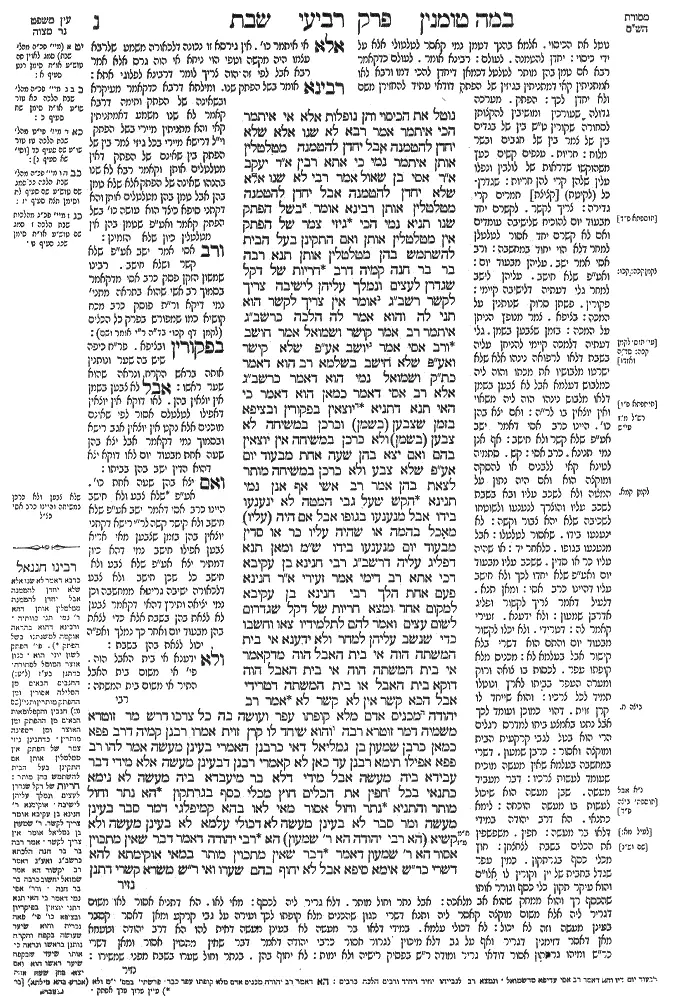
Shabbat 50a - Guemara
נוטל את הכיסוי והן נופלות אלא אי איתמר הכי איתמר אמר רבא לא שנו אלא שלא יחדן להטמנה אבל יחדן להטמנה מטלטלין אותן איתמר נמי כי אתא רבין א"ר יעקב א"ר אסי בן שאול אמר רבי לא שנו אלא שלא יחדן להטמנה אבל יחדן להטמנה מטלטלין אותן רבינא אומר בשל הפתק שנו תניא נמי הכי גיזי צמר של הפתק אין מטלטלין אותן ואם התקינן בעל הבית להשתמש בהן מטלטלין אותן תנא רבה בר בר חנה קמיה דרב חריות של דקל שגדרן לעצים ונמלך עליהן לישיבה צריך לקשר רשב"ג אומר אין צריך לקשר הוא תני לה והוא אמר לה הלכה כרשב"ג איתמר רב אמר קושר ושמואל אמר חושב ורב אסי אמר יושב אע"פ שלא קישר ואע"פ שלא חישב בשלמא רב הוא דאמר כת"ק ושמואל נמי הוא דאמר כרשב"ג אלא רב אסי דאמר כמאן הוא דאמר כי האי תנא דתניא יוצאין בפקורין ובציפא בזמן שצבען (בשמן) וכרכן במשיחה לא צבען (בשמן) ולא כרכן במשיחה אין יוצאין בהם ואם יצא בהן שעה אחת מבעוד יום אע"פ שלא צבע ולא כרכן במשיחה מותר לצאת בהן אמר רב אשי אף אנן נמי תנינא הקש שעל גבי המטה לא ינענעו בידו אבל מנענעו בגופו אבל אם היה (עליו) מאכל בהמה או שהיה עליו כר או סדין מבעוד יום מנענעו בידו ש"מ ומאן תנא דפליג עליה דרשב"ג רבי חנינא בן עקיבא דכי אתא רב דימי אמר זעירי א"ר חנינא פעם אחת הלך רבי חנינא בן עקיבא למקום אחד ומצא חריות של דקל שגדרום לשום עצים ואמר להם לתלמידיו צאו וחשבו כדי שנשב עליהן למחר ולא ידענא אי בית המשתה הוה אי בית האבל הוה מדקאמר אי בית המשתה הוה אי בית האבל הוה דוקא בית האבל או בית המשתה דטרידי אבל הכא קשר אין לא קשר לא אמר רב יהודה מכניס אדם מלא קופתו עפר ועושה בה כל צרכו דרש מר זוטרא משמיה דמר זוטרא רבה והוא שיחד לו קרן זוית אמרו רבנן קמיה דרב פפא כמאן כרבן שמעון בן גמליאל דאי כרבנן האמרי בעינן מעשה אמר להו רב פפא אפילו תימא רבנן עד כאן לא קאמרי רבנן דבעינן מעשה אלא מידי דבר עבידא ביה מעשה אבל מידי דלא בר מיעבדא ביה מעשה לא נימא כתנאי בכל חפין את הכלים חוץ מכלי כסף בגרתקון הא נתר וחול מותר והתניא נתר וחול אסור מאי לאו בהא קמיפלגי דמר סבר בעינן מעשה ומר סבר לא בעינן מעשה לא דכולי עלמא לא בעינן מעשה ולא קשיא (הא רבי יהודה הא ר' שמעון) הא רבי יהודה דאמר דבר שאין מתכוין אסור הא ר' שמעון דאמר דבר שאין מתכוין מותר במאי אוקימתא להא דשרי כר"ש אימא סיפא אבל לא יחוף בהם שערו ואי ר"ש משרא קשרי דתנן
Comments from Rashi on Masechet Shabbat Page 50a
נוטל את הכיסוי . אלמא בהנך דטמן נמי קאסר לטלטולי אלא על ידי כיסוי: יחדן להטמנה . לעולם: רבינא אומר . לעולם כדקאמר רבא אם טמן בהן מותר לטלטל דכמאן דיחדן להכי דמו ורבא לאו אמתניתין קאי דמתניתין בגיזין של הפתק דודאי עתיד להחזירן משם ולא יחדן לכך: הפתק . מערכה גדולה שעורכין ומושיבין להקצותן לסחורה שקורין ט"ש (ערֵמה) בין של בגדים בין של צמר בין של חגבים ובשר מלוח: חריות . ענפים קשים כעץ משהוקשו שדראות של לולבין ונפלו עלין שלהן קרי להן חריות: שגדרן . כל (לקיטת) [קציצת] תמרים קרי גדירה: צריך לקשר . לקשרם יחד מבעוד יום להוכיח שלישיבה עומדים ואם לא קשרם יחד אסור לטלטלן למחר דלא הוי יחוד במחשבה: ורב אסי אמר ישב . עליהן מבעוד יום: ואע"פ שלא חישב . עליהן לישב למחר גלי דעתיה דלישיבה קיימי: פקורין . פשתן סרוק שנותנין על המכה: בציפא . צמר מנופץ הניתן על המכה: בזמן שצבען בשמן . גלי דעתיה דלמכה קיימי להניחן עליה בשבת דלאו לרפואה נינהו אלא שלא ישרטו מלבושיו את מכתו והוה ליה כמלבוש דעלמא אבל לא צבען בשמן דלאו מלבוש נינהו הוה ליה משאוי ואין יוצאין בו לר"ה: ואם יצא בהן כו' . היינו כרב אסי דאמר ישב אע"פ שלא קשר ולא חישב: אף אנן נמי תנינא . כרב אסי: קש . סתמיה לטינא קאי ללבנים או להסקה ומוקצה הוא ואם היה נתון על המטה ולא לשכב עליו ובא בשבת לשכב עליו והוצרך לנענעו ולשוטחו לשכיבה שלא יהא צבור וקשה לא ינענעו בידו . שאסור לטלטלו: אבל מנענעו בגופו . כלאחר יד: או שהיה עליו כר או סדין . ששכב עליו מבעוד יום ואע"פ שלא יחדו לכך ולא חישב עליו דהיינו כרב אסי: ומאן תנא . דלעיל דאמר צריך לקשור ופליג אדרבן שמעון: ולא ידענא . זעירי קאמר לה: דטרידי . ולא יכלו לקשור מבעוד יום והתם הוא דשרי בלא קישור אבל בעלמא לא: מכניס מלא קופתו עפר . לכסות בו צואה ורוק ומערה העפר בביתו לארץ ונוטלו תמיד לכל צרכיו: והוא שייחד לו קרן זוית . דהוי כמוכן ועומד לכך אבל נתנו באמצע ביתו למדרס רגלים הרי הוא בטל לגבי קרקעית הבית ומוקצה ואסור: כרבן שמעון . דשרי במחשבה בעלמא שאין מעשה מוכיח שעומד לעשות צרכיו: דבר מעביד מעשה . שבן מעשה הוא שיכול לעשות בו מעשה הוכחה: לימא כתנאי . הא דרב יהודה במידי דלאו בר מעשה: חפין . משפשפין את הכלים בשבת לצחצחן: חוץ מכלי כסף בגרתקון . כמין עפר שגדל בחביות של יין וקורין לו אלו"ם והוא עיקר תקון כלי כסף וגורר אותו שהכסף רך והוא ממחק שהוא אב מלאכה: אבל נתר וחול מותר . דלא גריר ליה לכסף: מאי לאו . הא דתניא אסור לאו משום דגריר ליה אלא משום מוקצה קאסר ליה ותנא דשרי כגון שהכניס מלא קופתו לכך ועירה על גבי קרקע ומאן דאסר קסבר בעינן מעשה וזה לא יכול: לא דכולי עלמא . במידי דלאו בר מעשה לא בעינן מעשה דאית להו הא דרב יהודה וטעמא מאן דאסר דזימנין דגריר ואף על גב דלא מיכוין לגרור אסור כרבי יהודה דאמר דבר שאין מתכוין אסור ומאן דשרי כר"ש ומיהו גרתקון אסור דודאי גריר ומודה ר"ש בפסיק רישיה ולא ימות: לא יחוף בהן . בנתר וחול שערו בשבת מפני שמשירו:
Comments from Tosafot - Shabbat 50a
אלא אי איתמר כו' . אין גירסא זו נכונה דלכאורה משמע שלרבא עצמו היה מקשה וטפי הוי ניחא אי הוה גרס אלא אמר רבא אבל לפי זה הוה צריך לומר דרבינא לפלוגי אתא: רבינא אומר בשל הפתק שנו . ומילתא דרבא כדקאמר מעיקרא ובשאינה של הפתק ותימה דרבא קאמר לא שנו משמע דאמתניתין קאי והא מתניתין מיירי בשל הפתק וי"ל דרישא מיירי בכל גיזי צמר בין של הפתק בין שאינם של הפתק דאין מטלטלים אותן וקאמר רבא לא שנו בהנהו שאינה של הפתק אלא שלא טמן בהן אבל טמן בהן מטלטלים אותן והא דקתני סיפא כיצד הוא עושה כו' בשל הפתק קאמר ואע"פ שטמן בהן אין מטלטלין כיון שלא הזמינן: ורב אסי אמר ישב אע"פ שלא קשר ושלא חישב . רבינו שמשון הזקן פסק כרב אסי מדקאמר בסמוך רב אשי שהוא בתראה מתני' נמי דיקא ור"ת פוסק כרב מכח קושיא כמו שמפורש בפרק כל הכלים (לקמן שבת דף קכו. בד"ה ר"י אומר ושם): בפקורין ובציפא . פר"ח כיפה שיש בה שער ונותנין אותה בראש הקרח ונראה שהוא שער ראשו: אבל לא צבען בשמן אין יוצאין בהן . לאו דוקא אין יוצאין דאפילו לטלטלם אסור לפי שאינם מוכנים אלא נקט אין יוצאין אגב רישא ובסמוך נמי דקאמר אבל יצא בהן שעה אחת מבעוד יום לאו דוקא יצא דהוא הדין ישב בהן בביתו: ואם יצא בהן שעה אחת כו' . אע"פ שלא צבע ולא חישב היינו כרב אסי דאמר ישב אע"פ שלא חישב ולא קישר קשה לר"י רישא דקתני יוצאין בהן בזמן שצבען מאי אריא צבען אפילו חישב נמי דהא כיון דמתיר יצא אע"פ שלא צבע ולא חישב כל שכן חישב ולא צבע דלכאורה ישיבה גריעא ממחשבה וכן נמי יציאה ותירץ דהאי דקאמר צבען לא לצאת בהן בשבת אלא כדי לצאת בהן מבעוד יום ואחר כך נמלך ואפ"ה יכול לצאת בהן בשבת: ולא ידענא אי בית האבל הוה . פי' אי משום בית האבל התיר אי משום בית המשתה:
Shabbat 50a - Mishnah translated into english
He lifts the cover, which he is permitted to move, and the wool fleece falls by itself. Contrary to Rava’s statement, even wool fleece in which a person insulated food may not be moved on Shabbat.
Rather, if it was stated, it was stated as follows: Rava said: This halakha that wool fleece may not be moved on Shabbat applies only in a case where one did not designate it for insulating food. However, if he designated it for insulating food, one may move it, as in that case, it is no longer set-aside.
It was also stated that when Ravin came from Eretz Yisrael to Babylonia, he said that Rabbi Ya’akov said that Rabbi Asi ben Shaul said that Rabbi Yehuda HaNasi said: This halakha that wool fleece may not be moved on Shabbat applies only in a case where one did not designate it for insulating food. However, if one designated it for insulating food, he may move it.
Ravina said: In fact, Rava’s statement can be understood as it was originally understood, i.e., one who insulated food in wool fleece may move it because it is considered designated for insulating food. In the mishna that indicates otherwise they taught about wool fleece taken from a merchant’s shelves [heftek]. That wool was certainly not designated for insulating food. It will be returned to those shelves to be sold. Therefore, it is set-aside for that purpose and may not be moved on Shabbat, even if it is used to insulate food. That was also taught in a baraita: With regard to wool fleece taken from a merchant’s shelves, one may not move it on Shabbat. And if a homeowner prepared the fleece to use it, one may move it.
With regard to the question of what can be done to permit use of items ordinarily set-aside on Shabbat, Rabba bar bar Ḥana taught the following baraita before Rav: With regard to hard branches of a palm tree that one cut for fire wood or for construction, and then he reconsidered their designation and decided to use them for sitting, he must tie the branches together on Shabbat eve. This allows him to move them on Shabbat like any other household utensil. Rabban Shimon ben Gamliel says: He need not tie them together and, nevertheless, he is permitted to move them. Rabba bar bar Ḥana taught the baraita, and he said about it that the halakha is in accordance with the opinion of Rabban Shimon ben Gamliel.
On that same topic, it was stated that Rav said: He ties the branches together on Shabbat eve. And Shmuel said: If he merely has in mind on Shabbat eve that he wishes to sit on them on Shabbat, he need not tie them together. And Rav Asi said: If he even briefly sits on them on Shabbat eve, sitting on the branches is permitted the next day, even though he did not tie them together and even though he did not have that in mind.
The Gemara comments: Granted, Rav, he stated his opinion in accordance with the unattributed opinion of the first tanna of the baraita, and Shmuel, too, he stated his opinion in accordance with the opinion of Rabban Shimon ben Gamliel. However, in accordance with whose opinion did Rav Asi state his opinion? Apparently, he disagrees with both tanna’im who expressed an opinion on the issue.
The Gemara explains: Rav Asi stated his opinion in accordance with the opinion of this tanna, as it was taught in the Tosefta: One may go out into a public domain on Shabbat with combed flax [pakorin] or combed wool covering a wound, when he previously dipped them in oil and tied them to the wound with twine. If he did not dip them in oil or tie them with twine, he may not go out into the public domain with them. And if he went out with them for a brief period on Shabbat eve while it was still day, even if he did not dip them in oil or tie them with twine, he is permitted to go out with them on Shabbat. Apparently, there is a tanna who maintains that using an item before Shabbat enables one to use it on Shabbat as well. No additional steps are necessary.
Rav Ashi said: We too have also learned in a mishna: Straw that is piled on a bed to be used for fuel or mixed with clay is set aside for that purpose and may not be moved. Therefore, one who seeks to lie on the bed may not move the straw with his hand, but he may move it with his body, as this is not the typical way of moving straw. However, if that straw had been designated as animal feed, or if there was a pillow or sheet spread over it on Shabbat eve while it was still day and he lay on it before Shabbat, he may move it with his hand. Apparently, even brief use before Shabbat suffices to permit use on Shabbat as well. The Gemara concludes: Indeed, conclude from it that there is a tannaitic opinion in accordance with which Rav Asi stated his opinion.
The Gemara asks: And who is the unnamed tanna who disagrees with Rabban Shimon ben Gamliel in the baraita cited above? He holds that in order to use palm branches for sitting, one must perform an action, e.g., tie them together, before Shabbat? The Gemara answers: It is Rabbi Ḥanina ben Akiva, as when Rav Dimi came from Eretz Yisrael to Babylonia, he said that Ze’iri said that Rabbi Ḥanina said: Rabbi Ḥanina ben Akiva once went to a certain place on Shabbat eve and found there hard branches of a palm tree that they had cut for fire wood. And he said to his disciples: Go out and have in mind that you will use them so that we will be permitted to sit on them tomorrow, on Shabbat. And, Ze’iri added, I do not know if the house where Rabbi Ḥanina ben Akiva went was the house of a wedding feast or if it was the house of mourning.
The Gemara explains: From the fact that Ze’iri said: I do not know whether it was the house of a wedding feast or the house of mourning, it may be inferred that this halakha applies specifically to the house of mourning or the house of a feast because they are preoccupied with other matters and do not have time to tie the wood. However, here, in ordinary circumstances, if he tied the branches together, yes, it is permitted to sit on them on Shabbat; if he did not tie them together, no, it is not permitted.
Rav Yehuda said: A person may bring a basket full of earth into his house on Shabbat eve, pour it on the floor, and use it for all his needs on Shabbat, e.g., to cover excrement. Mar Zutra taught in the name of Mar Zutra Rabba: That applies only if he designated a specific corner in his house for the earth.
The Sages said before Rav Pappa: In accordance with whose opinion was this last ruling taught, that designating a place for the earth is sufficient to permit its use on Shabbat? It must have been taught in accordance with the opinion of Rabban Shimon ben Gamliel with respect to palm branches, as if it was taught in accordance with the opinion of the Rabbis, didn’t they say that in order to permit use of an object that is set-aside on Shabbat, we require an action, e.g., tying the palm branches together? Thought alone is insufficient.
Rav Pappa said to them: Even if you say that the halakha was taught in accordance with the opinion of the Rabbis, the Rabbis stated their opinion that we require an action, only with regard to something with which it is possible to perform a preparatory action. However, with regard to something with which it is not possible to perform a preparatory action, no, they did not require an action. Since it is not possible to perform a preparatory action with the earth, one is permitted to use the earth by means of thought alone.
The Gemara asks: Let us say that this issue, whether or not an action is required in that case, is parallel to a dispute among the tanna’im. As it was taught in one baraita: One may clean utensils on Shabbat with any type of cleaning agent, except for silver utensils with cream of tartar [gartekon], as that not only polishes the silver, but also smooths it. By inference: Cleaning with natron and sand is permitted.
Wasn’t it taught in the Tosefta: Cleaning with natron and sand is prohibited on Shabbat? What, is it not that they disagree with regard to this following point? That one Sage, who prohibits use of sand on Shabbat, holds that an action is required in order to permit the use of items that would otherwise be set-aside on Shabbat. Since it is impossible to perform an action with sand, its use is prohibited. And the other Sage, who permits use of sand, holds that an action is not required.
The Gemara rejects this argument: No, everyone agrees that an action is not required; and, nevertheless, it is not difficult. This baraita, which prohibits use of sand and natron, is in accordance with the opinion of Rabbi Yehuda; that baraita, which permits their use, is in accordance with the opinion of Rabbi Shimon.
The Gemara elaborates: This baraita, which prohibits use of sand and natron, is in accordance with the opinion of Rabbi Yehuda, who said with regard to the laws of Shabbat in general that an unintentional act is prohibited. It is prohibited to perform an otherwise permitted action from which an unintended prohibited labor ensues. Therefore, cleaning a silver utensil with sand or natron is prohibited because he thereby unintentionally smooths the utensil, which is prohibited on Shabbat. That baraita, which permits the use of sand and natron, is in accordance with the opinion of Rabbi Shimon, who said that an unintentional act is permitted.
The Gemara raises an objection: In what manner did you establish that baraita, which permits the use of sand and natron? You established it in accordance with the opinion of Rabbi Shimon. If so, say the latter clause of that same baraita: However, one may not wash his hair with them on Shabbat. And, if it is in accordance with the opinion of Rabbi Shimon, he permits doing so. As we learned in a mishna:
Traduction : The William Davidson digital edition of the Koren Noé Talmud, with commentary by Rabbi Adin Even-Israel Steinsaltz.