 Talmud Bavli
Shabbat 19a : Youtube
Daf TubeYoutube
3 video classes :
Shabbat Page 19a
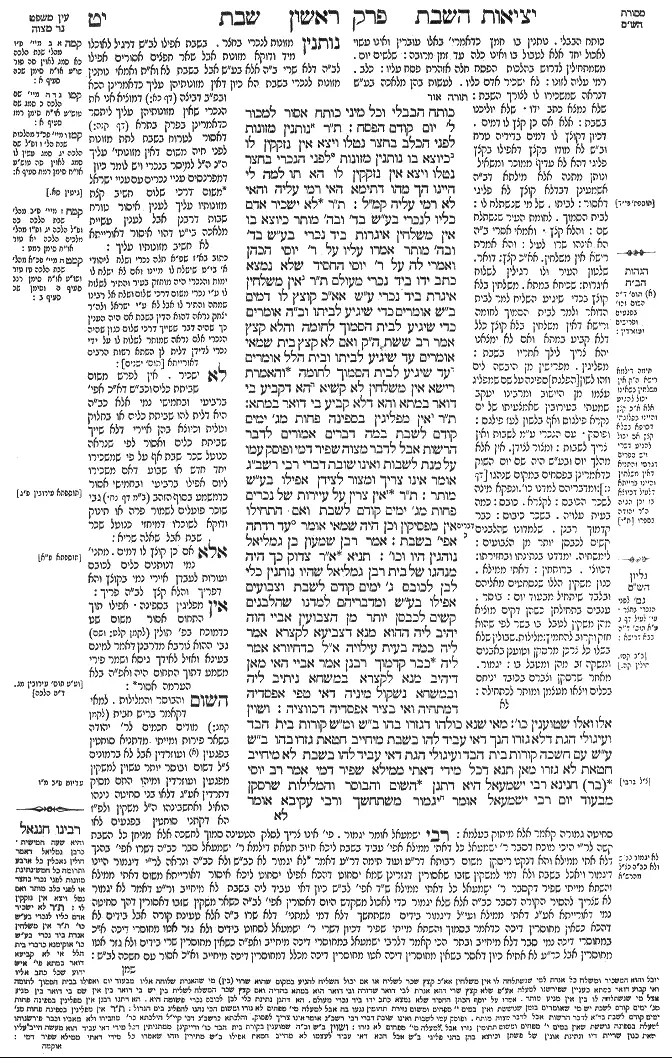
Shabbat 19a - Guemara
כותח הבבלי וכל מיני כותח אסור למכור ל' יום קודם הפסח:
ת"ר נותנין מזונות לפני הכלב בחצר נטלו ויצא אין נזקקין לו כיוצא בו נותנין מזונות. לפני הנכרי בחצר נטלו ויצא אין נזקקין לו הא תו למה לי היינו הך מהו דתימא האי רמי עליה והאי לא רמי עליה קמ"ל:
ת"ר לא ישכיר אדם כליו לנכרי בע"ש בד' ובה' מותר כיוצא בו אין משלחין איגרות ביד נכרי בע"ש בד' ובה' מותר אמרו עליו על ר' יוסי הכהן ואמרי לה על ר' יוסי החסיד שלא נמצא כתב ידו ביד נכרי מעולם ת"ר אין משלחין איגרת ביד נכרי ע"ש אא"כ קוצץ לו דמים ב"ש אומרים כדי שיגיע לביתו וב"ה אומרים כדי שיגיע לבית הסמוך לחומה והלא קצץ אמר רב ששת ה"ק ואם לא קצץ בית שמאי אומרים עד שיגיע לביתו ובית הלל אומרים עד שיגיע לבית הסמוך לחומה והאמרת רישא אין משלחין לא קשיא הא דקביע בי דואר במתא והא דלא קביע בי דואר במתא:
ת"ר אין מפליגין בספינה פחות מג' ימים קודם לשבת במה דברים אמורים לדבר הרשות אבל לדבר מצוה שפיר דמי ופוסק עמו על מנת לשבות ואינו שובת דברי רבי רשב"ג אומר אינו צריך ומצור לצידן אפילו בע"ש מותר:
ת"ר אין צרין על עיירות של נכרים פחות מג' ימים קודם לשבת ואם התחילו אין מפסיקין וכן היה שמאי אומר (דברים כ, כ) עד רדתה אפי' בשבת:
אמר רבן שמעון בן גמליאל נוהגין היו וכו':
תניא א"ר צדוק כך היה מנהגו של בית רבן גמליאל שהיו נותנין כלי לבן לכובס ג' ימים קודם לשבת וצבועים אפילו בע"ש ומדבריהם למדנו שהלבנים קשים לכבסן יותר מן הצבועין אביי הוה יהיב ליה ההוא מנא דצביעא לקצרא אמר ליה כמה בעית עילויה א"ל כדחיורא אמר ליה כבר קדמוך רבנן אמר אביי האי מאן דיהיב מנא לקצרא במשחא ניתיב ליה ובמשחא נשקול מיניה דאי טפי אפסדיה דמתחיה ואי בציר אפסדיה דכווציה:
ושוין אלו ואלו שטוענין כו':
מאי שנא כולהו דגזרו בהו ב"ש ומ"ש קורות בית הבד ועיגולי הגת דלא גזרו הנך דאי עביד להו בשבת מיחייב חטאת גזרו בהו ב"ש ע"ש עם חשכה קורות בית הבד ועיגולי הגת דאי עביד להו בשבת לא מיחייב חטאת לא גזרו מאן תנא דכל מידי דאתי ממילא שפיר דמי אמר רבי יוסי (בר) חנינא רבי ישמעאל היא דתנן השום והבוסר והמלילות שרסקן מבעוד יום רבי ישמעאל אומר יגמור משתחשך ורבי עקיבא אומר
Comments from Rashi on Masechet Shabbat Page 19a
כותח הבבלי . נותנין בו חמץ כדאמרי' באלו עוברין ואינו עשוי לאכול יחד אלא לטבול בו ואינו כלה עד זמן מרובה: שלשים יום . משמתחילין לדרוש בהלכות הפסח חלה אזהרת פסח עליו: כלב . רמי עליה לזונו: לא ישכיר אדם כליו . לעשות בהן מלאכה בע"ש דנראה שמשכירו לו לצורך השבת: שלא נמצא כתב ידו . שלא יוליכנו בשבת: אלא אם כן קצץ לו דמים . דכיון דקוצץ לו דמים בדידיה טרח וב"ש לא מודו בקצץ דאפילו בקצץ פליגי דהא לא עדיף ממוכר ומשאיל ונותן מתנה אלא מילתא דב"ה אשמעינן דבדלא קוצץ לא פליגי דאסור: לביתו . של מי שנשתלח לו: לבית הסמוך . לחומת העיר שנשתלח שם: והלא קצץ . ואמאי אסרי ב"ה הא אינהו שרו לעיל: והא אמרת רישא אין משלחין . אא"כ. קצץ: דואר . שלטון העיר ולו רגילין לשלוח איגרות: שכיחא במתא . משלחין בלא קוצץ בכדי שיגיע השליח למר לבית הדואר ולמר לבית הסמוך לחומה ורישא דאין משלחין בלא קוצץ כלל דלא קביע במתא ואם לא ימצאנו יהא צריך לילך אחריו בשבת: מפליגין . מפרישין מן היבשה לים וזהו לשון [הפלגת] ספינה על שם שמפליג עצמו מן היישוב ומרבינו יעקב שמעתי בעירובין שאמצעיתו של ים נקרא פילגוס ואף בלשון לעז פילגס: ופוסק . עם הנכרי ע"מ לשבות ואין צריך לשבות: ומצור לצידן . אין אלא מהלך יום ובע"ש היה שם יום השוק כדאמרינן בפסחים במקום שנהגו [דף נ:]: ומדבריהם למדנו כו' . ונפקא מינה לשכר הכובס: לקצרא . כובס: כמה בעית עלויה . בשכר כיבוס: כבר קדמוך רבנן . שלמדונו שהלבנים קשים לכבסן יותר מן הצבועים: לימשחיה . ימדדנו בנתינתו ובחזירתו: דכווצי . ברותחין: דאתי ממילא . כגון משקין הללו שנסחטים מאליהם ובלבד שיתחיל מבעוד יום: בוסר . ענבים בתחילתן כשהן דקים מוציא מהן משקין לטבל בו בשר לפי שהוא חזק וקרוב להחמיץ: מלילות . שבולין שלא בשלו כל צרכן מרסקן וטוענן באבנים ומשקה זב מהן ומטבל בו: יגמור . מאחר שרסקן וצברם בכובד יניחם בכלים ויצאו מעצמן ומותר לכתחילה:
Comments from Tosafot - Shabbat 19a
נותנין מזונות לנכרי בחצר . בשבת אפילו לב"ש דרגיל לאוכלו מיד ודוקא מזונות אבל שאר חפצים אסורים אפילו לב"ה דלא שרי ב"ה אלא בע"ש אבל בשבת לא וא"ת ואמאי נותנין מזונות לנכרי בשבת הא כיון דאין מזונותיהן עליך כדאמרינן הכא ובפ"ב דביצה (דף כא:) דמוציא אני את הנכרי שאין מזונותיהן עליך ליתסר כדאמרינן בפרק בתרא (דף קנה:) . דאסור לטרוח בשבת לתת מזונות לפני חיה משום דאין מזונותי' עליך ה"נ ה"ל למיסר בנכרי ויש לומר כיון דמפרנסים עניי נכרים עם עניי ישראל משום דרכי שלום חשיב קצת מזונותיו עליך לענין איסור טורח שבות דרבנן אבל לענין עשיית מלאכה בי"ט דהוי איסור דאורייתא לא חשיב מזונותיו עליך: כתוב בא"ז שפ"א חלה נכרי ושלח ליהודי א' בי"ט שישלח לו מיינו ואם לא ישלח לו ימות והנכרי היה מוחזק בעיר והתיר לשלוח לו ע"י נכרי משום דרכי שלום ושלח אל רבינו שמחה והתיר לו אבל לא ע"י ישראל ולה"ר יצחק נראה דהוא הדין בשבת אם היה הענין כך שהיה דבר ששייך דרכי שלום כגון שהיה הנכרי אלם נראה שמותר לשלוח לו על ידי נכרי לדידן דלית לן השתא רשות הרבים דאורייתא [תוס' ישנים]: לא ישכיר . אין לפרש משום שביתת כלים וכב"ש דא"כ אפי' ברביעי ובחמישי נמי אלא כב"ה היא דלית להו שביתת כלים או בחלוק וטלית וכיוצא בהן איירי דלא שייך שביתת כלים ואסור לפי שנראה כנוטל שכר שבת אף על פי שמשכירו יחד חדש או שבוע דאם משכירו ליום אפילו ברביעי ובחמישי אסור כדמשמע בסוף הזהב (ב"מ דף נח.) גבי שוכר פועלים לשמור פרה או תינוק ודוקא לשוכרו דמיחזי כנוטל שכר שבת אבל שאלה שריא: אלא אם כן קוצץ לו דמים . מתני נמי דנותנים כלים לכובס ועורות לעבדן איירי נמי בקוצץ והא דפריך והלא קצץ לב"ה פריך: אין מפליגין בספינה . אפילו תוך התחום אסור משום שט כדמוכח בפ' תולין (לקמן שבת קלט: ושם) גבי ההוא צורבא מדרבנן דאמר למינם בעינא ואזיל לאידך גיסא ושמר פירי משמע דתוך התחום היה ואפ"ה בלא הערמה אסור: השום והבוסר והמלילות . למאי דקאמר בריש חבית (לקמן שבת קמג:) מודים חכמים לר' יהודה בשאר פירות ומייתי מדתניא סוחטין בפגעין ועוזרדין אבל לא ברמונים צ"ל דשום ובוסר יותר עשוין למשקין מפגעין ועוזרדין ומיהו התם מסיק דתרדין אע"ג דלאו בני סחיטה נינהו הואיל ואחשבינהו ה"ל משקין ולפ"ז הא דקתני סוחטין בפגעים לאו סחיטה גמורה קאמר אלא מיתוק בעלמא: רבי ישמעאל אומר יגמור . פי' אינו צריך לסלק הטעינה סמוך לחשכה אלא מניחן כל השבת קשה לר"י היכי מוכח דסבר ר' ישמעאל כל דאתי ממילא אפי' עביד בשבת ליכא חיוב חטאת דילמא ר' ישמעאל סבר כב"ה דשרו אפי' בהנך דלא אתי ממילא והא דנקט ריסקן משום רבותא דר"ע ועוד תימה דר"ע דאמר לא יגמור לא כב"ש ולא כב"ה ונראה לר"י דיגמור היינו דיגמור ויאכל בשבת ולא דמי למשקין שזבו שאסורין דגזרינן שמא יסחוט דהכא אפילו יסחוט ליכא איסור דאורייתא משום דאתי ממילא והשתא מייתי שפיר דקסבר ר' ישמעאל כל דאתי ממילא ש"ד אפי' לב"ש כיון דאי עביד ליה בשבת לא מיחייב ור"ע דאמר לא יגמור לא שצריך להסיר הקורה דסבר כב"ה אלא שלא יגמור כדי לאכול משקדש היום דאסורין אפי' לב"ה כשאר משקין שזבו דאסורין דהך סחיטה נמי דאורייתא אע"ג דאתי ממילא ועי"ל דיגמור בידים משתחשך דלא דמי למתני' דלא שרו ב"ה אלא טעינת קורה אבל בידים לא דהכא כשאין מחוסרין דיכה כדאמר בסמוך והשתא מייתי שפיר דכיון דשרי ר' ישמעאל לסחוט בידים ולא גזר אטו מחוסרי דיכה א"כ במחוסרי דיכה נמי סבר דלא מיחייב ובתר הכי קאמר דלרבי ישמעאל במחוסרי דיכה מיחייב ואפ"ה כשאין מחוסרין שרי בידים ולא גזר אטו מחוסרין אבל כר"ע לא אתיא כיון דאסר בשאין מחוסרין דיכה אטו מחוסרין דיכה מכלל דמחוסרין דיכה מיחייב וא"כ אסור עם חשכה לב"ש:
Shabbat 19a - Mishnah translated into english
With regard to Babylonian kutaḥ, a spice that contains leavened bread crumbs, and all kinds of kutaḥ, it is prohibited to sell it to a gentile thirty days before Passover. Because kutaḥ is used exclusively as a spice, it lasts longer than other foods.
The Sages taught in a different baraita: One may, ab initio, put food before the dog in the courtyard on Shabbat, and we are not concerned that the dog may lift it and carry it out to the public domain. If the dog lifted it and exited the courtyard, one need not attend to him, as he is not required to ensure that the dog will eat it specifically in that courtyard.
On a similar note, the baraita continued: One may place food before the gentile in the courtyard on Shabbat. If the gentile lifted it and exited, one need not attend to him. The Gemara asks: Why do I need this as well? This case is the same as that case. The halakhot with regard to the dog and the gentile are identical, as Shabbat prohibitions do not apply to either of them. The Gemara answers: There is a distinction. Lest you say that in this case, the case of the dog, responsibility for its food is incumbent upon the owner of the courtyard who owns the dog. And in this case, the case of the gentile, responsibility for his food is not incumbent upon the owner of the courtyard. Therefore, in a situation where there is concern that Shabbat will be desecrated, there is room to say that one may not give the gentile his food. Therefore, the baraita teaches us that in that case, it is also permitted.
The Sages taught in a Tosefta: A person may not rent his utensils to a gentile on Shabbat eve, as it appears that the Jew is receiving payment for work performed on Shabbat. However, on the fourth and on the fifth days of the week it is permitted. On a similar note, one may not send letters in the hand of a gentile on Shabbat eve. However, on the fourth and on the fifth days of the week it is permitted. Nevertheless, they said about Rabbi Yosei the priest, and some say that they said this about Rabbi Yosei the Ḥasid, that a document in his handwriting was never found in the hand of a gentile, so that a gentile would not carry his letter on Shabbat.
The Sages taught in a baraita: One may not send a letter in the hand of a gentile on Shabbat eve unless he stipulates a set sum of money for him. In that case, anything the gentile does with this letter is not in service of the Jew, but rather on his own, since his payment is stipulated in advance. Beit Shammai say: One may only give a letter to a gentile on Shabbat eve if there is sufficient time for the gentile to reach his house before dark. And Beit Hillel say: If there is sufficient time for him to reach the house adjacent to the wall of the city to which he was sent.
The Gemara asks: Didn’t he stipulate a set price? What difference does it make whether he reaches the city on Shabbat eve or on Shabbat? Rav Sheshet said, the baraita is saying as follows: And if he did not stipulate a set price for the task, Beit Shammai say: One may only give a letter to a gentile on Shabbat eve if there is sufficient time for the gentile to reach his house before dark. And Beit Hillel say: If there is sufficient time for him to reach the house adjacent to the wall of the city to which he was sent.
The Gemara asks: Didn’t you say in the first clause of the baraita, that one may not send a letter unless he stipulated a set price? Without stipulating a set price, one may not send a letter at all. The Gemara answers: This is not difficult, as it is possible to explain that this, where we learned that one is permitted to give a letter to a gentile on Shabbat eve even if he did not stipulate a set price, is in a case where the house of the mail carrier [bei doar] is permanently located in the city. And this, where it is permitted to give a letter to a gentile only if he stipulated a set price, is in a case where the house of the mail carrier is not permanently located in the city.
The Sages taught: One may not set sail on a ship fewer than three days before Shabbat, to avoid appearances that the Jew is performing a prohibited labor on Shabbat. In what case is this statement said? In a case where he set sail for a voluntary matter; however, if he sailed for a matter involving a mitzva, he may well do so. And, even then, he must stipulate with the gentile ship captain that this is on the condition that he rests, i.e., stops the ship, and even if the gentile does not rest. Rabban Shimon ben Gamliel says: He need not stipulate. And sailing on a ship that is traveling from Tyre to Sidon, a short journey by sea, is permitted even on Shabbat eve.
The Sages taught in a Tosefta: One may not lay siege to cities of gentiles fewer than three days before Shabbat, to avoid the need to desecrate Shabbat in establishing the siege. And if they already began establishing the siege fewer than three days before Shabbat, they need not stop all war-related actions even on Shabbat. And so Shammai would say: From that which is written: “And you should build a siege against the city that is waging war with you until it falls” (Deuteronomy 20:20), it is derived that the siege should be sustained “until it falls.” Consequently, the siege must continue even on Shabbat.
We learned in the mishna that Rabban Shimon ben Gamliel said: The ancestral house of my father, the dynasty of Nesi’im from the house of Hillel, was accustomed to give its white clothes to a gentile launderer no fewer than three days before Shabbat. It was taught in the Tosefta that Rabbi Tzadok said: This was the custom of the house of Rabban Gamliel: They would give white clothes to the gentile launderer three days before Shabbat, and they would give him colored clothes even on Shabbat eve. The Gemara comments: And from their statement we learned that white garments are more difficult to launder than colored ones, as in white garments every stain is more conspicuous.
On a related note, the Gemara relates that Abaye gave this dyed garment to the launderer. Abaye said to the launderer: How much do you want as payment to wash it? The launderer said to Abaye: Same as for a white garment. Abaye said to him: You cannot deceive me in this matter, as the Sages already preceded you, as it was taught in the baraita which garment is more difficult to wash. On this topic, Abaye said: One who gives clothing to the launderer, he should give it to him by measure and he should take it back from him by measure. In that way, if it is longer, it is an indication that the launderer caused him a loss because he stretched the garment. And if it is shorter, he certainly caused him a loss because he shrunk it.
We learned in the mishna that these, Beit Shammai, and those, Beit Hillel, agree that one may load the beam of the olive press and the circular wine press. The Gemara asks: What is different about all of the cases in the mishna, where Beit Shammai issued a decree prohibiting them, and what is different about the beams of the olive press and the circular wine press that Beit Shammai did not issue a decree prohibiting them? The Gemara answers: Those cases, where if he performed them on Shabbat he is rendered liable to bring a sin-offering, Beit Shammai issued a decree prohibiting them on Shabbat eve at nightfall. However, in the cases of the beams of the olive press and the circular wine press, where even if he performed them on Shabbat he is not rendered liable to bring a sin-offering, Beit Shammai did not issue a decree.
The Gemara asks: Who is the tanna who holds that anything that comes on its own, and not as the result of an action, it may well be done on Shabbat? Rabbi Yosei bar Ḥanina said: It is the opinion of Rabbi Yishmael, as we learned in a mishna: With regard to the garlic and the unripe grapes, and the stalks of wheat that he crushed while it was still day, Rabbi Yishmael says: He may continue tending to them and finish after it gets dark, as after the crushing is completed these items are placed beneath a weight, so that the liquids will continue to seep out. And Rabbi Akiva says:
Traduction : The William Davidson digital edition of the Koren Noé Talmud, with commentary by Rabbi Adin Even-Israel Steinsaltz.