 Talmud Bavli
Shabbat 137a : Youtube
Daf TubeYoutube
2 video classes :
Shabbat Page 137a
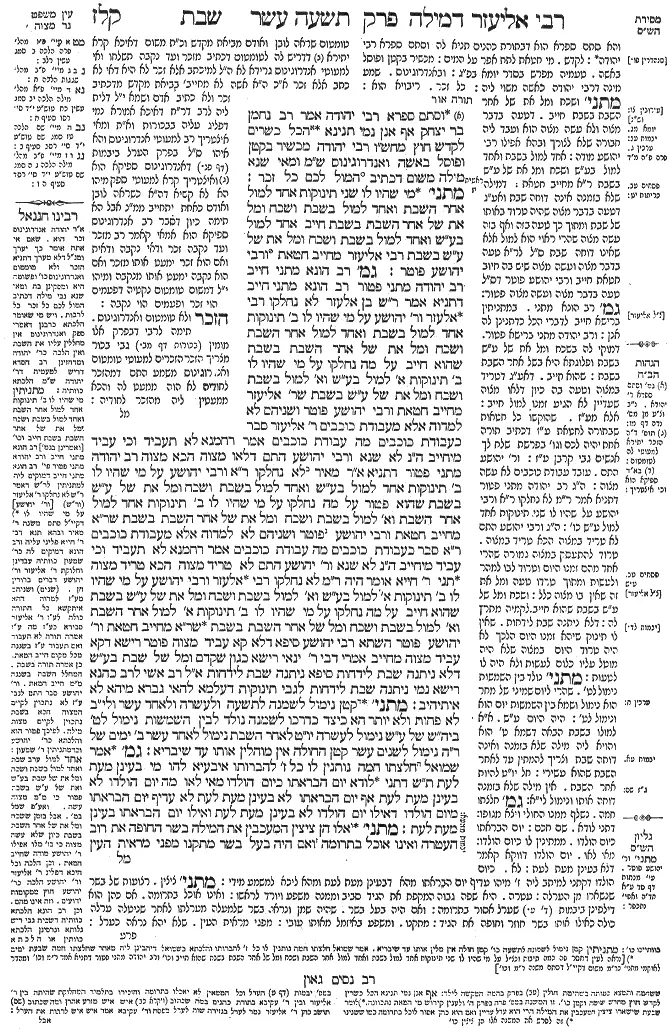
Shabbat 137a - Guemara
וסתם ספרא רבי יהודה אמר רב נחמן בר יצחק אף אנן נמי תנינא הכל כשרים לקדש חוץ מחש"ו רבי יהודה מכשיר בקטן ופוסל באשה ואנדרוגינוס ש"מ ומאי שנא מילה משום דכתיב (בראשית יז, י) המול לכם כל זכר:
מתני׳ מי שהיו לו שני תינוקות אחד למול אחר השבת ואחד למול בשבת ושכח ומל את של אחר השבת בשבת חייב אחד למול בע"ש ואחד למול בשבת ושכח ומל את של ע"ש בשבת רבי אליעזר מחייב חטאת ורבי יהושע פוטר:
גמ׳ רב הונא מתני חייב רב יהודה מתני פטור רב הונא מתני חייב דתניא אמר ר"ש בן אלעזר לא נחלקו רבי אלעזר ור' יהושע על מי שהיו לו ב' תינוקות אחד למול בשבת ואחד למול אחר השבת ושכח ומל את של אחר השבת בשבת שהוא חייב על מה נחלקו על מי שהיו לו ב' תינוקות א' למול בע"ש וא' למול בשבת ושכח ומל את של ע"ש בשבת שר' אליעזר מחייב חטאת ורבי יהושע פוטר ושניהם לא למדוה אלא מעבודת כוכבים ר' אליעזר סבר כעבודת כוכבים מה עבודת כוכבים אמר רחמנא לא תעביד וכי עביד מיחייב ה"נ לא שנא ורבי יהושע התם דלאו מצוה הכא מצוה רב יהודה מתני פטור דתניא א"ר מאיר לא נחלקו ר"א ורבי יהושע על מי שהיו לו ב' תינוקות אחד למול בע"ש ואחד למול בשבת ושכח ומל את של ע"ש בשבת שהוא פטור על מה נחלקו על מי שהיו לו ב' תינוקות אחד למול אחר השבת וא' למול בשבת ושכח ומל את של אחר השבת בשבת שר"א מחייב חטאת ורבי יהושע פוטר ושניהם לא למדוה אלא מעבודת כוכבים ר"א סבר כעבודת כוכבים מה עבודת כוכבים אמר רחמנא לא תעביד וכי עביד מיחייב ה"נ לא שנא ור' יהושע התם לא טריד מצוה הכא טריד מצוה תני ר' חייא אומר היה ר"מ לא נחלקו רבי אלעזר ורבי יהושע על מי שהיו לו ב' תינוקות א' למול בע"ש וא' למול בשבת ושכח ומל את של ע"ש בשבת שהוא חייב על מה נחלקו על מי שהיו לו ב' תינוקות א' למול אחר השבת וא' למול בשבת ושכח ומל של אחר השבת בשבת שר"א מחייב חטאת ור' יהושע פוטר השתא רבי יהושע סיפא דלא קא עביד מצוה פוטר רישא דקא עביד מצוה מחייב אמרי דבי ר' ינאי רישא כגון שקדם ומל של שבת בע"ש דלא ניתנה שבת לידחות סיפא ניתנה שבת לידחות א"ל רב אשי לרב כהנא רישא נמי ניתנה שבת לידחות לגבי תינוקות דעלמא להאי גברא מיהא לא איתיהיב:
מתני׳ קטן נימול לשמנה לתשעה ולעשרה ולאחד עשר ולי"ב לא פחות ולא יותר הא כיצד כדרכו לשמנה נולד לבין השמשות נימול לט' ביה"ש של ע"ש נימול לעשרה יו"ט לאחר השבת נימול לאחד עשר ב' ימים של ר"ה נימול לשנים עשר קטן החולה אין מוהלין אותו עד שיבריא:
גמ׳ אמר שמואל חלצתו חמה נותנין לו כל ז' להברותו איבעיא להו מי בעינן מעת לעת ת"ש דתני לודא יום הבראתו כיום הולדו מאי לאו מה יום הולדו לא בעינן מעת לעת אף יום הבראתו לא בעינן מעת לעת לא עדיף יום הבראתו מיום הולדו דאילו יום הולדו לא בעינן מעת לעת ואילו יום הבראתו בעינן מעת לעת:
מתני׳ אלו הן ציצין המעכבין את המילה בשר החופה את רוב העטרה ואינו אוכל בתרומה ואם היה בעל בשר מתקנו מפני מראית העין
Comments from Rashi on Masechet Shabbat Page 137a
והא סתם ספרא הוא . דבתורת כהנים תניא לה וסתם ספרא רבי יהודה: לקדש . מי חטאת לתת אפר על המים: מכשיר בקטן ופוסל באשה . טעמיה מפרש בסדר יומא בפ"ג: ובאנדרוגינוס . שמע מינה דרבי יהודה כאשה משוי ליה: כל זכר . ריבויא הוא: מתני' ושכח ומל את של אחר השבת בשבת חייב . דטעה בדבר מצוה ולא עשה מצוה הוא ועבד ליה חבורה שלא לצורך ובהא אפילו רבי יהושע מודה: אחד למול בשבת ואחד למול בע"ש ושכח ומל את של ע"ש בשבת ר"א מחייב חטאת . דמילה שלא בזמנה אינה דוחה שבת ואע"ג דטעה בדבר מצוה שהיה טרוד באותו של שבת ומתוך כך טעה בזה ואף בזה עשה מצוה שהרי ראוי הוא למול אלא שאינו דוחה שבת ס"ל לר"א טעה בדבר מצוה ועשה מצוה שיש בה חיוב חטאת חייב ורבי יהושע פוטר דס"ל טעה בדבר מצוה ועשה מצוה פטור: גמ' רב הונא מתני . במתניתין ברישא חייב לדברי הכל כדתנינן לה אנן: ורב יהודה מתני ברישא פטור . דמוקי לה בשכח ומל את של ע"ש בשבת ופלוגתא היא בשל אחר השבת בשבת: שהוא חייב . דאע"ג דטריד במצוה וטעה בה כיון דלאו מצוה שעדיין לא הגיע זמנו למול חייב: אלא מע"ז . שהוקשו כל חטאות שבתורה לחטאת ע"ז דכתיב תורה אחת יהיה לכם וגו' בפרשת שלח לך אנשים גבי קרבן ע"ז: ור' יהושע התם . עובד עבודת כוכבים לא עשה מצוה: ה"ג רב יהודה מתני פטור דתניא אמר ר"מ לא נחלקו ר"א ורבי יהושע על שהיו לו שני תינוקות אחד למול ע"ש כו': ה"ג ורבי יהושע התם לא טריד במצוה הכא טריד במצוה . טרוד להתעסק במצוה גמורה שהרי אחד מהם זמנו היום וטרוד לבו למהר ולעשות ומתוך טרדו טעה ומל את זה שאין בו מצוה כלל: ושכח ומל של ע"ש בשבת שהוא חייב . לקמיה מתרץ לה: דלא ניתנה שבת לידחות . שאין לו תינוק שיהא זמנו היום הלכך לא היה טרוד היום במצוה שלא היה מוטל עליו כלום לעשות ולא היה לו לטעות: מתני' נולד בין השמשות נימול לט' . שהרי ליום שמיני של מחר הוא נימול ושמא בין השמשות יום הוא ונימול לט': היה היום ע"ש . א"א למולו בשבת הבאה דשמא ט' הוא והויא ליה מילה שלא בזמנה ואינה דוחה שבת וצריך להמתין עד לאחר השבת שהוא עשירי: חל יו"ט להיות אחר השבת . אין מילה שלא בזמנה דוחה אותו ונימול לי"א: גמ' חלצתו חמה . נשלף ממנו החולי ויצא מגופו: דתני לודא . שם חכם: יום הבראתו כיום הולדו . ממתינין לו כיום הולדו: מאי לאו . יום הולדו דווקא קאמר דלא בעינן מעת לעת: לא . כיום הולדו דקתני למיתב ליה ז' מיהו עדיף יום הבראתו מהא דבעינן מעת לעת ומהא ליכא למשמע מידי: מתני' ציצין . רצועות של בשר שנשארו מן הערלה: עטרה . היא שפה גבוה המקפת את הגיד סביב וממנה משפע ויורד לראשו: ואינו אוכל בתרומה . אם כהן הוא דילפינן ביבמות (ד' ע.) שערל אסור בתרומה: ואם היה בעל בשר . שהיה שמן ונראה בשר שלמעלה מערלתו לאחר שניטלה ערלה כולה כאילו אותו בשר חוזר וחופה את הגיד: מתקנו . ומשפע באיזמל מאותו עובי: מפני מראית העין . שלא יהא נראה כערל:
Comments from Tosafot - Shabbat 137a
הזכר ולא טומטום ואנדרוגינוס . תימה לרבי דבפרק אלו מומין (בכורות דף מב.) גבי בכור מצריך הזכר הזכרים למעוטי טומטום ואנדרוגינוס משמע התם דמהזכר לחודיה לא הוה ממעט לה והכא ממעטין ליה מהזכר לחודיה:
Shabbat 137a - Mishnah translated into english
And an unattributed halakha cited in the Sifra generally reflects the opinion of Rabbi Yehuda.
Rav Naḥman bar Yitzḥak said: We too also learned in a mishna that Rabbi Yehuda does not consider a hermaphrodite to be a male in every sense. The Sages disagreed over sanctification of the waters of a purification offering, i.e., the placing of the ashes of the red heifer in potable, running spring water: Everyone is fit to sanctify the waters of a purification offering, except for a deaf-mute, an imbecile, and a minor. Rabbi Yehuda deems a minor fit, but deems a woman and a hermaphrodite unfit. Apparently, Rabbi Yehuda does not consider the legal status of a hermaphrodite to be like that of a male. The Gemara concludes: Conclude from this.
The Gemara asks: What is different about the halakhot of circumcision, with regard to which Rabbi Yehuda categorizes a hermaphrodite as a male in regard to its laws? The Gemara answers that it is due to the fact that it is written: “This is My covenant which you shall keep, between Me and you and your seed after you: Circumcise for yourselves every male” (Genesis 17:10), and he interprets the phrase “every male” as an amplification including anyone who could possibly be included in the category of a male.
MISHNA: One who had two babies to circumcise, one of whom he needed to circumcise on the day after Shabbat, and one of whom he needed to circumcise on Shabbat, and he forgot and circumcised the one that should have been circumcised after Shabbat on Shabbat, he is liable to bring a sin-offering, because he performed the prohibited labor of causing a wound not in the framework of performing a mitzva, as no obligation yet exists to circumcise the child.
If there were two babies, one to circumcise on Shabbat eve, and one to circumcise on Shabbat, and he forgot and circumcised the one that he should have circumcised on Shabbat eve on Shabbat, Rabbi Eliezer deems him liable to bring a sin-offering, as circumcision after its appointed time does not override Shabbat. And Rabbi Yehoshua exempts him; since he intended to perform a mitzva, and despite his error in fact performed a mitzva, he is exempt from bringing a sin-offering.
GEMARA: There is a dispute among the amora’im with regard to the correct version of our mishna, based on an early dispute of the tanna’im: Rav Huna teaches the first clause of the mishna as stating: Liable, whereas Rav Yehuda teaches the first clause as stating: Exempt.
The Gemara explains: Rav Huna taught the first clause as stating: Liable, based on that which was taught in a baraita that Rabbi Shimon ben Elazar said: Rabbi Eliezer and Rabbi Yehoshua did not disagree with regard to one who had two babies, one to circumcise on Shabbat and one to circumcise after Shabbat, and he forgot and circumcised the one who should have been circumcised after Shabbat on Shabbat; in that case, everyone agrees that he is liable to bring a sin-offering.
With regard to what did they disagree? With regard to one who had two babies, one to circumcise on Shabbat eve and one to circumcise on Shabbat, and he forgot and circumcised the one who should have been circumcised on Shabbat eve on Shabbat, as Rabbi Eliezer renders him liable to bring a sin-offering for this unwitting transgression, and Rabbi Yehoshua exempts him.
And both of them only derived it from idolatry, where the Torah details the halakhot of bringing a sin-offering for an unwitting transgression. Rabbi Eliezer holds: The law of every unwitting transgression is like that of idolatry. Just as with regard to idolatry the Torah stated: Do not perform certain activities, and when one performs them unwittingly, he is liable to bring a sin-offering, here too it is no different, and since he transgressed the prohibition, he is liable to bring a sin-offering.
And Rabbi Yehoshua holds: There, where the unwitting transgression was not performed in order to fulfill a mitzva, one is liable to bring a sin-offering. Here, his intention was to perform a mitzva, and one who unwittingly violates a prohibition in the course of attempting to fulfill a mitzva is exempt from bringing a sin-offering. This is according to the opinion of Rav Huna, based on the opinion of Rabbi Shimon ben Elazar.
Rav Yehuda taught the first clause as stating: Exempt, based on that which was taught in a baraita that Rabbi Meir said: Rabbi Eliezer and Rabbi Yehoshua did not disagree over one who had two babies to circumcise, one to circumcise on Shabbat eve and one to circumcise on Shabbat, and he forgot and circumcised the one who should have been circumcised on Shabbat eve on Shabbat; in that case, everyone agrees that he is exempt from bringing a sin-offering, as that circumcision fulfilled a mitzva.
With regard to what did they disagree? With regard to one who had two babies, one to circumcise after Shabbat and one to circumcise on Shabbat, and he forgot and circumcised the one who should have been circumcised after Shabbat on Shabbat, as Rabbi Eliezer deems him liable to bring a sin-offering, and Rabbi Yehoshua exempts him.
And the Gemara notes here too that both of them only derived it from idolatry. Rabbi Eliezer holds: The halakha of every unwitting transgression sin is like that of idolatry: Just as with regard to idolatry the Torah stated: Do not perform certain activities, and when one performs them unwittingly he is liable to bring a sin-offering, here too it is no different, and since he violated the prohibition, he is liable to bring a sin-offering.
And Rabbi Yehoshua holds: There, with regard to idolatry, one is liable to bring a sin-offering when he performs the transgression, because he is not preoccupied with the performance of a mitzva. Here, he is preoccupied with the performance of a mitzva, and anyone who unwittingly transgresses a prohibition while preoccupied with a mitzva is exempt from bringing a sin-offering.
Rabbi Ḥiyya taught another version of the same dispute between the tanna’im: Rabbi Meir would say that Rabbi Eliezer and Rabbi Yehoshua did not disagree over one who had two babies, one to circumcise on Shabbat eve and one to circumcise on Shabbat, and he forgot and circumcised the one who should have been circumcised on Shabbat eve on Shabbat; in that case, everyone agrees that he is liable to bring a sin-offering.
With regard to what did they disagree? With regard to one who had two babies to circumcise, one to circumcise after Shabbat and one to circumcise on Shabbat, and he forgot and circumcised the one who should have been circumcised after Shabbat on Shabbat, Rabbi Eliezer deems him liable to bring a sin-offering, and Rabbi Yehoshua exempts him.
The Gemara expresses surprise at this last version: Now, after all, in the latter clause, where he did not perform a mitzva, Rabbi Yehoshua exempts him; in the first clause, where he performed a mitzva, does Rabbi Yehoshua deem him liable?
In the school of Rabbi Yannai they say: The first clause of the baraita is referring to a unique situation, where the circumcisor first unwittingly circumcised the baby who should have been circumcised on Shabbat on Shabbat eve. In that case, Shabbat is not given to be overridden at all, since the baby who was supposed to be circumcised on Shabbat was already circumcised. In the latter clause, however, the circumcision was performed in a situation where Shabbat is given to be overridden.
Rav Ashi said to Rav Kahana that this explanation is difficult: In the first clause too, Shabbat is given to be overridden with regard to babies in general, as it is permitted to circumcise a baby whose eighth day occurs on Shabbat. He replied: That is indeed so; however, with regard to this person, Shabbat is not given to be overridden, as there is no longer any child who is supposed to be circumcised on Shabbat. Therefore, if he unwittingly performed a circumcision on Shabbat, he is not considered to have unwittingly performed a transgression while preoccupied with the performance of a mitzva.
MISHNA: Although a child is generally circumcised at eight days, as the verse states: “And on the eighth day, the flesh of his foreskin shall be circumcised” (Leviticus 12:3), nevertheless, at times he is circumcised at nine days, at times at ten days, at eleven days, and at twelve days, no earlier and no later.
How so? In his usual manner, a child is circumcised at eight days. If he was born at twilight and it is therefore uncertain on which day he was born, he is circumcised at nine days, as his circumcision is postponed due to that uncertainty, as perhaps the eighth day from his birth has not yet arrived. If he was born at twilight on Shabbat eve, he is not circumcised on the following Shabbat, due to the uncertainty whether it is the eighth or ninth day since his birth, and only a circumcision definitely performed at the appointed time overrides Shabbat. Rather, he is circumcised on Sunday, and the result is that he is circumcised at ten days.
If there was a Festival after that Shabbat, he is not circumcised on the Festival either, and he is circumcised at eleven days. And if that Shabbat was followed by two days of Rosh HaShana, the result is that he is circumcised at twelve days.
The mishna states another halakha: With regard to a sick child, one does not circumcise him until he becomes healthy.
GEMARA: We learned in the mishna that one does not circumcise a sick baby until he becomes healthy. Shmuel said: A baby that was sick and had a high fever, and subsequently the fever left him, one gives him a full seven days to heal before circumcising him.
With regard to this issue, a dilemma was raised before the Sages: Do we require, during the recovery period, to wait from the time the seven days begin to the exact same time seven days later, i.e., seven complete, twenty-four-hour periods, or is it enough to wait seven days without taking into account the time of day?
The Gemara suggests: Come and hear a solution to this from that which the Sage Luda taught: The day of his healing is like the day of his birth. What, is it not that just as from the day of his birth we need not wait from the time he is born to the same time on the eighth day to circumcise him, so too, with regard to the day of his healing, we need not wait from the time he heals to the same time seven days later?
The Gemara refutes this: No, the day of his healing is superior to the day of his birth. While from the day of his birth until circumcision we need not wait from time to time, from the day of his healing we need to wait seven complete days from time to time.
MISHNA: These are the shreds of flesh that invalidate the circumcision if they are not cut. The essential element of circumcision is the removal of the flesh that covers most of the corona, and a child that was not circumcised in this manner is considered uncircumcised, and he does not eat teruma.
And if he was properly circumcised but he was fleshy, and it appears as though he has not been properly circumcised, the circumcisor should correct it by circumcising more than necessary, to avoid the appearance of transgression, so he will not appear uncircumcised.
Traduction : The William Davidson digital edition of the Koren Noé Talmud, with commentary by Rabbi Adin Even-Israel Steinsaltz.