 Talmud Bavli
Shabbat 116a : Youtube
Daf TubeYoutube
2 video classes :
Shabbat Page 116a
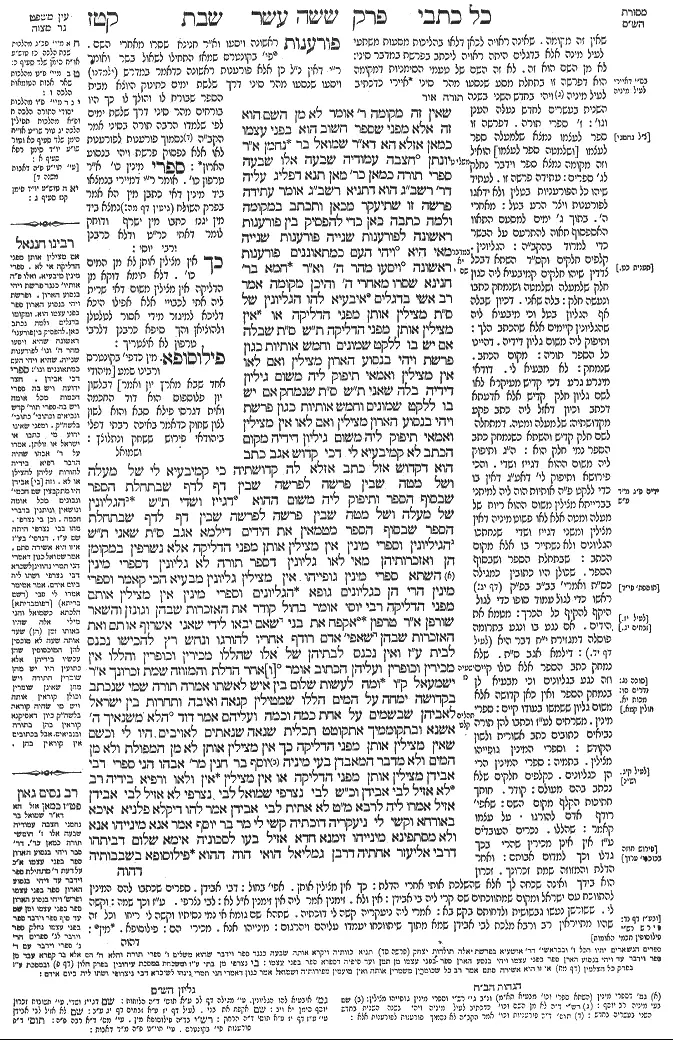
Shabbat 116a - Guemara
שאין זה מקומה ר' אומר לא מן השם הוא זה אלא מפני שספר חשוב הוא בפני עצמו כמאן אזלא הא דא"ר שמואל בר נחמן א"ר יונתן (משלי ט, א) חצבה עמודיה שבעה אלו שבעה ספרי תורה כמאן כר' מאן תנא דפליג עליה דר' רשב"ג הוא דתניא רשב"ג אומר עתידה פרשה זו שתיעקר מכאן ותכתב במקומה ולמה כתבה כאן כדי להפסיק בין פורענות ראשונה לפורענות שנייה פורענות שנייה מאי היא (במדבר יא, א) ויהי העם כמתאוננים פורענות ראשונה (במדבר י, לג) ויסעו מהר ה' וא"ר חמא בר' חנינא שסרו מאחרי ה' והיכן מקומה אמר רב אשי בדגלים איבעיא להו הגליונין של ס"ת מצילין אותן מפני הדליקה או אין מצילין אותן מפני הדליקה ת"ש ס"ת שבלה אם יש בו ללקט שמונים וחמש אותיות כגון פרשת ויהי בנסוע הארון מצילין ואם לאו אין מצילין ואמאי תיפוק ליה משום גיליון דידיה בלה שאני ת"ש ס"ת שנמחק אם יש בו ללקט שמונים וחמש אותיות כגון פרשת ויהי בנסוע הארון מצילין ואם לאו אין מצילין ואמאי תיפוק ליה משום גיליון דידיה מקום הכתב לא קמיבעיא לי דכי קדוש אגב כתב הוא דקדוש אזל כתב אזלא לה קדושתיה כי קמיבעיא לי של מעלה ושל מטה שבין פרשה לפרשה שבין דף לדף שבתחלת הספר שבסוף הספר ותיפוק ליה משום ההוא דגייז ושדי ת"ש הגליונין של מעלה ושל מטה שבין פרשה לפרשה שבין דף לדף שבתחלת הספר שבסוף הספר מטמאין את הידים דילמא אגב ס"ת שאני ת"ש הגיליונין וספרי מינין אין מצילין אותן מפני הדליקה אלא נשרפין במקומן הן ואזכרותיהן מאי לאו גליונין דספר תורה לא גליונין דספרי מינין השתא ספרי מינין גופייהו אין מצילין גליונין מבעיא הכי קאמר וספרי מינין הרי הן כגליונים גופא הגליונים וספרי מינין אין מצילין אותם מפני הדליקה רבי יוסי אומר בחול קודר את האזכרות שבהן וגונזן והשאר שורפן א"ר טרפון אקפח את בני שאם יבאו לידי שאני אשרוף אותם ואת האזכרות שבהן שאפי' אדם רודף אחריו להורגו ונחש רץ להכישו נכנס לבית ע"ז ואין נכנס לבתיהן של אלו שהללו מכירין וכופרין והללו אין מכירין וכופרין ועליהן הכתוב אומר (ישעיהו נז, ח) [ו] אחר הדלת והמזוזה שמת זכרונך א"ר ישמעאל ק"ו ומה לעשות שלום בין איש לאשתו אמרה תורה שמי שנכתב בקדושה ימחה על המים הללו שמטילין קנאה ואיבה ותחרות בין ישראל לאביהן שבשמים על אחת כמה וכמה ועליהם אמר דוד (תהלים קלט, כא) הלא משנאיך ה' אשנא ובתקוממיך אתקוטט תכלית שנאה שנאתים לאויבים היו לי וכשם שאין מצילין אותן מפני הדליקה כך אין מצילין אותן לא מן המפולת ולא מן המים ולא מדבר המאבדן בעי מיניה יוסף בר חנין מר' אבהו הני ספרי דבי אבידן מצילין אותן מפני הדליקה או אין מצילין אין ולאו ורפיא בידיה רב לא אזיל לבי אבידן וכ"ש לבי נצרפי שמואל לבי נצרפי לא אזיל לבי אבידן אזיל אמרו ליה לרבא מ"ט לא אתית לבי אבידן אמר להו דיקלא פלניא איכא באורחא וקשי לי ניעקריה דוכתיה קשי לי מר בר יוסף אמר אנא מינייהו אנא ולא מסתפינא מינייהו זימנא חדא אזיל בעו לסכוניה [הוספה מחסרונות הש"ס:
רבי מאיר הוה קרי ליה און גליון רבי יוחנן הוה קרי ליה עון גליון.] אימא שלום דביתהו דרבי אליעזר אחתיה דרבן גמליאל הואי הוה ההוא פילוסופא בשבבותיה
Comments from Rashi on Masechet Shabbat Page 116a
שאין זה מקומה . שאינה ראויה לכאן דלאו בהליכות מסעות משתעי לעיל מינה אלא בדגלים היתה ראויה ליכתב בפרשת במדבר סיני: לא מן השם הוא זה . לא זה השם של טעמי הסימניות דמקומה הוא דפרשה זו בתחלת מסע שנסעו מהר סיני איירי כדכתיב לעיל מיניה ויהי בחדש השני בשנה השנית בעשרים לחדש נעלה הענן וגו': ז' ספרי תורה . דפרשה זו ספר לעצמו נמצא שלמעלה ספר לעצמו [ושלמטה ספר לעצמו] הואיל וזה מקומה נמצא ספר וידבר נחלק לג' ספרים: עתידה פרשה זו . לעתיד שיהו כל הפורעניות בטלין ולא ידאגו לפורענות ויצר הרע בטל: מאחרי ה' . בתוך ג' ימים למסעם התאוו האספסוף תאוה להתרעם על הבשר כדי למרוד בהקב"ה: הגליונין . קלפים חלקים וקס"ד השתא דבכל צדדין שיהו חלקים קמיבעיא ליה כגון חלק שלמעלה ושלמטה ושנמחק כתבו ונעשה חלק: בלה שאני . דכיון שבלה אף הגליון בטל וכי מיבעיא ליה שהגליונין קיימים אלא שהכתב הלך: ותיפוק ליה משום גליון דידיה . דהיינו כל הספר תורה: מקום הכתב . שנמחק: לא מבעיא לי . דודאי מיגרע גרע דכי קדיש מעיקרא לאו לשם גליון חלק קדיש אלא אדעתא דכתב וכיון דאזל ליה כתב פקע מקדושתיה: של מעלה ומטה . דמתחלה לשם חלק קדיש והשתא כשנמחק כתב הספר נמי חלק הוא: שבתחלת הספר ושבסוף הספר . שכולן היו כתובין כמגילה כס"ת ואמרי' בב"ב בפ"ק (דף יג:) ראשו כדי לגול עמוד סופו כדי לגול היקף להקיף כל הכרך: ה"ג ותיפוק ליה משום ההוא דגייז ושדי . והכי פירושא ותיפוק לי' דאע"ג דאין בו כדי ללקט פ"ה אותיות הוה ליה למיתני בברייתא מצילין משום ההוא ריוח של מעלה ומטה אלא לאו פשוט מיניה דאין מצילין ומשני דגייז ושדי שנחתכו הגליונים ולא נשתייר בו אלא מקום הכתב: מטמא את הידים . אם נגע בו ונגע בתרומה פוסלה דמגזירת י"ח דבר היא (לעיל שבת דף יד.): דילמא אגב ס"ת . שלא נמחק כתב הספר אלא כולו קיים וזה נגע בגליונים וכי מבעיא לן בנמחק הספר ואין כאן קדושה אלא משום גליון ששמשו בעודו קיים: ספרי מינין . משרתים לע"ז וכתבו להן תורה נביאים כתובים כתב אשורית ולשון הקודש: וספרי המינין גופייהו מצילין . בתמיה: ספרי המינין הרי הן כגליונים . כקלפים חלקים שלא נכתב בהם מעולם: קודר . חותך חתיכות הקלף מקום השם: שאפי' רודף אדם להורגו . על עצמו קאמר: שהללו . נכרים העובדים ע"ז אינן מכירין שהרי בכך גדלו וכך למדום אבותם: ואחר הדלת והמזוזה שמת זכרונך . זכרון הוא בידך ואינה שכחה לך אלא שהשלכת אותי אחרי הדלת: כך אין מצילין אותן . אפי' בחול: דבי אבידן . ספרים שכתבו להם המינין להתווכח עם ישראל ומקום שמתווכחים שם קרי ליה בי אבידן: אין ולא . זימנין אמר ליה אין זימנין א"ל לא: לבי נצרפי . ע"ז וכך שמה: וקשה לי . ששורשן נעשו גבשושית ולדחותם בקש בא: אמרי ליה ניעקריה קשה לי דוכתיה . שתהא שם גומא אי נמי נסיתיו וקשה לי ריחו וכל זה שהיו מתייראין רב ורבא מלכת לבי אבידן שמא מתוך שיתווכחו יעמדו עליהם ויהרגום: מינייהו אנא . מכירי הם: פילוסופא . מין:
Comments from Tosafot - Shabbat 116a
פורענות ראשונה ויסעו וא"ר חנינא שסרו מאחרי השם . פי' בקונטרס שמאז התחילו לשאול בשר ואומר ר"י דאין נ"ל כן אלא פורענות ראשונה כדאמר במדרש (ילמדנו) ויסעו שנסעו מהר סיני דרך שלשת ימים כתינוק היוצא מבית הספר שבורח לו והולך לו כך היו בורחים מהר סיני דרך שלשת ימים לפי שלמדו הרבה תורה בסיני אמר הקב"ה נסמוך פורענות לפורענות לאו אלא נפסוק פרשת ויהי בנסוע הארון: ספרי מינין כו' א"ר טרפון כו' . אומר ר"י דמיירי בנמצאו ביד מינין דאי כתבן מין הא אמר בפרק השולח (גיטין דף מה:) נמצא ביד מין יגנז כתבו מין ישרף ודוחק לומר דאתי כר"ט ודלא כרבנן ורבי יוסי: כך אין מצילין אותן לא מן המים כו' . דלא תימא דוקא מן הדליקה אין מצילין משום דאי שרית ליה אתי לכבויי אלא אפילו היכא דליכא למיגזר מידי אסור לטלטלן ולהוציאן והך סיפא כרבנן דלרבי טרפון לא איצטריך: פילוסופא . מין כדפי' בקונטרס ורבינו שמע [מיהודי אחד שבא מארץ יון ואמר] דבלשון יון פלוספוס הוא דוד החכמה ואית דגרסי פילא סבא והוא לשון לצון שחוק כדאמר באיכה רבתי דפלי ביהודאי פירוש ששחק ונתלוצץ:
Shabbat 116a - Mishnah translated into english
that this is not its place, as the previous portion does not discuss the nation’s travels. Rabbi Yehuda HaNasi says: It is not for that reason that signs were inserted. Rather, the signs are there because this portion is considered a book unto itself.
The Gemara asks: According to whose opinion is that which Rabbi Shmuel bar Naḥman said that Rabbi Yonatan said, that with regard to the verse: “With wisdom she built her house, she carved its seven pillars” (Proverbs 9:1), these are the seven books of the Torah? According to whose opinion? It is according to the opinion of Rabbi Yehuda HaNasi, as by his count there are seven books of the Torah: Genesis; Exodus; Leviticus; Numbers until: “And when the Ark traveled”; the portion: “And when the Ark traveled,” which is considered its own book; the remainder of Numbers; and Deuteronomy.
Who is the tanna who disagrees with Rabbi Yehuda HaNasi? It is Rabban Shimon ben Gamliel. As it was taught in a baraita that Rabban Shimon ben Gamliel says: In the future, this portion will be uprooted from here, where it appears, and will be written in its proper place. And why was it written here, even though it discusses the travels of the children of Israel, and the portion before it does not? It is in order to demarcate between the first punishment and the second punishment. What is the second punishment that appears immediately afterward? It is the verse: “And the people complained wickedly in God’s ears, and God heard and became angry, and the fire of God burned in them and it consumed the edge of the camp” (Numbers 11:1). What is the first punishment? It is the verse: “And they traveled from the mountain of God [mehar Hashem] for three days” (Numbers 10:33), and Rabbi Ḥama, son of Rabbi Ḥanina, said: That they turned from after God [me’aḥarei Hashem] and hurriedly fled Mount Sinai. The Gemara asks: And if so, where is the proper place for this paragraph? Rav Ashi said: In the portion of the flags, where there is a description of the manner in which the Jewish people traveled through the desert.
A dilemma was raised before the Sages: With regard to the blank folios of parchment of a Torah scroll, does one rescue them from the fire on Shabbat, or does one not rescue them from the fire? Come and hear a resolution to this from that which we learned: With regard to a Torah scroll that is worn, if there is enough in it to compile eighty-five complete letters as in the portion of: “And when the Ark traveled,” one rescues it from the fire, and if not one does not rescue it. If even the blank folios are rescued, why would one not rescue a Torah scroll with fewer than the requisite number of letters? Derive that this scroll may be rescued due to its blank folios. The Gemara answers: A Torah scroll that is worn is different, because at that point its sanctity is negated, and its blank folios are not sacred. Therefore, one may rescue the scroll only if it contains eighty-five letters.
Come and hear a different resolution from that which was taught in another baraita: With regard to a Torah scroll that was erased, if there is enough in it to compile eighty-five complete letters as in the portion of: “And when the Ark traveled,” one rescues it from the fire, and if not, one does not rescue it. And why is that so? Derive that this scroll may be rescued due to its blank folios, as the erased section is surely no less significant than the blank folios of the scroll. The Gemara answers: That is not so. In a case where the place of the writing is erased it is not a dilemma for me, as it is sacred due to the writing. If the writing is gone, its sanctity is gone. When it is a dilemma for me is with regard to the blank portions that are above and below, that are between one section and another section, that are between one page and another page, that are at the beginning of the scroll, and that are at the end of the scroll. The Gemara asks again: Derive that this scroll may be rescued due to that area that is blank, whose sanctity remains. The Gemara replies: There, it is referring to a case where the blank area was cut and thrown out, and all that remains is the place of the writing.
Come and hear a different resolution from what we learned in a mishna: The Sages decreed that the blank folios that are above and below, that are between one section and another section, that are between one page and another page, that are at the beginning of the scroll, and that are at the end of the scroll render the hands that touch them ritually impure. Apparently, the blank folios have the sanctity of a Torah scroll. The Gemara replies: That is not a proof, as perhaps when it is part of the Torah scroll, it is different, and in those circumstances the sanctity of the Torah extends to the blank portions. When they stand alone they have no sanctity.
Therefore, come and hear a different resolution from that which was taught in another baraita: With regard to the blank folios and the Torah scrolls of heretics, one does not rescue them from the fire; rather, they burn in their place, they and the names of God contained therein. What, is this not referring to the blank folios of a Torah scroll? The Gemara rejects this: No, it is referring to the blank folios of the scrolls of heretics. The Gemara is surprised at this: Now, with regard to the scrolls of heretics themselves, one does not rescue them; is it necessary to say that one does not rescue their blank folios? Rather, this is what it is saying: And the scrolls of heretics are like blank folios.
Apropos the scrolls of heretics, the Gemara analyzes the matter itself. With regard to the blank folios and the Torah scrolls of the heretics, one does not rescue them from the fire. Rabbi Yosei says: During the week, one cuts the names of God contained therein and buries them, and burns the rest. Rabbi Tarfon said in the form of an oath: I will bury my sons if I fail to do the following, that if these books come into my possession I will burn them and the names contained therein. As even if a person is pursuing him with the intent to kill him, and a snake is hurrying to bite him, one enters a house of idolatry and does not enter the houses of these heretics. The reason is that these heretics are aware of the greatness of the Creator manifest in the Torah and its mitzvot, and nevertheless, they deny the existence of God; whereas these idolators are not aware, and that is the reason that they deny the existence of God. And with regard to the heretics, the verse says: “And behind the door and the doorpost you place your memory” (Isaiah 57:8). Although they remember the word of God, they treat it contemptuously, as if casting it behind the door.
Rabbi Yishmael said: The fact that the names of God in the scrolls of heretics may be burned can be derived through an a fortiori inference: Just as to make peace between a husband and his wife, the Torah says: My name that was written in sanctity shall be erased in the water in the framework of the ordeal of the sota; these, the heretics, who impose jealousy, and hatred, and conflict between the Jewish people and their Father in Heaven, all the more so it is proper to erase God’s names because of them. And with regard to heretics, David said: “For I hate those who hate You, God, and I fight those who rise against You. I hate them with the utmost hatred, they have become enemies to me” (Psalms 139:21–22). And just as they, the scrolls of heretics, are not rescued from the fire, neither are they rescued from a rockslide, nor from water, nor from any other matter that destroys them.
Yosef bar Ḥanin raised a dilemma before Rabbi Abbahu: With regard to these books of the house of Abidan, does one rescue them from the fire or does one not rescue them? There were sacred Jewish texts in that house, which were used in debates and discussions on matters of faith. Rabbi Abbahu did not give him a clear answer but said yes and no, and the matter was uncertain to him. Rav would not go to the house of Abidan for conversation, and all the more so he would not go to the house of Nitzrefei, the Persian fire-temple. Shmuel, to the house of Nitzrefei he did not go, but to the house of Abidan he did go. The gentile scholars said to Rava: Why did you not come to the house of Abidan? He evaded their question with an excuse and said to them: There is a certain palm tree on the road, and that makes the path difficult for me. They said to him: We will uproot it. He said to them: Nevertheless, the resulting pit in its place will be difficult for me. Mar bar Yosef said: I am one of them, we are friends, and I do not fear them. Still, one time he went and argued with them and they sought to endanger his life. Rabbi Meir would call the Christian writing, the Evangelion, the wicked folio [aven gilyon]; Rabbi Yoḥanan called it the sinful folio [avon gilyon].
The Gemara relates: Imma Shalom, the wife of Rabbi Eliezer, was Rabban Gamliel’s sister. There was a Christian philosopher [pilosofa] in their neighborhood
Traduction : The William Davidson digital edition of the Koren Noé Talmud, with commentary by Rabbi Adin Even-Israel Steinsaltz.