 Talmud Bavli
Shabbat 152a : Youtube
Daf TubeYoutube
2 video classes :
Shabbat Page 152a
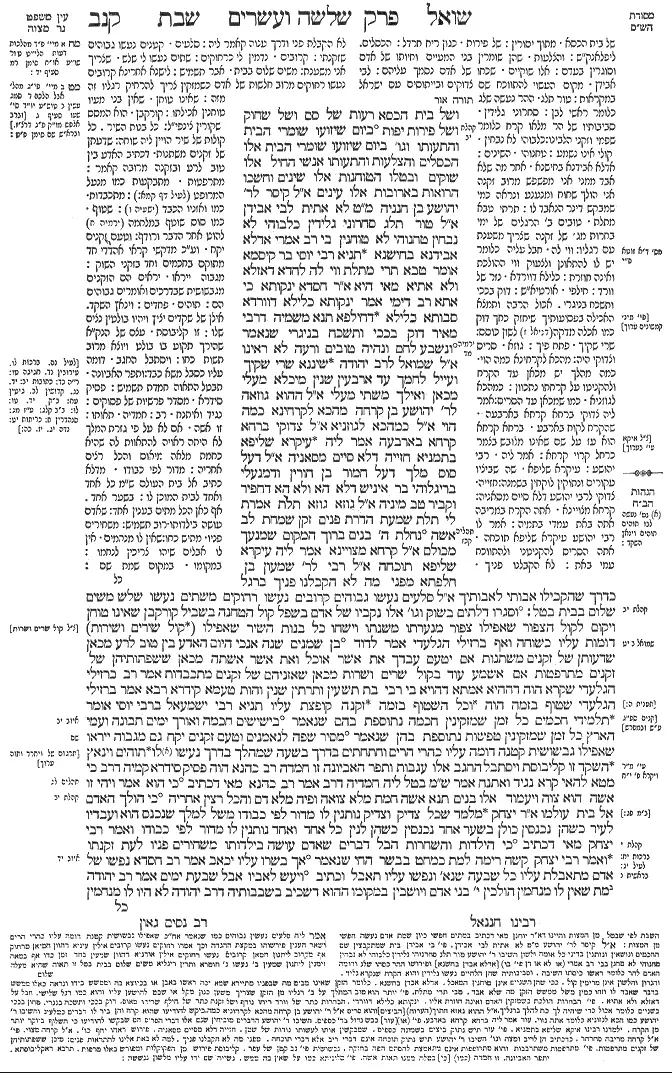
Shabbat 152a - Guemara
ושל בית הכסא רעות של סם ושל שחוק ושל פירות יפות (קהלת יב, ג) ביום שיזועו שומרי הבית והתעותו וגו' ביום שיזועו שומרי הבית אלו הכסלים והצלעות והתעותו אנשי החיל אלו שוקים ובטלו הטוחנות אלו שינים וחשכו הרואות בארובות אלו עינים א"ל קיסר לר' יהושע בן חנניה מ"ט לא אתית לבי אבידן א"ל טור תלג סחרוני גלידין כלבוהי לא נבחין טחנוהי לא טוחנין בי רב אמרי אדלא אבידנא בחישנא תניא רבי יוסי בר קיסמא אומר טבא תרי מתלת ווי לה לחדא דאזלא ולא אתיא מאי היא א"ר חסדא ינקותא כי אתא רב דימי אמר ינקותא כלילא דוורדא סבותא כלילא דחילפא תנא משמיה דרבי מאיר דוק בככי ותשכח בניגרי שנאמר (ירמיהו מד, יז) ונשבע לחם ונהיה טובים ורעה לא ראינו א"ל שמואל לרב יהודה שיננא שרי שקיך ועייל לחמך עד ארבעין שנין מיכלא מעלי מכאן ואילך משתי מעלי א"ל ההוא גוזאה לר' יהושע בן קרחה מהכא לקרחינא כמה הוי א"ל כמהכא לגוזניא א"ל צדוקי ברחא קרחא בארבעה אמר ליה עיקרא שליפא בתמניא חזייה דלא סיים מסאניה א"ל דעל סוס מלך דעל חמור בן חורין ודמנעלי בריגלוהי בר איניש דלא הא ולא הא דחפיר וקביר טב מיניה א"ל גוזא גוזא תלת אמרת לי תלת שמעת הדרת פנים זקן שמחת לב אשה (תהלים קכז, ג) נחלת ה' בנים ברוך המקום שמנעך מכולם א"ל קרחא מצויינא אמר ליה עיקרא שליפא תוכחה א"ל רבי לר' שמעון בן חלפתא מפני מה לא הקבלנו פניך ברגל כדרך שהקבילו אבותי לאבותיך א"ל סלעים נעשו גבוהים קרובים נעשו רחוקים משתים נעשו שלש משים שלום בבית בטל:
(קהלת יב, ד) וסגרו דלתים בשוק וגו' אלו נקביו של אדם בשפל קול הטחנה בשביל קורקבן שאינו טוחן ויקום לקול הצפור שאפילו צפור מנערתו משנתו וישחו כל בנות השיר שאפילו (קול שירים ושירות) דומות עליו כשוחה ואף ברזילי הגלעדי אמר לדוד (שמואל ב יט, לו) בן שמנים שנה אנכי היום האדע בין טוב לרע מכאן שדעותן של זקנים משתנות אם יטעם עבדך את אשר אוכל ואת אשר אשתה מכאן ששפתותיהן של זקנים מתרפטות אם אשמע עוד בקול שרים ושרות מכאן שאזניהם של זקנים מתכבדות אמר רב ברזילי הגלעדי שקרא הוה דההיא אמתא דהויא בי רבי בת תשעין ותרתין שנין והות טעמא קידרא רבא אמר ברזילי הגלעדי שטוף בזמה הוה וכל השטוף בזמה זקנה קופצת עליו תניא רבי ישמעאל ברבי יוסי אומר תלמידי חכמים כל זמן שמזקינין חכמה נתוספת בהם שנאמר (איוב יב, יב) בישישים חכמה ואורך ימים תבונה ועמי הארץ כל זמן שמזקינין טפשות נתוספת בהן שנאמר (איוב יב, כ) מסיר שפה לנאמנים וטעם זקנים יקח גם מגבוה ייראו שאפילו גבשושית קטנה דומה עליו כהרי הרים וחתחתים בדרך בשעה שמהלך בדרך נעשו לו תוהים וינאץ השקד זו קליבוסת ויסתבל החגב אלו עגבות ותפר האביונה זו חמדה רב כהנא הוה פסיק סידרא קמיה דרב כי מטא להאי קרא נגיד ואתנח אמר ש"מ בטל ליה חמדיה דרב אמר רב כהנא מאי דכתיב (תהלים לג, ט) כי הוא אמר ויהי זו אשה הוא צוה ויעמוד אלו בנים תנא אשה חמת מלא צואה ופיה מלא דם והכל רצין אחריה (קהלת יב, ה) כי הולך האדם אל בית עולמו א"ר יצחק מלמד שכל צדיק וצדיק נותנין לו מדור לפי כבודו משל למלך שנכנס הוא ועבדיו לעיר כשהן נכנסין כולן בשער אחד נכנסין כשהן לנין כל אחד ואחד נותנין לו מדור לפי כבודו ואמר רבי יצחק מאי דכתיב (קהלת יא, י) כי הילדות והשחרות הבל דברים שאדם עושה בילדותו משחירים פניו לעת זקנתו ואמר רבי יצחק קשה רימה למת כמחט בבשר החי שנאמר (איוב יד, כב) אך בשרו עליו יכאב אמר רב חסדא נפשו של אדם מתאבלת עליו כל שבעה שנא' ונפשו עליו תאבל וכתיב (בראשית נ, י) ויעש לאביו אבל שבעת ימים אמר רב יהודה מת שאין לו מנחמין הולכין י' בני אדם ויושבין במקומו ההוא דשכיב בשבבותיה דרב יהודה לא היו לו מנחמין
Comments from Rashi on Masechet Shabbat Page 152a
של בית הכסא . מתוך יסורין: של פירות . כגון ריח חרדל: הכסלים . ליפלאנק"ש: והצלעות . שהן שומרין בני המעיים וחיותו של אדם וסוגרין בעדם: אלו שוקיים . שכחו של אדם נסמך עליהם: לבי אבידן . מקום העשוי להתווכח שם צדוקים ובייתוסים עם ישראל במקראות: טור תלג . ההר נעשה שלג כלומר ראשי לבן: סחרוני גלידין . סביבותיו של הר מלאו קרח כלומר שפמי וזקני הלבינו: כלבוהי לא נבחין . קולי אינו נשמע: טחנוהי . השינים: אדלא אבידנא בחישנא . אחר מה שלא אבד ממני אני מפשפש מרוב זקנה אני הולך שחוח ומנענע ונראה כמי שמבקש דינר הנאבד לו: תרתי טבא מתלת . טובים ב' הרגלים של ימי בחרות מג' של זקנה שצריך משענת עם רגליו: ווי לה . חבל עליה כלומר יש לו להתאונן ולצעוק ווי ההולכת ואינה חוזרת: כלילא דוורדא . נזר של וורד: חילפי . אורטיא"ש: דוק בככי ותשכח בניגרי . אכול הרבה ותמצא האכילה בפסיעותיך שיחזק כחך דוק כמו אכלה מדקה (דניאל ז) לשון כוסס: שרי שקיך . פתח פיך: גוזא . סריס וצדוקי היה: מהכא לקרחינא כמה הוי . כמה מהלך יש מכאן עד הקרח ולהקניטו על קרחתו נתכוון: כמהכא לגוזניא . כמו שמכאן עד הסריס: אמר ליה צדוקי ברחא קרחא בארבעה . שהקרח לקוח בארבע. ברחא קרחא הוא עז על שם שאינו מלובש בצמר כרחל קרוי קרחא: אמר ליה . רבי יהושע: עיקרא שליפא . שה שביציו עקורים ונתוקין לוקחין בשמנה: חזייה . צדוקי לרבי יהושע דלא סיים מסאניה: קרחא מצויינא . אתה הקרח במריבה אתה באת עמדי בתמיה: אמר לו רבי יהושע עיקרא שליפא תוכחה . אתה הסריס להקניטני ולהתווכח עמי באת: לא הקבלנו פניך . לא הקבלת פני ודרך ענוה קאמר ליה: סלעים . קטנים נעשו גבוהים שזקנתי: קרובים . נדמין לי כרחוקים: שתים נעשו לי שלש . שצריך אני משענת: משים שלום בבית . אבר תשמיש: לישנא אחרינא קרובים נעשו רחוקים מרוב חלשות של אדם כשמזקין צריך להרחיק רגליו זה מזה: שאינו טוחן . שאין בני מעיו טוחנין אכילתו: קורקבן . הוא המסס שקורין צינפי"ל: כל בנות השיר . כל קולות של שיר הויין ליה שוחה: שדעתן של זקנים משתנות . דכתיב האדע בין טוב לרע ובזקנה מרובה קאמר: מתרפטות . מתבקעות כמו מנעל המרופט (לעיל שבת דף קמא:): מתכבדות . כמו ואזניו הכבד (ישעיהו ו): שטוף . כמו סוס שוטף במלחמה (ירמיהו ח) להוט אחר הדבר ורודף: וטעם זקנים יקח . וע"כ מדקשי קראי אהדדי. חד מתוקם בחכמים וחד בזקני השוק: מגבוה ייראו . יראים הם הזקנים מגבשושית שבדרכים ואומרים גבוהים הם: תוהים . פחדים: וינאץ השקד . אילן של שקדים יציץ ויהיו בולטין נצים שלו: זו קליבוסת . עצם של הנק"א שהירך תקוע בו בולט ויוצא מרוב תשות כחו: ויסתבל החגב . דומה עליו כסבל משא כבד: ותפר האביונה . תבטל התאוה חמדת תשמיש: פסיק סידרא . מסדר פרשיות של פסוקים: נגיד ואיתנח . רב: חמדיה . תאותו: זו אשה . אם לא על פי גזרת המלך לא היתה ראויה להתאוות לה שהיא כחמת מלאה מיאוס והכל רצים אחריה: מדור לפי כבודו . מדלא כתיב אל בית העולם ש"מ כל אחד ואחד לבית המוכן לו: בשער אחד . אף כאן הכל מתים בענין אחד: שאדם עושה בילדותו . רוב תשמיש: משחירים פניו . מתיש כחו: שאין לו מנחמים . אין לו אבלים שיהו צריכין לנחמו: במקומו . במקום שמת שם:
Shabbat 152a - Mishnah translated into english
and from pain in the bathroom are bad for the eyes. Tears that come from medicinal drugs, and from laughter, and from sharp produce are good for the eyes.
The Gemara continues to interpret verses from the Book of Ecclesiastes. The verse states: “On the day when the keepers of the house shall tremble, and the strong men shall bow themselves, and the grinders cease because they are few, and those that look out the windows shall be dimmed” (Ecclesiastes 12:3). “On the day when the keepers of the house shall tremble”; this is referring to the flanks and ribs that surround and protect a person’s internal organs. “And the strong men shall bow themselves”; these are the thighs, which support a person’s strength. “And the grinders cease”; these are the teeth, which decay and fall out. “And those that look out the windows shall be dimmed”; these are the eyes, which become dimmer.
The Gemara relates: The Roman emperor said to Rabbi Yehoshua ben Ḥananya: What is the reason you did not come to the House of Avidan? This was a place in which dialogues and debates were conducted. Rabbi Yehoshua ben Ḥananya said to him enigmatically: The snowy mountain is surrounded with ice, meaning that his hair had turned white; his dogs do not bark, meaning that his voice could no longer be heard; his grinders have ceased grinding, meaning that his teeth had fallen out. In the school of Rav they say that he added: I am searching for that which I have not lost, because an old man walks bent over and appears to be searching for something.
It was taught in a baraita that Rabbi Yosei bar Kisma says: The two feet of one’s youth are better than the three of old age, when one walks with a cane. Woe to the one who goes and does not come back. What is this referring to? Rav Ḥisda said: Youth. Similarly, when Rav Dimi came from Eretz Yisrael to Babylonia he said: Youth is a crown of roses; old age is a crown of thorns. The Sage taught in the name of Rabbi Meir: Grind food with your teeth and you will find in your feet the strength to carry your body, as it is stated: “For we were sated with our bread and were well, and saw no evil” (Jeremiah 44:17). Shmuel said to Rav Yehuda: Large-toothed one; untie your sack, that is, your mouth, and insert your food. Until the age of forty years, food is beneficial; from here and on, drinking is beneficial.
Having quoted some aphorisms of the Sages, the Gemara relates the following conversation: A certain eunuch who was an apostate said the following to Rabbi Yehoshua ben Korḥa as a provocation: How far is it from here to Karḥina? The provocateur’s intention was to hint to the fact that Rabbi Yehoshua ben Korḥa was bald [kere’aḥ]. He said to him: It is the same as the distance from here to the mountains of Gozen, hinting at the eunuch’s castration, which in Aramaic is goza (Rav Ya’akov Emden). The apostate said to him: A bald buck is sold for four dinar. He said to him: A castrated goat [ikkara shelifa] is sold for eight.
The apostate saw that Rabbi Yehoshua ben Korḥa was not wearing shoes. He said to him: One who rides on a horse is a king. One who rides on a donkey is a free man. And one who wears shoes is at least a human being. One who does neither this nor that, someone who is buried in the earth is better than him. He said to him: Eunuch, eunuch, you said to me three things, and now hear three things: The glory of a face is the beard, the joy of the heart is a wife, and “the portion of the Lord is children” (Psalms 127:3); blessed is the Omnipresent who has denied you all of them, for a eunuch does not have a beard, a wife or children. He said to him: Does a bald man quarrel? He said to him: Does a castrated male goat speak words of rebuke?
The Gemara again addresses old age: Rabbi Yehuda HaNasi said to Rabbi Shimon ben Ḥalafta: For what reason did we not greet you during the Festival the way that my fathers greeted your fathers? This was a polite way of asking Rabbi Shimon ben Ḥalafta why he had not come to visit Rabbi Yehuda HaNasi. He said to him: Because I have grown old, and the rocks on the road have become tall, and destinations that are near have become far away, and my two feet have been made into three with the addition of a cane, and that which brings peace to the house, namely, the sexual drive which motivates a couple to make peace, is no more.
The Gemara continues to expound the verses of the final chapter of Ecclesiastes. The verse states: “And the doors shall be shut in the marketplace when the sound of the grinding is low, and one shall start up at the voice of a bird, and all the daughters of music shall be brought low” (Ecclesiastes 12:4). The Sages expounded: “And the doors shall be shut in the marketplace”; these are a person’s orifices, which cease to function normally. The interpretation continues: “When the sound of the grinding is low”; because the stomach is not grinding and digesting one’s food. “And one shall start up at the voice of a bird”; because one is unable to sleep deeply such that even a bird will wake him from his sleep. “And all the daughters of music shall be brought low”; this means that even the voices of male and female singers will seem to him like mere conversation, and he will no longer derive pleasure from song.
And even Barzilai the Gileadite said to David: “Today I am eighty years old, can I discern between good and bad? Can your servant taste what I eat or what I drink? Can I hear any more the voice of singing men and singing women?” (II Samuel 19:36). The Gemara explains: “Can I discern between good and bad”; from here we derive that the minds of the elderly change and they no longer discern properly. “Can your servant taste what I eat or what I drink”; from here we derive that the lips of the elderly crack and wither. “Can I hear any more the voice of singing men and singing women”; from here we derive that the ears of the elderly become heavy.
Rav said: Barzilai the Gileadite was a liar and he merely wanted to avoid joining David upon his return to Jerusalem, for an eighty-year old man is not usually this debilitated. For there was a particular maidservant in the house of Rabbi Yehuda HaNasi who was ninety-two years old, and she would taste the food that was cooking in the pots. Rava said: Barzilai was speaking the truth, but Barzilai the Gileadite was steeped in promiscuity, and anyone who is steeped in promiscuity is overtaken by old age before his time. It was taught in a baraita that Rabbi Yishmael, son of Rabbi Yosei, says: As Torah scholars grow older, wisdom is increased in them, as it is stated: “With aged men is wisdom; and length of days brings understanding” (Job 12:12). And as ignoramuses grow older, foolishness is increased in them, as it is stated: “He removes the speech of men of trust and takes away the understanding of the aged” (Job 12:20).
The Gemara continues interpreting verses from Ecclesiastes. The verse states: “Also when they shall be afraid of that which is high and terrors shall be on the road, and the almond tree shall blossom, and the grasshopper shall drag itself along, and the caper berry shall fail, for a person goes to his eternal home, and the mourners circle the marketplace” (Ecclesiastes 12:5). The Gemara explains: “Also when they shall be afraid of that which is high”; this means that even a small knoll on the road seems to him, the elderly, like the highest of mountains. “And terrors shall be on the road”; this means that while he is walking on the road he will have terrors, i.e., he will fear falling or otherwise suffering injury. “And the almond tree shall blossom”; this is the hip bone that protrudes from the skin of an elderly person. “And the grasshopper [ḥagav] shall drag itself along [yistabbel]”; by replacing the letter ḥet of ḥagav with an ayin, this can be understood as referring to the buttocks [agavot] which become heavy [sevel]. “And the caper berry shall fail”; this is sexual desire that ceases.
The Gemara relates that Rav Kahana was reading biblical verses before Rav. When he got to this verse, Rav sighed. Rav Kahana said: We can derive from this that Rav’s desire has ceased. Rav Kahana also said: What is the meaning of that which is written: “For He spoke and it was, He commanded and it stood” (Psalms 33:9)? He understands this to mean that God created man with desires that push him to do things he would not do if he acted purely on the judgment of his intellect, and Rav Kahana therefore interprets the verse in the following manner: “For He spoke and it was”; this is a woman that a man marries. “He commanded and it stood”; these are the children who one works hard to raise. A tanna taught in a baraita: A woman is essentially a flask full of feces, a reference to the digestive system, and her mouth is full of blood, a euphemistic reference to menstruation, yet men are not deterred and they all run after her with desire.
The Gemara interprets the continuation of the verse cited above: “For a person goes to his eternal home” (Ecclesiastes 12:5). Rabbi Yitzḥak said: This teaches that each and every righteous person is given a dwelling place in the World-to-Come in accordance with his honor. The Gemara offers a parable in which a king enters a city along with his servants. When they enter, they all enter through a single gate; however, when they sleep, each one is given a dwelling place in accordance with his honor. So too, although everyone dies, not everyone receives the same reward in the World-to-Come.
And Rabbi Yitzḥak said: What is the meaning of that which is written: “For childhood and youth [shaḥarut] are vanity” (Ecclesiastes 11:10)? Sinful things that a person does in his youth darken [mashḥirim] his face with shame as he grows old (Rabbi Yoshiya Pinto).
And Rabbi Yitzḥak said: The maggots that eat the flesh of the deceased are as painful to the dead as a needle in the flesh of the living, as it says with regard to the dead: “But his flesh is in pain for him, and his soul mourns over him” (Job 14:22). Rav Ḥisda said: A person’s soul mourns for him during all seven days of mourning following his death, as it is stated: And his soul mourns over him,” and it is also written: “And he mourned his father seven days” (Genesis 50:10).
Rav Yehuda said: In the case of a deceased person who has no comforters, i.e., he has nobody to mourn for him, ten people should go and sit in his place and accept condolences. The Gemara relates the story of a certain person who died in Rav Yehuda’s neighborhood and who did not have any comforters, i.e., mourners;
Traduction : The William Davidson digital edition of the Koren Noé Talmud, with commentary by Rabbi Adin Even-Israel Steinsaltz.