 Talmud Bavli
Shabbat 61a : Youtube
Daf TubeYoutube
3 video classes :
Shabbat Page 61a
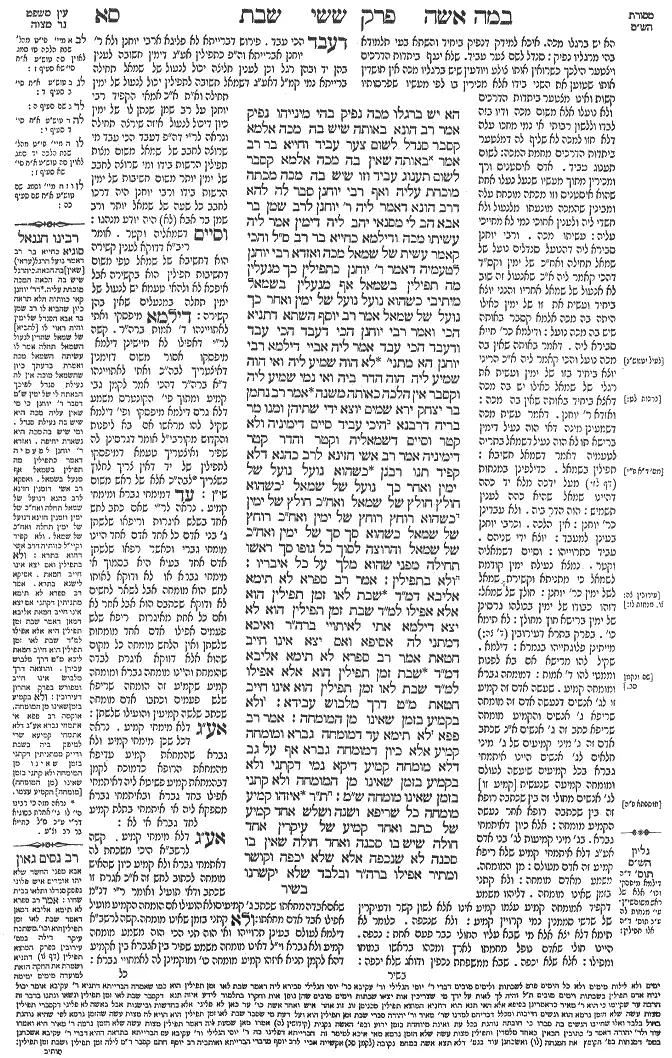
Shabbat 61a - Guemara
הא יש ברגלו מכה נפיק בהי מינייהו נפיק אמר רב הונא באותה שיש בה מכה אלמא קסבר סנדל לשום צער עביד וחייא בר רב אמר באותה שאין בה מכה אלמא קסבר לשום תענוג עביד וזו שיש בה מכה מכתה מוכחת עליה ואף רבי יוחנן סבר לה להא דרב הונא דאמר ליה ר' יוחנן לרב שמן בר אבא הב לי מסנאי יהב ליה דימין אמר ליה עשיתו מכה ודילמא כחייא בר רב ס"ל והכי קאמר עשית של שמאל מכה ואזדא רבי יוחנן לטעמיה דאמר ר' יוחנן כתפילין כך מנעלין מה תפילין בשמאל אף מנעלין בשמאל מיתיבי כשהוא נועל נועל של ימין ואחר כך נועל של שמאל אמר רב יוסף השתא דתניא הכי ואמר רבי יוחנן הכי דעבד הכי עבד ודעבד הכי עבד אמר ליה אביי דילמא רבי יוחנן הא מתני' לא הוה שמיע ליה ואי הוה שמיע ליה הוה הדר ביה ואי נמי שמיע ליה וקסבר אין הלכה כאותה משנה אמר רב נחמן בר יצחק ירא שמים יוצא ידי שתיהן ומנו מר בריה דרבנא היכי עביד סיים דימיניה ולא קטר וסיים דשמאליה וקטר והדר קטר דימיניה אמר רב אשי חזינא לרב כהנא דלא קפיד תנו רבנן כשהוא נועל נועל של ימין ואחר כך נועל של שמאל כשהוא חולץ חולץ של שמאל ואח"כ חולץ של ימין כשהוא רוחץ רוחץ של ימין ואח"כ רוחץ של שמאל כשהוא סך סך של ימין ואח"כ של שמאל והרוצה לסוך כל גופו סך ראשו תחילה מפני שהוא מלך על כל איבריו:
ולא בתפילין:
אמר רב ספרא לא תימא אליבא דמ"ד שבת לאו זמן תפילין הוא אלא אפילו למ"ד שבת זמן תפילין הוא לא יצא דילמא אתי לאיתויי ברה"ר ואיכא דמתני לה אסיפא ואם יצא אינו חייב חטאת אמר רב ספרא לא תימא אליבא דמ"ד שבת זמן תפילין הוא אלא אפילו למ"ד שבת לאו זמן תפילין הוא אינו חייב חטאת מ"ט דרך מלבוש עבידא. ולא בקמיע בזמן שאינו מן המומחה:
אמר רב פפא לא תימא עד דמומחה גברא ומומחה קמיע אלא כיון דמומחה גברא אף על גב דלא מומחה קמיע דיקא נמי דקתני ולא בקמיע בזמן שאינו מן המומחה ולא קתני בזמן שאינו מומחה ש"מ:
ת"ר איזהו קמיע מומחה כל שריפא ושנה ושלש אחד קמיע של כתב ואחד קמיע של עיקרין אחד חולה שיש בו סכנה ואחד חולה שאין בו סכנה לא שנכפה אלא שלא יכפה וקושר ומתיר אפילו ברה"ר ובלבד שלא יקשרנו
Comments from Rashi on Masechet Shabbat Page 61a
הא יש ברגלו מכה . איכא למידק דנפיק ביחיד והשתא בעי תלמודא בהי מרגליו נפיק: סנדל לשם צער עביד . שלא ינגף ביתדות הדרכים ויצטער הילכך כשרואין אותו צולע ויודעין שיש ברגליו מכה אין חושדין אותו שטוען את השני בידו אלא מכירין בו לפי מעשיו שפרסותיו קשות ואינו מצטער ביתדות הדרכים ולא נועלו אלא משום מכה ודיו בזה לבדו וללשון רבותי אי נמי מחכו עלה דלא חזו למכה לא שליף לה דמצטער ביתדות הדרכים מחמת המכה: לשום תענוג עביד . אדם איסטניס ורך ומכירין מתוך מעשיו שנעל נעלו אחת שהוא איסטניס וזו מכתה מוכחת עלה ומבינין שהמכה מונעתו מלנעול ולא חשדי ליה ולענין אחוכי נמי לא מחייכי עליה: עשיתו מכה . ורבי יוחנן סבירא ליה דהנועל סנדלים נועל של שמאל תחילה ואח"כ של ימין וקס"ד דהכי קאמר ליה א"כ שאנעול זה שוב לא אנעול של שמאל אחריו והנני יוצא ביחיד ועשית את זו של ימין כאילו היתה בה מכה אלמא קסבר באותה שיש בה מכה נועל: ודילמא כר' חייא סבירא ליה . דאמר באותה שאין בה מכה נועל והכי קאמר ליה א"כ הריני יוצא ביחיד בזו של ימין ועשית את רגלי של שמאל כאילו יש בה מכה דאצא ביחיד באותה שאין בה מכה: ואזדא ר' יוחנן . דאמר עשית מכה דשמעינן מינה דאי הוה נעיל דימין ברישא תו לא הוה נעיל דשמאל בתריה לטעמיה דאמר דשמאל חשיבא: תפילין בשמאל . כדילפינן במנחות (דף לז.) מעל ידכה מלא יד כהה דהיינו שמאל שהיא כהה לענין תשמיש: הוה הדר ביה . ולא עבדינן כר' יוחנן: אין הלכה . וכרבי יוחנן בעינן למעבד: יוצא ידי שניהם . עביד כתרוייהו: וסיים דשמאליה וקטר . נמצא נעילת ימין קודמת לשמאל כי מתניתא וקשירת שמאל לשל ימין כר' יוחנן: חולץ של שמאל . דזהו כבודו של ימין בכולהו גרסינן של ימין ברישא חוץ מחולץ: לא תימא כו' . בפרק בתרא דעירובין (ד' צה:) מייתינן פלוגתייהו בגמרא: דילמא . שקיל להו מרישא אם בא לפנות וממטי להו ד' אמות: דמומחה גברא ומומחה קמיע . שעשה אדם זה קמיע זו לג' אנשים דנעשה אדם זה מומחה שריפא ג' אנשים והקמיע מומחה שריפא כתב זה ג' אנשים א"נ שכתב אדם זה ג' מיני קמיעים של ג' מיני חלאים לג' אנשים היינו איתמחי גברא בכל קמיעים שיעשה לעולם ומומחה קמיעה שנעשית [קמיע זו] לג' אנשים מחולי זה בין שכתבה רופא זה בין שכתבה רופא אחר נעשה הקמיע מומחה: אלא כיון דאיתמחי גברא . בג' מיני קמיעות לג' בני אדם אע"ג דלא איתמחי קמיע שלא ריפא קמיע זה אדם מעולם: מן המומחה . משמע מאדם מומחה: ולא קתני בזמן שאינו מומחה . דליהוו משמע דקפיד אמומחה קמיע עצמו קמיע אינו אלא לשון קשר ודעיקרין של שרשי סממנין נמי קרויין קמיע: ולא שנכפה . כלומר לא תימא דלא יצא אלא מי שבא עליו החולי כבר פעם אחת: נכפה . היינו חולי שאדם נופל מחמתו לארץ ומכהו בראשו במוחו ומפילו: אלא שלא יכפה . שבא ממשפחת נכפין ודואג שלא יכפה:
Comments from Tosafot - Shabbat 61a
דעבד הכי עבד . פירוש דברייתא לא פליגא ארבי יוחנן ולא ר' יוחנן אברייתא וה"פ כתפילין אע"ג דימין חשובה לענין בהן יד ובהן רגל וכן לענין חליצה יכול לנעול של שמאל תחילה ברייתא נמי קמ"ל דאע"ג דשמאל חשובה לתפילין יכול לנעול של ימין תחילה וא"ת א"כ אמאי הקפיד רבי יוחנן על רב שמן שנתן לו של ימין כיון דיכול לנעול איזה שירצה תחילה ונראה לר"י דה"פ דעבד הכי עבד מי שרוצה לחבב של שמאל משום מצות תפילין הרשות בידו ומי שרוצה לחבב של ימין יותר משום חשיבות של ימין הרשות בידו ורבי יוחנן היה דרכו לחבב כל שעה של שמאל יותר ורב שמן בר אבא (לא) היה יודע מנהגו: וסיים דשמאליה וקטר . אומר ריב"א דדוקא לענין קשירה הוא דחשיבא של שמאל טפי משום דחשיבות תפילין הוא בקשירה אבל איפכא לא ולהאי טעמא יש לנעול של ימין תחלה במנעלים שאין בהן קשירה: דילמא מיפסקי ואתי לאתויינהו ד' אמות ברה"ר . קשה לר"י דאפילו לא חיישינן דילמא מיפסקו אסור משום דזימנין דאיצטריך לבה"כ ואתי לאתויינהו ד"א ברה"ר דהכי אמר לקמן גבי קמיע ומתוך פי' הקונטרס משמע דלא גרס דילמא מיפסקו ופי' דילמא שקיל להו מראשו אם בא ליפנות והקדוש מקורבי"ל אומר דגרסינן לה שפיר ואיצטריך טעמא דמיפסקו לתפילין של יד דאין צריך לחלוץ כשצריך לבה"כ אלא של ראש משום שי"ן: עד דמימחי גברא ומימחי קמיע . נראה לר"י שאם כתב לחש אחד בשלש איגרות וריפאו שלשתן ג' בני אדם כל אחד אדם אחד היינו מומחי גברי וכאשר רפאו שלשתן אדם אחד בעיא היא בסמוך אי מימחי גברא או לא ודוקא לאותו לחש הוא מומחה אבל לשאר לחשים לא ודוקא שכתבם הוא אבל אחר לא ואם כל אחת מאיגרות ריפא שלש פעמים אפילו אדם אחד מומחות שלשתן ואין הלחש מומחה כל מקום שהוא אלא דווקא איגרת לבדה שהומחת והיינו מומחה גברא ומומחה קמיע שקמיע זה הומחה שריפא שלש פעמים וכתבו אדם מומחה שכתב שלשה קמיעין והועילו שלשתן: אע"ג דלא מימחי קמיע . נראה דכל שכן מימחי קמיע ולא גברא שהמחאת קמיע עדיפא מהמחאת הרופא כדמוכח לקמן דבהמחאת קמיע פשיטא ליה דאיתמחי אפילו בחד גברא ובאיתמחי גברא מספקא ליה אי איתמחי בתלת קמיע לחד גברא אי לא: אע"ג דלא מימחי קמיע . קשה לרשב"א היכי משכחת לה דאתמחי גברא ולא קמיע כיון שהאיש מומחה לכתוב לחש זה א"כ אגרת זו שכתב ודאי תועיל ואומר ר"י דנ"מ שאם אבדה מחאתו שכתב ג' קמיעים ולא הועילו אם הומחה הקמיע מועיל אפילו אבד אדם מחאתו: ולא קתני בזמן שאינו מומחה . קשה לרשב"א דילמא לעולם בעינן תרוייהו ואי הוה תני הכי הוה משמע מומחה קמיע ולא גברא וי"ל דאינו מומחה משמע שפיר בין אגברא בין אקמיע דהא לקמן תניא איזהו קמיע מומחה כו' ומוקמינן לה לאמחויי גברא:
Shabbat 61a - Mishnah translated into english
By inference: If there is a wound on his foot, he may go out with one sandal. In that case, with a sandal on which of his feet does he go out? Rav Huna said: With a sandal on the foot that has a wound on it. Apparently, he holds: A sandal is made for the purpose of avoiding pain. Typically, a person wears sandals only in order to avoid the pain of walking on stones and the like. When he is seen with only one sandal, it is clear that he is oblivious to that pain and the only reason that he is wearing the sandal is due to the wound on his foot. Consequently, no one will suspect that he went out wearing two sandals and that if he is wearing one, he must be carrying the other one.
And Ḥiyya bar Rav said: He goes out with a sandal on the foot that does not have a wound on it. Apparently, he holds that the sandal is made for the purpose of providing comfort, and he wears it on his healthy foot. And it does not arouse suspicion because, with regard to that foot on which there is a wound, its wound indicates that he is unable to wear a sandal on that foot, and it is clear that he left the other sandal at home.
The Gemara comments: And Rabbi Yoḥanan also holds that the opinion of Rav Huna, which maintains that one only wears sandals to avoid pain, is correct. As Rabbi Yoḥanan said to Rav Shemen bar Abba, his attendant: Give me my sandal. He gave him the right sandal. He said to him: You have rendered this foot as one with a wound. In Rabbi Yoḥanan’s opinion, one must always put on his left shoe first. One who puts on the right shoe first is no longer permitted to put on the left shoe. By handing him his right sandal, he is forcing Rabbi Yoḥanan to go out with one sandal, leading onlookers to conclude that he has a wound on that foot. That incident corresponds to Rav Huna’s opinion that one wears the sandal on the wounded foot.
The Gemara rejects this: And perhaps, he holds in accordance with the opinion of Ḥiyya bar Rav, which maintains that one wears the sandal on the healthy foot, and he is saying as follows: By handing me my right shoe, you have rendered my left foot, on which I have no shoe, as one with a wound. No proof can be cited from that incident, as Rabbi Yoḥanan’s opinion cannot be ascertained from the exchange with his attendant.
And Rabbi Yoḥanan follows his regular line of reasoning. As Rabbi Yoḥanan said: Just as one dons phylacteries, so too, one puts on shoes. Just as phylacteries are placed on the left arm, so too, when putting on shoes one begins with the left foot.
The Gemara raises an objection to Rabbi Yoḥanan’s opinion from a baraita: When one puts on his shoes, he puts on the right shoe first and afterward puts on the left shoe.
Rav Yosef said: Now that it was taught in a baraita in this manner, and Rabbi Yoḥanan stated the halakha in that manner, one who acted this way acted properly, and one who acted that way acted properly, as each custom has a basis.
Abaye said to him: Why is the Gemara certain that Rabbi Yoḥanan disagrees with the baraita? Perhaps Rabbi Yoḥanan had not heard this baraita, and had he heard it, he would have retracted his opinion. And even if he heard it, perhaps he heard it and held that the halakha is not in accordance with that mishna. In any case, it is necessary to rule in accordance with one of the opinions.
Rav Naḥman bar Yitzḥak said: And one who fears Heaven fulfills both opinions. And who is this God-fearing person? Mar, son of Rabbana. How does he conduct himself? He puts on his right shoe and does not tie the laces. And then he puts on his left shoe and ties it, and then afterward ties the laces of his right shoe. Rav Ashi said: I saw that Rav Kahana was not particular with regard to the order in which he put on his shoes.
After citing this excerpt from Hilkhot Derekh Eretz with regard to putting on shoes, the Gemara cites the entire matter. The Sages taught: When one puts on his shoes, he puts on the right shoe first and afterward puts on the left shoe because the right always takes precedence. When he removes them, he removes the left and afterward he removes the right, so that the right shoe will remain on the foot longer.
When one washes his feet, he washes the right first and afterward he washes the left. And one who wishes to spread oil on his feet spreads oil on the right first and afterward spreads oil on the left. And one who wishes to spread oil on his entire body, spreads oil on his head first because it is the king of all his other limbs.
We learned in the mishna: And he may neither go out with phylacteries. Rav Safra said: Do not say that this halakha is only in accordance with the opinion of the one who said that Shabbat is not an appropriate time to don phylacteries, i.e., it is prohibited to don phylacteries on Shabbat, and that is the reason that one may not go out into the public domain with them. Rather, even according to the one who said that Shabbat is an appropriate time to don phylacteries, he may not go out with them due to the concern lest he come to carry them in his hand in the public domain, which is prohibited by Torah law.
And some teach the statement of Rav Safra as referring to the latter clause of the mishna: And if he went out into the public domain with phylacteries he is not liable to bring a sin-offering. Rav Safra said: Do not say that this halakha is only according to the opinion of the one who said that Shabbat is an appropriate time to don phylacteries, and therefore he does not violate a Torah prohibition by going out into the public domain with phylacteries and is not liable to bring a sin-offering. Rather, even according to the opinion of one who said that Shabbat is not an appropriate time to don phylacteries, he is not liable to bring a sin-offering. What is the reason that he is exempt? Donning phylacteries is performed in the manner of wearing a garment or an ornament. Although one may not use phylacteries on Shabbat, there is no Torah prohibition against moving them.
We learned in the mishna: Nor with an amulet when it is not from an expert. Rav Pappa said: Do not say that the meaning of the mishna is that one may only go out with an amulet if the person who wrote it is an expert and the amulet has proven effective. Rather, if the person who wrote it is an expert, even though the amulet has not proven effective, he may go out with it.
The Gemara comments: The language of the mishna is also precise, as it teaches: Nor with an amulet when it is not from an expert, and it does not teach: When the amulet is not effective. Apparently, it is sufficient if the writer of the amulet is an expert, even if the effectiveness of the amulet has not been proven. The Gemara comments: Indeed, learn from it.
The Sages taught in the Tosefta: What is an effective amulet? It is any amulet that healed one person once, and healed him again, and healed him a third time. That is the criterion for an effective amulet, and it applies to both a written amulet and an amulet of herbal roots; both if it has proven effective in healing a sick person who is dangerously ill, and if it has proven effective in healing a sick person who is not dangerously ill. It is permitted to go out with these types of amulets on Shabbat.
And an amulet was not only permitted in a case where one has already fallen due to epilepsy and wears the amulet in order to prevent an additional fall. Rather, even if one has never fallen, and he wears the amulet so that he will not contract the illness and fall, he is permitted to go out with it on Shabbat is permitted.
And he may tie and untie it even in the public domain, as long as he does not tie it
Traduction : The William Davidson digital edition of the Koren Noé Talmud, with commentary by Rabbi Adin Even-Israel Steinsaltz.