 Talmud Bavli
The learning on the whole site is dedicated : L'ilui Nishmat Jamila bat Chlomo Abensour
The learning on the whole site is dedicated : L'ilui Nishmat רינה בת לדיסיה
The learning on the whole site is dedicated : For the success of Elyahou ben H'anna & family
Shabbat 139a : Youtube
Daf TubeYoutube
2 video classes :
Shabbat Page 139a
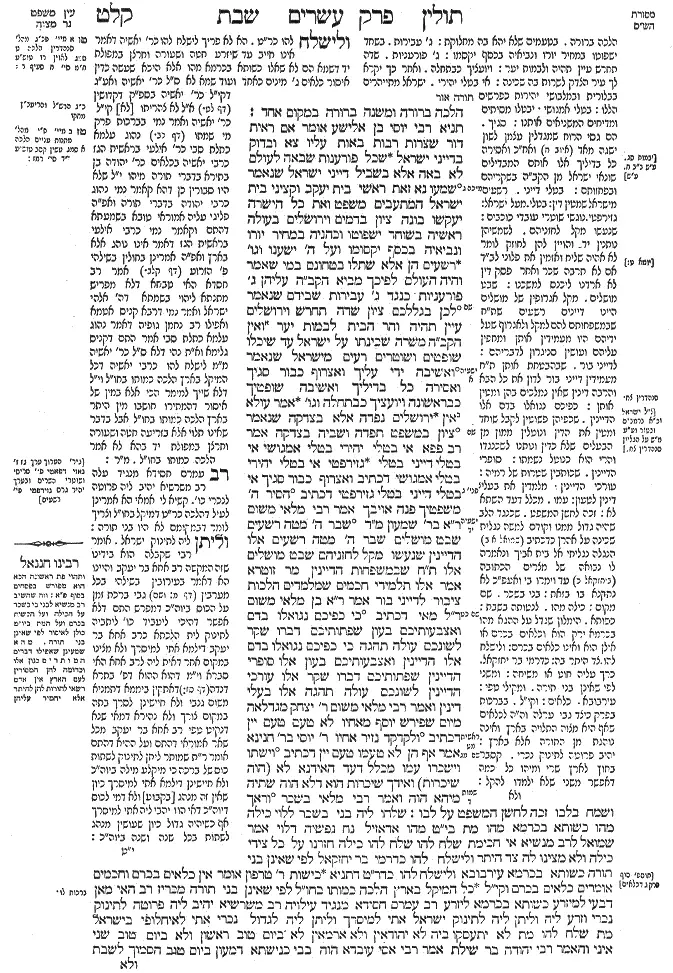
Shabbat 139a - Guemara
הלכה ברורה ומשנה ברורה במקום אחד:
תניא רבי יוסי בן אלישע אומר אם ראית דור שצרות רבות באות עליו צא ובדוק בדייני ישראל שכל פורענות שבאה לעולם לא באה אלא בשביל דייני ישראל שנאמר (מיכה ג, ט) שמעו נא זאת ראשי בית יעקב וקציני בית ישראל המתעבים משפט ואת כל הישרה יעקשו בונה ציון בדמים וירושלים בעולה ראשיה בשוחד ישפוטו וכהניה במחיר יורו ונביאיה בכסף יקסומו ועל ה' ישענו וגו' רשעים הן אלא שתלו בטחונם במי שאמר והיה העולם לפיכך מביא הקב"ה עליהן ג' פורעניות כנגד ג' עבירות שבידם שנאמר (מיכה ג, יב) לכן בגללכם ציון שדה תחרש וירושלים עיין תהיה והר הבית לבמות יער ואין הקב"ה משרה שכינתו על ישראל עד שיכלו שופטים ושוטרים רעים מישראל שנאמר (ישעיהו א, כה) ואשיבה ידי עליך ואצרוף כבור סגיך ואסירה כל בדיליך ואשיבה שופטיך כבראשונה ויועציך כבתחלה וגו' אמר עולא אין ירושלים נפדה אלא בצדקה שנאמר (ישעיהו א, כז) ציון במשפט תפדה ושביה בצדקה אמר רב פפא אי בטלי יהירי בטלי אמגושי אי בטלי דייני בטלי גזירפטי אי בטלי יהירי בטלי אמגושי דכתיב ואצרוף כבור סגיך אי בטלי דייני בטלי גזירפטי דכתיב (צפניה ג, טו) הסיר ה' משפטיך פנה אויבך אמר רבי מלאי משום ר"א בר' שמעון מ"ד (ישעיהו יד, ה) שבר ה' מטה רשעים שבט מושלים שבר ה' מטה רשעים אלו הדיינין שנעשו מקל לחזניהם שבט מושלים אלו ת"ח שבמשפחות הדיינין מר זוטרא אמר אלו תלמידי חכמים שמלמדים הלכות ציבור לדייני בור אמר ר"א בן מלאי משום ר"ל מאי דכתיב (ישעיהו נט, ג) כי כפיכם נגואלו בדם ואצבעותיכם בעון שפתותיכם דברו שקר לשונכם עולה תהגה כי כפיכם נגואלו בדם אלו הדיינין ואצבעותיכם בעון אלו סופרי הדיינין שפתותיכם דברו שקר אלו עורכי הדיינין לשונכם עולה תהגה אלו בעלי דינין ואמר רבי מלאי משום ר' יצחק מגדלאה מיום שפירש יוסף מאחיו לא טעם טעם יין דכתיב (בראשית מט, כו) ולקדקד נזיר אחיו ר' יוסי בר' חנינא אמר אף הן לא טעמו טעם יין דכתיב (בראשית מג, לד) וישתו וישכרו עמו מכלל דעד האידנא לא (הוה שיכרות) ואידך שיכרות הוא דלא הוה שתיה מיהא הוה ואמר רבי מלאי בשכר (שמות ד, יד) וראך ושמח בלבו זכה לחשן המשפט על לבו:
שלחו ליה בני בשכר ללוי כילה מהו כשותא בכרמא מהו מת בי"ט מהו אדאזיל נח נפשיה דלוי אמר שמואל לרב מנשיא אי חכימת שלח להו שלח להו כילה חזרנו על כל צידי כילה ולא מצינו לה צד היתר ולישלח להו כדרמי בר יחזקאל לפי שאינן בני תורה כשותא בכרמא עירבובא ולישלח להו כדר"ט דתניא כישות ר' טרפון אומר אין כלאים בכרם וחכמים אומרים כלאים בכרם וקי"ל כל המיקל בארץ הלכה כמותו בחו"ל לפי שאינן בני תורה מכריז רב האי מאן דבעי למיזרע כשותא בכרמא ליזרע רב עמרם חסידא מנגיד עילויה רב משרשיא יהיב ליה פרוטה לתינוק נכרי וזרע ליה וליתן ליה לתינוק ישראל אתי למיסרך וליתן ליה לגדול נכרי אתי לאיחלופי בישראל מת שלח להו מת לא יתעסקו ביה לא יהודאין ולא ארמאין לא ביום טוב ראשון ולא ביום טוב שני איני והאמר רבי יהודה בר שילת אמר רבי אסי עובדא הוה בבי כנישתא דמעון ביום טוב הסמוך לשבת
Comments from Rashi on Masechet Shabbat Page 139a
הלכה ברורה . בטעמים שלא יהא בה מחלוקת: ג' עבירות . בשחד ישפוטו במחיר יורו ונביאיה בכסף יקסמו: ג' פורעניות . שדה תחרש עיין תהיה ולבמות יער: ויועציך כבתחלה . ואחר כך יקרא לך עיר הצדק לשרות בה שכינה: אי בטלי יהירי . ישראל מתייהרים בבלורית ובמלבושי יהירות כפרשים הללו: בטולי אמגושי . יבטלו מסיתים ומדיחים המשניאים אותנו: סגיך . הם גסי הרוח שמגדלין עצמן לשון ישגה מאד (איוב ח) ואח"כ ואסירה כל בדיליך אלו אותם המבדילים שונאי ישראל מן הקב"ה בשקריהם ובפחזותם: בטלי דייני . רשעים מישראל שמטין דין: בטלי . מעל ישראל: גזירפטי . נוגשי שוטרי עובדי כוכבים: שנעשו מקל לחזניהם . לשמשיהן נותנין יד והויין להן לחוזק לומר לא אהיה שליח ואזמין את פלוני לב"ד אם לא תרבה שכר ואחר פסק דין לא ארדנו ליכנס למשכנו: שבט מושלים . מקל אגרופין של מושלים היינו דינים רשעים שת"ח שבמשפחותם להם למקל ולאגרוף שעל ידיהם היו מעמידין אותן ומחפין עליהם ועושין סניגרון לדבריהם: לדייני בור . שבהבטחת אותן ת"ח מעמידין דייני בור לדון את כל הבא והרבה דינין שאין נמלכים בהן ומטין אותן: כפיכם נגואלו בדם אלו הדיינין . שכפיהן פשוטין לקבל שוחד ומטין את הדין ונוטלין ממון מן הבעלים שלא כדין ונותנו לשכנגדו והרי הוא כנוטל נשמתו: סופרי הדיינין . שכותבין שטרות של רמיה: עורכי הדיינין . מלמדין את בעלי דינין לטעון: עמו . מכלל דעד השתא לא: זכה לחשן המשפט . שכנגד הלב שהיה גדול ממנו וקודם למשה נגלית שכינה על אהרן כדכתיב (שמואל א ב) הנגלה נגליתי אל בית אביך ונאמרה לו נבואה של מצרים הכתובה (ביתזקאל כ) עד וימרו בי ואעפ"כ לא נתקנא בו בזאת: בני בשכר . שם מקום: כילה מהו . לנטותה בשבת: כשותא . הימלון שגדל על ההגא מהו בכרמא ירק הוא וכלאים בכרם או אילן הוא ואינו כלאים בכרם: ולישלח להו . צד היתר בה: כדרמי בר יחזקאל . כרך עליה חוט או משיחה: ומשני לפי שאינן בני תורה . ומקילי טפי: עירבובא . כלאים: וקי"ל . בברכות בפרק כיצד גבי ערלה וה"ה לכלאים שאף היא מצוה התלויה בארץ ואינה נוהגת מן התורה אלא בארץ: יהיב פרוטה לתינוק נכרי . קסבר בחוץ לארץ שרי ומיהו כל כמה דאפשר משני שלא ילמדו להקל:
Comments from Tosafot - Shabbat 139a
ולישלח להו כר"ט . הא לא פריך לישלח להו כר' יאשיה דאמר אינו חייב עד שיזרע חטה ושעורה וחרצן במפולת יד דשמא הם לא שאלו כשותא בכרמא מהו אלא היכא שעשה כדין איסור כלאים ג' מינים כאחד ועוד שמא לא ס"ל כר' יאשיה ואע"ג דקי"ל כר' יאשיה בספ"ק דקדושין (דף לט.) א"ל לא צהריתו [לא] קי"ל כר' יאשיה ואמר נמי בברכות פרק מי שמתו (דף כב.) נהוג עלמא כתלת סבי כר' אילעי בראשית הגז כרבי יאשיה בכלאים כר' יהודה בן בתירא בדברי תורה מיהו י"ל שלא היו סבורין כן דהא קאמר נמי נהוג כרבי יהודה בדברי תורה ואפ"ה פליגי עליה אמוראי טובא בשמעתא דהתם וקאמר נמי כרבי אילעי בראשית הגז דאמר אינו נוהג אלא בארץ ואפ"ה אמרינן בחולין בשילהי פ' הזרוע (דף קלב.) אמר רב חסדא האי טבחא דלא מפריש מתנתא ליהוי בשמתא דה' אלהי ישראל ואמר נמי דרבא קניס אטמא ואפילו רב נחמן גופיה דאמר נהוג עלמא כתלת סבי אמר התם דקניס גלימא וא"ת נהי דלא ס"ל כר' יאשיה מ"מ לישלח להו כרבי יאשיה דכל המיקל בארץ הלכה כמותו בחו"ל וי"ל דלא שייך למימר הכי אלא במין של איסור דהמתירו חושבו מין היתר בארץ הלכה כמותו בחו"ל אבל בדבר שאינו תלוי אלא בזריעה חטה ושעורה וחרצן במפולת יד בהא לא אמר הלכה כמותו בחו"ל. מ"ר: רב עמרם חסידא מנגיד עלה רב משרשיא יהיב ליה פרוטה לנכרי כו' . קשיא לי אמאי הא אמרינן לעיל דהלכה כר"ט דמיקל בחו"ל וצריך לומר דבמקומם לא היו בני תורה: וליתן ליה לתינוק ישראל . אומר רבי שקבלה הוא בידינו שזה המקשה רב אחא בר יעקב והיינו הא דאמר בעירובין בשילהי בכל מערבין (דף מ: ושם) גבי ברכת זמן על הכוס ביוה"כ דמפרש התם דלא אפשר דהיכי ליעביד כו' ליתביה לתינוק לית הלכתא כרב אחא בר יעקב דילמא אתי למיסרך ולא מצינו במקום אחר דאית ליה לרב אחא האי סברא וי"מ דהוא ההוא דפ' בתרא דנדה (דף ס':) דאתקין ביממא דתמניא משום גנבי ולא חיישינן לסרך בתה במקום צורך ולא נהירא דמאי שנא דנקיט טפי רב אחא בר יעקב מכל שאר אמוראי דהתם ועל ההיא דהתם אומר ר"ת שמותר ליתן לתינוק לשתות כוס של ברכה כי מיקלע מילה ביוה"כ ולא חיישינן דילמא אתי למיסרך כיון שאין זה מנהג [בקבוע] ולא דמי לכוס דיוה"כ דאי הוו יהבי ליה אתי למיסרך אף כשיהיה גדול כיון שעושין מנהג לשתות בכל שנה ושנה ביוה"כ:
Shabbat 139a - Mishnah translated into english
clear halakha and clear teaching together, but rather there will be disputes among the Sages.
It was taught in a baraita that Rabbi Yosei ben Elisha says: If you see a generation that many troubles are befalling it, go and examine the judges of Israel. Perhaps their sins are the cause, as any calamity that comes to the world comes due to the judges of Israel acting corruptly, as it is stated: “Please hear this, heads of the house of Jacob, and officers of the house of Israel, who abhor justice and pervert all equity, who build up Zion with blood, and Jerusalem with iniquity. Their heads they judge for bribes, and their priests teach for hire, and their prophets divine for money; yet they lean upon the Lord, saying: Is not the Lord in our midst? No evil shall befall us” (Micah 3:9–11).
The Gemara comments: They are wicked, but they placed their trust in the One Who spoke and the world came into being, the Almighty. Therefore, the Holy One, Blessed be He, brings upon them three calamities corresponding to the three transgressions for which they are responsible, as it is stated in the following verse: “Therefore, because of you, Zion shall be plowed as a field, and Jerusalem shall become heaps, and the Temple Mount as the high places of a forest” (Micah 3:12).
And the Holy One, Blessed be He, will not rest His Divine Presence on the Jewish people until evil judges and officers shall be eliminated from the Jewish people, as it is stated: “And I will turn My hand upon you, and I will purge away your dross as with lye, and I will remove all your alloy. And I will restore your judges as at first, and your counselors as at the beginning; afterward you shall be called the city of righteousness, a faithful city” (Isaiah 1:25–26).
Ulla said: Jerusalem will be redeemed only through righteousness, as it is stated: “Zion will be redeemed with justice and those who return to her with righteousness” (Isaiah 1:27).
Rav Pappa said: If the arrogant will cease to exist, the Persian fire priests will cease to exist as well. If the deceitful judges will cease to exist, the royal officers [gazirpatei] and taskmasters will cease to exist.
He explains: If the arrogant will cease, the Persian fire priests will cease, as it is written: “And I will purge away your dross [sigayikh] as with lye, and I will remove all your alloy [bedilayikh].” This teaches that when the conceited and haughty [sigim] are purged, the priests of fire, who are separated [muvdalim] from the fear of God, will also cease.
He said: If the deceitful judges cease, the royal officers and taskmasters will cease, as it is written: “The Lord has removed your judgment, cast out your enemy” (Zephaniah 3:15).
Rabbi Mallai said in the name of Rabbi Elazar, son of Rabbi Shimon: What is the meaning of that which is written: “The Lord has broken the staff of the wicked, the rod of the rulers” (Isaiah 14:5)? He explains: “The Lord has broken the staff of the wicked”; these are the judges who have become staffs for their attendants. The attendants abuse people, and the judges provide the attendants with legal backing and moral support. “The rod of the rulers”; these are the Torah scholars who are members of the families of the judges. These Torah scholars assist their relatives, the judges, conceal their faults. Mar Zutra said: These are the Torah scholars who teach communal halakhot to ignorant judges. They teach ignorant judges just enough Torah and modes of conduct to prevent the people from realizing how ignorant they are, enabling them to maintain their positions.
Rabbi Eliezer ben Mallai said in the name of Reish Lakish: What is the meaning of that which is written: “For your hands are defiled with blood, and your fingers with iniquity; your lips have spoken lies, your tongue utters wickedness” (Isaiah 59:3)?
He explains: “For your hands are defiled with blood”; these are the judges who take bribes in their hands. “And your fingers with iniquity”; these are the scribes of the judges, who write falsehood with their fingers. “Your lips have spoken lies”; these are the legal advisors. “Your tongue utters wickedness”; these are the litigants themselves.
And Rabbi Mallai said in the name of Rabbi Yitzḥak from Migdal: From the day that Joseph took leave from his brothers, he did not sample a taste of wine, as it is written: “They shall be on the head of Joseph, and on the crown of the head of he who was separated [nezir] from his brothers” (Genesis 49:26). The language of the verse alludes to the fact that Joseph conducted himself like a nazirite and abstained from wine.
Rabbi Yosei, son of Rabbi Ḥanina, said: Joseph’s brothers too did not sample the taste of wine during the intervening period, due to their remorse, as it is written: “And they drank and became drunk with him” (Genesis 43:34). By inference: Until now there was no drunkenness, as they abstained from drinking. And the other Sage, Rabbi Mallai, holds: It was drunkenness of which there was none; however, there was drinking on the part of the brothers during the intervening years.
And Rabbi Mallai said: It is stated in the verse: “And the anger of the Lord was kindled against Moses, and He said: Is there not Aaron your brother the Levite, I know that he can surely speak, and also behold, he is coming out to greet you, and he will see you and be glad in his heart” (Exodus 4:14). Rabbi Mallai taught that as reward for Aaron’s lack of jealousy at seeing his brother Moses rise to greatness, as it is stated: “And he will see you and be glad in his heart,” he merited to become the High Priest, and for the breastplate of judgment to rest on his heart.
The Gemara returns to the laws of a canopy. The inhabitants of the town of Bashkar sent to Levi: What is the halakha with regard to spreading a canopy on Shabbat? Additionally, what is the halakha with regard to hops in a vineyard? Do they constitute a prohibited mixture of diverse kinds? Finally, what is the halakha with regard to one who died on a Festival? How can the people attend to his burial?
As the messenger was going with the question, Levi died. Shmuel said to Rav Menashya: If you are wise and able to respond, send them answers to their questions. He sent them: With regard to a canopy, we reviewed all aspects of the matter of the canopy, and we did not find any permissible aspect.
The Gemara asks: And let him send them that it can be permitted in accordance with the opinion of Rami bar Yeḥezkel. The Gemara answers: He did not want to reveal that leniency to them, because they are not well versed in Torah, and they would not distinguish between permitted and prohibited methods of spreading the canopy.
He also told them: Hops in a vineyard are a forbidden mixture of diverse kinds. The Gemara asks: And let him send them the message that it is permitted in accordance with the opinion of Rabbi Tarfon, as it was taught in the Tosefta: With regard to hops, Rabbi Tarfon says: They do not constitute a prohibited mixture of food crops in a vineyard, and the Rabbis say: They constitute a forbidden mixture of food crops in a vineyard. And we maintain that anyone who is lenient with regard to the halakhot of diverse kinds in Eretz Yisrael, even if the halakha is not ruled in accordance with his opinion, the halakha is ruled in accordance with his opinion outside of Eretz Yisrael, where the halakhot of diverse kinds apply only by rabbinic law. The Gemara explains: He did not reveal this leniency to them, because they were not well versed in Torah.
With regard to the matter of hops in a vineyard, the Gemara relates that Rav would announce: One who seeks to sow hops in a vineyard, let him sow. In contrast, Rav Amram Ḥasida would administer lashes for sowing hops in a vineyard.
The Gemara relates that Rav Mesharshiya would give a peruta to a gentile child, and the child would sow hops for him. The Gemara asks: And let him give the peruta to a Jewish child, who is also not obligated in mitzva observance. The Gemara answers: He may come to continue this habit and violate the prohibition as an adult. The Gemara asks: And let him give the peruta to an adult gentile. The Gemara answers: He may come to confuse him with a Jew.
With regard to a person who died on a Festival, he sent them in response: If a person died on a Festival, neither Jews nor Arameans, i.e., gentiles, should attend to his burial, neither on the first day of a Festival, nor on the second day of a Festival observed in the Diaspora.
The Gemara asks: Is that so? Didn’t Rabbi Yehuda bar Sheilat say that Rabbi Asi said: There was an incident in the synagogue of the settlement of Maon on a Festival adjacent to Shabbat. A person died,
Traduction : The William Davidson digital edition of the Koren Noé Talmud, with commentary by Rabbi Adin Even-Israel Steinsaltz.