 Talmud Bavli
The learning on the whole site is dedicated : L'ilui Nishmat Chemouel Eliezer ben Batcheva
The learning on the whole site is dedicated : L'ilui Nishmat Nissim ben Barukh Malka
The learning on the whole site is dedicated : L'ilui Nishmat Rav Chlomo Ben Jamilla
Shabbat 53a : Youtube
Daf TubeYoutube
3 video classes :
Shabbat Page 53a
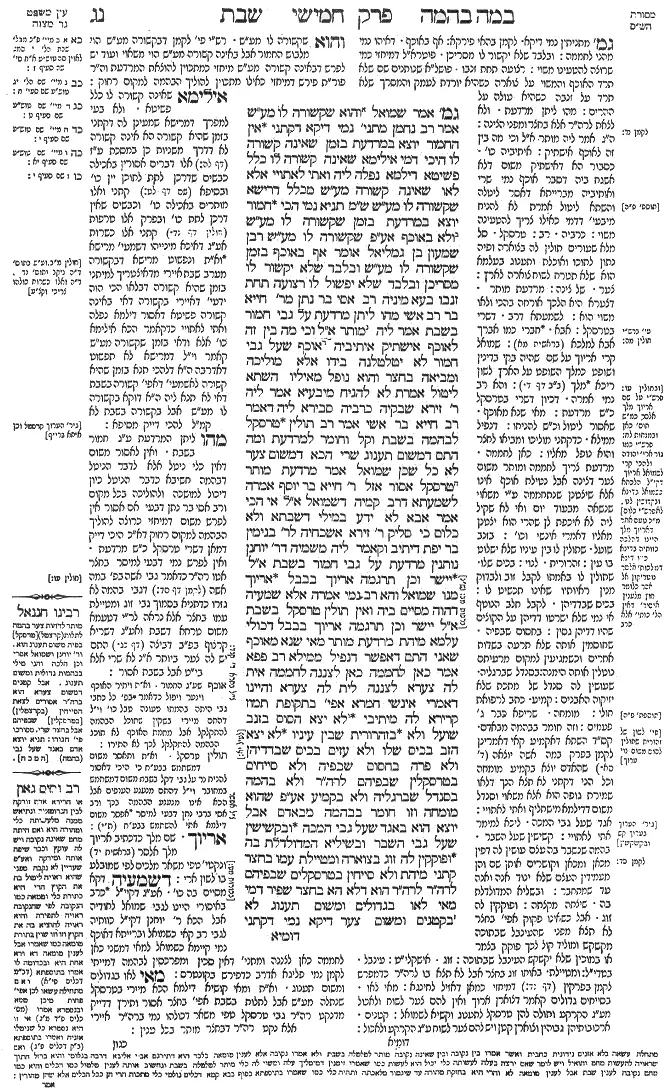
Shabbat 53a - Guemara
גמ׳ אמר שמואל והוא שקשורה לו מע"ש אמר רב נחמן מתני' נמי דיקא דקתני אין החמור יוצא במרדעת בזמן שאינה קשורה לו היכי דמי אילימא שאינה קשורה לו כלל פשיטא דילמא נפלה ליה ואתי לאתויי אלא לאו שאינה קשורה מע"ש מכלל דרישא שקשורה לו מע"ש ש"מ תניא נמי הכי חמור יוצא במרדעת בזמן שקשורה לו מע"ש ולא באוכף אע"פ שקשורה לו מע"ש רבן שמעון בן גמליאל אומר אף באוכף בזמן שקשורה לו מע"ש ובלבד שלא יקשור לו מסריכן ובלבד שלא יפשול לו רצועה תחת זנבו בעא מיניה רב אסי בר נתן מר' חייא בר רב אשי מהו ליתן מרדעת על גבי חמור בשבת אמר ליה מותר א"ל וכי מה בין זה לאוכף אישתיק איתיביה אוכף שעל גבי חמור לא יטלטלנה בידו אלא מוליכה ומביאה בחצר והוא נופל מאיליו השתא ליטול אמרת לא להניח מיבעיא אמר ליה ר' זירא שבקיה כרביה סבירא ליה דאמר רב חייא בר אשי אמר רב תולין טרסקל לבהמה בשבת וקל וחומר למרדעת ומה התם דמשום תענוג שרי הכא דמשום צער לא כל שכן שמואל אמר מרדעת מותר טרסקל אסור אזל ר' חייא בר יוסף אמרה לשמעתא דרב קמיה דשמואל א"ל אי הכי אמר אבא לא ידע במילי דשבתא ולא כלום כי סליק ר' זירא אשכחיה לר' בנימין בר יפת דיתיב וקאמר ליה משמיה דר' יוחנן נותנין מרדעת על גבי חמור בשבת א"ל יישר וכן תרגמה אריוך בבבל אריוך מנו שמואל והא רב נמי אמרה אלא שמעיה דהוה מסיים ביה ואין תולין טרסקל בשבת א"ל יישר וכן תרגמה אריוך בבבל דכולי עלמא מיהת מרדעת מותר מאי שנא מאוכף שאני התם דאפשר דנפיל ממילא רב פפא אמר כאן לחממה כאן לצננה לחממה אית לה צערא לצננה לית לה צערא והיינו דאמרי אינשי חמרא אפי' בתקופת תמוז קרירא לה מיתיבי לא יצא הסוס בזנב שועל ולא בזהרורית שבין עיניו לא יצא הזב בכיס שלו ולא עזים בכיס שבדדיהן ולא פרה בחסום שבפיה ולא סייחים בטרסקלין שבפיהם לרה"ר ולא בהמה בסנדל שברגליה ולא בקמיע אע"פ שהוא מומחה וזו חומר בבהמה מבאדם אבל יוצא הוא באגד שעל גבי המכה ובקשישין שעל גבי השבר ובשיליא המדולדלת בה . ופוקקין לה זוג בצוארה ומטיילת עמו בחצר קתני מיהת ולא סייחין בטרסקלים שבפיהם לרה"ר לרה"ר הוא דלא הא בחצר שפיר דמי מאי לאו בגדולים ומשום תענוג לא בקטנים ומשום צער דיקא נמי דקתני
Comments from Rashi on Masechet Shabbat Page 53a
גמ' מתניתין נמי דיקא . לקמן בהאי פירקא: אף באוכף . דאיהו נמי מהני לחממה: ובלבד שלא יקשור לו מסריכן . פוטרא"ל דמיחזי כמי שרוצה להטעינו משוי: רצועה תחת זנבו . פושל"א שנותנים שם שלא תרד האוכף והמשוי על צוארה כשהיא יורדת לעמק והמסרך שלא תרד על זנבה כשהיא עולה על ההרים: מהו ליתן מרדעת . ולא לצאת לרה"ר אלא בחצר ומפני הצינה: ה"ג אמר ליה מותר א"ל וכי מה בין זה לאוכף אישתיק: איתיביה כו' . כסבור הא דאישתיק משום דלא אשגח ביה דסבר אוכף נמי שרי ואותיביה מברייתא דאסור ליטלה והשתא ליטול אמרת לא להניח מיבעי' דדמי כאילו צריך להטעינה משוי: כרביה . רב: טרסקל . סל מלא שעורים תולין לה בצוארה ופיה נתון לתוכו ואוכלת ותענוג בעלמא הוא שלא תטרח לשוח צוארה לארץ: צער . של צינה: מרדעת מותר . דצערא היא הלכך אורחה בהכי ולאו משוי הוא: לשמעתא דרב . דשרי בטרסקל: אבא . חברי כמו אברך אבא למלכא (בראשית מא): שמואל קרי אריוך על שם שהיה בקי בדינין ושופט כמלך השופט על הארץ לשון ריכא מלך (ב"ב דף ד.): והא רב נמי אמרה . דכיון דשרי בטרסקל כ"ש מרדעת: מאי שנא מאוכף . שאסור ליטול וכ"ש להניחו: דנפיל ממילא . כדקתני מוליכו ומביאו לחצר והוא נופל מאליו: כאן לחממה . מרדעת צריך לחממה ומותר משום צער דצינה אבל נטילת אוכף אינו אלא שיצטנן שנתחממה ע"י משאוי שנשאה מבעוד יום ואי לא שקיל ליה לא איכפת לן שהרי הוא יצטנן מאליו דאמרי אינשי וכו': בזנב שועל . שתולין לו בין עיניו שלא ישלוט בו עין: זהרורית . לנוי: בכיס שלו . שתולין לו באמתו לקבל זוב ולבדוק מנין ראיותיו שאינו תכשיט לו: בכיס שבדדיהן . לקבל חלב הנוטף אי נמי שלא ישרטו דדיהן על הקוצים שהיו דדיהן גסין: בחסום שבפיה . שחוסמין אותה שלא תרעה בשדות אחרים וכשמגיעין למקום מרעיתם נוטלין אותה הימנה: בסנדל שברגליה . שעושין לה סנדל של מתכת שלא יזיקוה האבנים: קמיע . כתב לרפואת חולי: מומחה . שריפא כבר ג' פעמים: וזה חומר בבהמה מבאדם . קס"ד השתא דאקמיע קאי דאמרינן לקמן בפרק במה אשה יוצאה (שבת ד' סא.) שהאדם יוצא בקמיע מומחה וכל הני דקתני לא תצא הנך דלאו שמירת גופה הוא אלא משאוי וסנדל משום דדילמא מישתליף ואתי לאתויי: אגד שעל גבי המכה . ליכא למימר אתי לאתויי: קשישין שעל השבר . בהמה שנשבר בה עצם עושין לה דפין מכאן ומכאן וקושרים אותן שם והן מעמידין העצם שלא ינוד אנה ואנה עד שמתחבר: ובשליא המדולדלת בה . שיצתה מקצתה: ופוקקין לה זוג . אבל כשאינו פקוק אפי' בחצר לא תצא מפני שהעינבל שבתוכה מקשקש ומוליד קול לכך פוקק בצמר או במוכין שלא יקשקש העינבל שבתוכה: זוג . אישקלי"ט: עינבל . בטדי"ל: ומטיילת . באותו זוג בחצר אבל לא תצא בו לרה"ר כדמפרש לקמן בפרקין (שבת דף נד:) דמיחזי כמאן דאזיל לחינגא: מאי לאו . בסייחים גדולים קאמר דצוארן ארוך ואין להם צער לשוח ולאכול מע"ג הקרקע ותולה להן טרסקל לתענוג וקשיא לשמואל: קטנים . ארכובותיהן גבוהין וצוארן קטן ויש להם צער לשוח ע"ג הקרקע ולאכול:
Comments from Tosafot - Shabbat 53a
והוא שקשורה לו מע"ש . רש"י פי' לקמן דבקשורה מע"ש הוי מלבוש החמור אבל באינה קשורה מע"ש הוי משאוי ועוד יש לפרש דבאינה קשורה מע"ש מיחזי כמתכוין להוצאת המרדעת וה"ר פור"ת פירש דמיחזי כאילו מתכוין להוליך הבהמה למקום רחוק: אילימא שאינה קשורה לו כלל פשיטא . ולא בעי למפרך דמרישא שמעינן לה דקתני בזמן שהיא קשורה הא אינה קשורה לא דדרך משניות כן במסכת ע"ז (דף לה:) אלו דברים אסורין באכילה כבשים שדרכן לתת לתוכן יין כו' ובסיפא (שם דך לט:) קתני ואלו מותרים באכילה כו' וכבשים שאין דרכן לתת כו' ובפרק אלו טרפות (חולין דף נד.) קתני אלו כשרות אע"ג דאיכא מינייהו דשמעי' מרישא וא"ת ונפשוט מרישא דבקשורה מערב שבת איירי מדאיצטריך למיתני בזמן שהיא קשורה דבלאו הכי הוה ידעי' דאיירי בקשורה דאי באינה קשורה פשיטא דאסור דילמא נפלה ואתי לאתויי כדקאמר הכא אילימא כו' אלא ודאי בזמן שקשורה מע"ש קאמר וי"ל דמרישא לא תפשוט דאדרבה ה"א דלהכי תנא בזמן שהיא קשורה לאשמעי' דאפי' קשורה בשבת דאי לא תנא ליה ה"א דוקא בקשורה לו מע"ש אבל בקשורה בשבת לא קמ"ל להכי דייק מסיפא: מהו ליתן המרדעת ע"ג חמור בשבת . ואין לאסור משום דאין כלי ניטל אלא לדבר הניטל דבהמה חשיבא כדבר הניטל כיון דיכול למושכה ולהוליכה בכל מקום ורב אסי בר נתן דבעי אם אסור אין לפרש משום דמיחזי כרוצה להוליך הבהמה למקום רחוק דא"כ היכי דייק דמאן דשרי טרסקל כ"ש מרדעת. ואין לפרש נמי דבעי למיסר בחצר אטו רה"ר כדאמר גבי אשה בפ' במה אשה (לקמן שבת דף סד:) דגבי בהמה לא גזרו כדתניא בסמוך גבי זוג ומטיילת עמו בחצר אלא נראה לר"י דטעמא משום טרחא דשבת ואע"ג דשריא קרצוף בפ"ב דביצה (דף כנ.) התם יש לה צער ביותר א"נ לא שרי אלא בי"ט אבל בשבת אסור: אוכף שע"ג החמור . וא"ת ויתיר האוכף וינער ויפול כדאמר בפ' כל כתבי גבי היתה בהמתו טעונה טבל כו' וי"ל דהתם מיירי בשקין שתוכל הבהמה להתקלקל אבל מחמת האוכף לא תוכל הבהמה להתקלקל לכך לא התירו: תולין טרסקל . וא"ת ותאסר משום דמשתמש בבע"ח כי היכי דאסור להניח נר על גבי דקל בשבת משום דמשתמש במחובר וי"ל דהתם מנענע הענפים אבל הכא אינו מנענע הבהמה בכך ורב אסי ברבי נתן דבעי למיסר אפסר משום דילמא אתי להשתמש בבע"ח (ת".): אריוך . שם מלך כדכתיב אריוך מלך אלסר (בראסית יד) ונקטי' טפי משאר מלכים לפי שמובלע בו לשון ארי: דשמעיה דקא מסיים בה כו' . אע"ג דקיי"ל. כרב באיסורי היינו לגבי שמואל לחודיה אבל הכא ר' יוחנן דקי"ל כוותיה לגבי רב קאי כשמואל וברייתא דאוכף נמי קיימא כשמואל למאי דמשני כאן לחממה כאן לצננה ומתני' דאין סכין ומפרכסין לבהמה דמייתי לקמן נמי פליגא אדרב כדפירש בקונטרס: מאי לאו בגדולים ומשום תענוג . וא"ת ומאי קושיא דילמא הכא מיירי בטרסקל שנתלה מע"ש אבל לתלות בשבת אפי' בחצר אסור ותירץ דדייק מדנקט רה"ר גבי טרסקל טפי משאר דכולהו נמי ברה"ר איירי אלא נקט רה"ר דבחצר מותר בכל ענין:
Shabbat 53a - Mishnah translated into english
GEMARA: Shmuel said: And with regard to the halakha taught in our mishna that a donkey may go out on Shabbat with its saddlecloth, that only applies to a case where it was tied to the animal from Shabbat eve. Rav Naḥman said: The wording of our mishna is also precise in support of Shmuel’s statement, as it teaches later in the chapter: A donkey may not go out into the public domain on Shabbat with its saddlecloth when it is not tied to its back.
The Gemara clarifies the meaning of that mishna: What are the circumstances? If you say that the later mishna is referring to a case where the saddlecloth is not tied to the animal at all, that is obvious. There is concern lest the saddlecloth fall from the animal and its owner will come to bring it and carry it four cubits in the public domain. Rather, is it not referring to a case where the saddlecloth is presently tied to the animal, but it was not tied from Shabbat eve? By inference, conclude that the first clause, i.e., our mishna, which permits the animal to go out with its saddlecloth, is referring to a case where the saddlecloth was tied to the animal from Shabbat eve. The Gemara concludes: Indeed, conclude from it that this is the correct understanding.
That was also taught in a baraita: A donkey may go out on Shabbat with its saddlecloth when it was tied to the animal from Shabbat eve, and it may not go out with the saddle, even though it was tied to the animal from Shabbat eve. Rabban Shimon ben Gamliel says: The donkey may even go out with its saddle when it was tied to the animal from Shabbat eve, provided that he does not tie the strap with which the saddle is fastened around the donkey’s belly, and provided that he does not pass a strap under the animal’s tail, which is standard procedure when placing a burden on the animal.
Rav Asi bar Natan raised a dilemma before Rabbi Ḥiyya bar Rav Ashi: What is the halakha with regard to placing a saddlecloth on a donkey on Shabbat in a private domain in order to warm the donkey with no intention to take it into the public domain? Rabbi Ḥiyya bar Ashi said to him: It is permitted. Rav Asi bar Natan said to him: What is the difference between this and a saddle, which may not be moved on Shabbat? Rabbi Ḥiyya bar Ashi remained silent and did not answer.
Rav Asi bar Natan thought that Rabbi Ḥiyya was of the opinion that even a saddle may be placed on a donkey on Shabbat. He, therefore, raised an objection from a baraita: A saddle that is on a donkey on Shabbat, and its owner wishes to remove it, he may not move it with his hand to remove it; rather, he walks the animal back and forth in the courtyard, and the saddle falls on its own. Now even with regard to removing a saddle that is already on the animal’s back, you said no, one may not move it; is prohibiting one from placing the saddle on the animal necessary?
Rabbi Zeira said to Rav Asi: Leave Rabbi Ḥiyya, and do not raise an objection to his statement, as he agrees with his teacher. As Rav Ḥiyya bar Ashi said that Rav said: One may hang a basket with fodder around the neck of an animal on Shabbat, and by means of an a fortiori inference, derive that one may place a saddlecloth on an animal’s back on Shabbat. What is the a fortiori inference? Just as there, placing the basket of fodder so that the animal can eat without bending down, which is done for the animal’s pleasure, is permitted; here, placing the saddlecloth, which is done to prevent the animal from suffering from the cold, all the more so should be permitted.
Shmuel said: A saddlecloth is permitted; however, a basket with fodder is prohibited. Rabbi Ḥiyya bar Yosef went and said the halakha of Rav before Shmuel. Shmuel said to him: If Abba, Rav, actually said that, he knows nothing at all about matters of Shabbat.
When Rabbi Zeira ascended to Eretz Yisrael he found Rabbi Binyamin bar Yefet who sat and said to him in the name of Rabbi Yoḥanan: One may place a saddlecloth on a donkey on Shabbat. Rabbi Zeira said to him: You have spoken well, and Aryokh explained the matter likewise in Babylonia.
The Gemara asks: Who is Aryokh? It is Shmuel. Didn’t Rav also say that one may place a saddlecloth on a donkey on Shabbat? With regard to a saddlecloth they agree. Why then did Rabbi Zeira attribute the ruling specifically to Shmuel? Rather, he heard Rabbi Binyamin bar Yefet conclude: However, one may not hang a basket with fodder around the neck of an animal on Shabbat. It was that part of the statement that led him to say: You have spoken well, and Aryokh explained the matter likewise in Babylonia.
The Gemara continues: In any case, everyone agrees that a saddlecloth is permitted. The question arises: How is a saddlecloth different from a saddle, which may not even be removed from the donkey? If the concern is for the animal’s suffering, why is it not permitted to remove the saddle? The Gemara answers: It is different there, as it is possible for the saddle to fall on its own. Therefore, there is no reason to permit its removal by hand.
Rav Pappa said: There is a distinction between the two cases: Here, where the Sages permitted placing a saddlecloth on a donkey on Shabbat, it is to warm the animal. There, where the Sages prohibited removing a saddle, it is to cool the animal. Placing the saddlecloth to warm the animal is permitted because otherwise it experiences discomfort from the cold. However, removing the saddle to cool the animal is prohibited because the animal does not experience discomfort from excessive heat. And that is the folk saying that people say: A donkey, even in the summer season of Tammuz, is cold. Therefore, seeing to the animal’s warmth is more important.
The Gemara raises an objection from the Tosefta to those who prohibit placing a basket with fodder around an animal’s neck on Shabbat: A horse may neither go out into the public domain on Shabbat with a fox’s tail that is placed as a talisman to ward off the evil eye nor with a string of red wool that is hung between its eyes as an ornament. Neither may a zav go out with his pouch that prevents his clothes from becoming sullied from his emissions, nor goats with a pouch that is on their udders so that they will not be scratched by stones, nor a cow with the muzzle that is on its mouth, nor foals with baskets of fodder that are around their mouths into the public domain. And an animal may neither go out with metal shoes that are on its feet, nor with an amulet that is placed on the animal to promote its good health, even if the amulet has proven effective. And this is a stricture that applies to animals beyond the strictures that apply to people, as a person is permitted to go out into the public domain with an amulet that has proved effective.
However, an animal may go out with a bandage that is on a wound, and with splints that are on a broken bone so that it will heal properly, and with the afterbirth hanging from its womb. And one may plug the bell hanging from an animal’s neck to prevent it from ringing, and then the animal may walk with it in the courtyard, which is a private domain, but not in a public domain.
In any case, it is taught here: Nor foals with baskets of fodder that are around their mouths into the public domain. By inference: It is specifically into the public domain that they may not go with fodder baskets in their mouths; however, in a courtyard, they may well walk with a basket of fodder. What? Is it not referring to large foals around whose necks fodder baskets are hung for their pleasure?
The Gemara answers: No, it is referring to small foals, and the baskets are hung to prevent their discomfort. The legs of a young foal are long and its neck is short. Consequently, eating from the ground is difficult. Hanging the fodder basket around its neck enables it to eat without bending down. The Gemara adds: This is also precise in the language of the Tosefta, as it teaches the case of the foals
Traduction : The William Davidson digital edition of the Koren Noé Talmud, with commentary by Rabbi Adin Even-Israel Steinsaltz.