 Talmud Bavli
Shabbat 127a : Youtube
Daf TubeYoutube
2 video classes :
Shabbat Page 127a
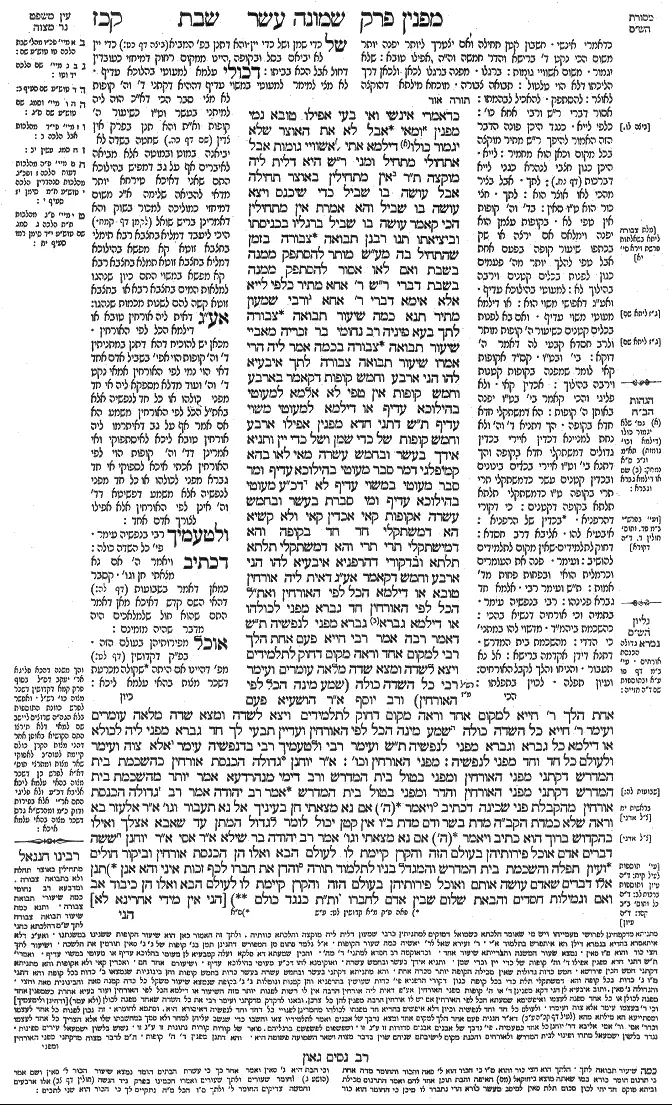
Shabbat 127a - Guemara
כדאמרי אינשי ואי בעי אפילו טובא נמי מפנין ומאי אבל לא את האוצר שלא יגמור כולו דילמא אתי לאשוויי גומות אבל אתחולי מתחיל ומני ר"ש היא דלית ליה מוקצה ת"ר אין מתחילין באוצר תחילה אבל עושה בו שביל כדי שיכנס ויצא עושה בו שביל והא אמרת אין מתחילין הכי קאמר עושה בו שביל ברגליו בכניסתו וביציאתו תנו רבנן תבואה צבורה בזמן שהתחיל בה מע"ש מותר להסתפק ממנה בשבת ואם לאו אסור להסתפק ממנה בשבת דברי ר"ש ר' אחא מתיר כלפי לייא אלא אימא דברי ר' אחא ורבי שמעון מתיר תנא כמה שיעור תבואה צבורה לתך בעא מיניה רב נחומי בר זכריה מאביי שיעור תבואה צבורה בכמה אמר ליה הרי אמרו שיעור תבואה צבורה לתך איבעיא להו הני ארבע וחמש קופות דקאמר בארבע וחמש קופות אין טפי לא אלמא למעוטי בהילוכא עדיף או דילמא למעוטי משוי עדיף ת"ש דתני חדא מפנין אפילו ארבע וחמש קופות של כדי שמן ושל כדי יין ותניא אידך בעשר ובחמש עשרה מאי לאו בהא קמיפלגי דמר סבר מעוטי בהילוכא עדיף ומר סבר מעוטי במשוי עדיף לא דכ"ע מעוטי בהילוכא עדיף ומי סברת בעשר ובחמש עשרה אקופות קאי אכדין קאי ולא קשיא הא דמשתקלי חד חד בקופה והא דמישתקלי תרי תרי והא דמשתקלי תלתא תלתא ובדקורי דהרפניא איבעיא להו הני ארבע וחמש דקאמר אע"ג דאית ליה אורחין טובא או דילמא הכל לפי האורחין ואת"ל הכל לפי האורחין חד גברא מפני לכולהו או דילמא גברא גברא מפני לנפשיה ת"ש דאמר רבה אמר רבי חייא פעם אחת הלך רבי למקום אחד וראה מקום דחוק לתלמידים ויצא לשדה ומצא שדה מלאה עומרים ועימר רבי כל השדה כולה (שמע מינה הכל לפי האורחין) ורב יוסף א"ר הושעיא פעם אחת הלך ר' חייא למקום אחד וראה מקום דחוק לתלמידים ויצא לשדה ומצא שדה מלאה עומרים ועימר ר' חייא כל השדה כולה שמע מינה הכל לפי האורחין ועדיין תבעי לך חד גברא מפני ליה לכולא או דילמא כל גברא וגברא מפני לנפשיה ת"ש ועימר רבי ולטעמיך רבי בדנפשיה עימר אלא צוה ועימר ולעולם כל חד וחד מפני לנפשיה:
מפני האורחין וכו':
א"ר יוחנן גדולה הכנסת אורחין כהשכמת בית המדרש דקתני מפני האורחין ומפני בטול בית המדרש ורב דימי מנהרדעא אמר יותר מהשכמת בית המדרש דקתני מפני האורחין והדר ומפני בטול בית המדרש אמר רב יהודה אמר רב גדולה הכנסת אורחין מהקבלת פני שכינה דכתיב (בראשית יח, ג) ויאמר (ה') אם נא מצאתי חן בעיניך אל נא תעבור וגו' א"ר אלעזר בא וראה שלא כמדת הקב"ה מדת בשר ודם מדת ב"ו אין קטן יכול לומר לגדול המתן עד שאבא אצלך ואילו בהקדוש ברוך הוא כתיב ויאמר (ה') אם נא מצאתי וגו' אמר רב יהודה בר שילא א"ר אסי א"ר יוחנן ששה דברים אדם אוכל פירותיהן בעולם הזה והקרן קיימת לו לעולם הבא ואלו הן הכנסת אורחין וביקור חולים ועיון תפלה והשכמת בית המדרש והמגדל בניו לתלמוד תורה והדן את חברו לכף זכות איני והא אנן) תנן אלו דברים שאדם עושה אותם ואוכל פירותיהן בעולם הזה והקרן קיימת לו לעולם הבא ואלו הן כיבוד אב ואם וגמילות חסדים והבאת שלום שבין אדם לחברו ות"ת כנגד כולם) [הני אין מידי אחרינא לא]
Comments from Rashi on Masechet Shabbat Page 127a
כדאמרי אינשי . חשבון קטן תחילה ואם יצטרך ליותר יפנה יותר משום הכי נקט ד' ברישא והדר חמשה וה"ה אפילו טובא: שלא יגמור . משום אשוויי גומות: ברגלו . מפנה ברגלו לכאן ולכאן דרך הליכתו דלא הוי טלטול: תבואה צבורה . מוכחא מילתא דהוקצה לאוצר: להסתפק . להאכיל לבהמתו אסור דברי ר"ש ור' אחא כו': כלפי לייא . כנגד היכן פונה הדבר הזה האמור להיפך ר"ש מתיר מוקצה בכל מקום וכאן הוא מחמיר: לייא . היכן כגון חצבי לנהרא כגני לייא דברכות (דף נח.): לתך . אבל בציר מהכי לאו אוצר הוא: לתך . חצי כור הוא ט"ו סאין: בד' וה' קופות אין טפי לא . בקופות עצמן הוא יפנה וימלאם אם ירצה או שק בכתפו שיעור קופה בפעם אחת אבל טפי להלך יותר מה' פעמים כגון לפנות בכלים קטנים וירבה בהילוך לא: למעוטי בהילוכא עדיף . ואע"ג דאפושי משוי הוא: או דילמא מעוטי משוי עדיף . ואם בא לפנות בכלים קטנים כשיעור ה' קופות מותר ולרב חסדא קבעי לה דאמר ה' דוקא: בי' ובט"ו . קס"ד אקופות קאי לומר שמפנה בקופות קטנות וירבה בהילוך: אכדין קאי . ולא פליגי והכי קאמר בי' בט"ו יפנה באותן ה' קופות: הא דמשתקלי חדא חדא בקופה . הך דתניא ד' וה' ולא נחת למניינא דכדין איירי בכדין גדולים דמשתקלי חדא בקופה והך דתנא בי' וט"ו איירי בכדים בינונים ובכדין קטנים עשר כדמשתקלי תרי תרי בקופה ט"ו כדמשתקלי תלתא תלתא בקופה דקטנים: כי דקורי דהרפניא . בכדין של הרפניא: איבעיא להו . אליבא דרב חסדא: דחוק לתלמידים . שאין מקום לתלמידים להושיב: ועימר . פנה את העומרים וכרמלית הואי ובפחות פחות מד' אמות: ת"ש ועימר רבי . אלמא חד גברא פנינהו: רבי בנפשיה עימר . בתמיה וכי אורחיה דנשיא בהכי: כהשכמת ביהמ"ד . מדשוי להו במתני' כי הדדי: מהשכמת בית המדרש . דתנא דידן אקדמה ברישא: אל נא תעבור . והניחו והלך לקבל האורחים: ועיון תפלה . לכוין בתפלתו:
Comments from Tosafot - Shabbat 127a
דכולי עלמא למעוטי בהלוכא עדיף . לא מצי למימר למעוטי במשוי עדיף דההיא דקתני ד' וה' קופות לא מצי סבר הכי דא"כ הוה ליה למיתני בעשר וט"ו כשיעור ה' קופות וא"ת והא תנן בפרק אין צדין (שם דף כה.) שחטה בשדה לא יביאנה במוט ובמוטה אלא מביאה לאיברים אף על גב דמפיש בהילוכא התם שאני דאיכא טירחא יותר מדאי להביאה שלימה א"נ משום דמיחזי כמוליכה למכור בשוק והא דאמרינן בריש שואל (לקמן שבת דף קמח.) היכי ליעבד דמליא בחצבא רבא תימלי בחצבא זוטא קא מפשא בהילוכא דמליא בחצבא זוטא תמלא בחצבא רבא קא מפשא במשוי התם כיון שנהגו למלאות המים בחצבא רבא או בחצבא זוטא קשה להם לשנות מכמות שנהגו: של כדי שמן ושל כדי יין . והא דתנן בפ' המביא (ביצה דף כט:) כדי יין לא יביאם בסל ובקופה היינו ממקום רחוק דמיחזי כעובדין דחול אבל הכא בביתו: אע"ג דאית ליה אורחין טובא או דילמא הכל לפי האורחין . מכאן יש להוכיח דהא דתנן במתניתין ד' וה' קופות הוי אפי' בשביל אדם אחד דאי הוי נמי לפי האורחין אמאי נקט ד' וה' ועוד מדלא מספקא ליה אי חד מפני כולהו או כל חד לנפשיה אלא באת"ל הכל לפי האורחין משמע הא אם אמר אף על גב דאיתרמו ליה אורחין טובא ליכא לאיסתפוקי ואי אמרינן דד' וה' קופות הוי לפי האורחין אכתי איכא לספוקי אי חד גברא מפני לכולהו או כל חד מפני לנפשיה אלא משמע דפשיטא דד' וה' אינן לפי האורחין אלא אפילו לצורך אדם אחד: ולטעמיך רבי בנפשיה עימר . פי' כל השדה כולה: דכתיב ויאמר ה' אם נא מצאתי חן וגו' . קסבר כמאן דאמר בשבועות (דף לה:) דהאי השם קדש דאיכא מאן דאמר התם שהוא חול שלמלאכים היה מדבר שהיה מזמינם: אוכל מפירותיהן בעולם הזה . בפ"ק דקדושין (דף לט:) מפ' דהיינו אם היתה שקולה מכרעת דשכר מצות בהאי עלמא ליכא:
Shabbat 127a - Mishnah translated into english
as people who are not so precise in their formulation say: Four or five. And if one so desires, he may clear even more. And what then is the meaning of: However, one may not move these items to create space in the storeroom? It means that one may not finish moving the baskets out of the entire storeroom, lest he come to level the floor by filling the holes. However, one may begin removing baskets from the storeroom. And whose opinion is cited in this mishna? It is the opinion of Rabbi Shimon, who is not of the opinion that there is a prohibition of set-aside.
The Sages taught in a baraita: One may not use the storeroom for the first time. If one has never taken supplies from this storeroom, he may not begin moving baskets from it. However, he makes a path in it, so that he will be able to enter and exit. The Gemara asks: He makes a path in it? Did you not say: One may not use the storeroom for the first time? The Gemara answers that the baraita is saying as follows: He makes a path in it by moving baskets with his feet, as he enters the storehouse and as he exits. He may not move the basket with his hand.
The Sages taught in a baraita: With regard to piled grain, if one had started to take grain from the pile on Shabbat eve, it is permitted to satisfy his needs from it on Shabbat, and if not, it is prohibited to satisfy his needs from it on Shabbat; this is the statement of Rabbi Shimon. Rabbi Aḥa permits doing so in any case. The Gemara raises a difficulty: On the contrary; it is Rabbi Shimon who is lenient with regard to the halakhot of set-aside. Rather, emend the baraita and say: This is the statement of Rabbi Aḥa. Rabbi Shimon permits doing so in any case.
It was taught: How much is the measure of piled grain needed to confer the legal status of a storeroom? A half-kor. Rav Naḥumi bar Zekharya raised a dilemma before Abaye: The measure of piled grain, how much is it? Abaye said to him that they said: The measure of piled grain is a half-kor.
A dilemma was raised before the Sages: These four or five baskets, which the tanna stated in the mishna, is he saying the following: Four or five baskets, yes, one may move them, more baskets, no, one may not move them? This would indicate that it is preferable to minimize the walking distance because fewer baskets results in less walking in and out of the storeroom. Or perhaps it is preferable to minimize the size of the burden by carrying smaller baskets, as long as the total measure of all that one carries does not exceed the capacity of five large baskets?
Come and hear a resolution to this dilemma, as one baraita taught: One may move even four or five baskets containing jugs of oil and jugs of wine. And it was taught in another baraita: One may move them even in ten and in fifteen baskets. What, is it not that the two baraitot disagree concerning the following matter, as this Sage in the first baraita holds that it is preferable to minimize the walking distance by moving fewer, heavier baskets, and this Sage in the second baraita holds that it is preferable to minimize the size of the burden by moving lighter baskets over the course of several trips.
The Gemara rejects this: No, everyone agrees that it is preferable to minimize the walking distance. And do you hold that: In ten and in fifteen, is referring to baskets? It is referring to jugs, and there is no dispute between the baraitot. And this is not difficult: This baraita, which spoke of moving five, is referring to a case in which the jugs are taken one by one in each basket. And that baraita, which speaks of moving ten, is referring to a case in which the jugs are taken two by two in each basket. And that baraita, which speaks of moving fifteen, is referring to a case in which the jugs are taken three by three, e.g., in the case of the small jugs of Harpanya.
A dilemma was raised before the Sages: These four or five baskets, which the tanna stated in the mishna, is he saying that one may move only four or five baskets even though he has many guests? Or perhaps, it is all according to the number of guests, and if there are more guests one may move more baskets. And if you say it is all according to the number of guests, does one man move the baskets to make room for all of them, or perhaps each and every man moves a basket to make room for himself?
Come and hear a resolution to this dilemma from that which Rabba said that Rav Ḥiyya said: Once Rabbi Yehuda HaNasi went to a certain place and saw that the place was too crowded for the students. And he went to the field and found a field full of bundles of grain, and Rabbi Yehuda HaNasi cleared the bundles from the whole field in its entirety. Conclude from it that the quantity that can be moved is all according to the number of guests.
And Rav Yosef said that Rav Hoshaya said: Once Rabbi Ḥiyya went to a certain place and saw that the place was too crowded for the students. And he went to the field and found a field full of bundles of grain, and Rabbi Ḥiyya cleared the bundles from the whole field in its entirety. Conclude from it that the quantity that can be moved is all according to the number of guests.
The Gemara continues: And still you have a dilemma. Does one man move the baskets to make room for all of them, or perhaps each and every man moves baskets to make room for himself?
Come and hear a resolution to this question. We learned: And Rabbi Yehuda HaNasi cleared the bundles. Apparently, one person moved the bundles to make room for the others. The Gemara rejects the proof: And according to your reasoning, your opinion, do you think Rabbi Yehuda HaNasi, the spiritual leader of his generation, cleared the bundles himself? Rather, he ordered others to do so, and he thereby cleared the bundles. And actually, each and every one moves a bundle to make room for himself.
We learned in the mishna: One may move baskets of produce due to the guests and in order to prevent the suspension of Torah study in the study hall. Rabbi Yoḥanan said: Hospitality toward guests is as great as rising early to go to the study hall, as the mishna equates them and teaches: Due to the guests and due to suspension of Torah study in the study hall. And Rav Dimi from Neharde’a says: Hospitality toward guests is greater than rising early to the study hall, as it teaches: Due to the guests, and only afterward: And due to suspension of Torah study in the study hall. Rav Yehuda said that Rav said on a related note: Hospitality toward guests is greater than receiving the Divine Presence, as when Abraham invited his guests it is written: “And he said: Lord, if now I have found favor in Your sight, please pass not from Your servant” (Genesis 18:3). Abraham requested that God, the Divine Presence, wait for him while he tended to his guests appropriately. Rabbi Elazar said: Come and see that the attribute of the Holy One, Blessed be He, is not like that of flesh and blood. The attribute of flesh and blood people is such that a less significant person is unable to say to a more significant person: Wait until I come to you, while with regard to the Holy One, Blessed be He, it is written: “And he said: Lord, if now I have found favor in Your sight, please pass not from Your servant.” Abraham requested that God wait for him due to his guests.
Rav Yehuda bar Sheila said that Rabbi Asi said that Rabbi Yoḥanan said: There are six matters a person enjoys the profits of in this world, and nevertheless the principal exists for him for the World-to-Come, and they are: Hospitality toward guests, and visiting the sick, and consideration during prayer, and rising early to the study hall, and one who raises his sons to engage in Torah study, and one who judges another favorably, giving him the benefit of the doubt.
The Gemara asks: Is that so? And did we not learn in a mishna: These are the matters that a person does them and enjoys their profits in this world, and nevertheless the principal exists for him for the World-to-Come, and they are: Honoring one’s father and mother, and acts of loving kindness, and bringing peace between a person and another, and Torah study is equal to all of them. By inference: These matters, yes, one enjoys their profits in this world and the principal exists for him in the World-to-Come; other matters, no.
Traduction : The William Davidson digital edition of the Koren Noé Talmud, with commentary by Rabbi Adin Even-Israel Steinsaltz.