 Talmud Bavli
Shabbat 110a : Youtube
Daf TubeYoutube
2 video classes :
Shabbat Page 110a
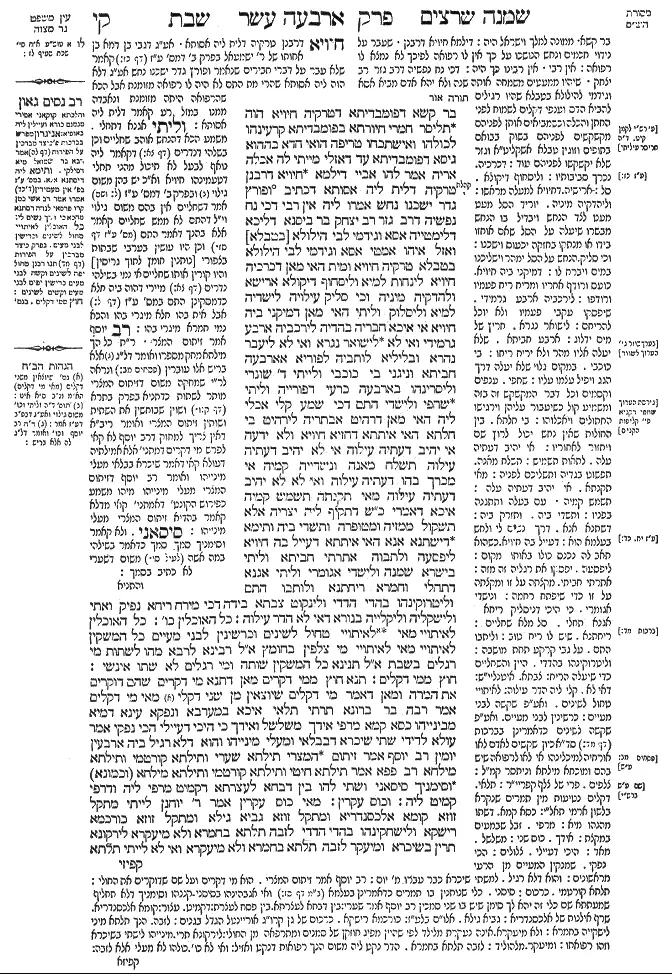
Shabbat 110a - Guemara
בר קשא דפומבדיתא דטרקיה חיויא הוה תליסר חמרי חיורתא בפומבדיתא קרעינהו לכולהו ואישתכחו טריפה הואי חדא בההוא גיסא דפומבדיתא עד דאזלי מייתי לה אכלה אריה אמר להו אביי דילמא חיויא דרבנן טרקיה דלית ליה אסותא דכתיב (קהלת י, ח) ופורץ גדר ישכנו נחש אמרו ליה אין רבי דכי נח נפשיה דרב גזר רב יצחק בר ביסנא דליכא דלימטייה אסא וגידמי לבי הילולא [בטבלא] ואזל איהו אמטי אסא וגידמי לבי הילולא בטבלא טרקיה חיויא ומית האי מאן דכרכיה חיויא לינחות למיא וליסחוף דיקולא ארישא ולהדקיה מיניה וכי סליק עילויה לישדיה למיא וליסלוק וליתי האי מאן דמיקני ביה חיויא אי איכא חבריה בהדיה לירכביה ארבע גרמידי ואי לא לישואר נגרא ואי לא ליעבר נהרא ובליליא לותביה לפוריא אארבעה חביתא וניגני בי כוכבי ולייתי ד' שונרי וליסרינהו בארבעה כרעי דפורייה וליתי שחפי ולישדי התם דכי שמע קלי אכלי ליה האי מאן דרהיט אבתריה לירהיט בי חלתא האי איתתא דחזיא חיויא ולא ידעה אי יהיב דעתיה עילוה אי לא יהיב דעתיה עילוה תשלח מאנה ונשדייה קמיה אי מכרך בהו דעתיה עילוה ואי לא לא יהיב דעתיה עילוה מאי תקנתה תשמש קמיה איכא דאמרי כ"ש דתקיף ליה יצריה אלא תשקול ממזיה ומטופרה ותשדי ביה ותימא דישתנא אנא האי איתתא דעייל בה חיויא ליפסעה ולתבוה אתרתי חביתא וליתי בישרא שמנה ולישדי אגומרי וליתי אגנא דתחלי וחמרא ריחתנא ולותבו התם וליטרוקינהו בהדי הדדי ולינקוט צבתא בידה דכי מירח ריחא נפיק ואתי ולישקליה וליקלייה בנורא דאי לא הדר עילוה:
כל האוכלין כו':
כל האוכלין לאיתויי מאי לאיתויי טחול לשינים וכרשינין לבני מעיים כל המשקין לאיתויי מאי לאיתויי מי צלפין בחומץ א"ל רבינא לרבא מהו לשתות מי רגלים בשבת א"ל תנינא כל המשקין שותה ומי רגלים לא שתו אינשי:
חוץ ממי דקלים:
תנא חוץ ממי דקרים מאן דתנא מי דקרים שהם דוקרים את המרה ומאן דאמר מי דקלים שיוצאין מן שני דקלי מאי מי דקלים אמר רבה בר ברונא תרתי תלאי איכא במערבא ונפקא עינא דמיא מבינייהו כסא קמא מרפי אידך משלשל ואידך כי היכי דעיילי הכי נפקי אמר עולא לדידי שתי שיכרא דבבלאי ומעלי מינייהו והוא דלא רגיל ביה ארבעין יומין רב יוסף אמר זיתום המצרי תילתא שערי ותילתא קורטמי ותילתא מילחא רב פפא אמר תילתא חיטי ותילתא קורטמי ותילתא מילחא (וכמונא) וסימניך סיסאני ושתי להו בין דבחא לעצרתא דקמיט מרפי ליה ודרפי קמיט ליה:
וכוס עקרין:
מאי כוס עקרין אמר ר' יוחנן לייתי מתקל זוזא קומא אלכסנדריא ומתקל זוזא גביא גילא ומתקל זוזא כורכמא רישקא ולישחקינהו בהדי הדדי לזבה תלתא בחמרא ולא מיעקרא לירקונא תרין בשיכרא ומיעקר לזבה תלתא בחמרא ולא מיעקרא ואי לא לייתי תלתא
Comments from Rashi on Masechet Shabbat Page 110a
בר קשא . ממונה למלך וישראל היה: דילמא חיויא דרבנן . שעבר על נידוי חכמים ונחש הנושכו על כך אין לו רפואה לפיכך לא נמצא לו רפואה: אין רבי . אין רבינו כך היה: דכי נח נפשיה דרב גזר רב יצחק . שיהיו ממעטים משמחה אותה שנה ולא יהא אדם מביא אסא וגידמי להילולא בטבלא שהיו רגילים להביא הדס וענפי דקלים לשמוח לפני החתן והכלה וכשמביאים אותן לפניהם מקשקשים לפניהם בשוק בבואם בתופים וזוגין טבלא אשקליט"א וגזר שלא יקשקשו לפניהם עוד: דכרכיה . נכרך סביבותיו: וליסחוף דיקולא . סל: ארישיה . דחיויא למעלה מראשו: וליהדקיה מיניה . יוריד הסל מעט מעט לצד הנחש ויבדיל בו הנחש מבשרו שיעלה על הסל שאם אוחזו בידו או מנתקו בחזקה יכעוס וישכנו: וכי סליק . הנחש על הסל ימהר וישליכנו במים ויברח לו: דמיקני ביה חיויא . כועס ורודף אחריו ומריח ריח פעמיו ורודפו: לירכביה ארבע גרמידי . שיפסקו עקבי פעמיו ולא יוכל להריחם: לישואר נגרא . חריץ של מים ידלוג: ארבע חביתא . שלא יעלה אליו מהר ולא יריח ריחו: בי כוכבי . במקום גלוי שלא יעלה דרך הגג ויפיל עצמו עליו: שחפי . ענפים וקסמים וכל דבר המקשקש זה בזה ומשמיע קול כשיעבור עליהן וירגישו החתולים ויאכלוהו: בי חלתא . בין החולות שאין נחש יכול לרוץ שם ויחזור לאחוריו: אי יהיב דעתיה עלה . לתאות תשמיש: תשלח מאנה . תפשוט בגדיה ותשליכם לפניה: מאי תקנתא . אי יהיב דעתיה עלה: תשמש קמיה . עם בעלה ותתגנה בפניו: ותשדי ביה . ותזרק ביה: דשתנא אנא . דרך נשים לי ולחש בעלמא הוא: דעייל בה חיויא . כשהוא תאב לה נכנס כולו באותו מקום: ליפסעה . יפסקו את רגליה זה מזה: אתרתי חביתי . מקצתה על זו ומקצתה על זו כדי שיפתח רחמה: ונישדי אגומרי . כי היכי דניסליק ריחא: אגנא תחלי . סל מלא שחליים: ריחתנא . שיש לו ריח טוב: וליתבו התם . על גבי קרקע תחת מושבה: וליטרוקינהו בהדדי . היין והשחליים כדי שיעלה הריח: צבתא . איטנליי"ש: דאי לא . קלי ליה הדר עילוה: לאיתויי טחול לשינים . ואע"פ שקשה לבני מעיים: כרשינין לבני מעיים . ואע"פ שקשה לשינים כדאמרינן בברכות (דף מד:) סד"א כיון שקשים לאדם לאו אורחיה למיכלינהו אי לאו לרפואה שיש בהם ומוכחא מילתא וניתסר קמ"ל: צלפים . פרי של צלף קפריי"ר: תלאי . דקלים נטיעות מין תמרים שנקרא בלשון ארמי תאל"י: כסא קמא . דשתו מהנהו מיא: מרפי . זבל שבמעים במקצת: אידך . כוס שני: משלשל . מאד: היכי דעיילי . צלולים: הכי נפקי . שמנקין המעיים מן הרעי מראשונים: והוא דלא רגיל . למשתי שיכרא כבר עברו מ' יום: רב יוסף אמר זיתום המצרי . הוא מי דקרים ועל שם שדוקרים את החולי: תלתא קורטמי . כרכום: סיסני . כלי שנותנין בו תמרים כדאמרינן בעלמא (ב"מ דף סז:) ואי אגבהינהו בסיסני קננהו וסימניך דלא תחליף שמעתתא שם כלי זה יהא לך סימן שיש בו שני סמכין רב יוסף אמר שערי: בין דבחא לעצרתא . בין פסח לעצרת: דקמיט . עצור: קומא אלכסנדריא . שרף אילנות של אלכסנדריא: גביא גילא . אלו"ם בלע"ז: כורכמא רישקא . כרכום של גן קרו"ג אוריינטל הגדל בגנים: לזבה . הנך תלתא מיני לישקייה בחמרא: ולא מיעקרא . אינה נעקרת מלילד לפי שהיין מפיג חוזקן של סמנים ומתרפאה מן החולי: לירקונא תרי . מינייהו לישתי בשיכרא וזהו רפואתו: ומיעקר . מלהוליד: לזבה תלתא בחמרא . הדר נקט ליה משום הנך רפואות דנקט ואזיל: ואי לא כו' . כולהו לא מעלי אלא לזבה:
Comments from Tosafot - Shabbat 110a
חיויא דרבנן טרקיה דלית ליה אסותא . אע"ג דגבי בן דמא בן אחותו של ר' ישמעאל בפרק ב' דמס' ע"ז (דף כז:) קאמר שלא עבר על דברי חבירים שנאמר ופורץ גדר ישכנו נחש אע"ג דלא הוה ליה אסותא שהרי מת התם לא היה לו רפואה מזומנת אבל הכא שהרפואה היתה מזומנת ונאבדה ממנו במזל רע קאמר דלית ליה אסותא: וליתי אגנא דתחלי . משמע הכא דהנחש אוהב שחליים וכן בשלהי דנדרים (דף צא:) דקאמר ליה נואף לבעל לא תיכול מהני תחלי דטעמינהו חיויא וא"כ יש בהן משום גילוי ובפרק ב' דמס' ע"ז (ל: ושם) אמר דשחליים אין בהם משום גילוי וי"ל דהתם לא ממש שחליים קאמר אלא בהנך דאמר התם (מס' ע"ז דף סז.) וכן היו עושין בערבי שבתות בצפורי [נותנין חומץ לתוך גריסין] והיו קורין אותו שחליים אי נמי בשילהי נדרים (דף צא:) מיירי דהוה ביה חלא כדמסקינן התם במס' ע"ז (דף ל:) אבל אית בהו חלא מיגרי בהו והכא נמי חמרא מיגרי בהו: רב יוסף אמר זיתום המצרי . ר"ת כל הך מילתא מחק מספרו ואומר דל"ג אלא בריש אלו עוברין (פסחים מב:) ונראה לר"י שמחקה משום דזיתום המצרי מותר לשתות כדתניא בפרק בתרא (דף קנו.) ושוין שבוחשין את השתית ושותין זיתום המצרי ואומר ריב"א דאין צריך למחוק דרב יוסף לא קאי לפרש מי דקרים דמתני' אלא אמילתיה דעולא קאי דאמר שיכרא בבלאי מעלי מינייהו ואומר רב יוסף דזיתום המצרי מעלי מינייהו מיהו משמע כפירוש הקונט' דאמתני' קאי מדלא קאמר בהדיא זיתום המצרי מעלי מינייהו: סיסאני . ולא קאמר וסימניך סמך סמך כדאמר בשילהי במה אשה (לעיל שבת סו.) משום דשערי לא כתיב בסמך:
Shabbat 110a - Mishnah translated into english
Jewish official in Pumbedita that was bitten by a snake. There were thirteen white donkeys in Pumbedita and they tore them all open and they were found to be tereifot. There was one donkey on the other side of Pumbedita, and until they went to bring it, a lion ate it. Abaye said to them: Since all of these things have happened, perhaps a snake of the Rabbis bit him, for which there is no cure, as it is written: “One that digs a pit will fall into it, and one who breaches a fence will be bitten by a snake” (Ecclesiastes 10:8). Perhaps this person violated a rabbinic decree, also known as a fence, and was bitten by a snake as punishment. That bite has no cure. They said to him: Yes, my teacher, it is so, as when Rav died Rav Yitzḥak bar Bisna ruled that one may not bring myrtle and palm branches to a wedding hall to accompany bells, and he went and brought myrtle and palm branches to the wedding hall with bells. Therefore, a snake bit him. And it is reported that ultimately the official died.
The Gemara cites additional information about the dangers posed by snakes and how to deal with them. One whom a snake encircled should descend into water and place a basket on his head and remove the snake slowly from him into the basket. And once the snake goes into the basket, let him throw it into the water and climb and emerge. One at whom a snake is angry and is being pursued by a snake, if he has another with him, let him ride him four cubits. And if not, let him jump over a ditch. And if not, let him cross a river. And at night let him place his bed on four barrels and sleep outside beneath the stars. And let one bring four cats and let one tie them to the four legs of the bed. And let one bring twigs and branches and throw them there so that when the cats hear the sound of the snake crawling they will eat it. One who is being pursued by a snake, let him run in sand because a snake cannot move as quickly in sand as a person can.
A woman who is seen by a snake and does not know whether it has directed his attention toward her or whether it has not directed his attention toward her, she should remove her garment and throw it before the snake. If the snake wraps itself in the garments, it is an indication that it has directed his attention toward her; and if not, it is an indication that it has not directed his attention toward her.
What is her remedy so the snake will leave her alone? She should have relations with her husband before the snake. Some say: If she has relations in front of the snake, all the more so that its desire will become stronger. Rather, she should take from her hair and her nails and throw them at the snake, and say the following to it as an incantation: I am a menstruating woman [dishtana]. A woman whom a snake has entered, let them spread her legs and place her on two barrels, and let them bring fatty meat and throw it onto coals. And let them bring her a bowl of cress and fragrant wine and place them there and mix them together. And she should take tongs in her hand, as when the snake smells the fragrance it emerges. And then one should take the snake and burn it in the fire, as if it is not burned, it will come back onto her.
We learned in the mishna: All types of food that healthy people eat may be eaten by one eating them for medicinal purposes on Shabbat. The Gemara asks: The phrase: All foods, what does it come to include? The Gemara answers: It comes to include spleen for healing teeth and vetch for healing intestines, although they are not common foods. We also learned in the mishna: And one may drink all drinks on Shabbat. The Gemara asks: The phrase: All drinks, what does it come to include? The Gemara answers: It comes to include mixing water in which capers have soaked, with vinegar. Ravina said to Rava: What is the ruling with regard to drinking urine on Shabbat? Rava said to him: We already learned in the mishna: One may drink all drinks, and people do not drink urine and is not considered a drink. It is only consumed for medical purposes and is therefore prohibited.
We learned in the mishna: One may drink anything on Shabbat except for palm tree water [mei dekalim]. It was taught slightly differently in the Tosefta: Water that stabs [mei dekarim]. The Gemara explains: The one who taught water that stabs means that the waters pierce the gall bladder; and the one who said palm tree water means that they come from two palm trees. In order to explain what palm tree water is, Rabba bar Beruna said: There are two palm trees in Eretz Yisrael, and a spring of water emerges from between them. The first cup one drinks of this water loosens the intestines, another cup causes diarrhea, and another, a third cup, just as it entered as water, so too it emerges. Ulla said: For me, I drink Babylonian beer, and it is more effective than palm tree water in causing diarrhea. The Gemara comments: And this is true. It is effective for the stomach when the person who drinks it has not become accustomed to beer for forty days.
Rav Yosef said: Water that stabs is Egyptian zitom, which is made from one-third barley, and one-third saffron, and one-third salt. Rav Pappa said: It is one-third wheat, and one-third saffron, and one-third salt and cumin. And this is your mnemonic to remember which said zitom is made from barley: A basket which is called sisanei, a word with two samekhs. This word alludes to the fact that Rav Yosef, who has a samekh in his name, is the one who says that Egyptian zitom is made from barley [se’orim], which has the letter sin. Sin is interchangeable with samekh. And one should drink it between Passover and Shavuot. For one whose intestines are blocked, it will loosen his intestines and cure him; and for one whose bowels are loose, it will block him and cure him as well.
And we also learned about a kos ikarin in the mishna. The Gemara asks: What is a kos ikarin? Rabbi Yoḥanan said: Let one bring the weight of a zuz of Alexandrian gum, and a weight of a zuz of alum, and a weight of a zuz of garden saffron, and let one grind them together. The procedure for treating a zava is that she should drink these three ingredients with wine, and she will be cured of her emission and will not become barren. For treating jaundice one should drink two of these ingredients with beer; however, one will become sterile from it. It was said that for treating a zava, she should drink these three ingredients with wine and she will be healed from her emission and will not become barren. And if it is not effective, let one bring three
Traduction : The William Davidson digital edition of the Koren Noé Talmud, with commentary by Rabbi Adin Even-Israel Steinsaltz.