 Talmud Bavli
The learning on the whole site is dedicated : L'ilui Nishmat Nissim ben Barukh Malka
The learning on the whole site is dedicated : For the success of Elyahou ben H'anna & family
The learning on the whole site is dedicated : L'ilui Nishmat Jacques Isaac Ben Amram Loubaton
Shabbat 94b : Youtube
Daf TubeYoutube
3 video classes :
Shabbat Page 94b
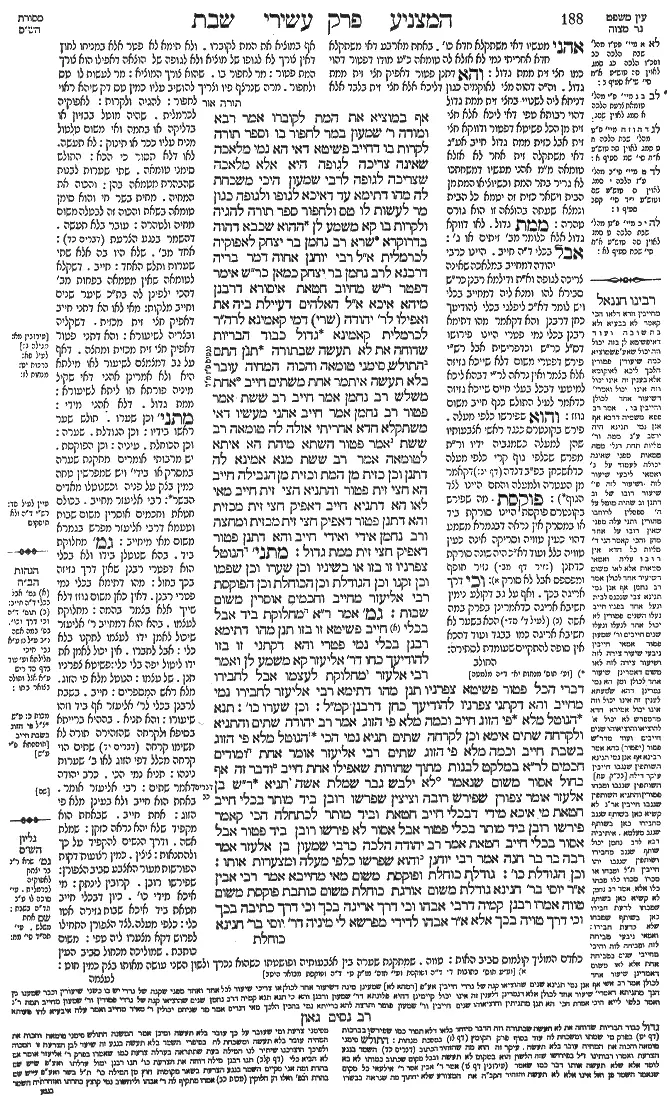
Shabbat 94b - Guemara
אף במוציא את המת לקוברו אמר רבא ומודה ר' שמעון במר לחפור בו וספר תורה לקרות בו דחייב פשיטא דאי הא נמי מלאכה שאינה צריכה לגופה היא אלא מלאכה שצריכה לגופה לרבי שמעון היכי משכחת לה מהו דתימא עד דאיכא לגופו ולגופה כגון מר לעשות לו טס ולחפור ספר תורה להגיה ולקרות בו קא משמע לן ההוא שכבא דהוה בדרוקרא שרא רב נחמן בר יצחק לאפוקיה לכרמלית א"ל רבי יוחנן אחוה דמר בריה דרבנא לרב נחמן בר יצחק כמאן כר"ש אימר דפטר ר"ש מחיוב חטאת איסורא דרבנן מיהא איכא א"ל האלהים דעיילת ביה את ואפילו לר' יהודה (שרי) דמי קאמינא לרה"ר לכרמלית קאמינא גדול כבוד הבריות שדוחה את לא תעשה שבתורה תנן התם התולש סימני טומאה והכוה המחיה עובר בלא תעשה איתמר אחת משתים חייב אחת משלש רב נחמן אמר חייב רב ששת אמר פטור רב נחמן אמר חייב אהני מעשיו דאי משתקלא חדא אחריתי אזלה לה טומאה רב ששת אמר פטור השתא מיהת הא איתא לטומאה אמר רב ששת מנא אמינא לה דתנן וכן כזית מן המת וכזית מן הנבילה חייב הא חצי זית פטור והתניא חצי זית חייב מאי לאו הא דתניא חייב דאפיק חצי זית מכזית והא דתנן פטור דאפיק חצי זית מכזית ומחצה ורב נחמן אידי ואידי חייב והא דתנן פטור דאפיק חצי זית ממת גדול:
מתני׳ הנוטל צפרניו זו בזו או בשיניו וכן שערו וכן שפמו וכן זקנו וכן הגודלת וכן הכוחלת וכן הפוקסת רבי אליעזר מחייב וחכמים אוסרין משום שבות:
גמ׳ אמר ר"א מחלוקת ביד אבל בכלי חייב פשיטא זו בזו תנן מהו דתימא רבנן בכלי נמי פטרי והא דקתני זו בזו להודיעך כחו דר' אליעזר קא משמע לן ואמר רבי אלעזר מחלוקת לעצמו אבל לחבירו דברי הכל פטור פשיטא צפרניו תנן מהו דתימא רבי אליעזר לחבירו נמי מחייב והא דקתני צפרניו להודיעך כחן דרבנן קמ"ל:
וכן שערו כו':
תנא הנוטל מלא פי הזוג חייב וכמה מלא פי הזוג אמר רב יהודה שתים והתניא ולקרחה שתים אימא וכן לקרחה שתים תניא נמי הכי הנוטל מלא פי הזוג בשבת חייב וכמה מלא פי הזוג שתים רבי אליעזר אומר אחת ומודים חכמים לר"א במלקט לבנות מתוך שחורות שאפילו אחת חייב ודבר זה אף בחול אסור משום שנאמר (דברים כב, ה) לא ילבש גבר שמלת אשה תניא ר"ש בן אלעזר אומר צפורן שפירש רובה וציצין שפרשו רובן ביד מותר בכלי חייב חטאת מי איכא מידי דבכלי חייב חטאת וביד מותר לכתחלה הכי קאמר פירשו רובן ביד מותר בכלי פטור אבל אסור לא פירשו רובן ביד פטור אבל אסור בכלי חייב חטאת אמר רב יהודה הלכה כרבי שמעון בן אלעזר אמר רבה בר בר חנה אמר רבי יוחנן והוא שפרשו כלפי מעלה ומצערות אותו:
וכן הגודלת כו':
גודלת כוחלת ופוקסת משום מאי מחייבא אמר רבי אבין א"ר יוסי בר' חנינא גודלת משום אורגת כוחלת משום כותבת פוקסת משום טווה אמרו רבנן קמיה דרבי אבהו וכי דרך אריגה בכך וכי דרך כתיבה בכך וכי דרך טויה בכך אלא א"ר אבהו לדידי מפרשא לי מיניה דר' יוסי בר' חנינא
Comments from Rashi on Masechet Shabbat Page 94b
אף במוציא את המת לקוברו . ולא תימא לא פטר אלא במניחו לחוץ דאין צורך לא לגופו של מוציא ולא לגופה של הוצאה דאפילו הוא צורך המת פטור: מר לחפור בו . שהוא צורך המוציא: מר לעשות לו טס ולחפור . מרה שנרצף פיו וצריך להושיב עליו כמין טס דק שיהא ראוי לחפור: להגיה ולקרות: לאפוקיה לכרמלית . שהיה מוטל בבזיון או בדליקה או בחמה ואי משום טלטול מניח עליו ככר או תינוק: לא תעשה . לאו דלא תסור כי הכא: התולש סימני טומאה . שתי שערות לבנות שהבהרת מטמאה בהן: והכוה את המחיה . מחית בשר חי והוא סימן טומאה בשאת והכוה זה לבטלה משום מחיה ולטהרה: עובר בלא תעשה . דהשמר בנגע הצרעת (דברים כד): אחד מב' . שלא היו בה אלא שתי שערות ותלש האחד: חייב . דשקלא לטומאה שאין מטמאה בפחות מב' דהכי ילפינן לה בת"כ שיער שנים וחייב מלקות: מאי לאו הא דתני חייב דאפיק חצי זית מכזית . דשקליה ובצריה לשיעורא: והא דתני פטור דאפיק חצי זית מכזית ומחצה . דאף על גב דמצמצם לשיעור לאו מילתא היא ולא אמרינן אהני דאי שקיל מיניה פורתא תו ליתא לשיעורא: ממת גדול . דלא אהני מידי: מתני' וכן שערו . תולש שער ראשו בידיו: וכן הגודלת . שערה: וכן הכוחלת . עיניה: וכן הפוקסת . יש מרבותי אומרים מתקנת שערה במסרק או בידי' ויש שמפרשין טחה כמין בצק על פניה וכשנוטלו מאדים הבשר: רבי אליעזר מחייב . בכולם חטאת וחכמים אוסרין משום שבות וטעמא דרבי אליעזר מפרש בגמרא משום מאי מיחייב: גמ' מחלוקת ביד . בהא שנוטלן בידו ולא בכלי הוא דפטרי רבנן שאין דרך גזיזה בכך בחול: מהו דתימא בכלי נמי פטרי רבנן . דאין כאן משום גוזז דלא שייך אלא בצמר בהמה: מחלוקת לעצמו . בהא הוא דמחייב ר' אליעזר שיכול לאמן ידו לעצמו לתקנו בלא כלי: אבל לחברו . אין יכול לאמן את ידו ליטול יפה בלי כלי: פשיטא צפרניו תנן . של עצמו: הנוטל מלא פי הזוג . מלא ראש המספרים: חייב . בשבת לרבנן בכלי לר' אליעזר אף ביד וזהו שיעורו: והא תניא . בההיא ברייתא בסיפא ולקרחה שהזהירה תורה לא תשימו קרחה (דברים יד) שתים הוי קרחה מכלל דפי הזוג לאו ב' שערות נינהו: תניא נמי הכי . כרב יהודה דאמר שתים: רבי אליעזר אומר . באחת הוא חייב ולא בעינן מלא פי הזוג: אחת חייב . שבאחת הוא מקפיד שלא יהא נראה כזקן: שמלת אשה . ודרך הנשים להקפיד על כך ולהתנאות: ציצין . כמין רצועות דקות הפורשות מעור האצבע סביב הצפורן: שפירשו רובן . קרובין לינתק: מי איכא מידי כו' . כיון דבכלי חייב חטאת ביד איכא שבות גזירה אטו כלי: כלפי מעלה . לצד הצפורן התחילו לפרוש דקא מצערו ליה טפי: משום כותבת . שמוליכה מכחול סביב העין כאדם המוליך קולמוס סביב האות: טווה . שמתקנת שערה בין אצבעותיה ופושטתו כשהוא נכרך ולשון השני עושה מאותו בצק כמין חוט:
Comments from Tosafot - Shabbat 94b
את המת במטה חייב . נראה לר"י דמהכא קים לן בכל דוכתא דאית ליה לר' יהודה מלאכה שאינה צריכה לגופה חייב עליה דמסתמא ת"ק דר"ש היינו רבי יהודה כי ההיא דלעיל זה אינו יכול וזה אינו יכול דת"ק דר"ש היינו ר' יהודה כדמוכח בגמ' ורשב"א אומר דיש להביא מדתנן לעיל (שבת דף צ.) ר' יהודה אומר אף המוציא משמשי ע"ז דהוי מלאכה שאינה צריכה לגופה: רבי שמעון פוטר . נראה לר"י דמלאכה שאינה צריכה לגופה קרי כשעושה מלאכה ואין צריך לאותו צורך כעין שהיו צריכין לה במשכן אלא לענין אחר כי הצורך שהיתה מלאכה נעשית בשבילו במשכן הוא גוף (איסור) המלאכה ושורשו ולפי זה אתי כולהו שפיר הוצאת המת אין צריך למת ובמשכן היו צריכין לחפצים שהוציאו צד נחש שלא ישכנו אינו צריך לנחש ובמשכן היו צריכין לתחש וחלזון ומפיס מורסא להוציא ליחה המזיקתו ואין עומד להכניס אויר ולהוציא ליחה תמיד אע"פ שנעשה פתח גמור שהרי ראוי (הוא) להכניס ולהוציא אם היה צריך מ"מ לא דמי לפתחים שבמשכן שהיו עומדין להכניס ולהוציא אבל לעשות לה פה דמיא למשכן וחייב והריגת המזיקין אין צריך להם ובמשכן היו צריכין לעורות אילים הנשחטים וחופר גומא ואינו צריך אלא לעפרה ובמשכן היו צריכין לגומא לנעוץ בה או לדבר אחר וזב בכיס שלא יטנפו כליו הוי אינה צריכה לגופה שאינו צריך לכיס עצמו ואפילו למנות ראיותיו או נקיים דצריך הכיס מ"מ אין צריך להוצאה זו דה"נ סגי ליה אי יתיב בחד דוכתא ומכבה גחלת שלא יזוקו בה רבים וכחס על הנר ועל השמן או על הפתילה המהובהבת כבר אין צריכין לגופן שבמשכן לא היה כיבוי אלא לעשות פחמין בכיבוי זה ומתקנין על יד כיבוי זה שיהו ראויין למלאכת הצורפין וכיבוי כדי שלא יקדיחו הסממנין בבישולן לא היה במשכן כי זהירים היו שלא להרבות אש יותר מדאי וכן סותר ע"מ לבנות נמי לא מחייב ר' שמעון דבעי שתהא צריכה לגופה אלא כגון שסותר ע"מ לתקן יותר ממה שהיה בתחלה כגון שהבנין האחרון טוב מן הראשון כדמוכח בשמעתין דחס על הנר וכן קורע על מתו או שובר כלים למירמי אימתא אאינשי דביתיה אין צריכין לגופה דבמשכן היתה קריעה לצורך תיקון דבר הנקרע ואע"ג דבהוצאה לא בעי רבי שמעון שיהא לגמרי כמו שהיה במשכן דלא בעי מר לעשות לו טס או ס"ת להגיה אע"פ שבמשכן הוצאת הנדבה היתה כדי לתקנה לעשות ממנה משכן וכלים במקלקלים כגון מכבה וסותר וקורע מסתברא דצריך שיהא על מנת לתקן כמו במשכן ולא חשיבי המקלקלים צריכות לגופה עד דהוי לגופו ולגופה והא דלא קרי לה לגופו ולגופה כיון דבעו תרוייהו בכלל לגופה היא אבל לגבי מר וס"ת כיון דלא בעי אלא לגופו דהא לא בעי במר לעשות בו טס וס"ת כדי להגיה בו לא הוי בכלל לגופה ולפי שצריכות לגופה הוי כעין דהוי במשכן כמו שפיר' הוצרך להשמיענו במר דלא בעינן לעשות לו טס כמו שהיה במשכן ורש"י דפירש דברצונו לא היתה באה לו ולא היה צריך לה שאינה אלא לסלקה מעליו כמו צד נחש שלא ישכנו או מכבה גחלת שלא יזוקו בו רבים דברצונו שלא היה בעולם וכן בפרק במה מדליקין (לעיל שבת דף לא:) פירש כחס על הפתילה המהובהבת כבר דאינה צריכה לגופה משום דאין צריך לכיבוי זה ואם לא הובערה מעולם הוה ניחא ליה דהואיל וחס עליה כי אית בה טפי הוה ניחא ליה בה קשה מסותר על מנת לבנות כמו בתחלה וקורע בחמתו למירמי אימתא אאינשי דביתיה דהתם צריך למלאכה ורוצה הוא שיהא בעולם ואין לומר דלא ניחא ליה שיצטרך למירמי אימתא אם כן מפיס מורסא לעשות לה פה יהא פטור דברצונו היה שלא היה מורסא מעולם וכן קורע יריעה שנפל בה דרנא על מנת לתפור דברצונו לא היה נופל בה וכן תופר בגד קרוע ברצונו שלא היה קרוע אלא צריך לפרש כדפירשתי: גדול כבוד הבריות שדוחה את לא תעשה שבתורה . קשה לר"ת דגבי טלטול דהוי איסורא דרבנן לא שרינן משום כבוד הבריות אלא ע"י ככר או תינוק כדאמר בפרק במה מדליקין (לעיל שבת דף ל:) ובפרק כירה (שם דף מג:) ויש לומר דשאני טלטול דאפשר על ידי ככר או תינוק לכך לא התיר בענין אחר: אהני מעשיו דאי משתקלא חדא כו' . באחת מארבע דאי משתקלא חדא אחריתי נמי לא אזלא לה טומאה כ"ע מודו דפטור דהוי כמו חצי זית ממת גדול: והא דתנן פטור דאפיק חצי זית ממת גדול . וה"ה דהוה מצי לאוקמיה כגון דליכא אלא חצי זית בלבד אלא דניחא ליה לשנויי בחצי זית ממת גדול דהוי רבותא טפי דאי ליכא אלא חצי זית מן הכל פשיטא דפטור ודווקא חצי זית אבל כזית ממת גדול חייב אע"ג דאי משתקלה זית אחר לא אזלא טומאה מ"מ אהני מעשיו דמשחתכו לא גריר בתר המת וכשיוציאו המת מן הבית וישאר כזית זה יטמא כל הבית ונמצא שעתה בהוצאה זו הוא גורם טהרה: ממת גדול . לאו דווקא גדול אלא כלומר מב' זיתים או ג': אבל בכלי ד"ה חייב . היינו כרבי יהודה דמחייב במלאכה שאינה צריכה לגופה וא"ת ודילמא רבנן כר"ש סבירא להו ומנא ליה דמחייב בכלי ויש לומר דא"כ ליפלגי בכלי להודיעך כחן דרבנן והא דקאמר מהו דתימא רבנן בכלי נמי פטרי היינו פירושו דס"ל כר"ש וכדפרישית אבל רש"י פירש דפטרי משום דלא שייכא גזיזה אלא בצמר ואין נראה לר"י דבהא ליכא למיטעי דבכל בעלי חיים שייכא גזיזה כדאמר לעיל התולש כנף חייב משום גוזז: והוא שפירשו כלפי מעלה . פירש בקונטרס כנגד ראשי אצבעותיו שהן למעלה כשמגביה ידיו ור"ת מפרש שכלפי גוף קרי כלפי מעלה כדאשכחן בפ"ב דנדה (דף יג:) דקאמר מן העטרה ולמעלה והתם היינו לצד הגוף: פוקסת . מה שפירש בקונטרס פוקסת היינו סורקת ביד או במסרק אין נראה דבגמרא משמע דהוי כעין טוויה וסריקה אינה כעין טוויה כלל ועוד דא"כ היה שונה סורקת כדתנן (נזיר דף מב.) נזיר חופף ומפספס אבל לא סורק: וכי דרך אריגה בכך . ואף על גב דקולע נימין חשיבא אריגה כדאמרינן בפרק במה אשה (לעיל שבת ד' סד.) הכא בשער לא חשיבא אריגה כמו בבגד ועוד דהכא אין סופה להתקיים שעומדת לסתירה:
Shabbat 94b - Mishnah translated into english
even one who carries out a corpse to bury it. Rava said: And Rabbi Shimon agrees that one who carries out a hoe on Shabbat with which to dig or a Torah scroll from which to read is liable. The Gemara asks: This is obvious, as if those acts of carrying out are also in the category of a prohibited labor not necessary for its own sake because the carrier’s intention is to dig or to read, if so, according to Rabbi Shimon, how can you find an act of carrying that would be considered a prohibited labor necessary for its own sake? The Gemara answers: Nevertheless, there is a novel element in Rava’s statement. Lest you say that Rabbi Shimon deems one liable only in a case where one carries out an object for the sake of the one carrying it, as well as for its own sake, for example, in a case where one carried out a hoe for its own sake, in order to sharpen its blade, and for the sake of the one carrying it, in order to dig with it, or one carried out a Torah scroll for its own sake, in order to emend it, and for the sake of the one carrying it, in order to read from it; therefore, Rava teaches us that Rabbi Shimon deems one liable for carrying out an object even when it is carried only for his own sake and not for the sake of the object.
The Gemara relates: There was a corpse in the city of Derokera and Rav Naḥman bar Yitzḥak permitted carrying it out into a karmelit on Shabbat because, for some reason, it could not remain where it was. Rabbi Yoḥanan, brother of Mar, son of Rabbana, said to Rav Naḥman bar Yitzḥak: In accordance with whose opinion did you permit moving the corpse to the karmelit? If it was in accordance with the opinion of Rabbi Shimon, say that in that case Rabbi Shimon exempted one from the obligation to bring a sin-offering. However, there remains a rabbinic prohibition. Rav Naḥman bar Yitzḥak said to him: By God, have you entered into an understanding of the matter? Even according to the opinion of Rabbi Yehuda it is permitted to carry out the corpse, as did I say they may carry it out to the public domain? I said that it may be carried out into a karmelit, which is only prohibited by rabbinic law. With regard to prohibitions by rabbinic law, the principle states: Great is human dignity, as it overrides a prohibition in the Torah: “You shall not deviate from that which they tell you to the right or to the left” (Deuteronomy 17:11).
We learned there in a mishna discussing the halakhot of leprosy: One who plucks white hairs that are signs of impurity, and similarly one who burned the unaffected skin in the midst of a leprous sore in an attempt to purify himself, violates a prohibition, as it is stated: “Take heed [hishamer] in the plague of leprosy” (Deuteronomy 24:8). This ruling is based on the principle that the term hishamer indicates a prohibition. On this topic, it was stated: With regard to one who plucks one of two white hairs, everyone agrees that he is liable because a single hair remains, which is less than the measure that determines impurity, i.e., two hairs. It is with regard to one who plucks one of three white hairs that there is a dispute between the amora’im. Rav Naḥman said: He is liable. Rav Sheshet said: He is exempt. The Gemara elaborates. Rav Naḥman said: He is liable because his actions were effective, as if another hair is removed, the impurity would cease. He thereby hastened his purification and is in violation of the prohibition. Rav Sheshet said: He is exempt because his actions were ineffective, as now, in any case, the impurity is intact even after he removed one hair. His act is ineffective, and therefore he does not violate the prohibition.
Rav Sheshet said: From where do I derive and state my opinion? I derive it as we learned in the mishna: And similarly, one who carries out an olive-bulk of a corpse and an olive-bulk of an animal carcass is liable. The Gemara elaborates: By inference, one who carries out half an olive-bulk is exempt. What, is it not taught in a baraita: One who carries out half an olive-bulk of a corpse is liable? Is it not that the contradiction is resolved as follows? That which was taught in the baraita: He is liable, is referring to a case where one carried out half an olive-bulk from an olive-bulk. Because less than an olive-bulk of the corpse remained, it is no longer a source of ritual impurity. And that which we learned in the mishna: He is exempt, is referring to a case where one carried out half an olive-bulk from an olive-bulk and a half. Since an entire olive-bulk remains, the source of impurity remains intact. And Rav Naḥman explains it differently. Both this, the one who carried out half an olive-bulk from an olive-bulk, and that, the one who carried out half an olive-bulk from an olive-bulk and a half, are liable. And that which we learned in the mishna: He is exempt, is referring to a case where one carried out half an olive-bulk from a large corpse. In that case, even Rav Naḥman agrees that his action was ineffective. Since he did not carry out a measure that determines liability, he is exempt.
MISHNA: With regard to one who removes his fingernails with one another on Shabbat without scissors, or with his teeth, and the same is true with regard to one who removes his hair with his hands, and the same is true with regard to his mustache, and the same is true with regard to his beard, and the same is true with regard to a woman who braids her hair, and the same is true with regard to one who applies blue eye shadow, and the same is true with regard to one who applies blush, Rabbi Eliezer deems them all liable, as they each performed a labor prohibited by Torah law. And the Rabbis prohibited performing all of these actions due to rabbinic decree. None of the actions constitute prohibited labors.
GEMARA: Rabbi Elazar said: The dispute is specifically with regard to a case where one removes his fingernails by hand; however, everyone agrees that one is liable if he removes them with a utensil. The Gemara asks: This is obvious. We explicitly learned the phrase: With one another, in the mishna. The Gemara answers: Lest you say that the Rabbis also exempt one who removes his fingernail with a utensil, i.e., because one is not interested in the removed nail, he did not perform the prohibited labor of shearing, and that which was taught in the mishna: With one another, is intended to convey the far-reaching nature of Rabbi Eliezer’s statement that one is liable even in a case where he removed his fingernails with one another; therefore, Rabbi Elazar teaches us that this is not so.
And Rabbi Elazar said: The dispute is specifically with regard to one who removes fingernails for himself; however, with regard to one removing fingernails for another, everyone agrees that he is exempt. The Gemara asks: That is obvious. We explicitly learned the phrase: His fingernails, in the mishna. The Gemara answers: Lest you say that Rabbi Eliezer deems one liable for cutting another’s fingernails as well, and that which was taught in the mishna: His fingernails, is intended to convey the far-reaching nature of the statement of the Rabbis that one is exempt even in a case where he removes his own nails, and all the more so in a case where he removes another’s; therefore, Rabbi Elazar teaches us that everyone agrees that he is exempt when removing another’s nails.
We learned in the mishna: And the same is true with regard to one who removes his hair with his hands; Rabbi Eliezer deems him liable and the Rabbis deem him exempt. One of the Sages taught in the Tosefta: One who removes enough of his hair to fill the opening of the scissors on Shabbat is liable. And how much is enough to fill the opening of the scissors? Rav Yehuda said: Two hairs. The Gemara asks: But was it not taught later in that baraita: And with regard to the Torah prohibition against removing one’s hair and causing baldness as an expression of mourning the dead: “Nor make any baldness between your eyes for the dead” (Deuteronomy 14:1), one who removes two hairs is liable? Apparently, enough to fill the opening of a scissors is a different amount of hairs. The Gemara answers: Say that these are not two different measures. The baraita is saying: And the same is true for baldness, two is the measure.
That was also taught in a baraita: One who removes enough of his hair to fill the opening of the scissors on Shabbat is liable. And how much is enough to fill the opening of the scissors? It is two hairs. Rabbi Eliezer says: One is liable for removing even one hair. And the Sages agree with Rabbi Eliezer that one who collects and plucks white hairs from among black ones is liable even if he removed a single hair. His actions indicate that one hair is significant for him. And this matter of plucking white hairs is prohibited for men even on weekdays, as it is stated: “A woman shall not don a man’s clothes, and a man shall not wear a woman’s garment” (Deuteronomy 22:5). The Sages derive that any action typically performed by women for beautification is prohibited for men.
It was taught in a baraita that Rabbi Shimon ben Elazar says: With regard to a fingernail, the majority of which has been severed, and it is only connected to the finger by a small piece; and with regard to shreds of skin, the majority of which have been severed from the body; by hand, one is permitted to completely remove them on Shabbat. If he removes them with a utensil, he is liable to bring a sin-offering. The Gemara wonders: Is there any matter where one who performs an action with a utensil is liable to bring a sin-offering, and if he performs that action by hand, it is permitted ab initio, and it is not even prohibited by rabbinic decree? The Gemara answers: This is what Rabbi Shimon ben Elazar meant to say: If the majority has been severed, removing the rest by hand is permitted. If he removes the rest with a utensil he is exempt, but it is prohibited to do so ab initio. And if the majority has not yet been severed, if he removes the rest by hand he is exempt, but it is prohibited to do so ab initio. If he did so with a utensil, he is liable to bring a sin-offering. Rav Yehuda said: The halakha is in accordance with the opinion of Rabbi Shimon ben Elazar in this matter. Rabba bar bar Ḥana said that Rabbi Yoḥanan said: And that is if the partially severed portions of the fingernail were severed facing upward near the nail and cause him pain; in that case one may remove them ab initio.
We learned in the mishna: And the same is true with regard to a woman who braids her hair, and one who applies blue eye shadow, and one who applies blush; Rabbi Eliezer deems them liable by Torah law. The Gemara asks: For performance of what prohibited labor is a woman who braids her hair, or who applies blue eye shadow, or who applies blush on Shabbat liable? Rabbi Avin said that Rabbi Yosei, son of Rabbi Ḥanina, said: A woman who braids her hair is liable due to weaving, as braiding and weaving are similar actions. A woman who applies blue eye shadow is liable due to writing. A woman who applies blush is liable due to spinning. Women would make a string from a doughy substance and pass it over their faces to redden their complexion. The Rabbis said before Rabbi Abbahu: And is that the typical manner of weaving, and is that the typical manner of writing, and is that the typical manner of spinning? Rabbi Eliezer would certainly agree that one who performs a prohibited labor in an atypical manner is exempt. Rather, Rabbi Abbahu said: This matter was explained to me by Rabbi Yosei, son of Rabbi Ḥanina, himself.
Traduction : The William Davidson digital edition of the Koren Noé Talmud, with commentary by Rabbi Adin Even-Israel Steinsaltz.