 Talmud Bavli
Shabbat 114a : Youtube
Daf TubeYoutube
2 video classes :
Shabbat Page 114a
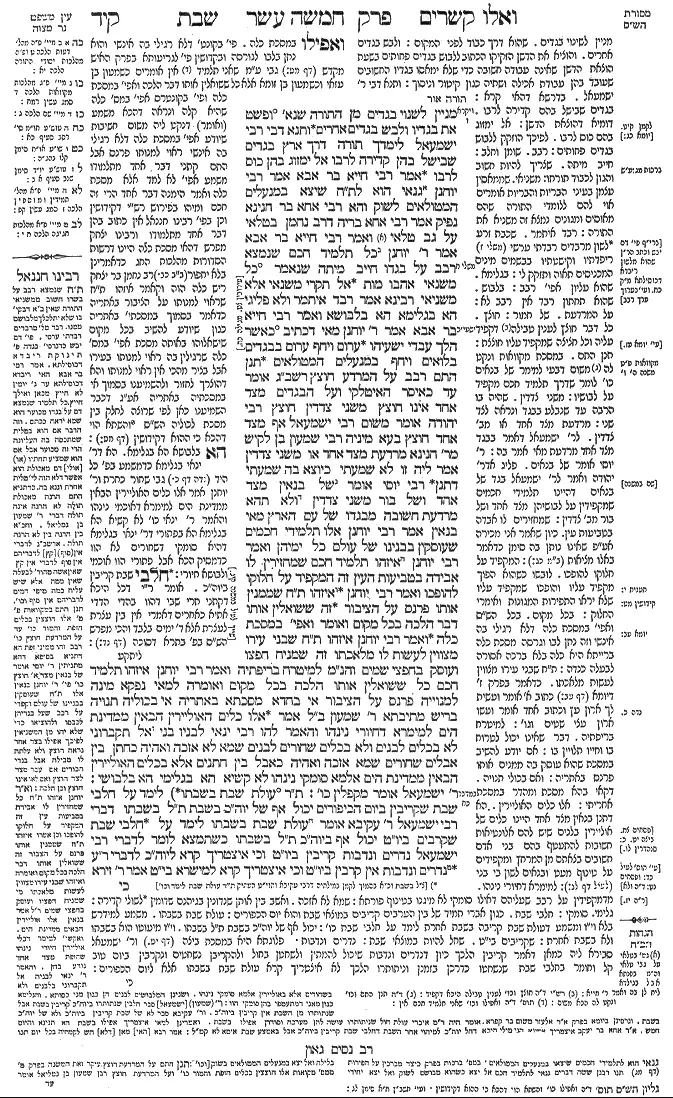
Shabbat 114a - Guemara
מניין לשנוי בגדים מן התורה שנא' (ויקרא ו, ד) ופשט את בגדיו ולבש בגדים אחרים ותנא דבי רבי ישמעאל לימדך תורה דרך ארץ בגדים שבישל בהן קדירה לרבו אל ימזוג בהן כוס לרבו אמר רבי חייא בר אבא אמר רבי יוחנן גנאי הוא לת"ח שיצא במנעלים המטולאים לשוק והא רבי אחא בר חנינא נפיק אמר רבי אחא בריה דרב נחמן בטלאי על גב טלאי ואמר רבי חייא בר אבא אמר ר' יוחנן כל תלמיד חכם שנמצא רבב על בגדו חייב מיתה שנאמר (משלי ח, לו) כל משנאי אהבו מות אל תקרי משנאי אלא משניאי רבינא אמר רבד איתמר ולא פליגי הא בגלימא הא בלבושא ואמר רבי חייא בר אבא אמר ר' יוחנן מאי דכתיב (ישעיהו כ, ג) כאשר הלך עבדי ישעיהו ערום ויחף ערום בבגדים בלואים ויחף במנעלים המטולאים תנן התם רבב על המרדע חוצץ רשב"ג אומר עד כאיסר האיטלקי ועל הבגדים מצד אחד אינו חוצץ משני צדדין חוצץ רבי יהודה אומר משום רבי ישמעאל אף מצד אחד חוצץ בעא מיניה רבי שמעון בן לקיש מר' חנינא מרדעת מצד אחד או משני צדדין אמר ליה זו לא שמעתי כיוצא בה שמעתי דתנן רבי יוסי אומר של בנאין מצד אחד ושל בור משני צדדין ולא תהא מרדעת חשובה מבגדו של עם הארץ מאי בנאין אמר רבי יוחנן אלו תלמידי חכמים שעוסקין בבנינו של עולם כל ימיהן ואמר רבי יוחנן איזהו תלמיד חכם שמחזירין לו אבידה בטביעות העין זה המקפיד על חלוקו להופכו ואמר רבי יוחנן איזהו ת"ח שממנין אותו פרנס על הציבור זה ששואלין אותו דבר הלכה בכל מקום ואומר ואפי' במסכת כלה ואמר רבי יוחנן איזהו ת"ח שבני עירו מצווין לעשות לו מלאכתו זה שמניח חפצו ועוסק בחפצי שמים והנ"מ למיטרח בריפתיה ואמר רבי יוחנן איזהו תלמיד חכם כל ששואלין אותו הלכה בכל מקום ואומרה למאי נפקא מינה למנוייה פרנס על הציבור אי בחדא מסכתא באתריה אי בכוליה תנויה בריש מתיבתא ר' שמעון ב"ל אמר אלו כלים האוליירין הבאין ממדינת הים למימרא דחיורי נינהו והאמר להו רבי ינאי לבניו בני אל תקברוני לא בכלים לבנים ולא בכלים שחורים לבנים שמא לא אזכה ואהיה כחתן בין אבלים שחורים שמא אזכה ואהיה כאבל בין חתנים אלא בכלים האוליירין הבאין ממדינת הים אלמא סומקי נינהו לא קשיא הא בגלימי הא בלבושי:
ר' ישמעאל אומר מקפלין כו':
ת"ר (במדבר כח, י) עולת שבת בשבתו לימד על חלבי שבת שקריבין ביום הכיפורים יכול אף של יוה"כ בשבת ת"ל בשבתו דברי רבי ישמעאל ר' עקיבא אומר עולת שבת בשבתו לימד על חלבי שבת שקרבים ביו"ט יכול אף ביוה"כ ת"ל בשבתו כשתמצא לומר לדברי רבי ישמעאל נדרים ונדבות קריבין ביו"ט וכי איצטריך קרא ליוה"כ לדברי ר"ע נדרים ונדבות אין קרבין ביו"ט וכי איצטריך קרא למישרא בי"ט אמר ר' זירא
Comments from Rashi on Masechet Shabbat Page 114a
מניין לשינוי בגדים . שהוא דרך כבוד לפני המקום: ולבש בגדים אחרים . והוציא את הדשן הזקיקו הכתוב ללבוש בגדים פחותים בשעת הוצאת הדשן שאינה עבודה חשובה כדי שלא ימאסו בגדיו החשובים שעובד בהן עבודת אכילה ושתיה כגון קיטור וניסוך: ותנא דבי ר' ישמעאל . בדרשא דהאי קרא: בגדים שבישל בהם קדירה לרבו . דומיא דהוצאת הדשן: אל ימזוג בהם כוס לרבו . לפיכך הוזקק ללבוש בגדים פחותים: רבב . שומן וחלב: חייב מיתה . שצריך להיות חשוב והגון לכבוד תורתו: משניאי . שממאסין עצמן בעיני הבריות והבריות אומרים אוי להם ללומדי התורה שהם מאוסים ומגונים נמצא זה משניא את התורה: רבד איתמר . שכבת זרע לשון מרבדים רבדתי ערשי (משלי ז) ריפדתיו וקישטתיו בבשמים מינים המכניסים תאוה ותזקק לי: בגלימא . שהוא עליון אפי' רבב: בלבוש . שהוא תחתון רבד אין רבב לא: תנן התם . במסכת מקוואות ונקט לה משום דבעי למימר של בנאים כו' לומר שדרך תלמיד חכם מקפיד על לבושיו: על המרדעת . של חמור: חוצץ . כל דבר חוצץ לענין טבילה דקפיד עליה וכל חציצה שמקפיד עליו חוצצת: משני צדדין . שהיה בו הרבה עד שנבלע בבגד ונראה לצד שני: מרדעת מצד אחד או מב' צדדין . לר' ישמעאל דאמר בבגד מצד אחד מרדעת מאי אמר בה: ר' יוסי אומר של בנאים . פליג אדר' יהודה ואמר לר' ישמעאל בגד של בנאים דהיינו תלמידי חכמים שמקפידין על לבושיהן מצד אחד ושל בור מב' צדדין: בכל מקום . בכל הש"ס ואפי' במסכת כלה דלא רגילי בה אינשי וזה נתן לבו וגרסה מסכת כלה ברייתא היא כלה בלא ברכה אסורה לבעלה כנדה: שמחזירים לו אבדה בטביעת עין . כיון שאמר אני מכירה אע"פ שאינו נותן בה סימן כדאמר באלו מציאות (ב"מ כג:): המקפיד על חלוקו להופכו . לובשו כשהוא הפוך מקפיד עליו והופכו שמקפיד עליו שלא יראו התפירות המגונות ואימרי החלוק: בכל מקום . בכל הש"ס ואפי' במסכת כלה דלא רגילי בה אינשי וזה נתן לבו וגרסה מסכת כלה ברייתא היא כלה בלא ברכה אסורה לבעלה כנדה: ת"ח שבני עירו מצווין לעשות מלאכתו . כדאמר בפרק ז' דיומא (דף עב:) כתוב א' אומר ועשית לך ארון עץ וכתוב אחד אומר ועשו ארון עצי שטים וגו': למיטרח בריפתיה . דבר שאינו יכול לטרוח בו וחייו תלויין בו: אם יודע להשיב במסכת שהוא עוסק בה ממנים אותו פרנס באתריה: ואם בכוליה תנויה . דקאי בהא מסכת ומהדר במסכת אחריתי: אלו כלים האוליירין . הא דתנן בנאין מצד אחד היינו כלים של אוליירין בלנים שיש להם אלונטיאות חשובות להתעטף בהם בני אדם חשובים בצאתם מן המרחץ ומקפידים על טינוף מעט ובנאים לשון בי בני (לעיל שבת דף לג:): למימרא דחיורי נינהו . מדמקפידין על רבב שעליהם דאילו סומקי לא מיגנו בטינוף פורתא: שמא לא אזכה . ואשב בין אותן שנדונין בגיהנם שדומין לשולי קדירה: גלימי . סומקי: חלבי שבת . כגון אברי תמיד של בין הערבים קריבים במוצאי שבת והוא יום הכפורים: עולת שבת בשבתו . משמע למידרש בלא וי"ו ומשמע דעולת שבת קריבה בשבת אחרת לימד על חלבי שבת כו': יכול אף של יוה"כ בשבת ת"ל בשבתו . וי"ו מיעוטו הוא בשבתו ולא בשבת אחרת: שקריבים בי"ט . שחל להיות במוצאי שבת: נדרים ונדבות . פלוגתא היא במסכת ביצה (דף יט.) ור' ישמעאל סבירא ליה כמאן דאמר קריבין הלכך כיון דנדרים ונדבות שיכול להמתין ולשחטן בחול ולהקריבן נשחטים ונקרבין ביום טוב קל וחומר בחלבי שבת שנשחטו כדרכן בזמנן וניתותרו הלכך לא איצטריך קרא עולת שבת בשבתו אלא ליום הכפורים:
Comments from Tosafot - Shabbat 114a
הא בלבושא הא בגלימא . הא דר' ינאי בגלימא כדמשמע בפ' כל היד (נדה דף כ.) גבי שחור כחרת ור' יוחנן אמר אלו כלים האוליירין הבאין ממדינת הים למימרא דאוכמי נינהו והאמר ר' ינאי כו' לא קשיא הא בגלימא הא בפתורי דר' ינאי בגלימא דהיא סומקי דשחורים לא הוו כדמסיק הכא אבל פתורי הוו אוכמי ולבושא חיורי: ואפילו במסכת כלה . פי' בקונט' דלא רגילי בה אינשי והוא נתן בלבו לגורסה ובקדושין פי' לגריעותא בפרק האיש מקדש (דף מט:) גבי ע"מ שאני תלמיד אין אומרים כשמעון בן עזאי וכשמעון בן זומא אלא כל ששואלין אותו דבר הלכה ואפי' במסכת כלה ופי' בקונטרס אפי' במס' כלה שהיא קלה ונראה דהכא משמע (ואומר) דנקט ליה משום חשיבות שיודע אפי' במסכת כלה דלא רגילי בה אינשי ראוי למנותו פרנס אבל התם קתני דבר אחד מתלמודו משמע אפי' לא למד אלא מסכת כלה ואמר הימנה דבר אחד הרי זה חכם ומיהו בפירוש רש"י דקידושין וכן בפי' רבינו חננאל אין כתוב בהן דבר אחד מתלמודו ורבינו יצחק מפרש דהאי מסכת כלה היינו דרשות הסדורות מהלכות החג כדאמרינן בלא יחפור (ב"ב כב.) רב נחמן בר יצחק ריש כלה הוה וקאמר איזהו ת"ח שראוי למנותו על הציבור באתריה כדאמר בסמוך במסכתי' באתריה כגון שיודע להשיב בכל מקום שישאלוהו באותה מסכת אפי' במס' כלה שרגילין בה ראוי למנותו בעירו אבל בציר מהכי אין ראוי למנותו והא דהוצרך לחזור ולהשמיענו בסמוך אי במסכתיה באתריה אע"ג דכבר השמיענו כאן לפי שרוצה לחלק בין מסכת לכוליה הש"ס והשתא הוי דהכא כי ההוא דקידושין (דף מט:): חלבי שבת קריבין ביוה"כ . אומר ר"י דכל היכא דקתני תרי שבי דהוו בהדי הדדי אתיא כאחרים דאמרי אין בין עצרת לעצרת אלא ד' ימים בלבד והכי מפרש הש"ס בפ' בתרא דסוכה (דף נד:):
Shabbat 114a - Mishnah translated into english
From where is it derived that changing clothes is a display of honor? As it is stated: “And he will remove his garments and will don other garments, and he will bring the ashes outside of the camp to a pure location” (Leviticus 6:4). The school of Rabbi Yishmael taught: The Torah taught you etiquette. The clothes in which one prepared food for his master, one does not wear to pour his master wine. Since cooking makes one’s clothes dirty, he should wear fresh clothes when serving his master.
Rabbi Ḥiyya bar Abba said that Rabbi Yoḥanan said: It is disgraceful for a Torah scholar to go out to the marketplace in patched shoes. The Gemara asks: Didn’t Rabbi Aḥa bar Ḥanina go out in patched shoes? Rabbi Aḥa, son of Rav Naḥman, said: They only prohibited patched shoes if there is a patch upon a patch.
And Rabbi Ḥiyya bar Abba said that Rabbi Yoḥanan said: A Torah scholar on whose clothes a fat stain is found is liable to receive the death penalty, as it is stated: “All those who hate me love death” (Proverbs 8:36), and the Sages said: Do not read: Those who hate me [mesanai]. Rather, read: Those who cause me to be hated [masniai]. Those who cause people to hate the Torah by creating the impression that those who study Torah are unclean deserve the death penalty. Ravina said: A fat stain [revav] was not stated, but rather a bloodstain [revad] was stated (Rabbeinu Ḥananel), which is a greater disgrace. The Gemara adds: They did not disagree over the halakha. Rather, the dispute is whether that which we learned concerning stains on a Torah scholar’s clothes refers to an overgarment that people wear over the rest of their clothes, while that which we learned with regard to a bloodstain refers to an undergarment, where a bloodstain is disgraceful but other types of spots are not.
And similarly, Rabbi Ḥiyya bar Abba said that Rabbi Yoḥanan said: That which is written: “As My servant Isaiah went naked and barefoot for three years” (Isaiah 20:3), is not to be understood literally. Rather, naked means that he wore tattered clothing, and barefoot means that he walked with patched shoes.
We learned in a mishna there: A fat stain on a donkey’s saddle interposes, i.e., if the saddle becomes impure, its immersion in a ritual bath is invalid unless the stain is removed. Rabban Shimon ben Gamliel says: A stain interposes only when it is as large as an Italian issar but not smaller. And if there were a fat stain on clothing on one side, it does not interpose, but if the stain is on both sides it interposes. Rabbi Yehuda says in the name of Rabbi Yishmael: It interposes even on one side.
Rabbi Shimon ben Lakish raised a dilemma before Rabbi Ḥanina: Is a stain on a saddle an interposition even if it is on just one side, or only if it is on both sides? Rabbi Ḥanina said to him: That, I did not hear explicitly. However, I heard something similar to it. As we learned in that same mishna that Rabbi Yosei says: A garment belonging to builders [banna’in] is considered to have an interposition if it has a stain on one side, and that of an ignoramus, who is not meticulous, is considered to have an interposition when the stain is on both sides. And certainly a donkey’s saddle cannot be more important than the garment of an am ha’aretz.
The Gemara asks: Who are the builders mentioned here? Rabbi Yoḥanan said: These are Torah scholars, who are engaged in building the world all of their days. And with regard to this, Rabbi Yoḥanan said: Who is a Torah scholar of whom the Sages said that one must return a lost object to him based on visual identification, even if he does not provide an identifying sign for it? That is one who makes sure his upper undergarment is turned inward so that the uneven stitching is not visible. This means that he conducts himself like a Torah scholar in all his ways, even in matters of cleanliness and order (Maharsha). On a related note, the Gemara adds that which Rabbi Yoḥanan said: Who is a Torah scholar who may be appointed as a leader of the community? This is one who is asked about matters of halakha on any topic and he is able to answer, and even if he were asked about tractate Kalla, a tractate that few have mastered.
And Rabbi Yoḥanan said: Who is the Torah scholar for whom the inhabitants of his city are commanded to perform his labor for him? This is one who sets his own matters aside and engages in matters of Heaven. It is therefore fitting for the community to support him. And that applies only to exerting themselves to provide him with his bread, as it is appropriate that they sustain him. And Rabbi Yoḥanan said: Who is included in the category of a Torah scholar? Anyone who is asked about the halakha with regard to any topic and is able to state it. And they say: What are the practical consequences of this question? It is to appoint him a leader of the community. If he is an expert in a single tractate, they appoint him as a leader in his place; if he is an expert in all of his learning, they appoint him as the head of the yeshiva.
Rabbi Shimon ben Lakish said: These garments of the banna’in mentioned in the mishna are the clothes of the bath attendants [ulairin] that come from a country overseas, on which stains are apparent, and these men are meticulous about their cleanliness. The Gemara asks: Is that to say that these are white garments? Didn’t Rabbi Yannai say to his sons: My sons, do not bury me in white garments nor in black garments. Not in white, lest I not be acquitted in judgment, and I will be among the wicked like a groom among mourners. And not in black, lest I be acquitted in judgment, and I will be among the righteous like a mourner among grooms. Rather, bury me in the clothes of the bath attendants who come from a country overseas, which are neither black nor white. Apparently, these clothes of the bath attendants are red. The Gemara answers: This is not difficult, as a distinction can be made. When Rabbi Yannai indicates that they are red, that is referring to overgarments; the statement of Rabbi Shimon ben Lakish that indicated that they are white, that is referring to undergarments.
We learned in the mishna that Rabbi Yishmael says: One may fold clothes and make beds on Yom Kippur for Shabbat if Yom Kippur occurs on Friday, and the fats of the sacrifices that were brought on Shabbat were offered on Yom Kippur that occurs on Sunday. The verse “The burnt-offering of Shabbat on its Shabbat, besides the daily offering and its libation” (Numbers 28:10) taught, with regard to the fats of Shabbat, that they are offered on Yom Kippur, because Yom Kippur is also called Shabbat, and the verse indicates that the Shabbat offering is offered on another Shabbat. I might have thought even the fats from Yom Kippur offerings could be sacrificed on Shabbat; therefore, the verse states “on its Shabbat” to specify that it is not so; this is the statement of Rabbi Yishmael.
Rabbi Akiva says that when the verse says: “The burnt-offering of Shabbat on its Shabbat,” it teaches that the fats of Shabbat are offered on a Festival that occurs on the following day. I might have thought that they could even be offered on Yom Kippur that occurred on the day after Shabbat. Therefore, the verse states “on its Shabbat” and not on another one.
When you analyze the matter you will find that you can say that, in accordance with the statement of Rabbi Yishmael, vows and free-will offerings are offered on a Festival. If sacrifices that fulfill vows can be postponed to a weekday but are nevertheless brought on a Festival, certainly fats from Shabbat can be offered on a Festival that follows it. And the verse is needed to permit offering Shabbat fats on Yom Kippur that follows it. However, according to Rabbi Akiva vows and free-will offerings are not brought on a Festival, and therefore the verse is needed to permit sacrificing the fats from Shabbat on a Festival that follows it, but on Yom Kippur it is prohibited. Rabbi Zeira said:
Traduction : The William Davidson digital edition of the Koren Noé Talmud, with commentary by Rabbi Adin Even-Israel Steinsaltz.