 Talmud Bavli
The learning on the whole site is dedicated : L'ilui Nishmat Rav Chlomo Ben Jamilla
The learning on the whole site is dedicated : For the success of Elyahou ben H'anna & family
The learning on the whole site is dedicated : L'ilui Nishmat Amram ben Itshak Loubaton
Shabbat 89b : Youtube
Daf TubeYoutube
3 video classes :
Shabbat Page 89b
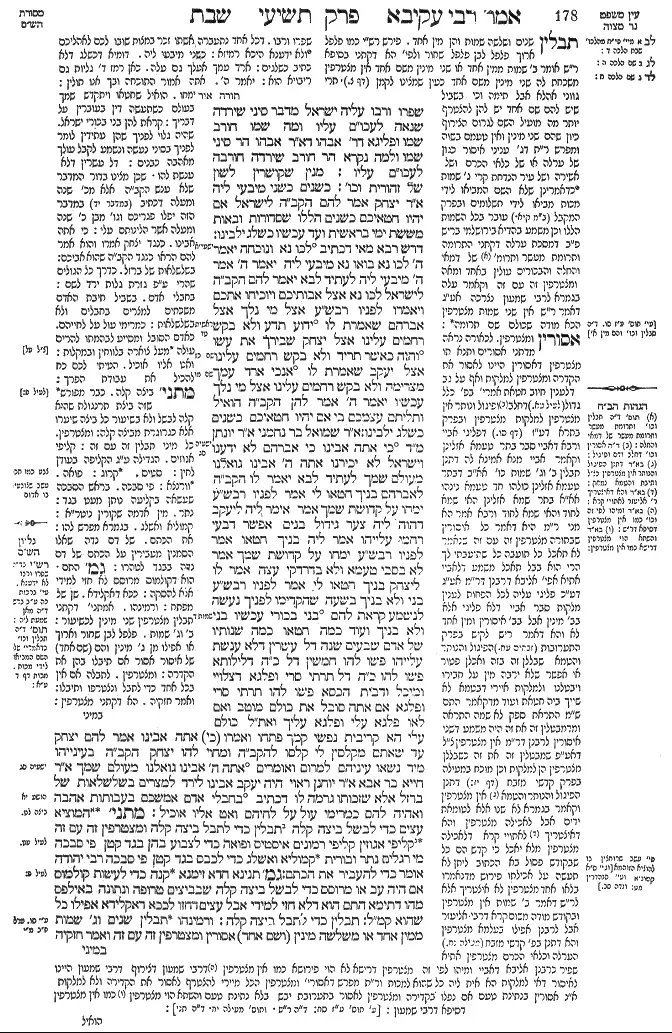
Shabbat 89b - Guemara
שפרו ורבו עליה ישראל מדבר סיני שירדה שנאה לעכו"ם עליו ומה שמו חורב שמו ופליגא דר' אבהו דא"ר אבהו הר סיני שמו ולמה נקרא הר חורב שירדה חורבה לעכו"ם עליו:
מנין שקושרין לשון של זהורית וכו':
כשנים כשני מיבעי ליה א"ר יצחק אמר להם הקב"ה לישראל אם יהיו חטאיכם כשנים הללו שסדורות ובאות מששת ימי בראשית ועד עכשיו כשלג ילבינו:
דרש רבא מאי דכתיב (ישעיה א, יח) לכו נא ונוכחה יאמר ה' לכו נא בואו נא מיבעי ליה יאמר ה' אמר ה' מיבעי ליה לעתיד לבא יאמר להם הקב"ה לישראל לכו נא אצל אבותיכם ויוכיחו אתכם ויאמרו לפניו רבש"ע אצל מי נלך אצל אברהם שאמרת לו (בראשית טו, יג) ידוע תדע ולא בקש רחמים עלינו אצל יצחק שבירך את עשו (שם כז, מ) והיה כאשר תריד ולא בקש רחמים עלינו אצל יעקב שאמרת לו (שם מו, ד) אנכי ארד עמך מצרימה ולא בקש רחמים עלינו אצל מי נלך עכשיו יאמר ה' אמר להן הקב"ה הואיל ותליתם עצמכם בי אם יהיו חטאיכם כשנים כשלג ילבינו:
א"ר שמואל בר נחמני א"ר יונתן מ"ד (ישעיה סג, טז) כי אתה אבינו כי אברהם לא ידענו וישראל לא יכירנו אתה ה' אבינו גואלנו מעולם שמך לעתיד לבא יאמר לו הקב"ה לאברהם בניך חטאו לי אמר לפניו רבש"ע ימחו על קדושת שמך אמר אימר ליה ליעקב דהוה ליה צער גידול בנים אפשר דבעי רחמי עלייהו אמר ליה בניך חטאו אמר לפניו רבש"ע ימחו על קדושת שמך אמר לא בסבי טעמא ולא בדרדקי עצה אמר לו ליצחק בניך חטאו לי אמר לפניו רבש"ע בני ולא בניך בשעה שהקדימו לפניך נעשה לנשמע קראת להם (שמות ד, כב) בני בכורי עכשיו בני ולא בניך ועוד כמה חטאו כמה שנותיו של אדם שבעים שנה דל עשרין דלא ענשת עלייהו פשו להו חמשין דל כ"ה דלילותא פשו להו כ"ה דל תרתי סרי ופלגא דצלויי ומיכל ודבית הכסא פשו להו תרתי סרי ופלגא אם אתה סובל את כולם מוטב ואם לאו פלגא עלי ופלגא עליך ואת"ל כולם עלי הא קריבית נפשי קמך פתחו ואמרו (כי) אתה אבינו אמר להם יצחק עד שאתם מקלסין לי קלסו להקב"ה ומחוי להו יצחק הקב"ה בעינייהו מיד נשאו עיניהם למרום ואומרים (ישעיה סג, טז) אתה ה' אבינו גואלנו מעולם שמך א"ר חייא בר אבא א"ר יוחנן ראוי היה יעקב אבינו לירד למצרים בשלשלאות של ברזל אלא שזכותו גרמה לו דכתיב (הושע יא, ד) בחבלי אדם אמשכם בעבותות אהבה ואהיה להם כמרימי עול על לחיהם ואט אליו אוכיל:
מתני׳ המוציא עצים כדי לבשל ביצה קלה תבלין כדי לתבל ביצה קלה ומצטרפין זה עם זה קליפי אגוזין קליפי רמונים איסטיס ופואה כדי לצבוע בהן בגד קטן פי סבכה מי רגלים נתר ובורית קמוליא ואשלג כדי לכבס בגד קטן פי סבכה רבי יהודה אומר כדי להעביר את הכתם:
גמ׳ תנינא חדא זימנא קנה כדי לעשות קולמוס אם היה עב או מרוסס כדי לבשל ביצה קלה שבביצים טרופה ונתונה באילפס מהו דתימא התם הוא דלא חזי למידי אבל עצים דחזו לככא דאקלידא אפילו כל שהוא קמ"ל:
תבלין כדי לתבל ביצה קלה:
ורמינהו תבלין שנים וג' שמות ממין אחד או משלשה מינין (ושם אחד) אסורין ומצטרפין זה עם זה ואמר חזקיה
Comments from Rashi on Masechet Shabbat Page 89b
שפרו ורבו . דכל אחד נתעברה אשתו זכר במצות שובו לכם לאהליכם ולא ידענא היכא רמיזא: כשני מיבעי ליה . דומיא דכשלג דלא כתיב כשלגים: ארד עמך אעלה גם עלה . כאן רמז ד' גליות גם ריבויא הוא: יאמר ה' . אתה אמור התוכחה ובך אנו תולין: ימחו . הואיל שחטאו ויתקדש שמך בעולם כשתעשה דין בעוברין על דבריך: קראת להן בני בכורי ישראל . שהיה גלוי לפניך שהן עתידין לומר לפניך בסיני נעשה ונשמע לקבל עולך מאהבה כבנים: דל עשרין דלא ענשת להו . שכן מצינו בדור המדבר שלא ענש הקב"ה אלא מכ' שנה ומעלה דכתיב (במדבר יד) במדבר הזה יפלו פגריכם וגו' מבן כ' שנה ומעלה אשר הלינותם עלי: כי אתה אבינו . כנגד יצחק אמרו והוא אמר להם הראו כנגד הקב"ה שהוא אביכם: בשלשלאות של ברזל . כדרך כל הגולים שהרי ע"פ גזרת גלות ירד לשם: בחבלי אדם . בשביל חיבת האדם משכתים למצרים בחבלים ולא בשלשלאות: כמרימי עול על לחייהם . כאדם הסובל ומסייע לבהמתו להרים עולה מעל צוארה בלווחין ובמקלות: ואט אליו אוכיל . הטיתי לכם כח להכיל את עבודת הפרך: מתני' ביצה קלה . כבר מפורש שזה ביצת תרנגולת שהיא קלה לבשל ולא בשיעור כל ביצה שיערו אלא כגרוגרת מביצה קלה: ומצטרפין . כל מיני תבלין זה עם זה: קליפי אגוזים . הגדילה ע"ג הקליפה בעודן לחין: סטיס . קרו"ג": פואה . וורנצ"א: פי סבכה . בראש הסבכה שעשאה בקליעה נותן מעט בגד: נתר . מין אדמה שקורין ניטר"א: קמוליא ואשלג . בגמרא מפרש להו: את הכתם . של דם נדה שאלו הסמנין מעבירין על הכתם של דם נדה בבגד לטהרו: גמ' התם . הוא דקולמוס מרוסס לא חזי למידי אלא להסקה: ככא דאקלידא . שן של מפתח: ורמינהו . אמתני' דקתני תבלין מצטרפין שני מינין לכשיעור: ב' וג' שמות . פלפל לבן שחור וארוך או אפילו מן ג' מינין והם (שם אחד) של איסור אסור אם תיבלו בהן את הקדרה: ומצטרפין . לתבלה אם אין בכל אחד כדי לתבל ונצטרפו ותיבלו: ואמר חזקיה . הא דקתני מצטרפין:
Comments from Tosafot - Shabbat 89b
תבלין שנים ושלשה שמות והן מין אחד . פירש רש"י כמו פלפל ארוך פלפל לבן פלפל שחור ולפי' הא דקתני בסיפא ר"ש אומר ב' שמות ממין אחד או שני מינין משם אחד אין מצטרפין משכחת לה שני מינין משם אחד כעין שמצינו לקמן (שבת דף צ.) תרי גווני אהלא אבל תימה וכי בשביל שיש להם שם אחד יש להן להצטרף יותר מה מועיל השם לגרום הצירוף כיון שהם שני מינין ואין טעמם בשוה ומפרש ר"ת דג' עניני איסור כגון של ערלה או של כלאי הכרם ושל אשירה ושל עיר הנדחת קרי ג' שמות כדאמרינן שלא השם המביאו לידי מכות מביאו לידי תשלומים ובפרק המקבל (ב"מ קיא.) עובר בכל השמות הללו וכן משמע בהדיא בירושלמי בריש פ"ב דמסכת ערלה דקתני התרומה ותרומת מעשר ותרומ' של דמאי והחלה והבכורים עולין באחד ומאה ומצטרפין זה עם זה וקאמר עלה בגמרא לרבי שמעון נצרכה אע"ג דאמר ר"ש אין שני שמות מצטרפין הכא מודה שכולם שם תרומה: אסורין ומצטרפין . לכאורה נראה מדתני אסורים ותנא תו מצטרפין דאסורין היינו לאסור את הקדרה ומצטרפין למלקות ואף על גב דלענין חיוב חטאת אמרי' בפ' כלל גדול (לעיל שבת כא.) דחלב ופיגול ונותר אין מצטרפין למלקות מצטרפין ובפרק בתרא דע"ז (דף סו.) דפליגי אביי ורבא דאביי סבר בתר טעמא אזלינן וקאמר אביי מנא אמינא לה דתנן תבלין ב' וג' שמות כו' אא"ב דבתר טעמא אזלינן כולהו חד טעמא נינהו אא"כ בתר שמא אזלינן האי שמא לחוד והאי שמא לחוד ורבא אמר הא מני ר"מ היא דאמר כל איסורין שבתורה מצטרפין זה עם זה שנאמר לא תאכל כל תועבה כל שתיעבתי לך הרי הוא בבל תאכל משמע דלאביי אתיא אפי' אליבא דרבנן דר"מ אע"ג דע"כ פליגי עליה לכל הפחות לענין מלקות סבר אביי דלא פליגי אלא בב' מינין אבל בב' איסורין ומין אחד לא והא דאמר ריש לקיש בפרק התערובות (זבחים עח.) הפיגול והנותר והטמא שבללן זה בזה ואכלן פטור אי אפשר שלא ירבה מין על חבירו ויבטלנו ולמלקות איירי דבטמא לא שייך ביה חטאת ועוד מדקאמר התם ש"מ התראת ספק לא שמה התראה ומדמבטלין זה את זה היה משמע דשני איסורין לרבנן דר"מ אין מצטרפין צ"ל דאע"פ שמבטלין זה את זה כשבללן מצטרפין הן למלקות וכן מוכח במעילה בפרק קדשי מזבח (דף יז:) דתנן הפיגול והנותר והטמא אין מצטרפין וקאמר בגמרא לא שנו אלא לטומאת ידים אבל לאכילה מצטרפין והא דאיצטריך לאתויי קרא דלאכילה מצטרפין מלא יאכל כי קדש הם כל שבקודש פסול בא הכתוב ליתן לא תעשה על אכילתו פירוש מדנאמרו בלאו אחד מצטרפין לא איצטריך אלא לר"ש דאמר ב' שמות אין מצטרפין ובקודש מודה משום קרא דרבי אליעזר אבל לרבנן אפילו בעלמא מצטרפין והא דתנן בפ' קדשי מזבח (מעילה נח.) הערלה וכלאי הכרם מצטרפין אתיא שפיר כרבנן אליבא דאביי ומיהו לפי זה מצטרפין דרישא לא הוי פירושא כמו אין מצטרפין דרבי שמעון דצירוף דרבי שמעון היינו לאיסור דאי למלקות הא אית ליה כל שהוא למכות ור"ת מפרש דאסורי' ומצטרפין הכל מיירי להצטרף לאסור את הקדירה ולא למלקות א"נ אסורין בנתינת טעם אם נפלו בקדירה ומצטרפין לאסור בתערובת יבש בלא נתינת טעם והשתא הוי מצטרפין כמו אין מצטרפין דסיפא דרבי שמעון:
Shabbat 89b - Mishnah translated into english
because the Jewish people were fruitful [paru] and multiplied in it; the Sinai Desert, because hatred descended upon the nations of the world on it, on the mountain on which the Jewish people received the Torah. And what is the mountain’s true name? Horeb is its name. And that disputes the opinion of Rabbi Abbahu, as Rabbi Abbahu said: Mount Sinai is its name. And why is it called Mount Horeb? It is because destruction [ḥurba] of the nations of the world descended upon it.
We learned in the mishna: From where is it derived that one ties a scarlet strip of wool to the scapegoat? As it says: “If your sins be like scarlet [kashanim], they will become white like snow” (Isaiah 1:18). The Gemara wonders at this: Why does the verse use the plural form: Kashanim? It should have used the singular form: Kashani. Rabbi Yitzḥak said that the Holy One, Blessed be He, said to the Jewish people: Even if your sins are as numerous as those years [kashanim] that have proceeded continuously from the six days of Creation until now, they will become white like snow. Rava taught: What is the meaning of that which is written: “Go please and let us reason together, the Lord will say” (Isaiah 1:18)? Why does the verse say: Go please? It should have said: Come please. And why does the verse say: The Lord will say? The prophet’s message is based on something that God already said. Therefore, the verse should have said: God said. Rather, the explanation of this verse is that in the future that will surely come, the Holy One, Blessed be He, will say to the Jewish people: Go please to your Patriarchs, and they will rebuke you.
And the Jewish people will say before Him: Master of the Universe, to whom shall we go? Shall we go to Abraham, to whom You said: “Know certainly that your seed shall be a stranger in a land that is not theirs, and shall serve them; and they shall afflict them four hundred years” (Genesis 15:13), and he did not ask for mercy on our behalf? Or perhaps we should go to Isaac, who blessed Esau and said: “And it shall come to pass when you shall break loose, that you shall shake his yoke from off your neck” (Genesis 27:40), and he did not ask for mercy on our behalf. Or perhaps we should go to Jacob, to whom You said: “I will go down to Egypt with you” (Genesis 46:4), and he did not ask for mercy on our behalf. And if so, to whom shall we go? Shall we go to our Patriarchs, who do not have mercy on us? Rather, now God Himself says what punishment we deserve. The Holy One, Blessed be He, said to them: Since you made yourselves dependent on Me, “If your sins be like scarlet, they will become white like snow.”
Apropos the Jewish people assessing their forefathers, the Gemara cites a related teaching. Rabbi Shmuel bar Naḥmani said that Rabbi Yonatan said: What is the meaning of that which is written: “For You are our Father; for Abraham knows us not, and Israel does not acknowledge us; You, Lord, are our Father, our Redeemer, everlasting is Your name” (Isaiah 63:16)? In the future that will surely come, the Holy One, Blessed be He, will say to Abraham: Your children have sinned against Me. Abraham will say before Him: Master of the Universe, if so, let them be eradicated to sanctify Your name. God said: I will say it to Jacob. Since he experienced the pain of raising children, perhaps he will ask for mercy on their behalf. He said to Jacob: Your children have sinned. Jacob said before Him: Master of the Universe, if so, let them be eradicated to sanctify Your name. The Holy One, Blessed be He, said: There is no reason in elders and no wisdom in youth. Neither Abraham nor Jacob knew how to respond properly. He said to Isaac: Your children have sinned against Me. Isaac said before Him: Master of the Universe, are they my children and not Your children? At Sinai, when they accorded precedence to “We will do” over “We will listen” before You, didn’t You call them, “My son, My firstborn son Israel” (Exodus 4:22)? Now that they have sinned, are they my children and not Your children?
And furthermore, how much did they actually sin? How long is a person’s life? Seventy years. Subtract the first twenty years of his life. One is not punished for sins committed then, as in heavenly matters, a person is only punished from age twenty. Fifty years remain for them. Subtract twenty-five years of nights, and twenty-five years remain for them. Subtract twelve and a half years during which one prays and eats and uses the bathroom, and twelve and a half years remain for them. If You can endure them all and forgive the sins committed during those years, excellent. And if not, half of the sins are upon me to bear and half upon You. And if You say that all of them, the sins of all twelve and a half years that remain, are upon me, I sacrificed my soul before You and You should forgive them due to my merit. The Jewish people began to say to Isaac: You are our father. Only Isaac defended the Jewish people as a father would and displayed compassion toward his children. Isaac said to them: Before you praise me, praise the Holy One, Blessed be He. And Isaac points to the Holy One, Blessed be He, before their eyes. Immediately they lifted their eyes to the heavens and say: “You, Lord, are our Father, our Redeemer, everlasting is Your name.”
And since the Gemara mentioned Jacob’s descent to Egypt, the Gemara cites that which Rabbi Ḥiyya bar Abba said that Rabbi Yoḥanan said: Our father Jacob should have gone down to Egypt in iron chains as would an exile against his will, as decreed by God and related to Abraham. However, his merit caused him to descend without suffering, as it is written: “I drew them with cords of man, with bands of love, and I was to them as they that take off the yoke on their jaws, and I fed them gently” (Hosea 11:4).
MISHNA: After an extended digression for a discussion of matters unrelated to the halakhot of Shabbat, this mishna resumes treatment of the halakhot of carrying from domain to domain on Shabbat. One who carries out wood on Shabbat is liable for a measure equivalent to the amount of wood necessary to cook an easily cooked egg. The measure that determines liability for carrying out spices is equivalent to that which is used to season an easily cooked egg. And all types of spices join together with one another to constitute the measure for liability. The measure that determines liability for carrying out nutshells, pomegranate peels, safflower, and madder, which are used to produce dyes, is equivalent to the amount that is used to dye a small garment placed atop a woman’s hairnet. The measure that determines liability for carrying out urine, natron, and borit, cimolian earth [Kimoleya], and potash, all of which are abrasive materials used for laundry, is equivalent to the amount that is used to launder a small garment placed atop a woman’s hairnet. And Rabbi Yehuda says: The measure that determines liability for these materials is equivalent to that which is used to remove a stain.
GEMARA: With regard to the measure of wood, the Gemara asks: Didn’t we already learn it once? As we learned in a mishna: The measure that determines liability for carrying out a reed is equivalent to that which is used to make a quill. And if the reed was thick and unfit for writing, or if it was fragmented, the measure that determines its liability is equivalent to that which is used to cook an egg most easily cooked, one that is already beaten and placed in a stew pot. The measure of firewood is clearly delineated. The Gemara answers: Still, this mishna is necessary. You might have said: There, the measure of the crushed reed reflects the fact that it is not suitable for anything other than kindling. However, regarding wood that is suitable to be used as a tooth of a key [aklida], the measure that determines its liability should be even any small amount. Therefore, it teaches us that wood is typically designated for burning, and that determines the measure for liability for carrying out wood on Shabbat.
We learned in the mishna that all types of spices join together with one another to constitute the measure equivalent to that which is used to season an easily cooked egg. The Gemara raises a contradiction from that which we learned elsewhere: Spices, which are prohibited due to two or three different prohibitions, e.g., one is prohibited due to orla, and one due to the prohibition of untithed produce, and they were all of a single species (Tosafot), or if they were of three different species, are prohibited, and they join together with each other to constitute a complete measure. And Ḥizkiya said:
Traduction : The William Davidson digital edition of the Koren Noé Talmud, with commentary by Rabbi Adin Even-Israel Steinsaltz.