 Talmud Bavli
The learning on the whole site is dedicated : L'ilui Nishmat Amram ben Itshak Loubaton
The learning on the whole site is dedicated : L'ilui Nishmat Ledicia bat David Banoun
The learning on the whole site is dedicated : L'ilui Nishmat Jamila bat Chlomo Abensour
Shabbat 88b : Youtube
Daf TubeYoutube
3 video classes :
Shabbat Page 88b
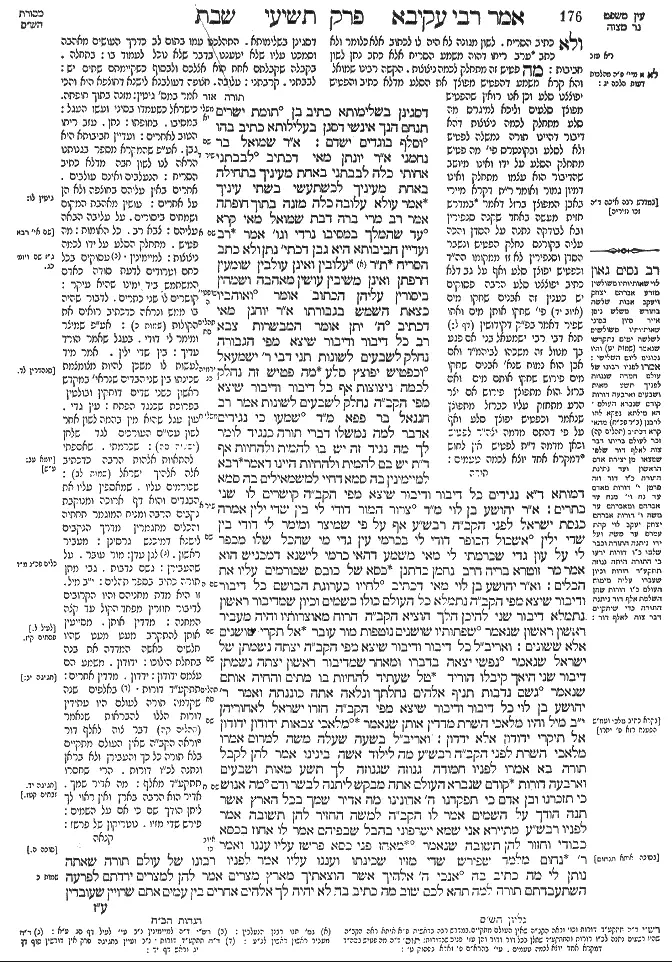
Shabbat 88b - Guemara
דסגינן בשלימותא כתיב כן (משלי יא, ג) תומת ישרים תנחם הנך אינשי דסגן בעלילותא כתיב בהו (משלי יא, ג) וסלף בוגדים ישדם:
א"ר שמואל בר נחמני א"ר יונתן מאי דכתיב (שיר השירים ד, ט) לבבתני אחותי כלה לבבתני באחת מעיניך בתחילה באחת מעיניך לכשתעשי בשתי עיניך אמר עולא עלובה כלה מזנה בתוך חופתה אמר רב מרי ברה דבת שמואל מאי קרא (שיר השירים א, יב) עד שהמלך במסיבו נרדי וגו' אמר רב ועדיין חביבותא היא גבן דכתי' נתן ולא כתב הסריח ת"ר עלובין ואינן עולבין שומעין חרפתן ואינן משיבין עושין מאהבה ושמחין ביסורין עליהן הכתוב אומר (שופטים ה, לא) ואוהביו כצאת השמש בגבורתו א"ר יוחנן מאי דכתיב (תהלים סח, יב) ה' יתן אומר המבשרות צבא רב כל דיבור ודיבור שיצא מפי הגבורה נחלק לשבעים לשונות תני דבי ר' ישמעאל (ירמיהו כג, כט) וכפטיש יפוצץ סלע מה פטיש זה נחלק לכמה ניצוצות אף כל דיבור ודיבור שיצא מפי הקב"ה נחלק לשבעים לשונות אמר רב חננאל בר פפא מ"ד (משלי ח, ו) שמעו כי נגידים אדבר למה נמשלו דברי תורה כנגיד לומר לך מה נגיד זה יש בו להמית ולהחיות אף ד"ת יש בם להמית ולהחיות היינו דאמר רבא למיימינין בה סמא דחיי למשמאילים בה סמא דמותא ד"א נגידים כל דיבור ודיבור שיצא מפי הקב"ה קושרים לו שני כתרים:
א"ר יהושע בן לוי מ"ד (שיר השירים א, יג) צרור המור דודי לי בין שדי ילין אמרה כנסת ישראל לפני הקב"ה רבש"ע אף על פי שמיצר ומימר לי דודי בין שדי ילין (שיר השירים א, יד) אשכול הכופר דודי לי בכרמי עין גדי מי שהכל שלו מכפר לי על עון גדי שכרמתי לי מאי משמע דהאי כרמי לישנא דמכניש הוא אמר מר זוטרא בריה דרב נחמן כדתנן כסא של כובס שכורמים עליו את הכלים:
וא"ר יהושע בן לוי מאי דכתיב (שיר השירים ה, יג) לחייו כערוגת הבושם כל דיבור ודיבור שיצא מפי הקב"ה נתמלא כל העולם כולו בשמים וכיון שמדיבור ראשון נתמלא דיבור שני להיכן הלך הוציא הקב"ה הרוח מאוצרותיו והיה מעביר ראשון ראשון שנאמר (שיר השירים ה, יג) שפתותיו שושנים נוטפות מור עובר אל תקרי שושנים אלא ששונים:
ואריב"ל כל דיבור ודיבור שיצא מפי הקב"ה יצתה נשמתן של ישראל שנאמר (שיר השירים ה, ו) נפשי יצאה בדברו ומאחר שמדיבור ראשון יצתה נשמתן דיבור שני היאך קיבלו הוריד טל שעתיד להחיות בו מתים והחיה אותם שנאמר (תהלים סח, י) גשם נדבות תניף אלהים נחלתך ונלאה אתה כוננתה ואמר ר' יהושע בן לוי כל דיבור ודיבור שיצא מפי הקב"ה חזרו ישראל לאחוריהן י"ב מיל והיו מלאכי השרת מדדין אותן שנאמר (תהלים סח, יג) מלאכי צבאות ידודון ידודון אל תיקרי ידודון אלא ידדון:
ואריב"ל בשעה שעלה משה למרום אמרו מלאכי השרת לפני הקב"ה רבש"ע מה לילוד אשה בינינו אמר להן לקבל תורה בא אמרו לפניו חמודה גנוזה שגנוזה לך תשע מאות ושבעים וארבעה דורות קודם שנברא העולם אתה מבקש ליתנה לבשר ודם (תהלים ח, ה) מה אנוש כי תזכרנו ובן אדם כי תפקדנו ה' אדונינו מה אדיר שמך בכל הארץ אשר תנה הודך על השמים אמר לו הקב"ה למשה החזיר להן תשובה אמר לפניו רבש"ע מתיירא אני שמא ישרפוני בהבל שבפיהם אמר לו אחוז בכסא כבודי וחזור להן תשובה שנאמר (איוב כו, ט) מאחז פני כסא פרשז עליו עננו ואמר ר' נחום מלמד שפירש שדי מזיו שכינתו ועננו עליו אמר לפניו רבונו של עולם תורה שאתה נותן לי מה כתיב בה (שמות כ, ב) אנכי ה' אלהיך אשר הוצאתיך מארץ מצרים אמר להן למצרים ירדתם לפרעה השתעבדתם תורה למה תהא לכם שוב מה כתיב בה לא יהיה לך אלהים אחרים בין עמים אתם שרויין שעובדין
Comments from Rashi on Masechet Shabbat Page 88b
דסגינן בשלימותא . התהלכנו עמו בתום לב כדרך העושים מאהבה וסמכנו עליו שאל יטעננו בדבר שאל נוכל לעמוד: לבבתני . קרבתני: בתחלה . בקבלה שקבלתם אחת הוא אצלם ולבסוף כשקיימתם שתים יש: עלובה . חצופה דעולבנא לישנא דחוצפא היא והכי אמר במס' גיטין: מזנה בתוך חופתה . כישראל כשעמדו בסיני ועשו העגל: במסיבו . בחופתו: ועדיין חביבותא היא גבן . אע"פ שהמקרא מספר בגנותנו הראה לנו לשון חבה מדלא כתיב הסריח: נתן . עזב ריחו הטוב לאחרים: הנעלבים ואינם עולבים . אחרים באין עליהם בחוצפה ולא הן על אחרים: עושין מאהבת המקום ושמחים ביסורים . על עליבה הבאה עליהם: צבא רב . כל האומות: מה פטיש . מתחלק הסלע על ידו לכמה ניצוצות: למיימינים . עסוקים בכל כחם וטרודים לדעת סודה כאדם המשתמש ביד ימינו שהיא עיקר: קושרים לו שני כתרים . לדבור שהיה בו ממש ונראה כדכתיב רואים את הקולות (שמות כ): אע"פ שמיצר ומימר לי דודי . בעגל שאמר הורד עדיך: בין שדי ילין . אמר מיד לעשות לו משכן להיות מצומצמת שכינתו בין שני הבדים שנראי' במקדש ראשון כשני שדים דוחקין ובולטין בפרוכת שכנגד הפתח: עין גדי . עון עגל שהוא מין בהמה לשון אחר לשון עכו"ם העורכים לגד שלחן (ישעיהו סה): שכרמתי . שאספתי להתאוות אלהות הרבה כדכתיב אלה אלהיך ישראל (שמות לב): שכורמים עליו . שמאספין עליו את הבגדים והוא דף ארוכה ומנוקבת נקבים הרבה ומניח המוגמר תחתיה והכלים מתגמרין מדרך הנקבים לישנא דמיכנש גרסינן: מעביר ראשון . לגן עדן: מור עובר . על שהעבירן: גשם נדבות . גבי מתן תורה כתיב בספר תהלים: י"ב מיל . זו היא מדת מחניהם והיו הקרובים לדיבור חוזרין מפחד הקול עד קצה המחנה: מדדין אותן . מסייעין אותן להתקרב מעט מעט שהיו חלשים כאשה המדדה את בנה בתחלת הילוכו: ידודון . משמע הם עצמם ידודון: ידדון . מדדין אחרים: תתקע"ד דורות . באלפים שנה שקדמה תורה לעולם היו עתידין דורות הללו להבראות שנאמר (תהלים קה) דבר צוה לאלף דור וראה הקב"ה שאין העולם מתקיים בלא תורה כל כך והעבירן ולא בראן ונתנה לכ"ו דורות הרי שחסרו תתקע"ד מאלף: מה אדיר שמך . אדיר הוא הרבה בארץ ואין ראוי לך ליתן הודך שם כי אם על השמים: פירש שדי מזיו . נוטריקון של פרשז:
Comments from Tosafot - Shabbat 88b
ולא כתיב הסריח . לשון מגונה לא היה לו לכתוב אלא כלומר ולא כתב ערב ריחו דהוה משמע הסריח אלא כתב נתן לשון חביבות: מה פטיש זה מתחלק לכמה ניצוצות . הקשה רבינו שמואל והא קרא משמע דהפטיש מפוצץ את הסלע מדלא כתיב והפטיש יפוצצנו סלע וכן אנו רואין שהפטיש מפוצץ סלעים וליכא למיגרס מה סלע מתחלק לכמה ניצוצות דהא דיבור דהיינו תורה נמשלה לפטיש ולא לסלע ובקונטרס פי' מה פטיש מתחלק הסלע על ידו ואינו מיושב שהדיבור הוא עצמו מתחלק ואינו דמיון גמור ואומר ר"ת דקרא מיירי באבן המפוצץ ברזל דאמר במדרש חזית מעשה באחד שקנה סנפירין ובא לבודקה נתנה על הסדן והכה עליה בקורנס נחלק הפטיש ונשבר הסדן וסנפירין לא זז ממקומו הה"ד וכפטיש יפוצץ סלע ואף על גב דלא כתיב יפוצצנו סלע הרבה פסוקים יש כענין זה אבנים שחקו מים (איוב יד) פי' שחקו אותן מים ואתו שפיר דאמר בפ"ק דקדושין (דף ל:) תנא דבי רבי ישמעאל בני אם פגע בך מנוול זה משכהו לביהמ"ד ואם אבן הוא נמוח שנא' אבנים שחקו מים פירוש שחקו אותם מים ואם ברזל הוא מתפוצץ פירוש אם יצר הרע מתחזק עליו כברזל מתפוצץ שנאמר וכפטיש יפוצץ סלע ואף על פי דהתם מדמה יצה"ר לפטיש וכאן מדמה ד"ת לפטיש אין לחוש דמקרא אחד יוצא לכמה טעמים:
Shabbat 88b - Mishnah translated into english
who proceed wholeheartedly and with integrity, it is written: “The integrity of the upright will guide them” (Proverbs 11:3), whereas about those people who walk in deceit, it is written at the end of the same verse: “And the perverseness of the faithless will destroy them.”
Rabbi Shmuel bar Naḥamani said that Rabbi Yonatan said: What is the meaning of that which is written: “You have ravished my heart, my sister, my bride; you have ravished my heart with one of your eyes, with one bead of your necklace” (Song of Songs 4:9)? At first when you, the Jewish people, merely accepted the Torah upon yourselves it was with one of your eyes; however, when you actually perform the mitzvot it will be with both of your eyes. Ulla said with regard to the sin of the Golden Calf: Insolent is the bride who is promiscuous under her wedding canopy. Rav Mari, son of the daughter of Shmuel, said: What verse alludes to this? “While the king was still at his table my spikenard gave off its fragrance” (Song of Songs 1:12). Its pleasant odor dissipated, leaving only an offensive odor. Rav said: Nevertheless, it is apparent from the verse that the affection of the Holy One, Blessed be He, is still upon us, as it is written euphemistically as “gave off its fragrance,” and the verse did not write, it reeked. And the Sages taught: About those who are insulted and do not insult, who hear their shame and do not respond, who act out of love and are joyful in suffering, the verse says: “And they that love Him are as the sun going forth in its might” (Judges 5:31).
With regard to the revelation at Sinai, Rabbi Yoḥanan said: What is the meaning of that which is written: “The Lord gives the word; the women that proclaim the tidings are a great host” (Psalms 68:12)? It means that each and every utterance that emerged from the mouth of the Almighty divided into seventy languages, a great host. And, similarly, the school of Rabbi Yishmael taught with regard to the verse: “Behold, is My word not like fire, declares the Lord, and like a hammer that shatters a rock?” (Jeremiah 23:29). Just as this hammer breaks a stone into several fragments, so too, each and every utterance that emerged from the mouth of the Holy One, Blessed be He, divided into seventy languages. The Gemara continues in praise of the Torah. Rav Ḥananel bar Pappa said: What is the meaning of that which is written: “Listen, for I will speak royal things, and my lips will open with upright statements” (Proverbs 8:6)? Why are matters of Torah likened to a king? To teach you that just as this king has the power to kill and to grant life, so too, matters of Torah have the power to kill and to grant life.
And that is what Rava said: To those who are right-handed in their approach to Torah, and engage in its study with strength, good will, and sanctity, Torah is a drug of life, and to those who are left-handed in their approach to Torah, it is a drug of death. Alternatively, why are matters of Torah referred to as royal? Because to each and every utterance that emerged from the mouth of the Holy One, Blessed be He, two crowns are tied. Rabbi Yehoshua ben Levi said: What is the meaning of that which is written: “My beloved is to me like a bundle of myrrh that lies between my breasts” (Song of Songs 1:13)? The Congregation of Israel said before the Holy One, Blessed be He: Master of the Universe, even though my beloved, God, causes me suffering and bitterness, He still lies between my breasts. And Rabbi Yehoshua ben Levi interpreted the verse: “My beloved is to me like a cluster [eshkol] of henna [hakofer] in the vineyards of [karmei] Ein Gedi” (Song of Songs 1:14). He, Whom everything [shehakol] is His, forgives [mekhapper] me for the sin of the kid [gedi], i.e., the calf, that I collected [shekaramti] for myself. The Gemara explains: From where is it inferred that the word in this verse, karmei, is a term of gathering? Mar Zutra, son of Rav Naḥman, said that it is as we learned in a mishna: A launderer’s chair upon which one gathers [koremim] the garments.
And Rabbi Yehoshua ben Levi said: What is the meaning of that which is written: “His cheeks are as a bed of spices, as banks of sweet herbs, his lips are lilies dripping with flowing myrrh” (Song of Songs 5:13)? It is interpreted homiletically: From each and every utterance that emerged from His cheeks, i.e., the mouth of the Holy One, Blessed be He, the entire world was filled with fragrant spices. And since the world was already filled by the first utterance, where was there room for the spices of the second utterance to go? The Holy One, Blessed be He, brought forth wind from His treasuries and made the spices pass one at a time, leaving room for the consequences of the next utterance. As it is stated: “His lips are lilies [shoshanim] dripping with flowing myrrh.” Each and every utterance resulted in flowing myrrh. Do not read the word in the verse as shoshanim; rather, read it as sheshonim, meaning repeat. Each repeat utterance produced its own fragrance.
And Rabbi Yehoshua ben Levi said: From each and every utterance that emerged from the mouth of the Holy One, Blessed be He, the souls of the Jewish people left their bodies, as it is stated: “My soul departed when he spoke” (Song of Songs 5:6). And since their souls left their bodies from the first utterance, how did they receive the second utterance? Rather, God rained the dew upon them that, in the future, will revive the dead, and He revived them, as it is stated: “You, God, poured down a bountiful rain; when Your inheritance was weary You sustained it” (Psalms 68:10). And Rabbi Yehoshua ben Levi said: With each and every utterance that emerged from the mouth of the Holy One, Blessed be He, the Jewish people retreated in fear twelve mil, and the ministering angels walked them back toward the mountain, as it is stated: “The hosts of angels will scatter [yidodun]” (Psalms 68:13). Do not read the word as yidodun, meaning scattered; rather, read it as yedadun, they walked them.
And Rabbi Yehoshua ben Levi said: When Moses ascended on High to receive the Torah, the ministering angels said before the Holy One, Blessed be He: Master of the Universe, what is one born of a woman doing here among us? The Holy One, Blessed be He, said to them: He came to receive the Torah. The angels said before Him: The Torah is a hidden treasure that was concealed by You 974 generations before the creation of the world, and You seek to give it to flesh and blood? As it is stated: “The word which He commanded to a thousand generations” (Psalms 105:8). Since the Torah, the word of God, was given to the twenty-sixth generation after Adam, the first man, the remaining 974 generations must have preceded the creation of the world. “What is man that You are mindful of him and the son of man that You think of him?” (Psalms 8:5). Rather, “God our Lord, how glorious is Your name in all the earth that Your majesty is placed above the heavens” (Psalms 8:2). The rightful place of God’s majesty, the Torah, is in the heavens.
The Holy One, Blessed be He, said to Moses: Provide them with an answer as to why the Torah should be given to the people. Moses said before Him: Master of the Universe, I am afraid lest they burn me with the breath of their mouths. God said to him: Grasp My throne of glory for strength and protection, and provide them with an answer. And from where is this derived? As it is stated: “He causes him to grasp the front of the throne, and spreads His cloud over it” (Job 26:9), and Rabbi Naḥum said: This verse teaches that God spread the radiance of His presence and His cloud over Moses. Moses said before Him: Master of the Universe, the Torah that You are giving me, what is written in it? God said to him: “I am the Lord your God Who brought you out of Egypt from the house of bondage” (Exodus 20:2). Moses said to the angels: Did you descend to Egypt? Were you enslaved to Pharaoh? Why should the Torah be yours? Again Moses asked: What else is written in it? God said to him: “You shall have no other gods before Me” (Exodus 20:3). Moses said to the angels: Do you dwell among the nations who worship
Traduction : The William Davidson digital edition of the Koren Noé Talmud, with commentary by Rabbi Adin Even-Israel Steinsaltz.