 Talmud Bavli
The learning on the whole site is dedicated : L'ilui Nishmat Margalit bat Ledicia
The learning on the whole site is dedicated : L'ilui Nishmat Yaakov ben Myriam
The learning on the whole site is dedicated : L'ilui Nishmat אסתר בת חיים
Hullin 9a : Youtube
Rabbi Dr. Moshe WeisblumYoutube
1 video class :
Hullin Page 9a
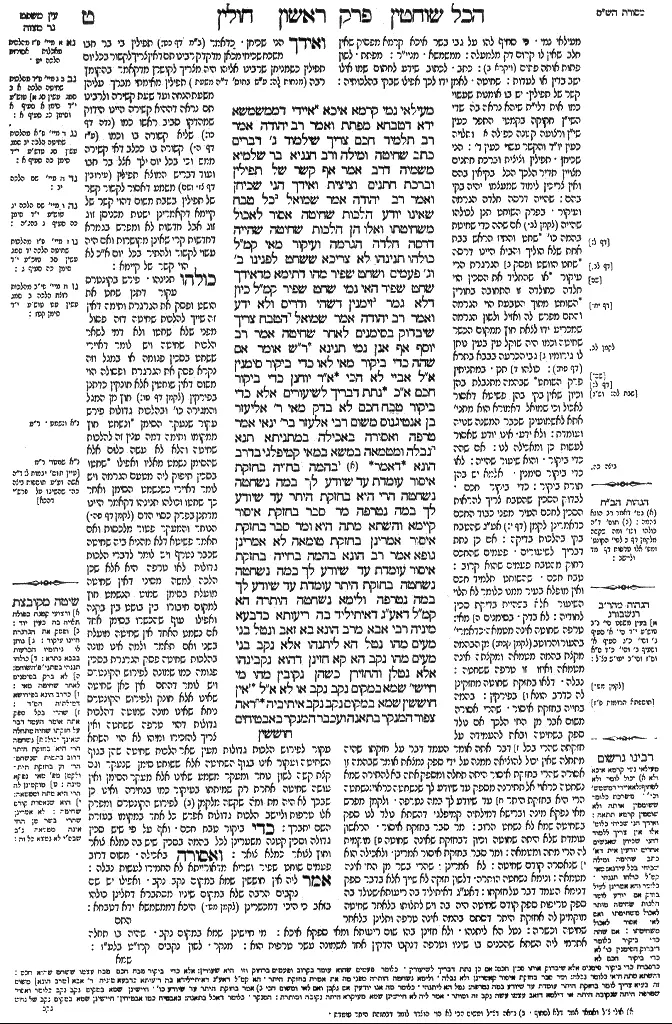
Hullin 9a - Guemara
מעילאי נמי קרמא איכא איידי דממשמשא ידא דטבחא מפתת ואמר רב יהודה אמר רב תלמיד חכם צריך שילמוד ג' דברים כתב שחיטה ומילה ורב חנניא בר שלמיא משמיה דרב אמר אף קשר של תפילין וברכת חתנים וציצית ואידך הני שכיחן ואמר רב יהודה אמר שמואל כל טבח שאינו יודע הלכות שחיטה אסור לאכול משחיטתו ואלו הן הלכות שחיטה שהייה דרסה חלדה הגרמה ועיקור מאי קמ"ל כולהו תנינהו לא צריכא ששחט לפנינו ב' וג' פעמים ושחט שפיר מהו דתימא מדאידך שחט שפיר האי נמי שחט שפיר קמ"ל כיון דלא גמר זימנין דשהי ודריס ולא ידע ואמר רב יהודה אמר שמואל הטבח צריך שיבדוק בסימנים לאחר שחיטה אמר רב יוסף אף אנן נמי תנינא ר"ש אומר אם שהה כדי ביקור מאי לאו כדי ביקור סימנין א"ל אביי לא הכי א"ר יוחנן כדי ביקור חכם א"כ נתת דבריך לשיעורים אלא כדי ביקור טבח חכם לא בדק מאי ר' אליעזר בן אנטיגנוס משום רבי אלעזר בר' ינאי אמר טרפה ואסורה באכילה במתניתא תנא נבלה ומטמאה במשא במאי קמיפלגי בדרב הונא דאמר בהמה בחייה בחזקת איסור עומדת עד שיודע לך במה נשחטה נשחטה הרי היא בחזקת היתר עד שיודע לך במה נטרפה מר סבר בחזקת איסור קיימא והשתא מתה היא ומר סבר בחזקת איסור אמרינן בחזקת טומאה לא אמרינן גופא אמר רב הונא בהמה בחייה בחזקת איסור עומדת עד שיודע לך במה נשחטה נשחטה בחזקת היתר עומדת עד שיודע לך במה נטרפה ולימא נשחטה הותרה הא קמ"ל דאע"ג דאיתיליד בה ריעותא כדבעא מיניה רבי אבא מרב הונא בא זאב ונטל בני מעים מהו נטל הא ליתנהו אלא נקב בני מעים מהו נקב הא קא חזינן דהוא נקבינהו אלא נטלן והחזירן כשהן נקובין מהו מי חיישי' שמא במקום נקב נקב או לא א"ל אין חוששין שמא במקום נקב נקב איתיביה ראה צפור המנקר בתאנה ועכבר המנקר באבטיחים
Comments from Rashi on Masechet Hullin Page 9a
מעילאי נמי . כי סחיף להו על גבי בשר איכא קרמא מפסיק שאין חלב שאין לו קרום דק מלמעלה: ממשמשא . מניי"ר: מפתת . לשון פתות אותה פתים (ויקרא ב): כתב . לכתוב שידע לחתום שמו אילו ישב בדין או לעדות: שחיטה . לאמן ידו לכך אפילו שבקי בהלכותיה: קשר של תפילין . יש בו אומנות שעשוי כמו אות דלי"ת שיהא נראה בה שדי השי"ן חקוקה בקמטי התפר כעין שי"ן ורצועה קטנה כפולה ותלויה כעין יו"ד והקשר עשוי כעין ד': הני שכיחן . תפילין וציצית וברכת חתנים מצויין תדיר הלכך הכל בקיאין בהם ואין צריכין לימוד שמעצמו יהיה בקי בהם: שהייה דרסה חלדה הגרמה ועיקור . בפרק השוחט תנן לכולהו שהייה (לקמן חולין לב.) אם שהה כדי שחיטת בהמה כו'. שחט והתיז הראש בבת אחת שלא הוליך והביא היינו דרסה. שחט הוושט ופסק הגרגרת הרי עיקור. או שהחליד את הסכין הוי חלדה כחולדה זו התחובה בחורין. השוחט מתוך הטבעת הוי הגרמה והתם מפרש לה ואזיל ולשון הגרמה שמכריע ידו לצאת חוץ ממקום הכשר שחיטה וכמו היה שוקל עין בעין נותן לו גירומיו גבי הכרעה בבבא בתרא (דף פח:): כולהו תנן . במתניתין פרק השוחט שבהמה מתנבלת בהן וכיון שאין בקי בהן פשיטא דאסור לאכול וכי שמואל דאמורא הוא מתני' אתא לאשמועינן שכבר המשנה שנויה ועומדת: ולא ידע . אינו יודע שאסור לעשות כן ומאכילה לנו: אם שהה כדי ביקור . והוא שיעור שהייה: לאו כדי ביקור סימנין . אלמא יש בהן תורת ביקור: כדי ביקור חכם . לבדוק הסכין שהטבח צריך להראות הסכין לחכם העיר מפני כבוד החכם כדאמרינן לקמן (חולין דף י:) אע"ג שהטבח בקי בהלכות בדיקה: אם כן נתת דבריך לשיעורים . פעמים שהחכם רחוק מהטבח פעמים שהוא קרוב: טבח חכם . שהשוחט תלמיד חכם ואין מופלא בעיר ממנו כלומר לא תלוי השיעור אלא בשהיית בדיקת סכין לחודיה: לא בדק . בסימנים מאי: טרפה שחוטה אינה מטמאה כדאמרי' בהעור והרוטב (לקמן חולין קכח:) מן הבהמה מקצת בהמה מטמאה ומקצתה אינה מטמאה ואיזו זו טרפה ששחטה: נבלה . דלאו בחזקת שחוטה מחזקינן לה כדרב הונא בפירקין: בהמה בחייה בחזקת איסור . שהרי אסורה משום אבר מן החי הלכך אם נולד ספק בשחיטה ובאת להעמידה על חזקתה שהרי בכל דבר אתה אומר העמד דבר על חזקתו שהיה מתחלה שאין יכול להוציאה ממנה על ידי ספק נמצאת אומר שבהמה זו אסורה שהרי בחזקת איסור היתה תחלה ומספק אתה בא להתירה שמא נשחטה כראוי אל תתירנה מספק עד שיודע לך שנשחטה כראוי: נשחטה הרי היא בחזקת היתר עד שיודע לך במה נטרפה . ולקמן מפרש מאי נפקא מינה. וברישא דמילתיה קמיפלגי דהשתא נולד לנו ספק בשחיטה שמא לא נשחט הרוב: מר סבר בחזקת איסור . הראשון עומדת שלא היתה שחוטה וכיון דבחזקת שאינה שחוטה מוקמית לה הרי מתה ומטמאה: ומר סבר בחזקת איסור אמרינן . ולאכילה הוא שנאסרה קודם שחיטה: לא אמרינן . שהרי בשר מן החי אינה מטמאה: ונימא נשחטה הותרה . דלשון חזקה לא שייך אלא בדבר ספק דנימא העמד דבר על חזקתו: דאע"ג דאיתיליד בה ריעותא . שנולד בה ספק טריפות ספק קודם שחיטה היה בה ויש לתלותו בלאחר שחיטה מוקמינן לה אחזקת היתר דסתם בהמה אינה טרפה ותלינן בלאחר שחיטה וכשרה: נטל הא ליתנהו . ולא חזינן בהו שום ריעותא ומאי ספקא איכא: מי חיישינן שמא במקום נקב . שהיה בו תחלה אתרמי ליה השתא שהכניס בו שיניו וטרפה דנקבו הדקין אחד משמונה עשר טרפות הוא: מנקר . לשון נקבים קרו"ט בלע"ז:
Comments from Tosafot - Hullin 9a
ואידך הני שכיחן . כדאמר (ב"מ דף כט:) תפילין בי בר חבו משכח שכיחי מכאן מדקדק רבינו תם דאין צריך לקשור בכל יום תפילין כשמניחן שרבינו אליהו היה מצריך לקושרן מדקאמר בהקומץ רבה (מנחות לה: ע"ש בתוס' ד"ה משעת) תפילין מאימתי מברך עליהן משעת הנחה ועד שעת קשירה ולרבינו תם נראה דההיא קשירה היינו הידוק שמהדקו סביב ראשו כמו (נדה דף כו:) שליא קשורה בו וכמו (ע"ז דף ה.) קשורה בו ככלב דאי קשירה ממש וכי בכל יום ילך אצל בר חבו ועוד דבריש המוצא תפילין (עירובין דף צז. ושם) משמע דאסור לקשור קשר של תפילין בשבת משום דהוי קשר של קיימא דקאמרינן ישנות מכניסן זוג זוג אבל חדשות לא ומפרש בגמרא דחדשות קרי שאינן מקושרות ואם היה עשוי לקשור ולהתיר בכל יום א"כ לא הוי קשר של קיימא: כולהו תנינהו . פירש בקונטרס עקור דתנן שחט את הושט ופסק את הגרגרת ותימה דאין זה שייך להלכות שחיטה דזה פסול מפני שלא שחטו ולא דמי לשאר הלכות שחיטה ויש לומר דאיירי ששחט בסכין פגומה או במגל וזה נקרא פסק את הגרגרת ופסולה הוי משום דאין שוחטין אלא חונקין כדתנן בפירקין (לקמן חולין דף טו:) חוץ מן המגל והמגירה כו' ובהלכות גדולות פירש עקור שנעקר הסימן ונשחט חוץ ממקומו ותימה דמה ענין זה להלכות שחיטה והלא לא עשה כלום אלא שהסימן נשמט מאליו ואפילו שחטו בסכין תיפוק ליה מטעם הגרמה ויש לומר דאיירי כשנשמט הסימן ואחר כך שחטו וכולהו תנינהו דקאמר היינו מדתנן בפרק כסוי הדם (לקמן חולין דף פה.) הנוחר והמעקר פטור מלכסות ואם תאמר פשיטא דלא מהניא ביה שחיטה שכבר נטרף ויש לומר לדברי הלכות גדולות לאו טרפה היא אלא שכן הלכה למשה מסיני דאין שחיטה מועלת בסימן שמוט הנשמט חוץ למקום חיבורו בין בושט בין בקנה ואפילו עוף שהכשרו בסימן אחד אם נשמט האחד אין שחיטה מועלת בשני ואם תאמר ולמה אינו מונה בהלכות שחיטה פסק הגרגרת בסכין פגומה כמו שמונה לפירוש הקונטרס ויש לומר דהתם אין כאן שחיטה שאינו אלא חונק ולפירוש הקונטרס ניחא שאינו מונה שמוטה דהלכות גדולות דהוי טרפה ששחטה ואין צריך להזכירו ומיהו לא הוי השתא עקור לפירוש הלכות גדולות מעין שאר הלכות שחיטה שהן בגוף השחיטה ועקור אינו בגוף השחיטה אלא ששוחט סימן שנעקר וגם קצת קשה לשון נוחר ומעקר משמע שאינו אלא מעקר הסימן ואין עושה שחיטה אחרת רק שמיתתו בעיקור כמו בנחירה ואינו כן שבכך לא היה מת ומה שקשה מלקמן לפירוש הקונטרס ומפרק אלו טרפות וליישב הלכות גדולות אפרש כל אחד במקומו בעזרת השם יתברך: כדי ביקור טבח חכם . ואף על פי שיש סכין גדולה וסכין קטנה משערינן לכל בהמה בסכין שיש בה כמלא צואר וחוץ לצואר כמלא צואר: ואסורה באכילה . משום דרוב פעמים שוחט שפיר ושריא מדאורייתא לא החמירו לעשות נבלה: אמר ליה אין חוששין שמא במקום נקב נקב . ואפילו יש שם נקבים הרבה שלא במקום שיניו מסתברא דתלינן כולהו בזאב כי היכי דמכשרינן (לקמן חולין מט.) היכא דממשמשא ידא דטבחא:
Hullin 9a - Mishnah translated into english
from above too there is a membrane that should prevent the forbidden fat from flowing onto the piece of meat even if the forbidden fat is placed directly upon it. The Gemara explains: Since the hand of the slaughterer touches the upper membrane, that membrane disintegrates and the forbidden fat flows onto the meat.
§ And Rav Yehuda says that Rav says: A Torah scholar is required to learn the requisite skills to perform three matters: Writing, so that he will be able to write texts on various occasions, ritual slaughter, and circumcision. And Rav Ḥananya bar Shelamya says in the name of Rav: He must also learn to tie the knot of the phylacteries, and to recite the blessing of the grooms by heart and with the traditional intonation, and to tie ritual fringes to the corners of a garment. The Gemara notes: And the other amora, Rav Yehuda, holds that those skills are commonplace and do not require special training.
§ And Rav Yehuda says that Shmuel says: With regard to any slaughterer who does not know the halakhot of ritual slaughter, it is prohibited to eat from his slaughter. And these are the halakhot of ritual slaughter: Interrupting the slaughter, pressing the knife, concealing the knife under the windpipe or the gullet in the course of an inverted slaughter, diverting the knife from the place of slaughter, and ripping the simanim from their place before cutting them.
The Gemara asks: What is the novelty in what Rav is teaching us? We learned all of them in the mishnayot in the second chapter of this tractate, and therefore it is obvious that a slaughterer who does not know these halakhot is not qualified. The Gemara answers: No, it is necessary in a case where the slaughterer slaughtered before us twice or three times and slaughtered well. Lest you say: From the fact that he slaughtered the other animals well, this animal he also slaughtered well; therefore, Rav teaches us: Since he did not learn the halakhot, sometimes it happens that he interrupts the slaughter or presses the knife, and he does not know that he invalidated the slaughter.
§ And Rav Yehuda says that Shmuel says: The slaughterer must examine the simanim, the windpipe and the gullet, after completing the slaughter. Rav Yosef said: We learn in a mishna (32a) as well: Rabbi Shimon says: The slaughter is not valid if he interrupted the slaughter for an interval equivalent to the duration of an examination. What, is it not an interval equivalent to the duration of an examination of the simanim? Apparently, one is obligated to examine the simanim.
Abaye said to him: No, this is what Rabbi Yoḥanan says: It is an interval equivalent to the duration of an examination of the knife, as the Sages instituted that one must take the knife to be examined by a Torah scholar prior to slaughtering the animal. Rav Yosef said to him: If so, you have rendered your statement subject to circumstances, as sometimes the Torah scholar is near and sometimes the Torah scholar is far, and the time required for examination varies accordingly. Rather, it is an interval equivalent to the duration of an examination performed by a slaughterer who is a Torah scholar. In that case, the travel time is not factored, just the time of the examination, which does not vary.
The Gemara asks: If the slaughterer did not examine the simanim after completing slaughter of the animal, what is the halakha? Rabbi Eliezer ben Antigonus says in the name of Rabbi Elazar, son of Rabbi Yannai: The halakhic status of the slaughtered animal is that of a tereifa, and it is forbidden for consumption, but it does not impart impurity. It was taught in a baraita: Its halakhic status is that of an unslaughtered carcass, and it imparts impurity by means of carrying it.
The Gemara asks: With regard to what principle do they disagree? The Gemara answers: They disagree with regard to the application of the halakha stated by Rav Huna, who says: An animal during its lifetime exists with the presumptive status of prohibition, as it is prohibited to eat a living animal, and it continues to have this status even after its death until it will become known to you in what manner it was slaughtered, i.e., whether it was properly slaughtered. Once the animal was slaughtered, it exists with the presumptive status of permissibility until it will become known to you in what manner it was rendered a tereifa.
It is with regard to the application of this halakha that Rabbi Elazar, son of Rabbi Yannai, and the tanna of the baraita disagree in a case where the slaughterer did not examine the simanim after completing the slaughter. One Sage holds: Since it has not been verified that the animal was slaughtered properly, the animal exists with the presumptive status of prohibition, and since now it is dead, it assumes the status of an unslaughtered carcass and imparts impurity. And one Sage holds: With regard to the presumptive status of prohibition, we say that the animal is forbidden until it is verified that it was slaughtered properly; with regard to the presumptive status of ritual impurity we do not say that the animal is impure, as a living animal is not ritually impure.
§ The Gemara proceeds to analyze the matter itself. Rav Huna says: An animal during its lifetime exists with the presumptive status of prohibition until it will become known to you in what manner it was slaughtered. Once the animal was slaughtered, it exists with the presumptive status of permissibility until it will become known to you in what manner it was rendered a tereifa. The Gemara challenges this: And let us say that once the animal was slaughtered, it became permitted, instead of saying that it exists with the presumptive status of permissibility. The Gemara explains: This teaches us that even if a flaw developed in the animal that raises uncertainty with regard to its permitted status, it retains its presumptive status of permissibility.
As Rabbi Abba raised a dilemma before Rav Huna: If a wolf came and took the innards of a slaughtered animal, what is the halakha?
The Gemara asks: Took? In that case the innards are not there, and therefore there is no way of seeing an indication of a flaw. Rather, the dilemma is: In a case where a wolf perforated the innards of a slaughtered animal, what is the halakha? The Gemara challenges: Perforated? We see that the wolf perforated them and in that case too there is no indication of a flaw. Rather, the dilemma is: In a case where a wolf took the innards and returned them when they are perforated, what is the halakha? Are we concerned that perhaps the wolf perforated the innards in the place of a preexisting perforation and the animal was a tereifa from the outset, or is that possibility not a concern?
Rav Huna said to Rabbi Abba: One is not concerned that perhaps the wolf perforated the innards in the place of a preexisting perforation, because one relies on the presumptive status of permissibility.
Rabbi Abba raised an objection to the opinion of Rav Huna: If one saw a bird pecking at a fig or a mouse gnawing at melons,
Traduction : The William Davidson digital edition of the Koren Noé Talmud, with commentary by Rabbi Adin Even-Israel Steinsaltz.