 Talmud Bavli
Hullin 25a : Youtube
Rabbi Dr. Moshe WeisblumYoutube
1 video class :
Hullin Page 25a
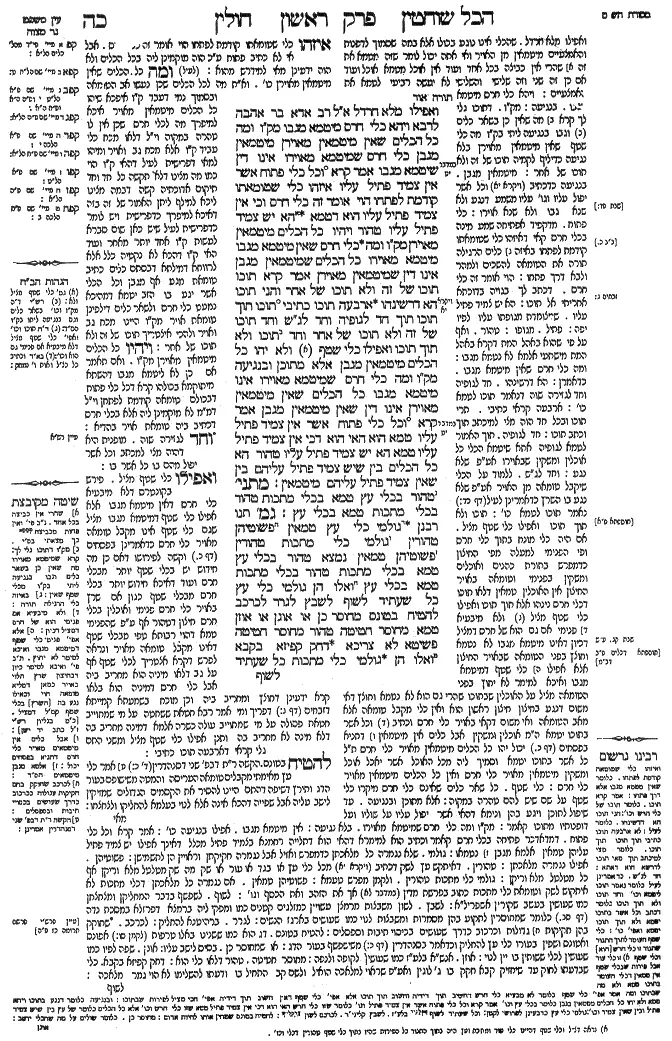
Hullin 25a - Guemara
ואפילו מלא חרדל א"ל רב אדא בר אהבה לרבא ויהא כלי חרס מיטמא מגבו מק"ו ומה כל הכלים שאין מיטמאין מאוירן מיטמאין מגבן כלי חרס שמיטמא מאוירו אינו דין שיטמא מגבו אמר קרא (במדבר יט, טו) וכל כלי פתוח אשר אין צמיד פתיל עליו איזהו כלי שטומאתו קודמת לפתחו הוי אומר זה כלי חרס וכי אין צמיד פתיל עליו הוא דטמא הא יש צמיד פתיל עליו טהור ויהיו כל הכלים מיטמאין מאוירן מק"ו ומה כלי חרס שאין מיטמא מגבו מיטמא מאוירו כל הכלים שמיטמאין מגבן אינו דין שמיטמאין מאוירן אמר קרא תוכו תוכו של זה ולא תוכו של אחר והני תוכו הא דרשינהו ארבעה תוכו כתיבי (ויקרא יא, לג) תוכו תוך תוכו תוך חד לגופיה וחד לג"ש וחד תוכו של זה ולא תוכו של אחר וחד תוכו ולא תוך תוכו ואפילו כלי שטף ולא יהו כל הכלים מיטמאין מגבן אלא מתוכן ובנגיעה מק"ו ומה כלי חרס שמיטמא מאוירו אינו מיטמא מגבו כל הכלים שאין מיטמאין מאוירן אינו דין שאין מיטמאין מגבן אמר קרא (במדבר יט, טו) וכל כלי פתוח אשר אין צמיד פתיל עליו טמא הוא האי הוא דכי אין צמיד פתיל עליו טמא הא יש צמיד פתיל עליו טהור הא כל הכלים בין שיש צמיד פתיל עליהם בין שאין צמיד פתיל עליהם מיטמאין:
מתני׳ טהור בכלי עץ טמא בכלי מתכות טהור בכלי מתכות טמא בכלי עץ:
גמ׳ תנו רבנן גולמי כלי עץ טמאין פשוטיהן טהורין גולמי כלי מתכות טהורין פשוטיהן טמאין נמצא טהור בכלי עץ טמא בכלי מתכות טהור בכלי מתכות טמא בכלי עץ ואלו הן גולמי כלי עץ כל שעתיד לשוף לשבץ לגרר לכרכב להטיח בטונס מחוסר כן או אוגן או אוזן טמא מחוסר חטיטה טהור מחוסר חטיטה פשיטא לא צריכא דחק קפיזא בקבא ואלו הן גולמי כלי מתכות כל שעתיד
Comments from Rashi on Masechet Hullin Page 25a
ואפילו מלא חרדל . שהכלי אינו נוגע בכולו אלא במה שסמוך לדפנות והאמצעיים מיטמאין מן האויר ואי אתה יכול לומר שזה מטמא את זה שהרי אין כביצה בכל אחד ועוד אין אוכל מטמא אוכל ועוד אם כן זה שני וזה שלישי והשלישי לא יעשה רביעי לטמא את האמצעיים: ויהא כלי חרס מיטמא מגבו . בנגיעה: מק"ו . דתוכו גלי לך קרא מה שאין כן בשאר כלים וגבו בנגיעה ליתי בק"ו מה כלי שטף שאין מיטמאין מאוירן בלא נגיעה כדיליף לקמיה תוכו של זה ולא תוכו של אחר: מיטמאין מגבן . בנגיעה כדכתיב (ויקרא יא) וכל אשר יפול עליו וגו' עליו משמע דנגע ולא שנא גבו ולא שנא אוירו: כלי פתוח . מדקפיד אפתיחה שמע מינה בכלי חרס קאי דאיזהו כלי שטומאתו קודמת לפתחו באיזה כלים הרגילה תורה את הטומאה להשכים ולמהר ולבא דרך פתחו: הוי אומר זה כלי חרס . דכתב לך בגויה בדוכתא אחריתי אל תוכו: הא יש צמיד פתיל עליו . שמצומדת מגופתו עליו לפיו יפה: פתיל . מגופו: טהור . ואף על פי שהוא באהל המת דקרא באהל המת מישתעי אלמא לא נטמא מגבו: ומה כלי חרס שאין מיטמא מגבו . כדאמרן: הא דרשינהו . חד לגופיה וחד לגזירה שוה דנאמר תוכו לטמא כו': ארבעה קראי כתיבי . תרי תוכו ובכל חד הוה מצי למיכתב תוך וכתב תוכו: חד לגופיה . תוך האמור לטמא לגופיה אתא שיטמא הכלי כל אוכלין ומשקין שבאוירו אע"פ שלא נגע: וחד לג"ש . ללמוד על הכלי שיקבל טומאה מן האויר אע"פ שלא נגע בו השרץ כדאמרינן לעיל (חולין דף כד:) נאמר תוכו לטמא כו': תוכו ולא תוך תוכו ואפילו כלי שטף מציל . אם היה כלי מונח בתוך כלי חרס ופי הפנימי למעלה מפי החיצון כדמפרש בתורת כהנים ואוכלים ומשקין בפנימי וטומאה באויר החיצון אין האוכלין טמאין דלאו תוכו דכלי חרס נינהו אלא תוך תוכו ואפילו כלי שטף מציל ולא מיבעיא פנימי אם גם הוא של חרס דמציל דכיון דאינו מיטמא מגבו לא נטמא וחוצץ בפני הטומאה שבאויר החיצון אלא אפילו כלי שטף דמיטמא מגבו ואיכא למימר לא יחוץ בפני הטומאה מציל על האוכלין שבתוכו שהרי גם הוא לא נטמא וחוצץ דאי משום דנגע בחיצון חיצון ראשון הוא ואין כלי מקבל טומאה אלא מאב הטומאה ואי משום דקאי באויר כלי חרס וכתיב וכל אשר בתוכו יטמא ה"מ אוכלין ומשקין אבל כלים אין מיטמאין דתניא בפסחים (דף כ.) יכול יהו כל הכלים מיטמאין מאויר כלי חרס ת"ל כל אשר בתוכו יטמא וסמיך ליה מכל האוכל אשר יאכל אוכל ומשקין מיטמאין מאויר כלי חרס ואין כל הכלים מיטמאין מאויר כלי חרס: כלי שטף . כל שאר כלים שאינם כלי חרס מיקרו כלי שטף על שם שיש להם טהרה במקוה: אלא מתוכן ובנגיעה . עד שיפול לתוכן ויגע בהן ונימא דהאי אשר יפול עליו על שוליו ועל דופנותיו מתוכו קאמר: מק"ו ומה כלי חרס שמיטמא מאוירו . בלא נגיעה: אין מיטמא מגבו . אפילו בנגיעה כו': אמר קרא וכל כלי פתוח . דמדאדכר פתיחה בכלי חרס קאמר וכתיב הוא למימרא דהאי הוא דתלייה רחמנא בצמיד פתיל מכלל דאינך אפילו יש צמיד פתיל עליהן טמאין אלמא מגבן נטמאו: גולמי . שלא נגמרה כל מלאכתן כדמפרש ואזיל אבל נגמרה חקיקתן וראויין הן לתשמישן: פשוטיהן . אפילו נגמרה מלאכתן: טהורין . דאיתקש עץ לשק דכתיב (ויקרא יא) מכל כלי עץ או בגד או עור או שק מה שק מטלטל מלא וריקן אף כל מטלטל מלא וריקן: גולמי כלי מתכות טהורין . ולקמן מפרש טעמא: פשוטיהן טמאין . אם נגמרה כל מלאכתן דכלי מתכות לא איתקוש לשק וטומאת כלי מתכות כתוב בפרשת מדין (במדבר לא) אך את הזהב ואת הכסף וגו': לשוף . לשפשף בדבר המחליקן ומצחצחן כמו שעושין בעשב שקורין אשפריל"א: לשבץ . לשון משבצות מרמצן עשויין כמזלגים קטנים כמו ומפקי ליה ברמצא דפרזלא במסכת נדה (דף סב.) כלומר שמחוסרין לתקוע בהן מסמרות ומשבצות לנוי כמו שעושים בארגז הנשים: לגרר . ברהיטנא להחליק: לכרכב . שחוקק בהן חקיקות גדולות וכרכוב כדרך שעושים בכיסוי תיבות וספסלים: להטיח בטונס . דג הוא כמו ששנינו באלו טרפות (לקמן חולין סו:) אפונס ואטונס ושפין בעורו כלי עץ להחליק וכדאמר בסנהדרין (דף כ:) משישפשף בעור הדג: או שמחוסר כן . בסיס לישב עליו: אוגן . שפה לפיו כמו שעושין לכלי ששותין בו יין לנוי: אוזן . אנש"א בלע"ז כמו שעושין לקופה ולנפה: מחוסר חטיטה . טהור דלאו כלי הוא: דחק קפיזא בקבא . כלי שבדעתו לחוק עד שיחזיק קבא חקק בו ג' לוגין ואע"פ שראוי למלאכה הואיל ולשם קב התחיל בו ודעתו להשלימו לא הוי גמר מלאכה:
Comments from Tosafot - Hullin 25a
(לעיל) ומה כל הכלים שאין מיטמאין מאוירן כו' . וא"ת מה לכל הכלים שכן נעשו אב הטומאה ובסמוך נמי דעבד ק"ו איפכא שיהו כל הכלים מיטמאין מאויר איכא למיפרך מה לכלי חרס שכן אין לו טהרה במקוה וי"ל דלאו מכח כלי עביד ק"ו אלא מכח גב ואויר ומיהו למאי דפרישית לעיל דהאי ק"ו הוי כמו מה מצינו דלא תקשה כל חד וחד תיקום אדוכתיה קשה דבמה מצינו ליכא למילף ליתן האמור של זה בזה דאיכא למיפרך כדפרישית ויש לומר כדפרישית לעיל שיש כאן שום סברא לעשות ק"ו אחד יותר מאחר ועוד האי ק"ו דהכא לא נקטיה כלל אלא לרווחא דמילתא דבסתם כלים כתיב טומאת מגע אף מגבן וכל הכלי אשר יגע בו הזב יטמא דמהיכא נמעט כלי חרס ולשאר כלים דילפינן טומאת אויר מק"ו היינו מכח גב ואויר ולהכי איצטריך תוכו של זה ולא תוכו של אחר: איזהו כלי שטומאתו קודמת לפתחו הוי אומר זה כלי חרס . אבל אי לא כתיב פתוח ע"כ הוה מוקמינן ליה בכל הכלים ולא הוה ידעינן מאי למידרש מהוא: ויהיו כל הכלים מיטמאין מאוירן מק"ו . ואם תאמר אם כן לא ליטמא מגבו דהשתא מיתוקמא בכולהו קרא דכל כלי פתוח דבכולם טומאה קודמת לפתחן וי"ל דמ"מ לא מוקמינן ליה אלא בכלי חרס דכתיב ביה טומאת אויר בהדיא: וחד לגזירה שוה . מופנית היא דהוה מצי למכתב וכל אשר יפול מהם בו כל אשר בו: ואפילו כלי שטף מציל . פירש בקונטרס דלא מיבעיא כלי חרס דאין מיטמא מגבו אלא אפילו כלי שטף דמיטמא מגבו מציל שגם כלי שטף אינו מקבל טומאה מאויר כלי חרס כדאמרינן בפסחים (דף כ.) וקשה לפירושו דאם כן מה חידוש יש בכלי שטף יותר מבכלי חרס ועוד דאיכא חידוש יותר בכלי חרס מבכלי שטף כגון אם שרץ באויר כלי חרס פנימי ואוכלין בכלי חרס חיצון דטהור אף ע"פ שהפנימי טמא דהוי רבותא טפי מבכלי שטף דאינו מקבל טומאה מאויר ונראה לפרש דקרא אצטריך לכלי שטף אף על גב דלאו מיניה הוא מחריב ביה אבל כלי חרס דמיניה הוא בלאו קרא ידעינן דחוצץ ומחריב ביה וכן מוכח בשמעתא קמייתא דזבחים (דף ג:) דפריך ומי אמר רבא חטאת ששחטה על מי שמחוייב חטאת פסולה על מי שמחוייב עולה כשרה אלמא דמינה מחריב בה דלא מינה לא מחריב בה ותנן אפילו כלי שטף מציל ומשני התם גלי קראי דארבעה תוכו כתיבי: להטיח בטונס . הקשה ר"ת דבפ' שני דסנהדרין (ד' כ:) אמר כלי עץ מאימתי מקבלים טומאה העריסה והמטה משישופם בעור הדג ותירץ דשיפה דהתם היינו להסיר את הקסמים הגדולים שמזיקין לישב עליה אבל שפייה דהכא אינה אלא לנוי בעלמא להחליקו ולצחצחו:
Hullin 25a - Mishnah translated into english
that it renders impure everything within it, and this is the halakha even if it is full of mustard seeds, in which case most of the seeds do not come in contact with the sides of the vessel, and nevertheless all the mustard seeds become impure.
Rav Adda bar Ahava said to Rava: And let it be derived that an earthenware vessel becomes impure from contact of an impure item with its outer side by means of an a fortiori inference: If all the other types of vessels, which do not become impure from the presence of an impure item in their airspace, become impure from contact of an impure item with their outer side, then with regard to an earthenware vessel, which becomes impure from the presence of an impure item in its airspace, isn’t it logical that it will become ritually impure from contact of an impure item with its outer side?
The Gemara answers: Therefore, the verse states: “And every open vessel that has no sealed cover upon it is impure” (Numbers 19:15), indicating that its impurity is dependent upon the mouth of the vessel. Which is the vessel whose impurity hastily takes effect just after the impure item enters into its mouth? You must say that is an earthenware vessel. And it is when there is no sealed cover on it that the vessel becomes impure. But when there is a sealed cover on it, the vessel is pure, as the earthenware vessel does not become impure from contact of an impure item with its outer side.
The Gemara suggests: And let it be derived that all the other vessels become impure from the presence of an impure item in their airspace by means of an a fortiori inference: If an earthenware vessel, which does not become impure from contact of an impure item with its outer side, becomes impure from the presence of an impure item in its airspace, then with regard to all the other vessels, which become impure from contact of an impure item with their outer side, isn’t it logical that they will become ritually impure from the presence of an impure item in their airspace?
The Gemara answers: Therefore, the verse states with regard to the carcasses of creeping animals: “And every earthenware vessel into which [tokho] any of them falls” (Leviticus 11:33), from which it is inferred: Tokho, i.e., the airspace, of this earthenware vessel renders the vessel impure, and not tokho, the airspace, of any other kind of vessel.
The Gemara objects: How can the halakha be derived from the term tokho in that verse? But didn’t the Sages interpret these instances of tokho that appear in that verse and derive: Just as in the case of tokho that is stated with regard to transmitting impurity, the food is impure even though it did not come into contact with the vessel, so too, in the case of tokho that is stated with regard to the vessel becoming impure, the vessel is impure even though the impure item did not come into contact with it.
The Gemara explains: Four instances of the term tokho from which halakhot can be derived are written: “Tokho” is written, and tokh could have been written; those are two instances. Then, later in that verse, once again “tokho” is written, and tokh could have been written.
One instance is to teach the halakha itself, that the vessel renders the food in its airspace ritually impure, and one instance is to teach the verbal analogy from which it is derived that the vessel becomes impure without contact with the impure item; and one source is to teach that tokho, the airspace, of this earthenware vessel renders the vessel impure, and not tokho of any other kind of vessel; and one source is to teach tokho, food in the airspace of an impure earthenware vessel becomes impure, but not tokh tokho, not food that is in the airspace of a vessel that is within an earthenware vessel, and even if that inner vessel is one of the other types of vessel purified through rinsing in the water of a ritual bath.
The Gemara asks: And let it be derived that all the other vessels do not become impure from contact of an impure item with their outer sides, but rather from the presence of an impure item inside them and with contact with their inner sides by means of an a fortiori inference: If an earthenware vessel, which becomes impure from the presence of an impure item in its airspace, does not become impure from contact of an impure item with its outer side, then with regard to all the other vessels, which do not become impure from the presence of an impure item in their airspace, isn’t it logical that they do not become impure from contact of an impure item with their outer side?
The Gemara answers: Therefore, the verse states: “And every open vessel that has no sealed cover upon it is impure” (Numbers 19:15), from which it is derived: This earthenware vessel (see Leviticus 11:33) is the one that when there is not a sealed cover upon it, it is impure, but when there is a sealed cover upon it, it is pure. But with regard to all the other vessels, whether there is a sealed cover upon them or whether there is not a sealed cover upon them, they become impure.
MISHNA: That which is ritually pure in wooden vessels is ritually impure in metal vessels; that which is ritually pure in metal vessels is ritually impure in wooden vessels.
GEMARA: The Sages taught in explanation of the mishna: Unfinished [golmei] wooden vessels that are receptacles and are fit for use but work remains to complete their crafting are susceptible to becoming impure. Flat wooden utensils are not susceptible to impurity. Unfinished metal vessels are not susceptible to impurity. Flat metal utensils are susceptible to becoming impure. It is found that that which is ritually pure in wooden vessels is ritually impure in metal vessels; that which is ritually pure in metal vessels is ritually impure in wooden vessels.
And these are the unfinished wooden vessels: Any vessel that one plans in the future to smooth, to set gems or ornaments in it, to plane it, to adorn it with grooves and protuberances, to rub it and smooth it with the skin of a tuna [tunas], or if it is lacking a base or a rim or a handle, the vessel is susceptible to becoming impure. If the vessel is lacking the hollowing necessary to render it a receptacle, it is not susceptible to impurity.
The Gemara asks: Isn’t it obvious that if the vessel is lacking hollowing, it is not susceptible to becoming impure, as it is clearly not a vessel? The Gemara answers: No, it is necessary only in a case where one hollowed three log [kefiza] in a receptacle that he intends to hold one kav, which contains six log. Even though it is a receptacle, since the receptacle is incomplete it is not susceptible to impurity.
And these are the unfinished metal vessels: Any vessel that one plans in the future
Traduction : The William Davidson digital edition of the Koren Noé Talmud, with commentary by Rabbi Adin Even-Israel Steinsaltz.