 Talmud Bavli
Hullin 105a : Youtube
Rabbi Dr. Moshe WeisblumYoutube
1 video class :
Hullin Page 105a
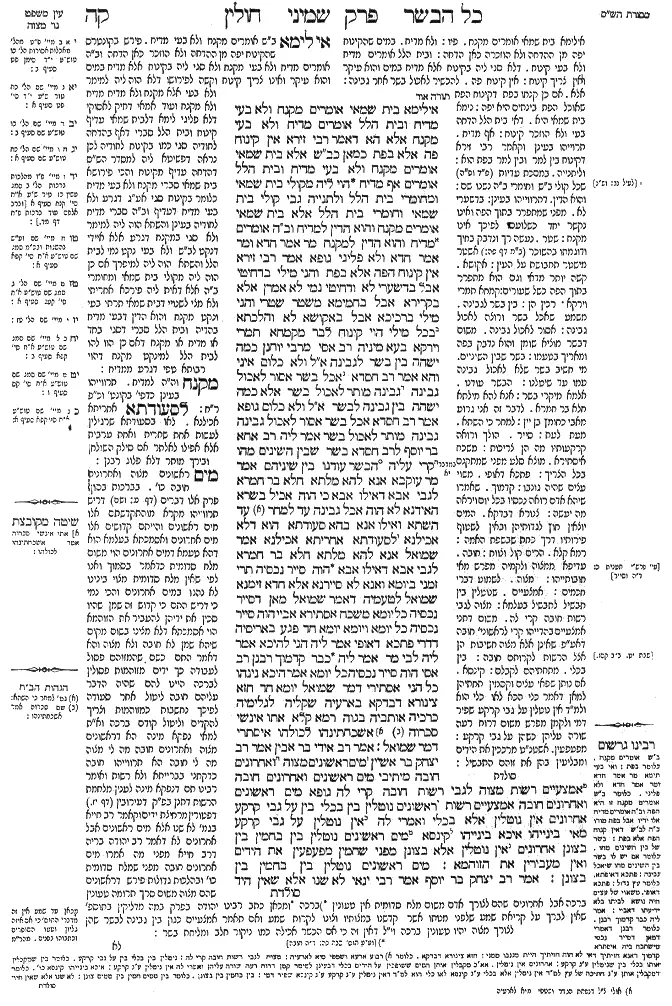
Hullin 105a - Guemara
אילימא בית שמאי אומרים מקנח ולא בעי מדיח ובית הלל אומרים מדיח ולא בעי מקנח אלא הא דאמר רבי זירא אין קינוח פה אלא בפת כמאן כב"ש אלא בית שמאי אומרים מקנח ולא בעי מדיח ובית הלל אומרים אף מדיח הוי ליה מקולי בית שמאי ומחומרי בית הלל ולתנייה גבי קולי בית שמאי וחומרי בית הלל אלא בית שמאי אומרים מקנח והוא הדין למדיח וב"ה אומרים מדיח והוא הדין למקנח מר אמר חדא ומר אמר חדא ולא פליגי גופא אמר רבי זירא אין קינוח הפה אלא בפת והני מילי בדחיטי אבל בדשערי לא ודחיטי נמי לא אמרן אלא בקרירא אבל בחמימא משטר שטרי והני מילי ברכיכא אבל באקושא לא והלכתא בכל מילי הוי קינוח לבר מקמחא תמרי וירקא בעא מיניה רב אסי מרבי יוחנן כמה ישהה בין בשר לגבינה א"ל ולא כלום איני והא אמר רב חסדא אכל בשר אסור לאכול גבינה גבינה מותר לאכול בשר אלא כמה ישהה בין גבינה לבשר א"ל ולא כלום גופא אמר רב חסדא אכל בשר אסור לאכול גבינה גבינה מותר לאכול בשר אמר ליה רב אחא בר יוסף לרב חסדא בשר שבין השינים מהו קרי עליה (במדבר יא, לג) הבשר עודנו בין שיניהם אמר מר עוקבא אנא להא מלתא חלא בר חמרא לגבי אבא דאילו אבא כי הוה אכיל בשרא האידנא לא הוה אכל גבינה עד למחר עד השתא ואילו אנא בהא סעודתא הוא דלא אכילנא לסעודתא אחריתא אכילנא אמר שמואל אנא להא מלתא חלא בר חמרא לגבי אבא דאילו אבא הוה סייר נכסיה תרי זמני ביומא ואנא לא סיירנא אלא חדא זימנא שמואל לטעמיה דאמר שמואל מאן דסייר נכסיה כל יומא משכח אסתירא אביי הוה סייר נכסיה כל יומא ויומא יומא חד פגע באריסיה דדרי פתכא דאופי אמר ליה הני להיכא אמר ליה לבי מר אמר ליה כבר קדמוך רבנן רב אסי הוה סייר נכסיה כל יומא אמר היכא נינהו כל הני אסתירי דמר שמואל יומא חד חזא צינורא דבדקא בארעיה שקליה לגלימיה כרכיה אותביה בגוה רמא קלא אתו אינשי סכרוה אשכחתינהו לכולהו איסתרי דמר שמואל:
אמר רב אידי בר אבין אמר רב יצחק בר אשיין מים ראשונים מצוה ואחרונים חובה מיתיבי מים ראשונים ואחרונים חובה אמצעיים רשות מצוה לגבי רשות חובה קרי לה גופא מים ראשונים ואחרונים חובה אמצעיים רשות ראשונים נוטלין בין בכלי בין על גבי קרקע אחרונים אין נוטלין אלא בכלי ואמרי לה אין נוטלין על גבי קרקע מאי בינייהו איכא בינייהו קינסא מים ראשונים נוטלין בין בחמין בין בצונן אחרונים אין נוטלין אלא בצונן מפני שחמין מפעפעין את הידים ואין מעבירין את הזוהמא:
מים ראשונים נוטלין בין בחמין בין בצונן:
אמר רב יצחק בר יוסף אמר רבי ינאי לא שנו אלא שאין היד
Comments from Rashi on Masechet Hullin Page 105a
אילימא בית שמאי אומרים מקנח . פיו: ולא מדיח . במים שהקינוח יפה מן ההדחה ולא הוזכרה כאן הדחה: ובית הלל אומרים מדיח ולא בעי קינוח . דלא סגי ליה בקינוח אלא מדיח במים והוא עיקר ואין צריך קינוח: אין קינוח פה . להכשיר לאכול בשר אחר גבינה: אלא . אם כן קנחו בפת דקינוח הפת שאוכל הפת בינתים היא יפה: נימא בית שמאי היא . דאי בית הלל הדחה בעי ולא הוזכר קינוח: אף מדיח . תרוייהו בעינן וקאמר רבי זירא דקינוח בין למר ובין למר בפת הוא: וליתנייה . במסכת עדיות (פ"ד ופ"ה) שכל קולי ב"ש וחומרי ב"ה נשנו שם: והוא הדין . דתרווייהו בעינן: בדשערי לא . מפני שמתפרר בתוך הפה ואינו נקשר יחד כשלועסו לפיכך אינו מקנח: שטר . נעשה רך ונדבק בחיך. ודוגמתו בהשוכר (ב"מ דף פה:) אשטר מישטר תחבושת על העין: אקושא . קשה יותר מדאי וגם הוא מתפרר בתוך הפה כשל שעורים: קמחא תמרי וירקא . רכין הן: בין בשר לגבינה . משמע שאכל בשר ורוצה לאכול גבינה: אסור לאכול גבינה . משום דבשר מוציא שומן והוא נדבק בפה ומאריך בטעמו: בשר שבין השיניים . מי חשיב בשר שלא לאכול גבינה עמו עד שיטלנו: הבשר עודנו . אלמא מיקרי בשר: אנא להא מילתא חלא בר חמרא . לדבר זה אני גרוע מאבי כחומץ בן יין: למחר כי השתא . מעת לעת: סייר . הולך ורואה קרקעותיו מה הן צריכות: משכח איסתירא . מוצא סלע מפני שמתקנם בכל הצריך: פתכא דאופי . משוי עצים שהיה גונבו: קדמוך . שאמרו שיהא אדם רואה נכסיו בכל יום ויראה מה יעשה: צנורא דבדקא . המים יוצאין חוץ לגדותיהן ובאין לשטוף פירותיו דרך פחת שבשפת האמה: רמא קלא . הרים קול וצווח: מצוה . לשמוע דברי חכמים: חובה . עדיפא ממצוה. ולקמיה מפרש מאי חובותייהו: אמצעיים . שנוטלין בין תבשיל לתבשיל בעלמא: מצוה לגבי רשות חובה קרי לה . משום דתני אמצעיים בהדייהו קרי לראשוני' חובה דאע"פ שאינן אלא מצוה חשיבות הן אצל הרשות לקרותם חובה: בין בכלי . מתחתיהם לקבלם: קינסא . אם נותן שפאי עצים וקסמין תחתיהן למאן דאמר כלי הכא לאו כלי הוא ולמ"ד אין נוטלין על גבי קרקע שפיר דמי ולקמן מפרש משום דרוח רעה שורה עליהן כשהן על גבי קרקע: מפעפעין . אשטנ"ט מרככין את הידים ומבליעין בהן את זוהם התבשיל:
Comments from Tosafot - Hullin 105a
אילימא ב"ש אומרים מקנח ולא בעי מדיח . פירש בקונטרס שהקינוח יפה מן ההדחה ולא הוזכר כאן הדחה וב"ה אומרים מדיח ולא בעי מקנח ולא סגי ליה בקינוח אלא מדיח במים והוא עיקר ואינו צריך קינוח וקשה לפירושו דלא הוה ליה למימר ולא בעי אלא מקנח ולא מדיח מדיח ולא מקנח ועוד אמאי דחיק לאסוקי דלא פליגי לימא דלבית שמאי עדיף קינוח ובית הלל סברי דאף בהדחה לחודיה סגי כמו בקינוח לחודיה לכן נראה דפשיטא ליה למסדר הש"ס דהדחה עדיף מקינוח והכי פירושא בית שמאי סברי מקנח ולא בעי מדיח כלומר בקינוח סגי אע"ג דגרע ולא בעי מדיח דעדיף וב"ה סברי מדיח לחודיה בעינן והשתא הוה ליה למימר ולא סגי במקנח דגרע אלא איידי דנקט לב"ש ולא בעי נקט נמי לבית הלל והשתא הוה ליה למיפרך אם כן הוה ליה מקולי בית שמאי ומחומרי ב"ה אלא דאית ליה פירכא אחריתי ולא מצי לשנויי דבית שמאי תרתי בעי ונקט מקנח והוא הדין דבעי מדיח בהדיה ובית הלל סברי דסגי בחד או מדיח או מקנח דאם כן הוו להו לבית הלל למינקט מקנח דהוי רבותא טפי דגרע ממדיח: מקנח וה"ה למדיח . תרווייהו בעינן כדפי' בקונט' וכ"פ ר"ח: לסעודתא אחריתא אכילנא . לאו בסעודתא שרגילין לעשות אחת שחרית ואחת ערבית אלא אפילו לאלתר אם סילק השולחן ובירך מותר דלא פלוג רבנן: מים ראשונים מצוה ואחרונים חובה כו' . בברכות בסוף פרק אלו דברים (דף נג: ושם) דריש תרווייהו מקרא מוהתקדשתם אלו מים ראשונים והייתם קדושים אלו מים אחרונים ואסמכתא בעלמא הוא דהא טעמא דמים אחרונים הוי משום מלח סדומית כדאמר בסמוך ואנו לפי שאין מלח סדומית מצוי בינינו לא נהגו במים אחרונים והכי נמי כי דריש התם כי קדוש זה שמן שהיו סכין את ידיהן להעביר את הזוהמא הוי אסמכתא דלא מצינו בשום מקום שיהא שמן לא חובה ולא מצוה והא דאמר התם כשם שהמזוהם פסול לעבודה כך ידים מזוהמות פסולין לברכה היינו להם שהיה הדבר עליהם חובה ליטול אחר סעודה לפיכך נחשבות כמזוהמות וצריך להקדים וליטול קודם ברכה וא"ת למאי נפקא מינה הא דראשונים מצוה ואחרונים חובה מה לי מצוה מה לי חובה הא תרווייהו חובה כדקתני בברייתא ולא רשות ואומר רבינו תם דנפקא מינה לענין מלחמת הרשות דתנן בפ"ק דעירובין (דף יז.) דפטורין מרחיצת ידים וקאמר רב חייא בגמ' לא שנו אלא מים ראשונים אבל אחרונים לא דאמר רב יהודה בריה דרב חייא מפני מה אמרו מים אחרונים חובה מפני שמלח סדומית כו' ובהלכות גדולות פירש דראשונים שהם מצוה משום סרך תרומה טעונין ברכה אבל אחרונים שהם לצורך אדם משום מלח סדומית אין טעונין ברכה ומכאן כתב רבינו יהודה בפרק במה מדליקין בתוספ' שאין לברך על קריאת שמע שלפני מטתו אשר קדשנו במצותיו וצונו לקרות שמע ואם תאמר אמצעיים כגון בין גבינה לבשר שהן לצורך מצוה יהיו טעונין ברכה וי"ל דאין זה כי אם הכשר אכילה כמו ניקור חלב ומליחת בשר:
Hullin 105a - Mishnah translated into english
If we say that Beit Shammai say that one wipes out his mouth with solid food and does not need to rinse his mouth with water, since they maintain that wiping is more effective than rinsing, and Beit Hillel say that he rinses his mouth in water and does not need to wipe his mouth, as rinsing is more effective, one can respond: But as for that which Rabbi Zeira said: Wiping of the mouth can be performed only with bread, in accordance with whose opinion is it? It is apparently in accordance with the opinion of Beit Shammai, since Beit Hillel do not require wiping. Yet, it is unlikely that Rabbi Zeira would rule in accordance with the opinion of Beit Shammai rather than Beit Hillel.
Rather, one must explain the dispute as follows: Beit Shammai say that one wipes his mouth after eating meat and does not need to rinse his mouth as well, and Beit Hillel say that in addition to wiping one must also rinse. This interpretation is difficult as well, since if so, this constitutes one of the disputes between them that involve leniencies of Beit Shammai and stringencies of Beit Hillel, and consequently, let the tanna of tractate Eduyyot teach it alongside the other disputes listed there that involve leniencies of Beit Shammai and stringencies of Beit Hillel.
Rather, one must interpret their statements as follows: Beit Shammai say that one wipes his mouth after eating meat, and the same is true of rinsing, i.e., one must rinse his mouth as well. And Beit Hillel say that one rinses his mouth, and the same is true of wiping. And one Sage said one statement and one Sage said another statement, and they do not disagree.
§ After citing Rabbi Zeira’s statement tangentially, the Gemara discusses the matter itself. Rabbi Zeira says: Wiping of the mouth can be performed only with bread. The Gemara explains: And this statement applies only to bread prepared from wheat flour. But with regard to bread prepared from barley flour, one may not use it for wiping, as barley bread crumbles in the mouth and does not wipe thoroughly.
The Gemara adds: And even in the case of bread prepared from wheat flour, we said the halakha only with regard to cold bread, but as for warm bread, it is ineffective for wiping even if made of wheat, as it softens and sticks to the palate, and it does not wipe the mouth properly. And furthermore, even if the bread is cold, this statement applies only with regard to soft bread, but one may not wipe with hard bread, as it also does not clean effectively. The Gemara concludes: And the halakha is that the use of all items constitutes effective wiping, except for flour, dates, and vegetables.
§ Rav Asi posed a dilemma to Rabbi Yoḥanan: How much time should one wait between eating meat and eating cheese? Rabbi Yoḥanan said to him: No time at all. The Gemara asks: Is that so? But doesn’t Rav Ḥisda say: If one ate meat, it is prohibited for him to eat cheese immediately, but if he ate cheese it is permitted for him to eat meat without delay? Rather, Rav Asi actually asked Rabbi Yoḥanan the following question: How much time should one wait between eating cheese and eating meat? In response to this question, Rabbi Yoḥanan said to him: No time at all.
After tangentially citing a statement of Rav Ḥisda, the Gemara discusses the matter itself. Rav Ḥisda says: If one ate meat, it is prohibited for him to eat cheese immediately, as the meat contains fatty substances that stick to one’s mouth and preserve the flavor of meat. But if he ate cheese it is permitted for him to eat meat without delay. Rav Aḥa bar Yosef said to Rav Ḥisda: In the case of meat that is between the teeth, what is the halakha? Are these remnants considered meat to the extent that one may not eat cheese as long as they are in his mouth?
In response, Rav Ḥisda read about him the following verse: “While the meat was yet between their teeth” (Numbers 11:33). This verse indicates that even when the meat is between one’s teeth it is still considered meat, and therefore one may not partake of cheese until that meat has been removed.
Mar Ukva said: I am, with regard to this matter, like vinegar, son of wine, with respect to Father, i.e., my practice is inferior to that of my father. As Father, if he were to eat meat at this time, would not eat cheese until tomorrow at this time. But as for me, only at this meal, during which I ate meat, do I not eat cheese; at a different meal on the same day I will eat cheese.
Similarly, Shmuel said: I am, with regard to this other matter, like vinegar, son of wine, with respect to Father. As Father would patrol his property to examine it twice daily, but I patrol it only once a day. The Gemara notes: In this regard Shmuel conforms to his line of reasoning, as Shmuel said: One who patrols his property every day will find an asteira coin.
The Gemara relates that Abaye would patrol his property each and every day. One day he encountered his sharecropper carrying a load of wood that the sharecropper intended to take for himself. Abaye said to him: To where are you taking these logs of wood? The sharecropper said to him: To the Master’s house. Abaye, who knew that the sharecropper had intended to take the wood for himself, said to him: The Sages already preempted you when they said that one should patrol his property regularly, and they thereby prevented you from stealing the wood.
The Gemara likewise relates that Rav Asi would patrol his property every day. He said: Where are all these asteira coins mentioned by Mar Shmuel? This patrol is not reaping me any benefit. One day he saw a water channel that overflowed, causing water to flood onto his land. He took off his cloak, wrapped it, and placed it inside the pipe to block the flow of water. He then raised his voice, and people came and sealed the hole. He said: I have just found all the asteira coins mentioned by Mar Shmuel, as I would have suffered a great loss had I not patrolled my fields.
§ Having mentioned the manner of washing hands during a meal, the Gemara discusses another matter concerning washing hands. Rav Idi bar Avin says that Rav Yitzḥak bar Ashyan says: The first waters, i.e., washing of the hands before eating bread, are a mitzva by rabbinic law, but the final waters, washing of the hands upon conclusion of the meal and before reciting Grace after Meals, are an obligation, a more stringent requirement.
The Gemara raises an objection to this ruling from a baraita: The first waters and the final waters are an obligation, whereas the middle waters, between courses during the meal, are optional. Apparently, the first waters are also an obligation, not a mitzva. The Gemara responds: Although the first waters are in fact a mitzva, the tanna calls a mitzva an obligation when compared to an optional requirement.
The Gemara analyzes the matter itself. The full text of the baraita is as follows: First waters and final waters are an obligation, whereas middle waters are optional. For first waters, one may wash either by spilling the water into a vessel or onto the ground. But for final waters, one washes only by pouring the water into a vessel. And some say a slightly different version of the baraita: For final waters, one may not wash by pouring the water onto the ground.
The Gemara interjects: What is the difference between these two versions? The Gemara answers: There is a practical difference between them with regard to pouring the water on thin wood slivers on the ground. According to the first version, which requires that the water be poured into a vessel, one may not use such slivers for this purpose, whereas according to the second version, which merely prohibits pouring the water onto the ground, one may use wood slivers.
The baraita continues: With regard to first waters, one may wash either with hot water or with cold water. But for final waters, one may wash only with cold water, because hot water softens the hands and does not remove the dirt from them. The Gemara analyzes the statement that for first waters one may wash either with hot water or with cold water: Rav Yitzḥak bar Yosef says that Rabbi Yannai says: They taught this halakha only in a case where the hand does not
Traduction : The William Davidson digital edition of the Koren Noé Talmud, with commentary by Rabbi Adin Even-Israel Steinsaltz.