 Talmud Bavli
Hullin 8a : Youtube
Rabbi Dr. Moshe WeisblumYoutube
1 video class :
Hullin Page 8a
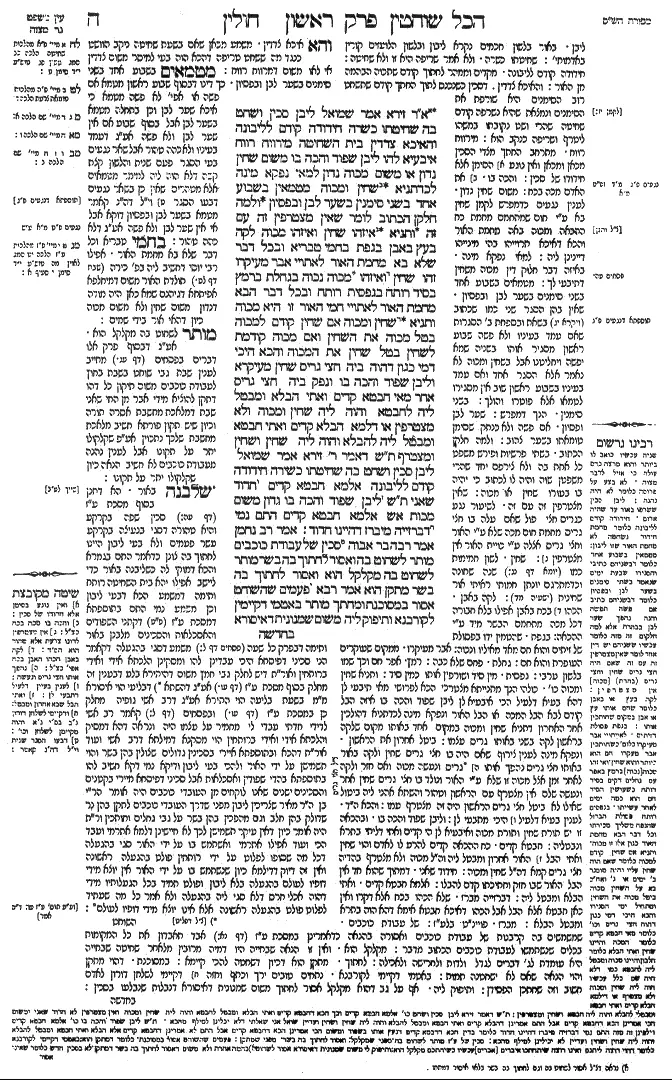
Hullin 8a - Guemara
א"ר זירא אמר שמואל ליבן סכין ושחט בה שחיטתו כשרה חידודה קודם לליבונה והאיכא צדדין בית השחיטה מירווח רווח איבעיא להו ליבן שפוד והכה בו משום שחין נדון או משום מכוה נדון למאי נפקא מינה לכדתניא שחין ומכוה מטמאין בשבוע אחד בשני סימנין בשער לבן ובפסיון ולמה חלקן הכתוב לומר שאין מצטרפין זה עם זה ותניא איזהו שחין ואיזהו מכוה לקה בעץ באבן בגפת בחמי טבריא ובכל דבר שלא בא מחמת האור לאתויי אבר מעיקרו זהו שחין ואיזהו מכוה נכוה בגחלת ברמץ בסיד רותח בגפסית רותח ובכל דבר הבא מחמת האור לאתויי חמי האור זו היא מכוה ותניא שחין ומכוה אם שחין קודם למכוה בטל מכוה את השחין ואם מכוה קודמת לשחין בטל שחין את המכוה והכא היכי דמי כגון דהוה ביה חצי גריס שחין מעיקרא וליבן שפוד והכה בו ונפק ביה חצי גריס אחר מאי חבטא קדים ואתי הבלא ומבטל ליה לחבטא והוה ליה שחין ומכוה ולא מצטרפין או דלמא הבלא קדים ואתי חבטא ומבטל ליה להבלא והוה ליה שחין ושחין ומצטרף ת"ש דאמר ר' זירא אמר שמואל ליבן סכין ושחט בה שחיטתו כשירה חידודה קודם לליבונה אלמא חבטא קדים חדוד שאני ת"ש ליבן שפוד והכה בו נדון משום מכות אש אלמא חבטא קדים התם נמי דברזייה מיברז דהיינו חדוד:
אמר רב נחמן אמר רבה בר אבוה סכין של עבודת כוכבים מותר לשחוט בה ואסור לחתוך בה בשר מותר לשחוט בה מקלקל הוא ואסור לחתוך בה בשר מתקן הוא אמר רבא פעמים שהשוחט אסור במסוכנת ומחתך מותר באטמי דקיימין לקורבנא ותיפוק ליה משום שמנונית דאיסורא
Comments from Rashi on Masechet Hullin Page 8a
ליבן . באור. בלשון חכמים נקרא ליבון ובלשון הלועזים קורין באדמותי': שחיטתו כשרה . ולא אמר שריפה היא זו ולא שחיטה: חידודה קודם לליבונה . מקדים וממהר לחתוך קודם שתכוה הבהמה מן האור: והאיכא צדדין . דסכין כשנכנס לתוך החתך קודם שתשחט רוב הסימנים היא שורפת את הסימנים ונמצאת שהיא נשרפה קודם שחיטה שהרי ושט נקובתו במשהו ליטרף ושריפה כנקב הוא: מירווח רווח . מתרחב החתך מצדי הסכין מכאן ומכאן ואין נוגע הסימן אלא חידודו של סכין: והכה בו . את האדם מכה בכח: משום שחין נדון . לענין נגעים כדמפרש לקמן. שחין בא ע"י חום שמתחמם מחמת כח ההכאה ומכוה באה מחמת האור והכא דאיכא תרוייהו בהי מינייהו דיינינן ליה: למאי נפקא מינה . באיזה דבר חלוק דין מכוה משחין דתיבעי לך: מטמאים בשבוע אחד בשני סימנים בשער לבן ובפסיון . שאין בהן הסגר שני כמו שכתוב (ויקרא יג) בשאת ובספחת ב' הסגרות שאם עמד בעיניו ולא פשה שבוע ראשון מסגיר אותו בשניה שמא יפשה ויחליטנו אבל בשחין ומכוה לא נאמר אלא הסגר אחד ואם עמד בעיניו בשבוע ראשון שוב אין מסגירו לטמאו אלא פוטרו והולך: בשני סימנין . הנך דמפרש: שער לבן ופסיון . אם פשה ולא כנתק שסימן טומאתו בשער צהוב: ולמה חלקן הכתוב . בשתי פרשיות ופירש משפט כל אחת בה ולא צירפם יחד שהרי משפטן שוה והיה לו לכתוב כי יהיה בו בעורו שחין או מכוה: שאין מצטרפין זה עם זה . לשיעור נגע כגריס חצי פול שאם עלה בו חצי גריס מחמת חום מכה שלא ע"י האור וחצי גריס אצלה ע"י כויית האור אין מצטרפין: שחין . לשון חמימות כמו (יומא דף נג:) שנה שחונה וכדמתרגם יונתן חמותי ראיתי אור שחינית (ישעיהו מד): לקה באבן . הכהו בכח באבן אפילו בלא חבורה דכל מכה מתחמם הבשר מיד ע"י ההכאה: בגפת . שהטמין ידו בפסולת של זיתים והוא חם מאד מאיליו ונכוה: אבר מעיקרו . ממקום שעוקרים העופרת והוא חם: גחלת . פחם שלא כבה: רמץ . אפר חם וכך שמו בלשון ערבי: גפסית . מין סיד ושורפין אותו כמין סיד: ותניא שחין ומכוה כו' . כולהי הנך מתנייתא מצטרכי הכא לפרושי מאי תיבעי לן דהא בעיא דלעיל הכי איבעיא לן ליבן שפוד והכה בו איזה הבל קודם לבא הבל המכה או הבל האור ונפקא מינה לכדתניא דהולכין אחר האחרון דתניא שחין ומכוה במקום אחד באותו מקום שלקה בראשון לקה בשני באותו גריס עצמו: ביטל אחרון את הראשון . ונפקא מינה לענין צירוף שאם היה בו חצי גריס שחין ולקה באור באותו חצי גריס נהפך אותו גריס ונעשה מכוה ואם חזר ולקה לאחר זמן אצל מכוה זו שלא ע"י האור ונולד בו חצי גריס שחין אחר ונעשה שלם אין מצטרף עם הראשון וטהור והשתא אהני ליה ביטול שאילו לא ביטל חצי גריס הראשון היה זה מצטרף עמו: והכא ה"ד . לענין בעיא דלעיל היכי מתבעי לן: וליבן שפוד והכה בו . ובהכאה זו יש תורת שחין ותורת מכוה ואיבעיא לן הי קדים ואתי דליתי בתרא ונבטליה: חבטא קדים . כח ההכאה קדים להרע לו לאדם והוי שחין ואתי הבל האור אחרון ומבטל ליה וה"ל מכוה ולא מצטרף בהדיה חצי גריס קמא דה"ל שחין ומכוה: חידוד שאני . דמתוך שהוא חד אין הבל האור שבו חזק וחתיכתו קדם להבלו: אלמא חבטא קדים . ואתי הבלא ומבטל ליה: דברזייה מברז . שלא הכהו בכח אלא דקרו ואין כאן חבטא אלא הבל אבל הכהו דאיכא חבטא אימא דהא הוה בתרא ומבטל הבלא: מברז . פויינ"ט בלע"ז: של עבודת כוכבים . שמשמשים בה קרבנות של עבודת כוכבים ואסורה בהנאה כדאמרינן במסכת ע"ז (דף נא:) אבד תאבדון את כל המקומות בכלים שנשתמשו לעבודת כוכבים הכתוב מדבר: מקלקל הוא . ואין זו הנאה שבחייה היו דמיה מרובין מלאחר שחיטה שבחייה היא עומדת לג' דברים לגדל ולדות ולחרישה ולאכילה: לחתוך . מתקן הוא דכיון דשחטה להכי קיימא: במסוכנת . דהוי מתקן והוי הנאה שאם לא ישחטנה תמות: באטמי דקיימי לקורבנא . נתחים טובים ירך וכתף וחזה דקיימי לשלחן דורון לאדם חשוב וזה שחתכן הפסידן: ותיפוק ליה . אף על גב דהוא מקלקל אסור לחתוך משום שמנונית דאיסורא דנבלות שנבלעו בסכין:
Comments from Tosafot - Hullin 8a
והא איכא צדדין . משמע מכאן שאם בשעת שחיטה ניקב הוושט כנגד מה ששחט טריפה דהכא הוה בעי למיסר משום צדדין אי לאו משום דמרווח רווח: מטמאים בשבוע אחד בשני סימנים בשער לבן ובפסיון . כך דינו דבסוף שבוע ראשון מטמא אם פשה או אפי' לא פשה מטמא כי איכא שער לבן וכן בתחלה מטמא בשער לבן אבל בסוף שבוע אם אין שער לבן ולא פשה אע"ג דעמד בעיניו ולא כהה טהור אבל שאר נגעים בעי הסגר פעם שנית והלשון קצת קשה דלא הוה ליה למימר מטמאים אלא מטהרים שאין כן בשאר נגעים דבעו הסגר וי"ל דה"נ קאמר מטמא בשער לבן ובפסיון דוקא אבל אי אין שער לבן ולא פשה אע"ג דלא כהה טהור: בחמי טבריא וכל דבר שלא בא מחמת האור . אפילו רבי יוסי דחשיב ליה בפ' כירה (שבת דף לט.) תולדת האור משום דמיחלפא אפיתחא דגיהנם שמא כאן היה מודה דנדון משום שחין ולא משום מכוה כיון דהאי אור בידי שמים: מותר לשחוט בה מקלקל הוא . אע"ג דבסוף פרק אלו דברים בפסחים (דף עג.) מחייב לענין שבת גבי שוחט בשבת בחוץ לעבודת כוכבים משום תיקון כל דהו דתקן להוציא מידי אבר מן החי שאני שבת דמלאכת מחשבת אסרה תורה וכיון שיש תקון פורתא חשיב מלאכת מחשבת שלכך נתכוין אע"פ שקלקולו יתר על תקונו אבל לענין נהנה מעבודת כוכבים לא חשיב הנאה כיון שקלקולו יתר על תקונו:
Hullin 8a - Mishnah translated into english
§ Rabbi Zeira says that Shmuel says: If one heated a knife until it became white hot [libben] and slaughtered an animal with it, his slaughter is valid, as cutting the relevant simanim with the knife’s sharp blade preceded the effect of its white heat. Had the effect of the heat preceded the cutting, the animal would have been rendered a tereifa, an animal with a wound that will cause it to die within twelve months, before the slaughter was completed, by searing the windpipe and the gullet. The Gemara asks: But aren’t there the sides of the knife, which burn the throat and render the animal a tereifa? The Gemara answers: The area of the slaughter in the throat parts immediately after the incision, and the tissue on either side of the incision is not seared by the white-hot blade.
A dilemma was raised before the Sages: If one heated a skewer [shappud] until it became white hot and struck a person with it, and after the wound healed a leprous mark developed, is that mark adjudged as a leprous boil or is it adjudged as a leprous burn?
What is the practical difference whether it is adjudged a boil or a burn? The difference is for that which is taught in a baraita: Both a leprous boil and a leprous burn become impure during one week of quarantine with two symptoms: With white hair that grows in the leprous mark and with spreading of the leprous mark. And why did the verse divide them into two separate passages even though their halakhic status is the same? The verse divided them to say that they do not join together to constitute the requisite measure of impure leprous marks. Rather, there is impurity only if the boil or the burn constitutes that measure individually.
And it is taught in a baraita: Which wound is a boil and which is a burn? If one was struck with wood, with a stone, with pomace, with the hot springs of Tiberias, or with any item that is not heated by fire, a phrase that serves to include lead that was mined from its source in the ground, which is occasionally hot enough to burn a person, this impression left on the skin is a boil. And which wound is a burn? If one was burned with a coal, with hot ashes, with boiling limestone, with boiling gypsum [begippesit], or with any item that is heated by fire, a phrase that serves to include water heated by fire, this impression left on the skin is a burn.
And it is taught in a baraita: If there is a boil and a burn on the same place on the skin and a leprous mark developed, the later wound determines the nature of the leprosy. Therefore, if the boil preceded the burn, the burn nullifies the boil and the mark is a leprous burn. And if the burn preceded the boil, the boil nullifies the burn and the mark is a leprous boil.
And here, where the dilemma was raised whether the mark that develops from being struck with a hot skewer is a boil or a burn, what are the circumstances? It is a case where initially there was a boil half the size of a split bean on the person’s skin, and one heated a skewer until it became white hot and struck him with it, and another mark half the size of a split bean emerged on the skin there.
The Gemara clarifies the dilemma: What is the halakha? Does the effect of the blow come first and then the effect of the heat comes and nullifies the effect of the blow, and it is a half-measure boil and a half-measure burn and they do not join together to constitute a full measure? Or perhaps the effect of the heat comes first and then the effect of the blow comes and nullifies the effect of the heat, and it is a half-measure boil and a half-measure boil and they join together.
The Gemara suggests: Come and hear a resolution to the dilemma from that which Rabbi Zeira says that Shmuel says: If one heated a knife until it became white hot and slaughtered an animal with it, his slaughter is valid, as cutting the relevant simanim with the knife’s sharp blade preceded the effect of its white heat. Apparently, the effect of the blow comes first. The Gemara rejects that proof: Cutting with a sharp blade is different from striking with a blunt object, and only in the case of a blade does the cut precede the effect of the heat.
The Gemara suggests: Come and hear a resolution to the dilemma from a baraita: If one heated a skewer until it became white hot and struck a person with it and after the wound healed a leprous mark developed, that mark is adjudged as a leprous burn caused by fire. Apparently, the effect of the blow precedes the effect of the burn. The Gemara rejects that proof: There too, the reference is to a case where he stabbed the skin with the skewer, which is the same as cutting with a sharp blade.
§ Rav Naḥman says that Rabba bar Avuh says: With regard to a knife used for idol worship, it is permitted to slaughter an animal with it, but it is prohibited to cut meat with it. It is permitted to slaughter an animal with it because slaughtering it is a destructive action vis-à-vis the animal, which is worth more when it is alive. But it is prohibited to cut meat with it, because once the animal is slaughtered, cutting it is a constructive action that renders the meat manageable.
Rava said: There are times when it is prohibited for one who slaughters an animal to use a knife used for idol worship, e.g., in the case of an animal that is in danger, meaning that it is about to die. If he does not slaughter the animal it would become an unslaughtered carcass and depreciate in value. And there are times when it is permitted for one who cuts meat to use a knife of idol worship, e.g., in the case of an animal whose thighs are intended to be sent as a gift to a person of stature. Cutting it into pieces would render it unfit for this purpose, thereby diminishing its value.
The Gemara challenges: And derive that it is prohibited to use a knife used for idol worship, not because benefit from it is prohibited, but due to the residue of fat of forbidden carcasses on the knife.
Traduction : The William Davidson digital edition of the Koren Noé Talmud, with commentary by Rabbi Adin Even-Israel Steinsaltz.