 Talmud Bavli
The learning on the whole site is dedicated : L'ilui Nishmat יוסף בן מושה
The learning on the whole site is dedicated : L'ilui Nishmat Yaakov ben Myriam
The learning on the whole site is dedicated : L'ilui Nishmat Ledicia bat David Banoun
Hullin 38a : Youtube
Rabbi Dr. Moshe WeisblumYoutube
1 video class :
Hullin Page 38a
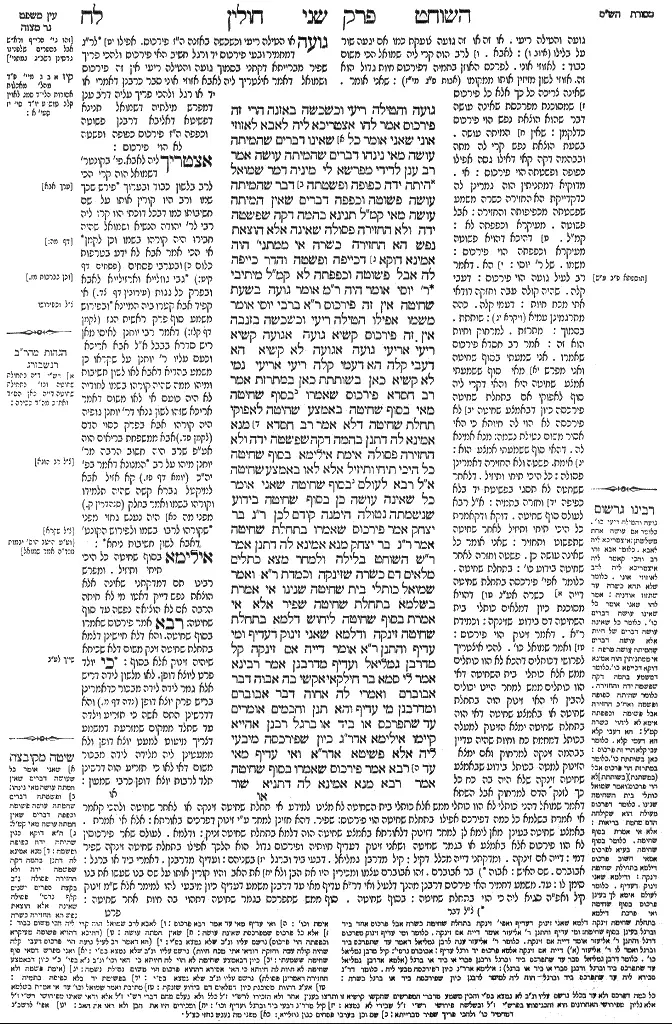
Hullin 38a - Guemara
גועה והטילה ריעי וכשכשה באזנה הרי זה פירכוס אמר להו אצטריכא ליה לאבא לאזוזי אוני שאני אומר כל שאינו דברים שהמיתה עושה מאי נינהו דברים שהמיתה עושה אמר רב ענן לדידי מפרשא לי מיניה דמר שמואל היתה ידה כפופה ופשטתה דבר שהמיתה עושה פשוטה וכפפה דברים שאין המיתה עושה מאי קמ"ל תנינא בהמה דקה שפשטה ידה ולא החזירה פסולה שאינה אלא הוצאת נפש הא החזירה כשרה אי ממתני' הוה אמינא דוקא דכייפה ופשטה והדר כייפה לה אבל פשוטה וכפפתה לא קמ"ל מיתיבי ר' יוסי אומר היה ר"מ אומר גועה בשעת שחיטה אין זה פירכוס ר"א ברבי יוסי אומר משמו אפילו הטילה ריעי וכשכשה בזנבה אין זה פירכוס קשיא גועה אגועה קשיא ריעי אריעי גועה אגועה לא קשיא הא דעבי קלה הא דעמי קלה ריעי אריעי נמי לא קשיא כאן בשותתת כאן במתרזת אמר רב חסדא פירכוס שאמרו בסוף שחיטה מאי בסוף שחיטה באמצע שחיטה לאפוקי תחלת שחיטה דלא אמר רב חסדא מנא אמינא לה דתנן בהמה דקה שפשטה ידה ולא החזירה פסולה אימת אילימא בסוף שחיטה כל היכי תיחי ותיזיל אלא לאו באמצע שחיטה א"ל רבא לעולם בסוף שחיטה שאני אומר כל שאינה עושה כן בסוף שחיטה בידוע שנשמתה נטולה הימנה קודם לכן ר"נ בר יצחק אמר פירכוס שאמרו בתחלת שחיטה אמר ר"נ בר יצחק מנא אמינא לה דתנן אמר ר"ש השוחט בלילה ולמחר מצא כתלים מלאים דם כשרה שזינקה וכמדת ר"א ואמר שמואל כותלי בית שחיטה שנינו אי אמרת בשלמא בתחלת שחיטה שפיר אלא אי אמרת בסוף שחיטה ליחוש דלמא בתחלת שחיטה זינקה ודלמא שאני זינוק דעדיף ומי עדיף והתנן ר"א אומר דייה אם זינקה קל מדרבן גמליאל ועדיף מדרבנן אמר רבינא אמר לי סמא בר חילקאי אקשי בה אבוה דבר אבוברם ואמרי לה אחוה דבר אבוברם ומדרבנן מי עדיף והא תנן וחכמים אומרים עד שתפרכס או ביד או ברגל רבנן אהייא קיימו אילימא אדר"ג כיון שפירכסה מיבעי ליה אלא פשיטא אדר"א ואי עדיף מאי עד רבא אמר פירכוס שאמרו בסוף שחיטה אמר רבא מנא אמינא לה דתניא שור
Comments from Rashi on Masechet Hullin Page 38a
גועה והטילה ריעי . או זה או זה. גועה צועקת כמו אם יגעה שור על בלילו (איוב ו): לאבא . לרב הוה קרי ליה שמואל הכי משום כבוד: לאזוזי אוני . לפרכס האוזן בתמיה דפירכוס חיות גדול הוא זה. אזוזי לשון מזיזין אותו ממקומו (אבות פ"ג מי"ז): שאני אומר . שאינה צריכה כל כך אלא כל פירכוס שמסוכנת מפרכסת שאינה עושה דבר שהוא הוצאת נפש הוי פירכוס כדלקמן: שאין המיתה עושה . בשעת הוצאת נפש קרי לה מתה ובבהמה דקה קאי דאילו גסה אפילו כפופה ופשטתה הוי פירכוס: אי . מדוקיא דמתניתין הוה גמרינן לה כדקדייקת הא החזירה כשרה משמע שפשטתה מכפיפותה והחזירה: אבל פשוטה . מעיקרא וכפפתה לא: קמ"ל . דהיכא דהויא פשוטה מעיקרא וכפפתה הוי פירכוס: משמו . של ר' יוסי: הא . דאמר רב לעיל גועה הוי פירכוס: דעבי קלה . שהיה קולה עבה וחזקה דודאי אתי מכח חיות: דעמי קלה . כהה מתרגמינן עמיא (ויקרא יג): שותתת . בסמוך: מתרזת . למרחוק וחיות הוא זה: אמר רב חסדא פירכוס שאמרו . אני שמעתי בסוף שחיטה ואני מפרש מאי סוף ששמעתי אמצע שחיטה היא והאי דקרי ליה סוף לאפוקי אם בתחלת שחיטה פירכסה כיון דבאמצע שחיטה לא פירכסה לא הוי לה חיותא כי האי אסיר משום נטילת נשמה: מנא אמינא לה . דהאי סוף ששמעתי אמצע הוא: אימת . פשטה ולא החזירה דאמרינן פסולה: כל היכי תיחי ותיזיל . דלאחר ששחטה לא תסגי בפשיטת יד בלא כפיפה וחזרה בתמיה: א"ל רבא לעולם סוף שחיטה . דוקא. ודקאמרת כל היכי תיחי ותיזיל לאחר שחיטה שתפשוט ותחזיר: שאני אומר כל שאינה עושה כן . פשטה וחזרה לאחר שחיטה בידוע כו': בתחלת שחיטה . כלומר אפי' פירכסה בתחלת שחיטה דייה כשרה אע"ג דהויא מסוכנת כיון דמלאים כותלי בית השחיטה דם בידוע שזינקה: וכמידת ר"א . דאמר זינוק הוי פירכוס: ואמר שמואל כו' . להכי איצטריך לפרושי דכותלים דהכא לא הוו כותלים ממש אלא כותלי בית השחיטה דאי הוו כותלים ממש למחר היינו יכולים להבין אי האי זינוק הוה בתחלת שחיטה או באמצע שחיטה דאי הוה בתחלת שחיטה ימצא הזינוק למעלה בכותל דמחמת כח וחיות שהיה עדיין בבהמה זינקה למרחוק ואם ימצא הזינוק למטה בכותל בידוע שבאמצע שחיטה זינקה שלא היה בה כח כל כך לזנק הדם למרחוק אבל השתא דאמר שמואל דהני כותלי לא הוו כותלי ממש אלא כותלי בית השחיטה לא מצינו למידע אי תחלת שחיטה זינקה או לאחר שחיטה ולהכי קאמר אי אמרת בשלמא כל כמה דפירכס אפילו בתחלת שחיטה הוי פירכוס: שפיר . דהא חזינן למחר ע"י זינוק דפרכיס באורתא: אלא אי אמרת . באמצע שחיטה בעינן מאן לימא לן למחר דזינוק דלאורתא באמצע שחיטה הוה דלמא בתחלת שחיטה זניק: ודלמא . לעולם שאר פירכוסין לא הוו פירכוס אלא באמצע או בגמר שחיטה ושאני זינוק דעדיף חיותיה ופירכוס גדול הוא הלכך אפילו בתחלת שחיטה זינקה שפיר דמי: דייה אם זינקה . ומדקתני דייה מכלל דקיל: קיל מדרבן גמליאל . דבעי ביד וברגל בשניהם: ועדיף מדרבנן . דאמרי ביד או ברגל: אבוברם . שם האיש: אבוה בר אבוברם . זהו אבוברם עצמו ומכירין היו את הבן ולא את האב והיו קורין אותו על שם בנו שעשו את בנו סימן לו: עד . משמע דחמיר האי פירכוס דרבנן מהנך דלעיל ואי דר"א עדיף מאי עד דרבנן משמע דעדיף כיון מיבעי להו למימר אלא ש"מ זינוק קיל ואפ"ה סגיא ליה כי הוי בתחלת שחיטה: בסוף שחיטה . סוף ממש שתפרכס בגמר שחיטה דתהוי בה חיות אחר שחיטה:
Comments from Tosafot - Hullin 38a
גועה או הטילה ריעי וכשכשה באזנה ה"ז פירכוס . אפילו לר"ג דמחמיר ובעי פירכוס יד ורגל חשיב האי פירכוס ולהכי פריך שפיר מברייתא דקתני בסמוך גועה והטילה ריעי אין זה פירכוס ושמואל דאמר איצטריך ליה לאבא אזוזי אוני סבר כרבנן דאמרי או יד או רגל ולהכי פריך עליה דרב ענן דמפרש מילתיה דשמואל תנינא דפשיטא דאליבא דרבנן פשוטה וכפפה ה"ז פירכוס כפופה ופשטה לא הוי פירכוס: אצטריך ליה לאבא . פי' בקונטר' דשמואל הוה קרי הכי לרב בלשון כבוד ובערוך פירש שכך שמו ורב היו קורין אותו על שם חשיבותו כמו דבכל דוכתי הוו קרו ליה רבי לר' יהודה הנשיא ושמואל שהיה חבירו היה קורהו בשמו וכן לקמן אי הכי אמר אבא לא ידע בטרפות כלום ובערבי פסחים (פסחים דף קיט:) גבי גוזלייא וארזילייא לאבא ובפרק כל גגות (עירובין דף צד.) אי קפיד אבא קטרו ביה המיינא ובפירוש משמע סוף פרק ראשית הגז (לקמן חולין דף קלז:) דאמר רבי יוחנן לאיסי מאן ריש סדרא בבבל א"ל אבא אריכא וכעס עליו ר' יוחנן על שקראו כן משמע בהדיא דאבא לאו לשון חשיבות ומיהו ממה שהיה קורהו בשמו לחודיה לא היה כועס אי לאו משום דאמר אריכא שזהו לשון גנאי דר' יוחנן גופיה היה קורהו אבא בפרק כסוי הדם (לקמן חולין פד.) אבא ממשפחת בריאים הוה אע"פ שרב היה חשוב הרבה מר' יוחנן מיהו על רב המנונא דאמר בפ' יה"כ (יומא דף פז.) קא אזיל אבא למיקטל גברא קשה שהיה תלמידו וקורהו בשמו ואמר בחלק (סנהדרין ק.) מפני מה היה נענש גחזי מפני שקורהו לרבו בשמו ולפירוש הקונט' דאבא לשון חשיבות ניחא: אילימא בסוף שחיטה כל היכי תיחי ותיזיל . ומפרש רבינו תם דמדקתני שאינה אלא הוצאת נפש דייק דאטו מי לא חיתה הרבה אם לא הוציאה נפשה עד סוף שחיטה: רבא אמר פירכוס שאמרו בסוף שחיטה . והא דלא חיישינן דלמא בתחלת שחיטה זינק משום דלא שכיחא שיהיה זינוק אלא בסוף:
Hullin 38a - Mishnah translated into english
If the animal lows, or excreted excrement, or wiggled its ear during the slaughter, that is a convulsion, and the slaughter renders eating the flesh of the animal permitted. Shmuel said to them: Is it necessary according to Abba, i.e., Rav, for the animal to move its ears during the slaughter, which requires a considerable life force? As I say: Any movements of the animal that are not matters that the death of the animal engenders are convulsions sufficient to render the slaughter valid.
The Gemara asks: What are matters that the death of the animal engenders? Rav Anan said: This was explained to me from Master Shmuel himself: If the animal’s foreleg was bent, and the animal straightened it, that is a matter that the death of the animal engenders. But if its foreleg was straight and the animal bent it, that is among the matters that the death of the animal does not engender and is a convulsion sufficient to render the slaughter valid.
The Gemara asks: What is Shmuel teaching us with that statement? We already learn in the mishna: The slaughter of a small animal that during its slaughter extended its foreleg that was bent and did not restore it to the bent position is not valid, as extending the foreleg is nothing other than part of the natural course of removal of the animal’s soul from its body and not a convulsion indicating life. But one may infer that if the animal does restore its foreleg to the bent position, that indicates life and the slaughter is valid.
The Gemara answers: If the halakha is learned from the mishna alone, I would say that it is specifically in a case where the animal’s foreleg had been bent, and the animal now straightens it and then bends it, that the slaughter is valid. But if the foreleg had been straight and the animal bent it, the slaughter is not valid. Therefore, Shmuel teaches us that if its foreleg was straight and the animal bent it; that is a convulsion sufficient to render the slaughter valid.
The Gemara raises an objection from a baraita to Rav’s statement cited earlier. Rabbi Yosei says that Rabbi Meir would say: If an animal lows during its slaughter, that is not a convulsion sufficient to render the slaughter valid. Rabbi Elazar, son of Rabbi Yosei, says in the name of Rabbi Yosei: Even if the animal excreted excrement or wagged its tail, that is not a convulsion sufficient to render the slaughter valid. The Gemara now clarifies: Rabbi Yosei’s statement in the baraita that if an animal lows it is not a convulsion sufficient to render the slaughter valid is difficult, as it contradicts the statement of Rav that if an animal lows it is a convulsion. And Rabbi Elazar’s statement in the baraita that if an animal excreted excrement it is not a convulsion sufficient to render the slaughter valid is difficult, as it contradicts the statement of Rav that if an animal excreted excrement it is a convulsion.
The Gemara answers: The apparent contradiction between the opinion that when an animal lows it is a convulsion and the opinion that when an animal lows it is not a convulsion is not difficult. This opinion, that it is a convulsion, is referring to a case where the animal’s voice is rich and powerful, a clear indication of life; that opinion, that it is not a convulsion, is referring to a case where the animal’s voice is muted, which is not an indication of life. The apparent contradiction between the opinion that when an animal excreted excrement it is a convulsion and the opinion that when an animal excreted excrement it is not a convulsion is also not difficult. Here, the opinion that it is not a convulsion is referring to a case where the animal expels the excrement in a trickle. That is not an indication of life. There, the opinion that it is a convulsion is referring to a case where the animal expels the excrement with force. That is an indication of life.
§ The Gemara continues its definition of convulsion that indicates life. Rav Ḥisda said: I was taught that the convulsion that the Sages said is an indication of life is a convulsion at the conclusion of the act of slaughter. Rav Ḥisda elaborates: What is the meaning of: At the conclusion of the act of slaughter? It means even in the midst of the slaughter. The Sages said that it must be at the conclusion of the slaughter only to exclude convulsions at the beginning of the act of slaughter, which are not an indication of life.
Rav Ḥisda said: From where do I say that a convulsion in the midst of the act of slaughter is an indication of life? It is from the mishna, as we learned: The slaughter of a small animal that when being slaughtered extended its foreleg that was bent and did not restore it to the bent position is not valid, as extending the foreleg is only part of the natural course of removal of the animal’s soul from its body and not a convulsion indicating life. Rav Ḥisda elaborates: When did the animal extend its foreleg but not restore it? If we say that it occurred at the conclusion of the slaughter, must the animal continue living for so extended a period that it restores its leg to its bent position after the slaughter is complete? Is the slaughter truly not valid otherwise? Rather, is it not that the mishna is referring to a case where the animal extends its foreleg in the middle of the slaughter? If so, then when it restores its leg as well, it is considered a convulsion that indicates life.
Rava said to Rav Ḥisda: That is no proof. Actually, one could explain that the mishna is referring to a case where the animal extends its foreleg but did not restore it to the bent position at the conclusion of the slaughter, as I say with regard to any animal that does not do so at the conclusion of the slaughter, it is known that its soul was taken from it before that moment, and it was not alive.
Rav Naḥman bar Yitzḥak said: The convulsion that the Sages said is an indication of life is a convulsion even at the beginning of the act of slaughter.
Rav Naḥman bar Yitzḥak explained further and said: From where do I say that this is so? It is from the mishna, as we learned that Rabbi Shimon says: In the case of one who slaughters at night and the next day he awoke and found walls full of blood, the slaughter is valid, as it is clear that the blood spurted, and this is in accordance with the ruling of Rabbi Eliezer. And Shmuel said with regard to the walls mentioned in the statement of Rabbi Shimon: It is the walls of the place of the slaughter, i.e., the walls of the neck, not the walls of the house, that we learned. Granted, if you say that a convulsion even at the beginning of the act of slaughter is an indication of life, this works out well. But if you say that a convulsion is an indication of life only at the conclusion of the act of slaughter, let us be concerned that perhaps the blood spurted onto the walls of the neck at the beginning of the act of slaughter, and there was no indication of life.
The Gemara rejects that proof. But perhaps spurting is different, as it is superior as an indication of life to extending or bending a foreleg, and therefore, although extending or bending a foreleg is a sufficient indicator of life only at the conclusion of the act of slaughter, spurting is a sufficient indicator even at the beginning of the act of slaughter.
The Gemara asks: And is spurting superior? But didn’t we learn in the mishna: Rabbi Eliezer says it is sufficient if blood spurted from the neck, indicating that spurting of blood is a less substantive indication of life than those indications mentioned in the statement of Rabban Gamliel, who requires that the animal convulse with its foreleg and with its hind leg? The Gemara answers: Rabbi Eliezer’s requirement of spurting is less substantive than the requirements of Rabban Gamliel as an indication of life, but superior to the requirement of the Rabbis as an indication of life, where the Rabbis require that the animal convulse either with its foreleg or with its hind leg.
Ravina said: Samma bar Ḥilkai said to me that the father of bar Abuveram, and some say that it was the brother of bar Abuveram, raises a difficulty: And is blood spurting superior to the requirement of the Rabbis as an indication of life? But didn’t we learn in the mishna: And the Rabbis say: It is permitted only in a case where it convulses with its foreleg or with its hind leg, or in a case where it wags its tail?
Ravina elaborates: To which statement of the tanna’im in the mishna do the Rabbis stand and respond? If we say that they are responding to the statement of Rabban Gamliel, who requires that the animal convulse with its foreleg and with its hind leg, the Rabbis should have said: Once the animal convulsed with its foreleg or with its hind leg or it wagged its tail, indicating that this is sufficient.
Rather, it is obvious that the Rabbis are responding to the statement of Rabbi Eliezer. And if Rabbi Eliezer’s opinion is superior to that of the Rabbis as an indication of life, what is the meaning of: It is permitted only in a case where it convulses with its foreleg or with its hind leg or it wags its tail? In that case too, the Rabbis should have said: Once the animal convulses with its foreleg or with its hind leg or it wags its tail. Apparently, blood spurting is a less substantive indication of life, and the proof of Rav Naḥman bar Yitzḥak remains valid: If spurting at the beginning of the act of slaughter is a sufficient indication of life to render the slaughter valid, then all the more so, extending and bending a limb are also sufficient indications of life.
Rava said: The convulsion that the Rabbis said is an indication of life is a convulsion at the conclusion of the act of slaughter. Rava said: From where do I say that this is the case? It is as it is taught in a baraita with regard to the verse: “When a bull or a sheep or a goat is born, it shall be seven days under its mother; and from the eighth day and onward it may be accepted for an offering to the Lord” (Leviticus 22:27). The phrase “a bull
Traduction : The William Davidson digital edition of the Koren Noé Talmud, with commentary by Rabbi Adin Even-Israel Steinsaltz.