 Talmud Bavli
The learning on the whole site is dedicated : L'ilui Nishmat Avraham Ben Simha
The learning on the whole site is dedicated : L'ilui Nishmat Chemouel Eliezer ben Batcheva
The learning on the whole site is dedicated : L'ilui Nishmat Jacques Isaac Ben Amram Loubaton
Hullin 66a : Youtube
Rabbi Dr. Moshe WeisblumYoutube
1 video class :
Hullin Page 66a
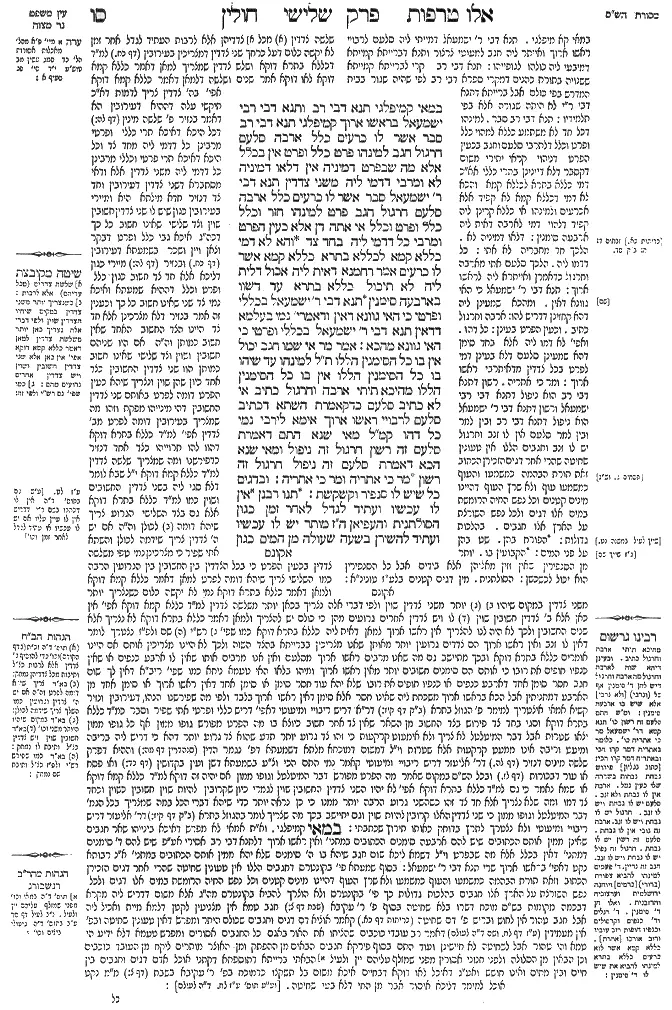
Hullin 66a - Guemara
במאי קמיפלגי תנא דבי רב ותנא דבי רבי ישמעאל בראשו ארוך קמיפלגי תנא דבי רב סבר אשר לו כרעים כלל ארבה סלעם חרגול חגב למינהו פרט כלל ופרט אין בכלל אלא מה שבפרט דמיניה אין דלאו דמיניה לא ומרבי דדמי ליה משני צדדין תנא דבי ר' ישמעאל סבר אשר לו כרעים כלל ארבה סלעם חרגול חגב פרט למינהו חזר וכלל כלל ופרט וכלל אי אתה דן אלא כעין הפרט ומרבי כל דדמי ליה בחד צד והא לא דמי כללא קמא לכללא בתרא כללא קמא אשר לו כרעים אמר רחמנא דאית ליה אכול דלית ליה לא תיכול כללא בתרא עד דשוו בארבעה סימנין תנא דבי ר' ישמעאל בכללי ופרטי כי האי גוונא דאין ודאמרי' נמי בעלמא דדאין תנא דבי ר' ישמעאל בכללי ופרטי כי האי גוונא מהכא:
אמר מר אי שמו חגב יכול אין בו כל הסימנין הללו ת"ל למינהו עד שיהו בו כל הסימנין הללו אין בו כל הסימנין הללו מהיכא תיתי ארבה וחרגול כתיב אי לא כתיב סלעם כדקאמרת השתא דכתיב סלעם לרבויי ראשו ארוך אימא לירבי נמי כל דהו קמ"ל מאי שנא התם דאמרת סלעם זה רשון חרגול זה ניפול ומאי שנא הכא דאמרת סלעם זה ניפול חרגול זה רשון מר כי אתריה ומר כי אתריה:
ובדגים כל שיש לו סנפיר וקשקשת:
תנו רבנן אין לו עכשיו ועתיד לגדל לאחר זמן כגון הסולתנית והעפיאן ה"ז מותר יש לו עכשיו ועתיד להשירן בשעה שעולה מן המים כגון
Comments from Rashi on Masechet Hullin Page 66a
במאי קא מיפלגי תנא דבי ר' ישמעאל . דמייתי ליה סלעם לרבויי ראשו ארוך ואייתר ליה חגב למעוטי צרצור ותנא דברייתא קמייתא דמיבעי ליה כולהו לגופייהו: תנא דבי רב . קרי לברייתא קמייתא ששנויה בתורת כהנים דמקרי ספרא דבי רב לפי שהיה שגור בבית המדרש בפי כולם אבל ברייתא דתנא דבי ר"י לא היתה שגורה אלא בפי תלמידיו: תנא דבי רב סבר . למינהו דכל חד לא משתמע כללא למהוי כלל ופרט וכלל דלתרבי סלעם וחגב בכעין הפרט דניהוי קראי יתירי משום דקסבר דלא דיינינן בתרי כללי אא"כ דמי כללא בתרא לכללא קמא והכא לא דמי דכללא קמא לא קפיד אלא אכרעים ולמינהו אי כללא קרינן ליה קפיד דלהוי דמי לארבה דאית ליה ארבעה סימנין: דלאו דמיניה לא . הלכך חד מחבריה לא אתי: כל דדמו ליה . הלכך סלעם אתי מארבה וחרגול כדאמרן ואייתרא ליה לראשו ארוך: תנא דבי ר' ישמעאל כי האי גוונא דאין . ומהכא שמעינן ליה דהא קחזינן דדריש להו: ארבה וחרגול כתיב . וכעין הפרט בעינן: כל דהו . ואפי' לא דמו ליה אלא בחד סימן דהא שמעינן סלעם דלא בעינן דמי לפרט בכל צדדין מדאיתרבי ראשו ארוך: ומר כי אתריה . רשון דתנא דבי רב הוא ניפול דתנא דבי רבי ישמעאל ורשון דתנא דבי ר' ישמעאל הוא ניפול דתנא דבי רב ובין למר ובין למר סלעם אין לו זנב וחרגול יש לו זנב. וחגבים הללו אין טעונין שחיטה שהרי אחר דגים הזכירן הכתוב זאת תורת הבהמה כמשמעו והעוף כמשמעו עוף ולא שרץ העוף דהיינו מינים קטנים וכל נפש החיה הרומשת במים אלו דגים ולכל נפש השורצת על הארץ אלו חגבים. בהלכות גדולות: הפורח בהן . שט בהן על פני המים: הקבועין בו . יותר מן הסנפירין שאין זזין מאליהן אלא בידים אבל כל הסנפירין הוא יכול לכשכשן: הסולתנית . מין דגים קטנים בלע"ז טונינ"א:
Comments from Tosafot - Hullin 66a
במאי קמיפלגי . וא"ת אמאי לא מפרש דאיכא בינייהו שאר חגבים שאינן ממין אותם הכתובים שיש להם ארבעה סימנים הכתובים במתני' ואין ראשו ארוך דלתנא דבי רב אסירי אע"פ שיש להם ד' סימנים דמתני' דאין בכלל אלא מה שבפרט וי"ל דשמא ליכא שום חגב שיהא בו ה' סימנים שלא יהא ממין אותם הכתובים במתני' א"נ רבותא נקט דאפי' בראשו ארוך שרי תנא דבי ר' ישמעאל:
בסוף שמעתא פי' בקונטרס דחגבים הללו אין טעונין שחיטה שהרי אחר דגים הזכירן הכתוב וזאת תורת הבהמה כמשמעו והעוף כמשמעו ולא שרץ העוף דהיינו מינים קטנים וכל נפש החיה הרומשת במים אלו דגים ולכל נפש השורצת על הארץ אלו חגבים בהלכות גדולות כך פי' בקונטרס ולא הוצרך להביא בקונטרס מה"ג אלא משום דדריש ליה מקרא דבכמה מקומות בש"ס מוכח דשרו בלא שחיטה בסוף פ' ר' עקיבא (שבת דף צ:) חגב טמא אין מצניעין לקטן דלמא מיית ואכיל ליה אבל חגב טהור אין לחוש ובריש פ' דם שחיטה (כריתות דף כא.) קאמר אוציא דם דגים וחגבים שכולם היתר ומפרש דאין טעונין שחיטה ובפ' אין מעמידין (ע"ז דף לח. ושם ד"ה לעולם) דאמר רב עובדי כוכבים שהציתו את האור באגם כל החגבים אסורים ומפרש טעמא דלא ידיע הי טמא והי טהור אבל לשחיטה לא חיישינן ועוד התם בסוף פירקא חגבים הבאים מן ההפתק ומן האוצר מותרים ליקח מן העובד כוכבים וכן הבאין מן הסלולה ולפני חנוני אסורין מפני שמזלף עליהם יין ולעיל הבאתי ברייתא דתוספתא דקתני אוכל אדם דגים וחגבים בין חיים ובין מתים ואינו חושש ואע"ג דאוכל לאו דוקא דבחיים איכא משום בל תשקצו כדמוכח בפ' ר' עקיבא בשבת (דף צ:) מ"מ נקט אוכל למימר דליכא איסור אבר מן החי דלא בעי שחיטה. [וע"ע תוס' ע"ז לח. ד"ה לעולם]:
Hullin 66a - Mishnah translated into english
The Gemara asks: With regard to what do the tanna of the study hall, who taught the first baraita above, and the tanna of the school of Rabbi Yishmael disagree? They disagree with regard to a grasshopper whose head is long. According to the tanna of the study hall it is prohibited, and according to the tanna of the school of Rabbi Yishmael it is permitted.
The Gemara elaborates: The tanna of the study hall holds that the previous verse, permitting all species “which have jointed legs” (Leviticus 11:21), is a generalization. The species arbeh, solam, ḥargol, and ḥagav, and the phrase “after its kinds,” that appears after each, are a detail. As a rule, in any instance of a generalization and a detail, the generalization includes only that which is spelled out in the detail. Therefore, only grasshoppers of the same species as those detailed in the verse are kosher. Grasshoppers that are not of the same species as them are not kosher. And the phrase “after its kinds” amplifies the halakha to include grasshoppers that are similar to the named species in two aspects, i.e., that are very similar to them. Since all the named species have short heads, grasshoppers with long heads are forbidden.
By contrast, the tanna of the school of Rabbi Yishmael holds that the phrase “which have jointed legs” is a generalization. The species arbeh, solam, ḥargol, and ḥagav are a detail. And by the phrase “after its kinds” after each species, it then generalized again. In any instance of a generalization, and a detail, and a generalization, you may deduce that the verse is referring only to items similar to the detail. And the verse therefore amplifies the halakha to include any grasshopper that is similar to the named species in even one aspect, i.e., that has the four signs listed in the mishna, even if its head is long.
The Gemara asks: But how can this be considered a generalization, a detail, and a generalization? The first generalization is not similar to the latter generalization. In the first generalization, the Merciful One states: “Which have jointed legs,” indicating that you may eat a grasshopper that has jointed legs, but you may not eat one that does not have jointed legs, irrespective of any other sign. However, the latter generalization: “After its kinds,” indicates that no grasshopper is kosher unless it shares all four signs with the named species.
The Gemara responds: The tanna of the school of Rabbi Yishmael deduces from generalizations and details like this case, even if the generalizations are not similar to one another. The Gemara notes: And that which we also say generally, that the tanna of the school of Rabbi Yishmael deduces from generalizations and details like this case, is derived from here.
The Gemara analyzes the baraita of the school of Rabbi Yishmael: The Master said: If its name must be ḥagav, one might have thought that any ḥagav is kosher, even if it does not have all these four signs. Therefore, the verse states: “After its kinds,” indicating that it is not kosher unless it has all these signs. The Gemara asks: From where would this be derived, that a grasshopper is kosher even if it does not have all these signs? How could one entertain this possibility? Arbeh and ḥargol are written beforehand, indicating that all kosher grasshoppers must share the signs they both possess.
The Gemara responds: If solam had not been written as well, it would be as you said. But now that it is written: “Solam,” to include long-headed grasshoppers even though none of the named species have long heads, I will say: Let us also include any grasshopper that is called ḥagav. Therefore, the phrase “after its kinds” teaches us that this is not so.
The Gemara asks: What is different there, in the baraita of the study hall, that you say that the solam is the rashon, and the ḥargol is the nippul, and what is different here, in the baraita of the school of Rabbi Yishmael, that you say: The solam is the nippul, and the ḥargol is the rashon? The Gemara responds: This Sage refers to them in accordance with the custom of his locale and that Sage refers to them in accordance with the custom of his locale.
§ The mishna states: And with regard to fish, any fish that has a fin and a scale is kosher. The Sages taught in a baraita: If a fish does not have scales now but will grow them after a period of time, such as the sultanit and afyan fish, it is permitted. Likewise, if it has scales now but will shed them when it is caught and rises from the water, such as
Traduction : The William Davidson digital edition of the Koren Noé Talmud, with commentary by Rabbi Adin Even-Israel Steinsaltz.