 Talmud Bavli
The learning on the whole site is dedicated : L'ilui Nishmat Jamila bat Chlomo Abensour
The learning on the whole site is dedicated : L'ilui Nishmat Rav Chlomo Ben Jamilla
The learning on the whole site is dedicated : L'ilui Nishmat Margalit bat Ledicia
Hullin 7b : Youtube
Rabbi Dr. Moshe WeisblumYoutube
1 video class :
Hullin Page 7b
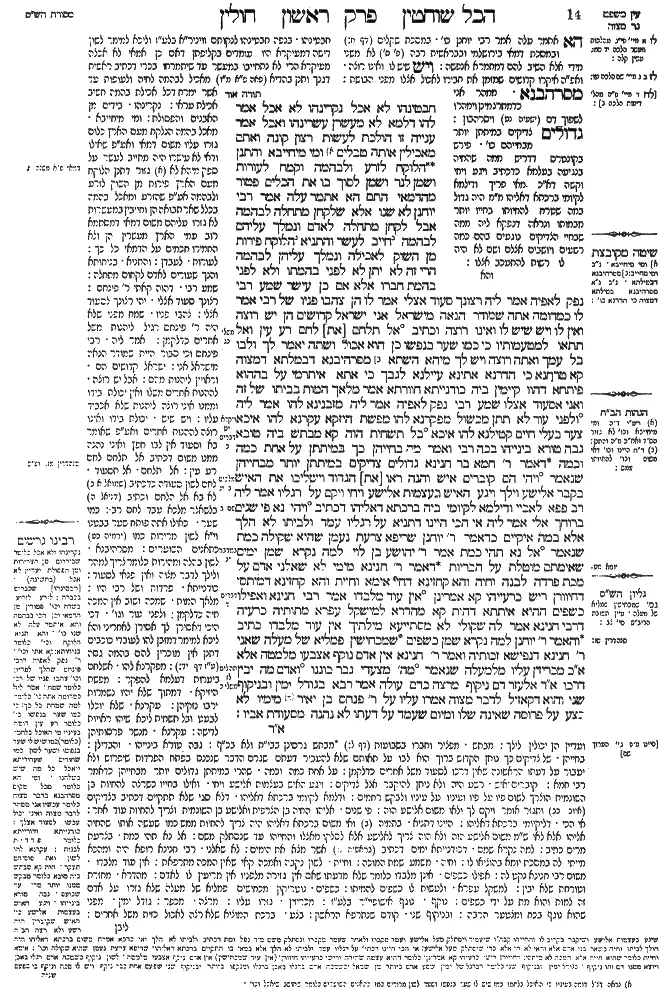
Hullin 7b - Guemara
חבטינהו לא אכל נקרינהו לא אכל אמר להו דלמא לא מעשרן עשרינהו ואכל אמר ענייה זו הולכת לעשות רצון קונה ואתם מאכילין אותה טבלים ומי מיחייבא והתנן הלוקח לזרע ולבהמה וקמח לעורות ושמן לנר ושמן לסוך בו את הכלים פטור מהדמאי התם הא אתמר עלה אמר רבי יוחנן לא שנו אלא שלקחן מתחלה לבהמה אבל לקחן מתחלה לאדם ונמלך עליהם לבהמה חייב לעשר והתניא הלוקח פירות מן השוק לאכילה ונמלך עליהן לבהמה הרי זה לא יתן לא לפני בהמתו ולא לפני בהמת חברו אלא אם כן עישר שמע רבי נפק לאפיה אמר ליה רצונך סעוד אצלי אמר לו הן צהבו פניו של רבי אמר לו כמדומה אתה שמודר הנאה מישראל אני ישראל קדושים הן יש רוצה ואין לו ויש שיש לו ואינו רוצה וכתיב (משלי כג, ו) אל תלחם [את] לחם רע עין ואל תתאו למטעמותיו כי כמו שער בנפשו כן הוא אכול ושתה יאמר לך ולבו בל עמך ואתה רוצה ויש לך מיהא השתא מסרהיבנא דבמלתא דמצוה קא טרחנא כי הדרנא אתינא עיילנא לגבך כי אתא איתרמי על בההוא פיתחא דהוו קיימין ביה כודנייתא חוורתא אמר מלאך המות בביתו של זה ואני אסעוד אצלו שמע רבי נפק לאפיה אמר ליה מזבנינא להו אמר ליה (ויקרא יט, יד) ולפני עור לא תתן מכשול מפקרנא להו מפשת היזקא עקרנא להו איכא צער בעלי חיים קטילנא להו איכא (דברים כ, יט) בל תשחית הוה קא מבתש ביה טובא גבה טורא בינייהו בכה רבי ואמר מה בחייהן כך במיתתן על אחת כמה וכמה דאמר ר' חמא בר חנינא גדולים צדיקים במיתתן יותר מבחייהן שנאמר (מלכים ב יג, כא) ויהי הם קוברים איש והנה ראו [את] הגדוד וישליכו את האיש בקבר אלישע וילך ויגע האיש בעצמות אלישע ויחי ויקם על רגליו אמר ליה רב פפא לאביי ודילמא לקיומי ביה ברכתא דאליהו דכתיב (מלכים ב ב, ט) ויהי נא פי שנים ברוחך אלי אמר ליה אי הכי היינו דתניא על רגליו עמד ולביתו לא הלך אלא במה איקיים כדאמר ר' יוחנן שריפא צרעת נעמן שהיא שקולה כמת שנאמר (במדבר יב, יב) אל נא תהי כמת אמר ר' יהושע בן לוי למה נקרא שמן ימים שאימתם מוטלת על הבריות דאמר ר' חנינא מימי לא שאלני אדם על מכת פרדה לבנה וחיה והא קחזינא דחיי אימא וחיית והא קחזינא דמיתסי דחיוורן ריש כרעייהו קא אמרינן (דברים ד, לה) אין עוד מלבדו אמר רבי חנינא ואפילו כשפים ההיא איתתא דהות קא מהדרא למישקל עפרא מתותיה כרעיה דרבי חנינא אמר לה שקולי לא מסתייעא מילתיך אין עוד מלבדו כתיב והאמר ר' יוחנן למה נקרא שמן כשפים שמכחישין פמליא של מעלה שאני ר' חנינא דנפישא זכותיה ואמר ר' חנינא אין אדם נוקף אצבעו מלמטה אלא א"כ מכריזין עליו מלמעלה שנאמר (תהלים לז, כג) מה' מצעדי גבר כוננו (משלי כ, כד) ואדם מה יבין דרכו א"ר אלעזר דם ניקוף מרצה כדם עולה אמר רבא בגודל ימין ובניקוף שני והוא דקאזיל לדבר מצוה אמרו עליו על ר' פנחס בן יאיר מימיו לא בצע על פרוסה שאינה שלו ומיום שעמד על דעתו לא נהנה מסעודת אביו:
Comments from Rashi on Masechet Hullin Page 7b
חבטינהו . בנפה חבטינהו לנקותם וויניר"א בלע"ז. וליכא למימר לשון דישה דמעיקרא היו עומדים בקליפתן דאם כן אמאי לא אכלה מעיקרא הרי לא נתחייבו במעשר עד שיתמרחו בכרי דכתיב ראשית דגנך ותנן בהדיא (פאה פ"א מ"ו) מאכיל לבהמה לחיה ולעופות עד אשר ימרח דכל אכילת בהמה חשיב אכילת עראי: נקרינהו . בידים מן האבנים והפסולת: ומי מיחייבא . מאכל בהמה הנלקח מעם הארץ כלום גזרו עליו משום דמאי ואע"פ שאילו ודאי לא עישרו היה מחייב לעשר על ספק מיהא לא גזור דתנן הלוקח מעם הארץ פירות מן השוק לזרע ולבהמה אע"פ שהזרע ומאכל בהמה בכלל שאר תבואה הן וחייבין במעשרות לא גזרו עליהם משום דמאי דמסתמא רוב עמי הארץ מעשרין הן ולא החמירו חכמים על הדמאי כל כך: לעורות . לעבדן: והתניא . בניחותא. והנך שעורים לאדם לקחום מתחלה: שמע רבי . דהוה קאתי ר' פינחס: רצונך סעוד אצלי . יהי רצונך לסעוד אצלי: צהבו פניו . שמח מפני שלא היה ר' פינחס רגיל ליהנות משל אחרים כדלקמן: אמר ליה . רבי פינחס וכי סבור היית שמודר הנאה מישראל אני: ישראל קדושים הם . וראויין ליהנות מהם: אבל יש רוצה . לההנות אחרים משלו ואין יכולת בידו וממנו איני רוצה ליהנות שלא אכביד עליו: ויש שיש . יכולת בידו ואינו רוצה לההנות אחרים ואע"פ שאומר בא וסעוד אין לבו חפץ ואיני נהנה ממנו משום דכתיב אל תלחם לחם רע עין: אל תלחם . אל תסעוד. לחם לשון סעודה כדכתיב (שמואל א כ) לא בא אל הלחם וכתיב (דניאל ה) בלשאצר מלכא עבד לחם רב: כמו שער . כאילו אתה פותח שער בבטנו. וי"א לשון מרירות כמו (ירמיהו כט) כתאנים השוערים: מסרהיבנא . לשון בהלה ומהירות כלומר צריך למהר ולילך לדבר מצוה ואין פנאי לסעוד: כודנייתא . פרדות ושל רבי היו: מלאך המות . שמכה ושוב אין המכה חיה כדלקמן: ולפני עור וגו' . דכי היכי דאסירן לך אסירן לאחריני. והא ליכא למימר דמזבן להו לעובדי כוכבים דתנן אין מוכרין להם בהמה גסה (ע"ז דף יד:): מפקרנא להו . אשלחם ביערות דעלמא להפקר: מפשת היזיקא . דמתוך שלא יהיו נשמרות ירבו נזקיהן: עקרנא . שלא יוכלו לבעט ובל תשחית ליכא שיהו ראויות לדישה: עקרנא . מנשר פרסותיהן ועדיין הן יכולין לילך: מבתש . מפציר וחברו בשבועות (דף ל:). מבתש גרסינן בבי"ת ולא בכ"ף: גבה טורא בינייהו . והבדילן: בחייהן . של צדיקים כך נותן הקדוש ברוך הוא לבו על תאותם שלא להעביר דעתם שגרם הדבר שנכנס בפתח הפרדות שיפרוש ולא יעבור על דעתו הראשונה שאין דרכו לסעוד משל אחרים כדלקמן: על אחת כמה וכמה . שהרי במיתתן גדולים יותר מבחייהן כדאמר רבי חמא: קוברים איש . רשע היה ולא ניתן להיקבר אצל צדיקים: ויגע האיש בעצמות אלישע ויחי . ואילו בחייו כשרצה להחיות בן השונמית הוצרך לשום פיו על פיו ועיניו על עיניו ולבקש רחמים: ודלמא לקיומי ברכתא דאליהו . דלא סגי שלא תתקיים דכתיב בצדיקים (איוב כב) ותגזר אומר ויקם לך ולאו משום אלישע הוה: פי שנים . אליהו החיה בן הצרפית ואלישע בן השונמית וצריך להחיות עוד אחר: אי הכי . דליקיומי ברכתא דאליהו: היינו דתניא . בתמיה. ואי משום ברכתא דאליהו היה צריך להחיות ממש כמו שעשה אותו שהחיה אליהו אלא לאו ש"מ משום אלישע הוה ולא הוה צריך לאלישע אלא לסלקו מאצלו והחייהו עד שנסתלק משם: אל נא תהי כמת . בצרעת מרים כתיב: למה נקרא שמם . דכודנייתא ימים דכתיב (בראשית לו) אשר מצא את הימים: לא שאלני . רבי חנינא רופא היה ומהכא מייתי לה במסכת יומא בהוציאו לו: וחיה . משמע שמת המוכה: וחיית . לשון נקבה ואמכה קאי שאין המכה מתרפאת: אין עוד מלבדו . משום רבי חנינא נקט לה: אפילו כשפים . אינן מלבדו כלומר שלא מדעתו שאם אין גזירה מלפניו אין מריעין לו לאדם: מהדרא . מחזרת וטורחת שלא יבין: למשקל עפרא . ולעשות לו כשפים להמיתו: כשפים . נוטריקון מכחישים פמליא של מעלה שלא גזרו על אדם זה למות והוא מת על ידי כשפים: נוקף . נוגף אישופיי"ר בלע"ז: מכריזין . גזרו עליו: מרצה . מכפר: גודל ימין . מפני שהוא נוגף בכח ומצטער הרבה: ובניקוף שני . קודם שנתרפא הראשון: בצע . ברכת המוציא שלא רצה לאכול כזית משל אחרים:
Comments from Tosafot - Hullin 7b
הא אתמר עלה אמר רבי יוחנן כו' . במסכת שקלים (פ"ה ה"א) ובמסכת דמאי בירושלמי ובבראשית רבה (פ' ס') לא משני מידי אלא השיב להם דמחמרא אנפשה: ויש שיש לו ואינו רוצה . ואפ"ה איקרו קדושים שמזמן את חבירו לאכול אצלו מפני הבושת: מסרהבנא . ממהר אני כדמתרגמינן וימהרו לשפוך דם (משלי א) ויסרהבון: גדולים צדיקים במיתתן יותר מבחייהם כו' . פירש בקונטרס דדריש ממה שהחיה בנגיעה בעלמא כדכתיב ויגע ויחי וקשה דא"כ מאי פריך ודילמא לקיומי ברכתא דאליהו מ"מ היה גדול במה שטרח להחיותו בחייו יותר מבמותו ונראה דנפקא ליה ממה שבחיי הצדיקים נוגעים בהם כמה רשעים ויושבים אצלם ושם לא היה לו רשות להתעכב אצלו:
Hullin 7b - Mishnah translated into english
The hosts sifted the barley with a utensil, but the donkey did not eat it. They separated the chaff from the barley by hand, but the donkey did not eat it. They wondered why the donkey would not eat the barley. Rabbi Pineḥas ben Ya’ir said to his hosts: Perhaps the barley is not tithed. They tithed it and the donkey ate it. Rabbi Pineḥas ben Ya’ir said: This poor animal is going to perform the will of its Maker, and you are feeding it untithed produce? Rabbi Zeira was referring to this donkey when it spoke of God preventing mishaps from occurring through animals of the righteous.
The Gemara asks: And is one who purchases grain that is demai in order to feed his animal obligated to tithe it? But didn’t we learn in a mishna (Demai 1:3): One who purchases grain in the market for sowing or for feeding an animal, or flour to process animal hides, or oil to kindle a lamp, or oil to smear on vessels is exempt from the obligation of tithing demai?
The Gemara answers: There, it was stated with regard to that mishna that Rabbi Yoḥanan says: They taught this only in a case where one purchased those items initially for the animal or for the other purposes enumerated in the mishna, but if he purchased them initially for a person and reconsidered his plans for them and decided to use them for an animal, he is obligated to tithe the demai. And it is taught in a baraita in support of that understanding: In the case of one who purchases produce from the market for human consumption, and he reconsidered his plans for it and decided to use it for an animal, that person may neither place it before his animal nor before the animal of another unless he tithed the produce.
Rabbi Yehuda HaNasi heard that Rabbi Pineḥas ben Ya’ir arrived, and he emerged to greet him. Rabbi Yehuda HaNasi said to him: Is it your desire to dine with me? Rabbi Pineḥas ben Ya’ir said to him: Yes. Rabbi Yehuda HaNasi’s face beamed [tzahavu], as it was well known that Rabbi Pineḥas ben Ya’ir did not accept invitations to dine with others.
Rabbi Pineḥas ben Ya’ir said to Rabbi Yehuda HaNasi: Are you under the impression that deriving benefit from the Jewish people is forbidden to me by vow? On the contrary, the Jewish people are holy. I avoid accepting invitations, as there is one who wants to invite guests to dine with him but he does not have the means, and I do not want to enjoy a meal that my host cannot afford. And there is one who has the means but does not want to host guests, and with regard to those people it is written: “Eat not the bread of him that has an evil eye, neither desire his delicacies. For as one that has reckoned within himself, so is he: Eat and drink, says he to you; but his heart is not with you” (Proverbs 23:6–7). But you want to invite guests to dine with you, and you have the means.
But now I am rushing [mesarheivna], as I am engaged in the performance of a matter involving a mitzva. When I come back I will enter to dine with you.
When Rabbi Pineḥas ben Ya’ir came back, he happened to enter through that entrance in which white mules were standing. He said: The Angel of Death is in this person’s house, and I will eat with him? White mules were known to be dangerous animals.
Rabbi Yehuda HaNasi heard the comment of Rabbi Pineḥas ben Ya’ir and emerged to greet him. He said to him: I will sell the mules. Rabbi Pineḥas ben Ya’ir said to him: You will thereby violate the prohibition: “Nor place a stumbling block before the blind” (Leviticus 19:14), as it is prohibited for any Jew to keep a destructive animal in his possession.
Rabbi Yehuda HaNasi said to him: I will declare the mules ownerless. Rabbi Pineḥas ben Ya’ir said to him: You will thereby increase the damage, as there will be no owner to restrain it. Rabbi Yehuda HaNasi said to him: I will remove their hooves so that they will be unable to kick and cause damage. Rabbi Pineḥas ben Ya’ir said to him: There is the requirement to prevent suffering to animals, and you will be violating it. Rabbi Yehuda HaNasi said to him: I will kill them. Rabbi Pineḥas ben Ya’ir said to him: There is the prohibition: Do not destroy items of value.
Rabbi Yehuda HaNasi was greatly imploring him to enter his home until a mountain rose between them and Rabbi Yehuda HaNasi could no longer speak with him. Rabbi Yehuda HaNasi wept and said: If during their lifetimes it is so that the righteous are great, after their death it is all the more so true. The Gemara comments: This is as Rabbi Ḥama bar Ḥanina says: The righteous are greater after their death, more so than during their lifetimes, as it is stated: “And it came to pass, as they were burying a man, that they spied a raiding party; and they cast the man into the tomb of Elisha; and as soon as the man touched the bones of Elisha, he revived, and stood up on his feet” (II Kings 13:21).
Rav Pappa said to Abaye: This proof from the case of Elisha that the righteous are greater after death is not valid. And perhaps this transpired to fulfill with regard to Elisha the blessing of Elijah, as it is written: “Please, let a double portion of your spirit be upon me” (II Kings 2:9). Elijah revived one dead person and this one is the second revived by Elisha. Abaye said to Rav Pappa: If so, is this consistent with that which is taught in a baraita: The dead person arose on his feet but he did not go to his home, indicating that he had not truly been revived?
The Gemara asks: But if that is the case, in what manner was Elijah’s blessing fulfilled? It is as Rabbi Yoḥanan says: The blessing was fulfilled when he cured the leprosy of Naaman, since a leper is equivalent to a dead person, as it is stated with regard to Miriam when she was afflicted with leprosy: “Please, let her not be as one dead” (Numbers 12:12).
Apropos white mules, which were likened to the Angel of Death, Rabbi Yehoshua ben Levi says: Why are the mules called yemim (see Genesis 36:24)? It is because their terror [eimatam] is cast over all creatures, as Rabbi Ḥanina says: In all my days, no man has asked me about a wound caused him by a white mule and survived, indicating that they are extremely dangerous. The Gemara asks: But haven’t we seen that some people survive after being wounded by a white mule? The Gemara answers: Say instead, no man has asked me about a wound caused him by a mule and the wound healed. The Gemara asks: But haven’t we seen that such wounds heal? The Gemara answers: The wound that we say does not heal is one caused by a mule the top of whose legs are white.
The Gemara relates other statements of Rabbi Ḥanina: With regard to the verse: “There is none else beside Him” (Deuteronomy 4:35), Rabbi Ḥanina says: And even sorcery is ineffective against the will of God. The Gemara relates: There was a certain woman who would try to take dust from beneath the feet of Rabbi Ḥanina in order to perform sorcery on him and harm him. Rabbi Ḥanina said to her: Take the dust, but the matter will be ineffective for you, as it is written: “There is none other beside Him.” The Gemara asks: But doesn’t Rabbi Yoḥanan say: Why is sorcery called keshafim? It is an acronym for makhḥishin pamalya shel mala, meaning: That they diminish the heavenly entourage [pamalya], indicating that they function contrary to the will of God. The Gemara answers: Rabbi Ḥanina is different, as, because his merit is great, sorcery has no effect on him.
And Rabbi Ḥanina says: A person injures his finger below, on earth, only if they declare about him on high that he should be injured, as it is stated: It is of the Lord that a man’s goings are established; and a man, what does he understand of his way (see Psalms 37:23 and Proverbs 20:24). Rabbi Elazar says: The blood of a wound effects atonement like the blood of a burnt offering. Rava said: This is stated with regard to a wound on his right thumb, as one applies force with that thumb and the wound is consequently more severe; and it is also stated with regard to a second wound in the same place before the first has healed, and it is provided that he is wounded while going to perform a matter involving a mitzva.
Apropos Rabbi Pineḥas ben Ya’ir, the Gemara notes that they said about Rabbi Pineḥas ben Ya’ir: In all his days he never broke bread and recited a blessing on a piece of bread that was not his, and from the day that he achieved cognition he did not benefit even from the meal of his father, because he eschewed benefit from everyone.
Traduction : The William Davidson digital edition of the Koren Noé Talmud, with commentary by Rabbi Adin Even-Israel Steinsaltz.