 Talmud Bavli
Hullin 10a : Youtube
Rabbi Dr. Moshe WeisblumYoutube
1 video class :
Hullin Page 10a
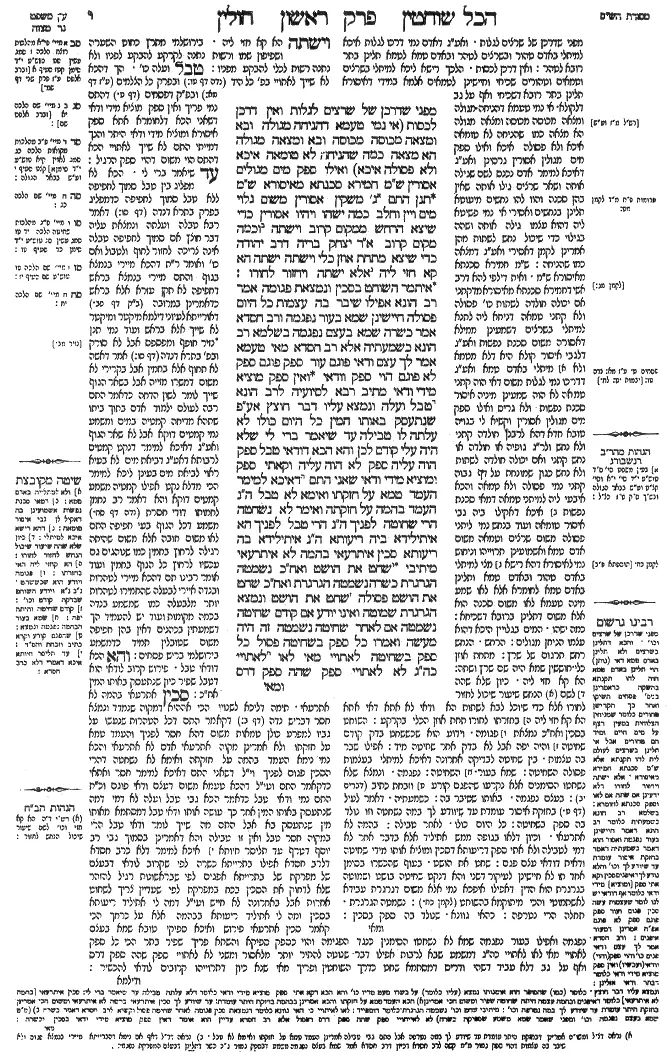
Hullin 10a - Guemara
מפני שדרכן של שרצים לגלות ואין דרכן לכסות (אי נמי טעמא דהניחה מגולה ובא ומצאה מכוסה מכוסה ובא ומצאה מגולה הא מצאה כמה שהניחה לא טומאה איכא ולא פסולה איכא) ואילו ספק מים מגולים אסורין ש"מ חמירא סכנתא מאיסורא ש"מ תנן התם ג' משקין אסורין משום גלוי מים ויין וחלב כמה ישהו ויהיו אסורין כדי שיצא הרחש ממקום קרוב וישתה וכמה מקום קרוב א"ר יצחק בריה דרב יהודה כדי שיצא מתחת אוזן כלי וישתה ישתה הא קא חזי ליה אלא ישתה ויחזור לחורו:
איתמר השוחט בסכין ונמצאת פגומה אמר רב הונא אפילו שיבר בה עצמות כל היום פסולה חיישינן שמא בעור נפגמה ורב חסדא אמר כשרה שמא בעצם נפגמה בשלמא רב הונא כשמעתיה אלא רב חסדא מאי טעמא אמר לך עצם ודאי פוגם עור ספק פוגם ספק לא פוגם הוי ספק וודאי ואין ספק מוציא מידי ודאי מתיב רבא לסיועיה לרב הונא טבל ועלה ונמצא עליו דבר חוצץ אע"פ שנתעסק באותו המין כל היום כולו לא עלתה לו טבילה עד שיאמר ברי לי שלא היה עלי קודם לכן והא הכא דודאי טבל ספק הוה עליה ספק לא הוה עליה וקאתי ספק ומוציא מידי ודאי שאני התם דאיכא למימר העמד טמא על חזקתו ואימא לא טבל ה"נ העמד בהמה על חזקתה ואימר לא נשחטה הרי שחוטה לפניך ה"נ הרי טבל לפניך הא איתילידא ביה ריעותא ה"נ איתילידא בה ריעותא סכין איתרעאי בהמה לא איתרעאי מיתיבי שחט את הושט ואח"כ נשמטה הגרגרת כשרה נשמטה הגרגרת ואח"כ שחט את הושט פסולה שחט את הושט ונמצא הגרגרת שמוטה ואינו יודע אם קודם שחיטה נשמטה אם לאחר שחיטה נשמטה זה היה מעשה ואמרו כל ספק בשחיטה פסול כל ספק בשחיטה לאתויי מאי לאו לאתויי כה"ג לא לאתויי ספק שהה ספק דרס
Comments from Rashi on Masechet Hullin Page 10a
מפני שדרכן של שרצים לגלות . ואע"ג דאדם נמי דרכו לגלות איכא למיתלי באדם טהור ובשרצים לטהר ובאדם טמא לטמא תלינן בתר רובא לטהר: ואין דרכן לכסות . הלכך רישא ליכא למיתלי בשרצים וטמאים וטהורים שכיחי וחיישינן לטמאים. אלמא במידי דאיסורא תלינן בתר רובא דשכיחי ואף על גב דלקולא. אי נמי טעמא דהניחה מגולה ומצאה מכוסה מכוסה ומצאה מגולה הא מצאה כמו שהניחה לא טומאה איכא ולא פסולה איכא ואילו ספק מים מגולין אסורין גרסינן ואע"ג דאיכא למימר אדם נכנס לשם שגילה אותה ושאר שרצים גילו אותה שאין בהן סכנה והוו להו נחשים מיעוטא תלינן בנחשים ואסירי אי נמי פשיטא ליה דהוא עצמו גילה אותה ושהה בגילוי כדי שיכול נחש לשתות מהן אמרינן לקמן דאסירי ואע"ג דמצאה כמו שהניחה: ש"מ חמירא סכנתא מאיסורא ש"מ . ואית דילפי להא דרב אשי דחמירא סכנתא מאיסורא מדקתני אם יכולה חולדה לשתות כו' פסולה ולא קתני טמאה דניחא ליה לתנא למיתלי בשרצים דשמעינן ממילא דאסורה משום סכנת נפשות ואע"ג דלגבי איסור קולא היא דלא מטמא ולא מיתלי באדם טמא ואע"ג דדרכו נמי לגלות משום דאי הוה קתני טמאה לא הוה שמעינן מיניה איסור סכנת נפשות ולא גריס ואילו ספק מים מגולין אסורין. וקשיא לי בגויה טובא חדא דהא לרבנן חולדה קתני ולא נחש ולר"ג גופיה או חולדה או נחש קתני ואם יכולה חולדה לשתות ולא נחש כגון שמונחת על דף גבוה קתני נמי פסולה ולא טמאה והכא איבעי ליה למיתני טמאה דמאי סכנת נפשות איכא דאקילו ביה גבי איסור טומאה ועוד בנחש נמי ליתני פסולה משום שרצים וטמאה משום אדם טמא ואשמועינן תרוייהו וניחוש נמי לאיסורא דהא רישא מצי למיתלי באדם טהור ובאדם טמא ותלינן באדם טמא לחומרא אלא לאו שמע מינה טעמא לאו משום סכנה הוא אלא משום דתלינן ברובא דשכיחא: כמה ישהו . המים בגלוין היכא דהוא עצמו הניחן מגולים: הרחש . הנחש. רחש תרגום של שרץ: מתחת אוזן כלי . חוששין שמא היה שם שרץ ושתה: הא קא חזי ליה . כיון שלא שהה לשם הנחש שיעור שיכול לחזור לחורו אלא כדי שיוכל לבא לשתות הא ודאי לא אתא דאי אתא הא קא חזי ליה בחזרתו לחורו תחת אוזן הכלי בקרקע: השוחט בסכין ואח"כ נמצאת פגומה . וידוע הוא שכששחט בדק קודם שחיטה והיה יפה אבל לא בדק אחר שחיטה מיד: אפילו שבר בה עצמות . בין שחיטה לבדיקה אחרונה דאיכא למיתלי בעצמות פסולה השחיטה: שמא בעור . השחיטה: נפגמה . ונמצא שלא נשחטו הסימנים אלא נקרעו שהפגם קורע וזבחת כתיב (דברים יב): בעצם נפגמה . באותו ששיבר בה: כשמעתיה . דאמר לעיל (חולין דף ט.) בחזקת איסור עומדת עד שיוודע לך במה נשחטה וזו נולד בה ספק בשחיטה: כל היום כולו . לאחר טבילה: בהמה לא אתרעאי . וכיון דלאו בגופה ממש אתיליד אלא בדבר אחר לא דמי לטבילה ולא אתי ספק דריעותא דסכין ומוציא אותו מידי שחיטה ודאית דודאי עצם פגם: שחט את הושט . בעוף שהכשרו בסימן אחד תו לא חיישינן לעיקור דשני. והא דנקט שחיטה בושט ושמוטה בגרגרת הוא הדין דאפילו איפכא נמי אלא משום דגרגרת עבידא לאשתמוטי והכי מיתוקמא בהשוחט (לקמן חולין כח.): נשמטה הגרגרת . תחלה הרי נטרפה: כהאי גוונא . שנולד בה ספק בסכין:
Comments from Tosafot - Hullin 10a
וישתה הא קא חזי ליה . בירושלמי מתרץ כחוט השערה ושפיפון שמו ורשות נתנה לקרקע להבקע לפניו ולא נתנה רשות לכלי להבקע מפניו: טבל ועלה כו' . הך דהכא לא שייך לאתויי בפ' כל היד (נדה דף טו:) ובפרק כל הצלמים (ע"ז דף מא:) ובפ"ק דפסחים (דף ט.) דהתם נמי פריך ואין ספק מוציא מידי ודאי דשאני הכא דלחומרא אתא ספק איסורא ומוציא מידי ודאי היתר והנך דמייתי התם לא שייך לאתויי הכא דהתם הוי משום דהוי ספק הרגיל: עד שיאמר ברי לי . הכא לא מפליג בין טבל סמוך לחפיפה ללא טבל סמוך לחפיפה כדמפליג בפרק בתרא דנדה (דף סו:) דאמר רבא טבלה ועלתה ונמצאת עליה דבר חוצץ אם סמוך לחפיפה טבלה אינה צריכה לחזור לחוף ולטבול ואם כו' ואומר ר"ת דהכא מיירי בנמצא בגוף והתם מיירי בנמצא בראש דחפיפה לא תקן עזרא אלא בראש כדאמרינן במרובה (ב"ק דף פב.) דאורייתא לעיוני דילמא מיקטר ומיקטר לא שייך אלא בראש ועוד נמי תנן נזיר חופף ומפספס אבל לא סורק ובפ' בתרא דנדה (דף סו:) אמר דאשה לא תחוף אלא בחמין אבל בקרירי לא משום דמשרו מזייה אבל בשאר הגוף שייך לומר לשון הדחה כדאמר התם רבה לעולם ילמוד אדם בתוך ביתו שתהא מדיחה קמטיה במים ומשמע נמי קמטים דוקא אבל לא שאר הגוף ואע"ג דאיכא למימר דנקט קמטים לרבותא דאע"ג דביאת מים לא בעיא ראוי לביאת מים בעינן ליכא למימר הכי מדלא נקט אפילו קמטיה משמע קמטים דוקא והא דאמר רב נחמן לחמותו דודי חסרת (נדה דף סח.) משמע דכל הגוף בעי חפיפה התם לאו משום חובה אלא משום שהיתה רגילה לרחוץ בחמין כמו שנוהגים גם עכשיו לרחוץ כל הגוף בחמין ועוד אומר רבינו תם דהכא מיירי לטהרות ובנדה איירי לבעלה שהחמירו לטהרות יותר מלבעלה כמו שמשמע בנדה בכמה מקומות ועוד יש להעמיד הך דשמעתין בכהנים דאין בהן חפיפה משום שטובלין תמיד כדמשמע בירושלמי בריש פסחים: והא הכא דודאי טבל . פירוש קרוב לודאי הוא דטבל שפיר כיון שנתעסק באותו המין אח"כ: סכין אתרעאי בהמה לא אתרעאי . תימה דליכא לשנויי הכי אההיא דמקוה שנמדד ונמצא חסר דבריש נדה (דף ב:) דקאמר התם דכל הטהרות שנעשו על גביו למפרע כולן טמאות משום דהא חסר לפניך והעמד טמא על חזקתו ולא אמרינן מקוה אתרעאי אדם לא אתרעאי והכא נמי נימא העמד בהמה על חזקתה ואימא לא נשחטה דהרי הסכין פגום לפניך וי"ל דשאני התם דאיכא למימר חסר ואתאי כדקאמר התם ועי"ל דהכא טעמא משום דעצם ודאי פוגם וכ"ת התם נמי ודאי טבל כדאמר הכא גבי טבל ועלה לא דמי דמה שנתעסק באותו המין אחר כך עושה אותו ודאי טבל דמסתמא מאותו מין שנתעסק בא אבל התם מה שייך לומר ודאי טבל הרי במקוה חסר טבל ואין זו טבילה והא דאמרינן בסמוך גבי רב יוסף דטרף עד תליסר חיותא איכא למימר דלא כרב חסדא דלרב חסדא אפילו בתרייתא כשרה לפי שקרוב לודאי דבעצם של מפרקת של בתרייתא אפגים לפי שבראשונות רגיל להזהר שלא לדחוק את הסכין בכח במפרקת לפי שעדיין צריך לשחוט אחרות אבל באחרונה לא חייש ועי"ל דמה לי אתיליד ריעותא בסכין ומה לי אתיליד ריעותא בבהמה אלא על כרחך הכי קאמר סכין אתרעאי פירוש ואיכא ספיקי טובא שמא בעצם נפגמה ואפילו בעור נפגמה שמא לא נשחטו הסימנין כנגד הפגימה והוי כספק ספיקא והשתא פריך שפיר בתר הכי כל ספק לאתויי מאי לאו לאתויי כה"ג דמשמע שבא לרבות אפילו דבר שנוטה להתיר יותר מלאסור ומשני לא לאתויי ספק שהה ספק דרס ואף על גב דלא עביד דשהי ודריס דמסתמא שחט כדרך השוחטין ופריך מאי שנא כיון דתרוייהו קרובים לודאי להכשיר:
Hullin 10a - Mishnah translated into english
It is due to the fact that it is the typical manner of creeping animals to expose the contents of a vessel so that they may drink. Therefore, the exposure of the water is attributed to a creeping animal or to a ritually pure person. By contrast, in a case where he left the vessel exposed and found it covered, the concern is that it was an impure man who covered it, since it is not the typical manner of creeping animals to cover exposed vessels. Evidently, with regard to prohibition or ritual impurity, there are circumstances of uncertainty when the ruling is lenient.
Alternatively, it can be inferred from the baraita that the reason the contents of the vessel are impure or disqualified, respectively, is that he left it exposed and came back and found it covered or that he left it covered and came back and found it exposed. But if he found the vessel just as he left it, there is neither impurity nor disqualification.
But in a situation of uncertainty where he left exposed water and then came and found the vessel exposed, the water is forbidden under all circumstances. Learn from it that danger is more severe than prohibition. The Gemara affirms: Indeed, learn from it.
We learned in a mishna there (Terumot 8:4): Three liquids are forbidden due to exposure: Water, wine, and milk. How long shall they remain exposed and their contents will be forbidden? It is a period equivalent to the time necessary so that a snake could emerge from a proximate place and drink. And how far away is considered a proximate place? Rav Yitzḥak, son of Rav Yehuda, said: Even a period equivalent to the time necessary so that a snake could emerge from beneath the handle of the vessel and drink.
The Gemara asks: If it is only the time necessary for the snake to emerge and drink, doesn’t one see the snake drink, in which case there is no uncertainty? Rather, it is a period equivalent to the time necessary for a snake to emerge from a proximate place, drink, and return to its hole. If one left exposed liquid unattended for that interval, it is possible that the snake drank the liquid unseen by the owner of the liquid.
§ It was stated: With regard to one who slaughters an animal with a knife that was afterward found to be notched, Rav Huna says: Even if, after the slaughter and before the knife was examined, he broke bones with the knife all day, the slaughter is not valid, as we are concerned that perhaps the knife became notched on the hide of the neck. And Rav Ḥisda says: The slaughter is valid, as perhaps it was on the bone that he broke with the knife after the slaughter that it became notched.
The Gemara asks: Granted, Rav Huna stated his opinion in accordance with his halakha cited earlier (9a): An animal during its lifetime exists with the presumptive status of prohibition until it becomes known in what manner it was slaughtered. But as for Rav Ḥisda, what is the reason for his ruling that the slaughter is valid? The Gemara answers that Rav Ḥisda could have said to you: A bone certainly notches the knife, but with regard to hide, it is uncertain whether it notches the knife and uncertain whether it does not notch it. This is a case of certainty and uncertainty, and the principle is that an uncertainty does not override a certainty.
Rava raises an objection to the opinion of Rav Ḥisda to support the opinion of Rav Huna, from a baraita: If one immersed and emerged from the ritual bath and an interposing item was later found on him, then even if he had been engaged in handling that same type of item for the entire day after his immersion, the immersion does not fulfill his obligation. This is so until he will say: It is clear to me that this interposition was not on me beforehand. And here it is a case where he certainly immersed, and it is uncertain whether the interposition was on him at that time and uncertain whether it was not on him, and nevertheless, contrary to the opinion of Rav Ḥisda, the uncertainty overrides the certainty.
The Gemara rejects that proof: It is different there, as it can be said: Establish the status of the impure person on the basis of his presumptive status of impurity, and say that he did not immerse properly.
The Gemara challenges: Here too, establish the status of the animal on the basis of its presumptive status of prohibition and say that it was not slaughtered properly. Why does Rav Ḥisda rule that it is permitted? The Gemara explains: That status has been undermined, as the slaughtered animal is before you. There is no indication that the slaughter was not valid, and most slaughtered animals are slaughtered properly.
The Gemara challenges: Here too, in the case of immersion, the status of impurity is undermined, as the person who has immersed is before you. The Gemara explains: The case of immersion is different, as a flaw developed in the presumptive validity of the immersion, since there is an interposition.
The Gemara challenges: Here too, a flaw developed in the presumptive validity of slaughter, as the knife is notched. The Gemara explains: In the case of slaughter, the knife became flawed, but the animal did not become flawed. Therefore, the animal assumes the presumptive status of permissibility. By contrast, in the case of immersion, the interposition was found on the person, thereby nullifying his presumptive status of purity.
The Gemara raises an objection to the opinion of Rav Ḥisda from a baraita: The slaughter of a bird is valid with the cutting of one siman, the windpipe or the gullet. Therefore, if one cut the gullet, and the windpipe was displaced thereafter, the slaughter is valid. If the windpipe was displaced and one cut the gullet thereafter, the slaughter is not valid.
If one cut the gullet, and the windpipe was found displaced, and he does not know whether the windpipe was displaced before the slaughter or whether it was displaced after the slaughter; that was the incident that came before the Sages, and they said: In any case of uncertainty with regard to slaughter, the slaughter is not valid.
The Gemara asks: With regard to the expansive formulation: With regard to any case of uncertainty with regard to slaughter, what does it serve to add? Does it not serve to add a case like this one where there is uncertainty whether the knife was notched before or after the slaughter? The Gemara answers: No, it serves to add a case of uncertainty whether he interrupted the slaughter in the middle, or uncertainty whether he pressed the knife on the simanim. If he did either, it invalidates the slaughter.
Traduction : The William Davidson digital edition of the Koren Noé Talmud, with commentary by Rabbi Adin Even-Israel Steinsaltz.
Hullin 10a : Significance
Next step
Finished studying Hullin 10a? Carry on with the rest of the tractate.
Study Hullin 10bFrequently asked questions: Hullin 10a
Where is Hullin 10a in tractate Hullin?
Hullin 10a is page 17 of 281 in tractate Hullin (Seder Kodashim).
When is daf 10 of Hullin studied in Daf Yomi?
Daf Yomi covers one daf a day, both sides. Daf 10 of Hullin will be studied on October 11, 2033.
Is there a video class on Hullin 10a?
Yes, by Rabbi Dr. Moshe Weisblum. These classes were published on YouTube by their authors and are gathered on this site.
What is tractate Hullin about?
The Masechet Hullin is the third tractate of the Seder Kodashim. The Houllin gemara is the study of the laws of the ritual slaughter of animals and birds for meat for ordinary or non-consecrated use. The Houllin tractate has 12 chapters.
Your study is also dedicated to them
- L'ilui Nishmat Rav Chlomo Ben Jamilla
- L'ilui Nishmat Margalit bat Ledicia
- L'ilui Nishmat Nissim ben Barukh Malka