 Talmud Bavli
Hullin 76a : Youtube
Rabbi Dr. Moshe WeisblumYoutube
1 video class :
Hullin Page 76a
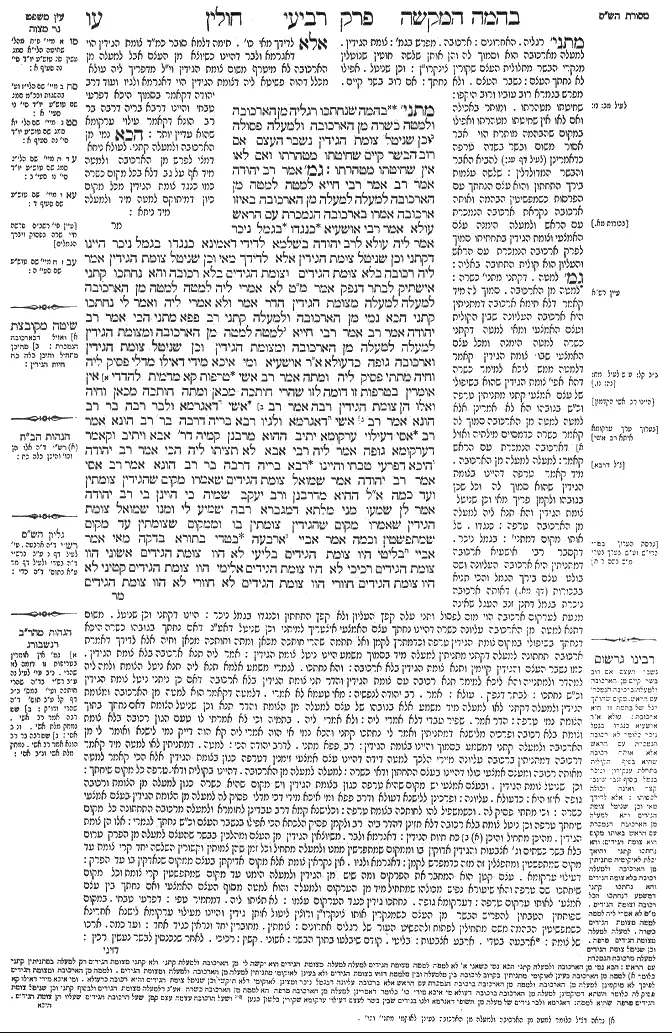
Hullin 76a - Guemara
מתני׳ בהמה שנחתכו רגליה מן הארכובה ולמטה כשרה מן הארכובה ולמעלה פסולה וכן שניטל צומת הגידין נשבר העצם אם רוב הבשר קיים שחיטתו מטהרתו ואם לאו אין שחיטתו מטהרתו:
גמ׳ אמר רב יהודה אמר רב אמר רבי חייא למטה למטה מן הארכובה למעלה למעלה מן הארכובה באיזו ארכובה אמרו בארכובה הנמכרת עם הראש עולא אמר רבי אושעיא כנגדו בגמל ניכר אמר ליה עולא לרב יהודה בשלמא לדידי דאמינא כנגדו בגמל ניכר היינו דקתני וכן שניטל צומת הגידין אלא לדידך מאי וכן שניטל צומת הגידין אמר ליה רכובה בלא צומת הגידים וצומת הגידים בלא רכובה והא נחתכו קתני אישתיק לבתר דנפק אמר מ"ט לא אמרי ליה למטה למטה מן הארכובה למעלה למעלה מצומת הגידין הדר אמר ולא אמרי ליה ואמר לי נחתכו קתני הכא נמי מן הארכובה ולמעלה קתני רב פפא מתני הכי אמר רב יהודה אמר רב אמר רבי חייא למטה למטה מן הארכובה ומצומת הגידין למעלה למעלה מן הארכובה ומצומת הגידין וכן שניטל צומת הגידין וארכובה גופה כדעולא א"ר אושעיא ומי איכא מידי דאילו מדלי פסיק ליה וחיה מתתי פסיק ליה ומתה אמר רב אשי טרפות קא מדמית להדדי אין אומרין בטרפות זו דומה לזו שהרי חותכה מכאן ומתה חותכה מכאן וחיה ואלו הן צומת הגידין רבה אמר רב אשי דאגרמא ולבר רבה בר רב הונא אמר רב אשי דאגרמא ולגיו רבא בריה דרבה בר רב הונא אמר רב אסי דעילוי ערקומא יתיב ההוא מרבנן קמיה דר' אבא ויתיב וקאמר דערקומא גופה אמר ליה רבי אבא לא תציתו ליה הכי אמר רב יהודה היכא דפרעי טבחי והיינו רבא בריה דרבה בר רב הונא אמר רב אסי אמר רב יהודה אמר שמואל צומת הגידים שאמרו מקום שהגידין צומתין ועד כמה א"ל ההוא מדרבנן ורב יעקב שמיה כי הוינן בי רב יהודה אמר לן שמעו מני מלתא דמגברא רבה שמיע לי ומנו שמואל צומת הגידין שאמרו מקום שהגידין צומתין בו וממקום שצומתין עד מקום שמתפשטין וכמה אמר אביי ארבעה בטדי בתורא בדקה מאי אמר אביי בליטי הוו צומת הגידים בליעי לא הוו צומת הגידים אשוני הוו צומת הגידים רכיכי לא הוו צומת הגידים אלימי הוו צומת הגידים קטיני לא הוו צומת הגידים חוורי הוו צומת הגידים לא חוורי לא הוו צומת הגידים
Comments from Rashi on Masechet Hullin Page 76a
מתני' רגליה . האחרונים: ארכובה . מפרש בגמ': וכן שניטל . אפילו לא נחתך העצם: צומת הגידין . למעלה מארכובה הוא וסמוך לה והן אותן שלשה חוטין שנוטלין מנקרי הבשר מתלולית העצם שקורין צינקרו"ן: נשבר העצם . ולא נחתך: אם רוב בשר קיים . מפרש בגמרא רוב עוביו ורוב היקפו: שחיטתו מטהרתו . ומותר באכילה ואם לאו אין שחיטתו מטהרתו ואפילו במקום שהבהמה מותרת הוי אבר אסור משום ובשר בשדה טרפה כדאמרינן (לעיל חולין דף עג:) להביא האבר והבשר המדולדלין:
שלשה עצמות בירך. התחתון והוא עצם הנחתך עם הפרסות כשמפשיטין הבהמה ואותה ארכובה נקראת ארכובה הנמכרת עם הראש. ולמעלה הימנה עצם האמצעי וצומת הגידין בתחתיתו סמוך לפרק ארכובה הנמכרת עם הראש. והעליון הוא קולית התחובה באליה: גמ' למטה . דקתני מתני' כשרה: למטה מן הארכובה . סמוך לה מיד קאמר דלא תימא ארכובה דמתניתין היא ארכובה העליונה שבין הקולית ועצם האמצעי ומאי למטה דקתני כשרה למטה הימנה ומכל עצם האמצעי שבו צומת הגידין קאמר דלמטה ממש ליכא למימר כשרה דהא אפי' צומת הגידין שהוא בשיפולי של עצם אמצעי קתני מתניתין טרפה וכ"ש בגובהו הא לא אמרינן אלא למטה למטה מן הארכובה סמוך לה קאמר כשרה כדמסיים מילתיה ואזיל דארכובה הנמכרת עם הראש קאמר: למעלה למעלה מן הארכובה . מיד קאמר טרפה דהיינו בצומת הגידין שהוא סמוך לה וכל שכן בגובהו. ולקמן פריך מאי וכן שניטל צומת הגידין והא תנא ליה למעלה מן הארכובה טרפה: כנגדו . של אותו מקום דמתני': בגמל ניכר . דקסבר רבי אושעיא ארכובה דמתניתין היא ארכובה העליונה ושם בולט עצם בירך הגמל והכי תניא בבכורות (דף מא.) דאותה ארכובה ניכרת בגמל דתנן זנב העגל שאינה מגעת לערקום ארכובה הוי מום לפסול ותני עלה קפץ העליון ולא קפץ התחתון וכנגדו בגמל ניכר: היינו דקתני וכן שניטל . משום דתנא למטה מן הארכובה עליונה כשרה דהיינו נחתך עצם האמצעי איצטריך למיתני וכן שניטל דאע"ג דאם נחתך בגובהו כשרה היכא דנחתך בשיפולי במקום צומת הגידין טרפה וכדמתרץ לקמן ואל תתמה שהרי חותכה מכאן ומתה וחותכה מכאן וחיה אלא לדידך דאמרת ארכובה תחתונה למעלה דקתני מתניתין למעלה מיד בסמוך משמע היינו ניטל צומת הגידין: אמר ליה תנא ארכובה בלא צומת הגידין . כמו נשבר העצם והגידין קיימין ותנא צומת הגידין בלא ארכובה: והא נחתכו . לגמרי משמע אלמא תנא ליה תנא ניטל הצומת ולמה ליה למהדר ולמתנייה והא ליכא למימר תנא רכובה עם צומת הגידין והדר תני צומת הגידין בלא ארכובה דאם כן ניתני ניטל צומת הגידין וכ"ש נחתכו: לבתר דנפק . עולא: אמר . רב יהודה לנפשיה: מאי טעמא לא אמרי . דלמטה דקאמר הוא למטה מן הארכובה ומצומת הגידין ולמעלה דקתני לאו למעלה מיד משמע אלא בגובהו של עצם למעלה מן הצומת והדר תנא וכן שניטל הצומת דאם נחתך בתוך הצומת נמי טרפה: הדר אמר . שפיר עבדי דלא אמרי ליה: ולא אמרי ליה . בתמיה. וכי לא אמרתי לו טעם הגון רכובה בלא צומת וצומת בלא רכובה ופרכיה מלישנא דמתניתין ואמר לי נחתכו קתני והכא נמי אי הוה אמרי ליה קא הוה דייק נמי לישנא ואומר לי מן הארכובה ולמעלה קתני דמשמע בסמוך והיינו בצומת הגידין: רב פפא מתני . לדרב יהודה הכי: למטה . דמתניתין לאו למטה מיד קאמר דרכובה דמתניתין ברכובה עליונה מיירי הלכך למטה דידה דהיינו עצם אמצעי זימנין דטרפה כגון בצומת הגידין אלא הכי קאמר למטה מאותה רכובה ומעצם אמצעי כולו דהיינו בעצם התחתון ודאי כשרה: למעלה למעלה מן הארכובה . דהיינו בקולית ודאי טרפה כל מקום שיחתך: וכן שניטל צומת הגידין . ובעצם אמצעי יש מקום שהיא טרפה כגון בצומת הגידין ויש מקום שהיא כשרה כגון למעלה מן הצומת ורכובה גופה איזו היא: כדעולא . עליונה: ופרכינן ללישנא דעולא ודרב פפא ומי איכא מידי דכי מדלי פסיק לה . למעלה מן הצומת הגידין בעצם אמצעי כשרה: וכי מתתי פסיק לה . וכשמשפיל להו לחותכה בצומת טרפה:
וכלישנא קמא דרב עבדינן לחומרא ולמעלה מרכובה התחתונה כל מקום שיחתך טרפה וכן ניטל צומת בלא רכובה דלא חזינן דהדר ביה רב ולקמן פסיק הלכתא הכי אפילו בנשבר העצם וכ"ש נחתך לגמרי: אלו הן צומת הגידין . מהיכן מתחיל והיכן כח חיות הגידין: דאגרמא ולבר . משיוצאין הגידין מן העצם ומהלכין בבשר שהעצם למעלה מן הפרק ערום בלא בשר כשתים וג' אצבעות והגידין אדוקין בו וממקום שמתפרשין ממנו ולמעלה מתחיל וכל זמן שהן צמותין וקשורין השלשה יחד קרי צומת עד מקום שמתפשטין ומתפצלין זה מזה כדמפרש לקמן: דאגרמא ולגיו . אין נקראין צומת אלא מקום אדיקתן בעצם ממקום שנאדקין בו עד הפרק: דעילוי ערקומא . עצם קטן הוא המחבר את הפרקים ומה שיש מן הגידין ולמעלה הימנו עד מקום שמתפשטין קרי צומת וכל מקום שיחתכו שם טרפה והאי שיעורא נפיש מכולהו שמתחיל מיד מן הערקום ולמעלה והוא למטה מסוף העצם האמצעי ואם נחתך בין עצם אמצעי לאותו ערקום טרפה: דערקומא גופה . נחתכו גידין כנגד הערקום עצמו: לא תציתו ליה . דמחמיר טפי: דפרעי טבחי . במקום שפותחין הטבחין להפריש הבשר מן העצם כשמנקרין אותו צינקרו"ן ורוצין ליטול אותן גידין והיינו מעילוי ערקומא. לישנא אחרינא כשמפשיטין הבהמה משם מתחילין לפתוח ולהפשיט העור של רגלים אחרונים: צומתין . מחוברין יחד ונראין כגיד אחד: ועד כמה . ארכו של צומת: ארבעה בטדי . ארבע אצבעות: בליטי . קודם שיבלעו בתוך הבשר: אשוני . קשין: רכיכי . לאחר שנכנסין לבשר נעשין רכין:
Comments from Tosafot - Hullin 76a
אלא לדידך מאי כו' . תימה דלמא סובר כמ"ד צומת הגידין הוי דאגרמא ולבר דהיינו כשיוצא מן העצם אבל למעלה מן הארכובה לא מיטרף משום צומת הגידין וי"ל מדפריך ליה עולא מכלל דהוה פשיטא ליה דצומת הגידין הוי דאגרמא ולגיו ועוד דרב יהודה דקאמר בסמוך היכא דפרעי טבחי והיינו דרבא בריה דרבה בר רב הונא דקאמר עילוי ערקומא שהוא עדיין יותר: הכא נמי מן הארכובה ולמעלה קתני . לעולא ניחא דמצי לפרש מן הארכובה ולמטה מיד אף על גב דלא בכל מקום כשרה כמו כנגד צומת הגידין מכל מקום כיון דמיתוקם למטה מיד ולמעלה מיד ניחא:
Hullin 76a - Mishnah translated into english
MISHNA: With regard to an animal whose hind legs were severed, if they were severed from the leg joint and below, the animal is kosher; from the leg joint and above, the animal is thereby rendered a tereifa and is not kosher. And likewise, an animal whose convergence of sinews in the thigh was removed is a tereifa and is not kosher.
If the bone of a limb was broken but the limb was not completely severed, and the animal was then slaughtered, if the majority of the flesh surrounding the bone is intact, the slaughter of the animal renders it permitted; but if not, its slaughter does not render it permitted.
GEMARA: Rav Yehuda says that Rav says that Rabbi Ḥiyya says: When the mishna makes reference to the leg being severed from the leg joint and below, it means that the cut was below the leg joint, and when it says that if it was severed from the leg joint and above it is a tereifa, it means that the cut was above the leg joint. And with regard to which leg joint did they say this? With regard to the leg joint that is sold together with the head of the animal. This is the lower leg joint that connects the lower bone, or metatarsus, and middle bone, or tibia. Accordingly, the animal is a tereifa only if the leg was severed in the middle bone or upper bone.
Ulla says that Rabbi Oshaya says: The mishna is referring to the leg joint that in most animals cannot be seen from the outside, but the corresponding joint in the leg of a camel is prominent and conspicuous. This is referring to the joint between the upper bone, or femur, and middle bone, or tibia. Accordingly, the animal is a tereifa only if it was severed in the upper bone.
Ulla said to Rav Yehuda: Granted, according to my opinion, as I say it means the joint whose corresponding joint in the leg of a camel is conspicuous, i.e., the upper joint, this explanation is consistent with that which the mishna teaches: And likewise, an animal whose convergence of sinews in the thigh was removed is not kosher. The convergence of sinews lies on the lower part of the middle bone. Since I hold that if the middle bone is severed, this does not render the animal a tereifa, it is necessary for the mishna to teach that nevertheless, if that bone was severed at the point of the convergence of sinews, this would render it a tereifa. But according to your opinion that the mishna is referring to the lower joint, and if the middle bone is severed, this renders the animal a tereifa, what is the purpose of teaching: And likewise, an animal whose convergence of sinews in the thigh was removed is not kosher?
Rav Yehuda said to Ulla: According to my opinion, the mishna is referring to two cases: The first is where the leg was severed above the lower leg joint, in the middle bone, without the removal of the convergence of sinews in the thigh, and the second is where the convergence of sinews in the thigh was removed without the leg above the leg joint being severed. Ulla then asked Rav Yehuda: But the mishna teaches: Were severed, indicating that the leg was entirely severed, which perforce includes the convergence of sinews. Rav Yehuda was silent, as he did not have a resolution.
After Ulla left, Rav Yehuda said to himself: What is the reason that I did not say to him the following resolution: When the mishna states that if the leg was severed below the leg joint the animal is kosher, it means below the lower leg joint, and when it says that if it was severed above it is a tereifa, it means in the middle bone above the convergence of sinews in the thigh. Accordingly, it would still be necessary to teach that if the convergence of sinews in the thigh was removed, this would render it a tereifa.
Rav Yehuda then said to himself: It is good that I did not suggest this resolution, as did I not initially say a resolution to him, and he said to me that it was refuted by the fact that the mishna teaches: Were severed, which clearly indicates that it was severed completely? Here too, he could have said: You cannot explain the mishna as referring only to severing the leg above the convergence of sinews, as the mishna teaches: From the lower leg joint and above, which clearly includes the entire middle bone, including the area of the convergence of sinews.
Rav Pappa teaches the previous discussion like this: Rav Yehuda says that Rav says that Rabbi Ḥiyya says: When the mishna refers to severing the leg below, it means severing below both the leg joint and the convergence of sinews in the thigh, i.e., the lower bone was severed, and when it refers to severing the leg above, it means severing above both the leg joint and the convergence of sinews in the thigh, i.e., the upper bone was severed. And then the mishna adds that with regard to the middle bone, it is only a tereifa when the convergence of sinews was removed. And this explanation assumes that the leg joint itself is referring to the upper leg joint, in accordance with that which Ulla said that Rabbi Oshaya said, i.e., that it means the joint whose corresponding joint in the leg of a camel is conspicuous.
The Gemara questions Rav Pappa’s explanation of the opinions of Ulla and Rav Yehuda: But is there any possibility that if one went higher up the leg and severed the middle bone above the convergence of sinews, it would live, i.e., the animal would not be a tereifa, but if one went down the leg and severed it on the convergence of sinews, it would be a tereifa and would die within twelve months? It is illogical that severing more of the leg is less life-threatening for the animal.
Rav Ashi said: Are you comparing different types of tereifot to one another? One cannot say with regard to tereifot that this is similar to that, as different areas of an animal’s body react differently: One cuts it from here, at a low point on the animal’s body, and it could die; and one cuts it from there, at a higher point, and it could live.
§ The Gemara asks: And which parts are included in the convergence of sinews in the thigh, such that if they are removed it renders the animal a tereifa? The sinews at the bottom of the bone cleave to it, as there is no flesh on that part of the bone. A short distance above that they separate from the bone and then they diverge from each other as they enter the flesh. Rabba says that Rav Ashi says: Those which are off the bone, before they diverge. Rabba bar Rav Huna says that Rav Ashi says: Those which are adjacent to the bone. Rava, son of Rabba bar Rav Huna, says that Rav Asi says: The convergence of sinews begins even lower and includes those which are above the arkum bone, a small bone that lies between the lower bone and the middle bone of the leg.
The Gemara relates: One of the Sages sat before Rabbi Abba, and he sat and said: The convergence of sinews includes the sinews of the arkum bone itself. Rabbi Abba said to his students: Do not listen to that Sage, as his ruling is too stringent. This is what Rav Yehuda said: It is in the place where butchers split open the animal’s leg. The Gemara comments: And this is the same as that which Rava, son of Rabba bar Rav Huna, says that Rav Asi says, i.e., that it includes the sinews above the arkum.
Rav Yehuda says that Shmuel says: The convergence of sinews in the thigh that they spoke of in the mishna is the place where the sinews converge and appear as though they are a single entity. The Gemara asks: And until how far does it extend? One of the Sages, and his name is Rav Ya’akov, said to them: When we were studying in the school of Rav Yehuda, he said to us: Hear from me a matter that I heard from a great man, and who is he? Shmuel. The convergence of sinews that they spoke of is the place where the sinews converge, and it extends from the place where they converge until the place where they diverge and are subsumed within the flesh.
The Gemara asks: And how far is this? Abaye said: Four handbreadths in an ox. The Gemara asks: What is the measure in a small domesticated animal? Abaye said: There is no set measure; rather, as long as the sinews are prominent and are not subsumed within the flesh, they are part of the convergence of sinews in the thigh, but once they are subsumed they are not considered part of the convergence of sinews in the thigh.
Abaye adds: The sinews that are hard are part of the convergence of sinews in the thigh; those that are soft are not part of the convergence of sinews. Those that are thick are part of the convergence of sinews; those that are thin are not part of the convergence of sinews. Those that are white are part of the convergence of sinews; those that are not white are not part of the convergence of sinews.
Traduction : The William Davidson digital edition of the Koren Noé Talmud, with commentary by Rabbi Adin Even-Israel Steinsaltz.