 Talmud Bavli
The learning on the whole site is dedicated : L'ilui Nishmat Nissim ben Barukh Malka
The learning on the whole site is dedicated : L'ilui Nishmat Yechayahou ben Moche
The learning on the whole site is dedicated : L'ilui Nishmat Margalit bat Ledicia
Hullin 46a : Youtube
Rabbi Dr. Moshe WeisblumYoutube
1 video class :
Hullin Page 46a
Hullin 46a - Guemara
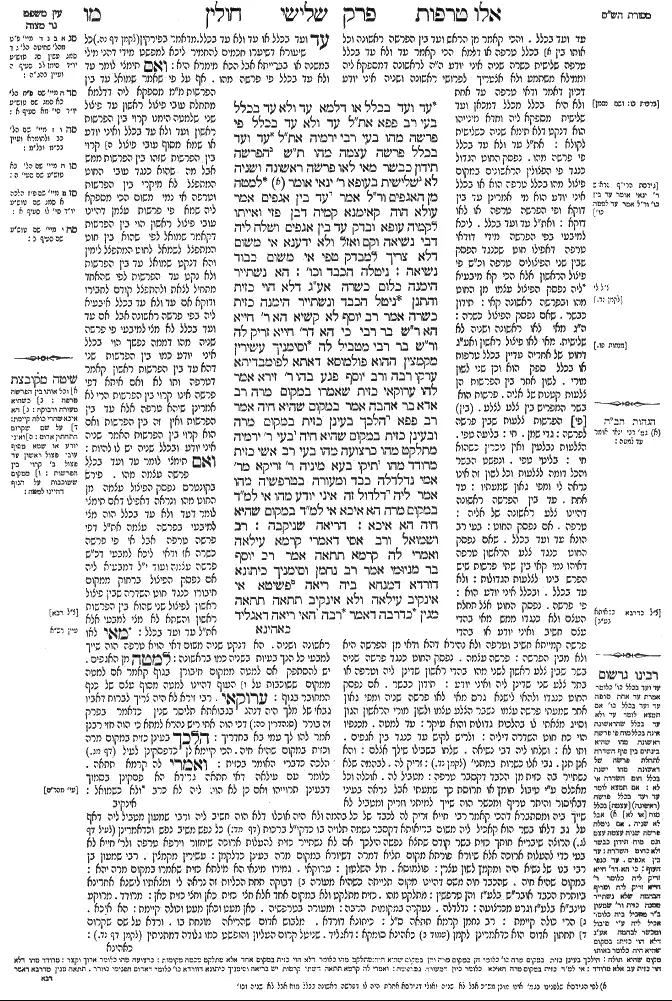
עד ועד בכלל או דלמא עד ולא עד בכלל בעי רב פפא את"ל עד ולא עד בכלל פי פרשה מהו בעי רבי ירמיה את"ל עד ועד בכלל פרשה עצמה מהו ת"ש הפרשה תידון כבשר מאי לאו פרשה ראשונה ושניה לא שלישית בעופא ר' ינאי אומר למטה מן האגפים ור"ל אמר עד בין אגפים אמר עולא הוה קאימנא קמיה דבן פזי ואייתו לקמיה עופא ובדק עד בין אגפים ושלח ליה דבי נשיאה וקם ואזל ולא ידענא אי משום דלא צריך למבדק טפי אי משום כבוד נשיאה:
ניטלה הכבד וכו':
הא נשתייר הימנה כלום כשרה אע"ג דלא הוי כזית והתנן ניטל הכבד ונשתייר הימנה כזית כשרה אמר רב יוסף לא קשיא הא ר' חייא הא ר"ש בר רבי כי הא דר' חייא זריק לה ור"ש בר רבי מטביל לה וסימניך עשירין מקמצין ההוא פולמוסא דאתא לפומבדיתא ערקו רבה ורב יוסף פגע בהו ר' זירא אמר להו ערוקאי כזית שאמרו במקום מרה רב אדא בר אהבה אמר במקום שהיא חיה אמר רב פפא הלכך בעינן כזית במקום מרה ובעינן כזית במקום שהיא חיה בעי ר' ירמיה מתלקט מהו כרצועה מהו בעי רב אשי כזית מרודד מהו תיקו בעא מיניה ר' זריקא מר' אמי נדלדלה כבד ומעורה בטרפשיה מהו אמר ליה דלדול זה איני יודע מהו אי למ"ד במקום מרה הא איכא אי למ"ד במקום שהיא חיה הא איכא:
הריאה שניקבה:
רב ושמואל ורב אסי דאמרי קרמא עילאה ואמרי לה קרמא תתאה אמר רב יוסף בר מניומי אמר רב נחמן וסימניך כיתונא דורדא דמנחא ביה ריאה פשיטא אי אינקיב עילאה ולא אינקיב תתאה תתאה מגין כדרבה דאמר רבה האי ריאה דאגליד
Comments from Rashi on Masechet Hullin Page 46a
עד ועד בכלל . והכי קאמר מן הראש ועד בין הפרשה ראשונה וכל אותו בין בכלל טרפה או דלמא הכי קאמר עד ולא עד בכלל טרפה שלישית כשרה שניה איני יודע ה"ה לראשונה דמספקא ליה וממילא משתמע ולא אצטריך לפרושי ראשונה ושניה איני יודע דכיון דאמר ודאי טרפה עד אחת ולא היא בכלל מכלל דמכאן ועד שלישית מספקא ליה וחדא מינייהו הוא דנקט דלא תימא שניה כשלישית לקולא: את"ל עד ולא עד בכלל פי פרשה מהו . נפסק החוט הגדול כנגד פי הפצולין הראשונים במקום פיצול מהו בכלל טרפה הוא או בכלל איני יודע הוא מי אמרינן עד בין דוקא ופי הפרשה טרפה או לאו דוקא: ואת"ל עד ועד בכלל . ליכא למיבעי בפי הפרשה מידי דודאי טרפה דאפילו חוט שכנגד הפסק שבין שני הפיצולים טרפה וכ"ש פי פיצול הראשון אלא הכי קא מיבעיא ליה נפסק הפיצול עצמו מן החוט מהו ובפרשה ראשונה קאי: תידון כבשר . שאם נפסק הפיצול כשרה: ה"ג מאי לאו ראשונה ושניה לא שלישית . מאי לאו פיצול ראשון ואע"ג דחוט של אחריה עדיין בכלל טרפות או בכלל ספק הוא וכן שני לשון מורי. לשון אחר בין הפרשות הן צלעות קטנות של אליה. פרשות הוא בשר המפריש בין צלע לצלע. (בין) [פי] הפרשות צלעות שבין פרשה לפרשה: גדי שמן . חי: בליעה טפי . הצלעות נבלעין ואין ניכרין כשהוא חי: בליטי טפי . ונפשט הבשר והכל דומה לצלעות. וכל לשון זה אינו נראה לי ומפי גאון שמעתיו: עד אחת . עד בין הפרשה ראשונה דהיינו צלע ראשונה של אליה: טרפה . אם נפסק החוט: בעי רב הונא עד ועד בכלל . שאם נפסק החוט כנגד צלע הראשון טרפה דאיהו נמי קאי בין שתי פרשות שיש הפרש בינו לצלעות הגדולות: ולא עד בכלל . ובכלל איני יודע הוא: פי פרשה . נפסק החוט אצל תחלת העצם ולא כנגדו ממש מאי בהדי עצם חשיב ואיני יודע או בהדי פרשה קמייתא חשיב וטרפה. ולא נהירא דהא ודאי מן הפרשה היא ולא מבין הפרשה: פרשה עצמה . נפסק החוט כנגד פרשה שניה בשר שבין צלע ראשון לשני מהו בהדי ראשון שדינן ליה וטרפה או בתר צלע שני שדינן ליה ואיני יודע: תידון כבשר . אם נפסק החוט כנגדו ולהאי לישנא גרס מאי לאו פרשה שניה. ומפי גאון אחר שמעתי פרשה עצמו נשבר הצלע עצמו. ולשון מורי הראשון הגון וסייג מצאתי לו בהלכות גדולות והוא עיקר: עד למטה . מכנפיו הוי כח חוט השדרה דיליה: ולריש לקיש עד כנגד בין אגפים . ותו לא: ושלחו ליה דבי נשיאה . שלחו בשבילו שילך אצלם: והא אנן תנן . גבי אלו כשרות במתני' (לקמן חולין נד.): זריק לה . לבהמה שלא נשתייר בה כזית מן הכבד דקסבר טרפה: מטביל לה . אוכלה. וכל מאכלם ע"י טיבול חומץ או חרוסת כך שמעתי. אבל נראה בעיני דבאיסור והיתר טריף ומכשר הוה שייך למיתני וזריק ומטביל לא שייך ביה ומסתברא דהכי קאמר רבי חייא זריק לה לכבד של כל בהמה ולא היה אוכלו דלא הוה חשיב ליה ורבי שמעון מטביל ליה דאף על גב דלאו בשר הוא קאכיל ליה משום בריאותא דקסבר נשמה תלויה בו כדקי"ל (ברכות דף מד:) כל נפש משיב נפש וכדאמרינן (לעיל חולין דף לג.) הרוצה שיבריא חותך כזית בשר קודם שתצא נפשה הילכך אם לא נשתייר כזית להעלות ארוכה שיחזור וירפא טרפה ולר' חייא לא בעי כדי להעלות ארוכה אלא שיורא פורתא מקום תליא דמרה דשיורא במקום מרה בעינן כדלקמן: עשירין מקמצין . רבי שמעון בן רבי בנו של נשיא היה. ומקמץ לשון עצרן: פולמוסא . חיל השלטון: ערוקאי . גמירו מינאי הא מילתא כזית שאמרו במקום מרה יהא: במקום שהיא חיה . שהכבד חיה משם דהיינו מקום תלייתה כשהיא מעורה דבוקה תחת הכליות זה נראה לי ומצאתיו. לישנא אחרינא ביותרת הכבד איבר"ש בלע"ז והן טרפשין: מתלקט מהו . כזית מתלקט ולא במקום אחד אלא חצי כזית כאן וחצי כזית כאן: מרודד . מרוקע טינב"א בלע"ז וגרע מכרצועה: נדלדלה . נעקרה במקומות הרבה: ומעורה בטרפשיה . כאן מעט וכאן מעט וכולה קיימת: הא איכא . הרי כולה קיימת: רב נחמן קרמא תתאה ס"ל: כיתונא דורדא . מלבוש אדום שהריאה מונחת בו. ורדא על שם שקרום תחתון אדום הוא כדאמרינן לקמן (עמוד ב) כאהינא סומקא: דאגליד . שניטל קרום העליון והופשט כמו גלודה דמתניתין (לקמן חולין דף נד.):
Comments from Tosafot - Hullin 46a
עד ועד בכלל או עד ולא עד בכלל . מדאמר בפירקין (לקמן חולין דף נה.) כל שיעורא דשיערו חכמים להחמיר ליכא למפשט מידי דהני מילי במשנה או בברייתא אבל הכא מימרא היא: ואם תימצי לומר עד ולא עד בכלל פי פרשה מהו . אף על פי שאמר שמואל עד בין הפרשות מ"מ מספקא ליה דדלמא מתחלת עובי פיצול ראשון עד פיצול שני שלמטה הימנו קרוי בין הפרשות ראשון ועד ולא עד בכלל ואיני יודע או שמא מסוף עובי פיצול קרוי בין הפרשות שזהו בין הפרשות ממש אבל מה שהוא כנגד עובי החוט המתפצל לא מיקרי בין הפרשות וטרפה אי נמי משום הכי מספקא ליה שמא פי פרשות עצמן דהיינו עובי פיצול ראשון הוי בין הפרשות דקאמר שמואל לפי שהוא בין חוט המתפצל לשמאל לחוט המתפצל לימין והא דנקט שמואל עד בין הפרשות ולא נקט עד הפרשות לפי שהאחד מתחיל לצאת ולהתפצל קודם לחבירו ודוקא אם עד ולא עד בכלל איבעיא ליה בפי פרשה ראשונה אבל אם עד ועד בכלל לא מצי למיבעי פי פרשה שניה מהו דממה נפשך הוי בכלל איני יודע כמו בין הפרשות שני דהא עד בין הפרשות ראשון קאמר דטרפה ותו לא ואם איתא דפי פרשה אינו קרוי בין הפרשות הרי לא אמרינן שיהא טרפה אלא עד בין הפרשות ואין זה בין הפרשות ואם הוא קרוי בין הפרשות האמר שניה איני יודע ובכלל שניה יש לו להיות: ואם תימצי לומר עד ועד בכלל פרשה עצמה מהו . פירש בקונטרס נפסק הפיצול עצמה מן החוט מהו ונראה דאפילו דאם תימצי לומר דעד ולא עד בכלל הוה מצי למיבעי בפרשה עצמה את"ל דפי פרשה טרפה אבל אי פי פרשה כשרה אז ודאי ליכא למבעי דכ"ש פרשה עצמה ועוד י"ל דמבעיא ליה אם נפסק הפיצול ברחוק ממקום חיבורו כנגד חוט השדרה שבין פיצול ראשון לפיצול שני שהוא בין הפרשות ראשון והשתא לא מצי למבעי אלא את"ל עד ועד בכלל: מאי לאו ראשונה ושניה . הא דנקט שניה משום דאי הויא טרפה הוה שייך למבעי כל הנך בעיות בשניה כמו בראשונה: למטה מן האגפים . יש להסתפק אם למטה ממקום חיבורן בגוף קאמר אם למטה ממקום ששוכבות על העוף דהיינו למטה מסוף עצם של כנף המחובר בגוף: ערוקאי . רבי זירא לא היה צריך לברוח דאביו גבאי של מלך היה דנהג בגבואתא תליסר שנין כדאמר בפרק זה בורר (סנהדרין כה:) דכי הוה אתי ריש נהרא למתא כי הוה חזי רבנן אמר להו לך עמי בא בחדריך: הלכך בעינן כזית במקום מרה וכזית במקום שהיא חיה . הכי קיימא לן כדפסקינן לעיל (חולין דף מג.) הלכה כדברי האומר בכזית: ואמרי לה קרמא תתאה. כלומר עם עילאה דאי תתאה גרידא הא פסקינן בסמוך דבעינן תרוייהו ואם כן לא הוה ליה לא כרב ולא כשמואל:
Hullin 46a - Mishnah translated into english
When Shmuel says that the animal is certainly a tereifa if the spinal cord is cut anywhere until the first gap, does he mean until and including the first gap, in which case if it is cut within the first gap the animal is a tereifa? Or perhaps he means until and not including the length of the gap itself?
Rav Pappa raises a dilemma: If you say that Shmuel means until and not including the length of the first gap, and if the spinal cord is cut in the first gap the halakha is unknown, then if the spinal cord was cut in the mouth of the first branch, exactly where it branches off, what is the halakha? Is it considered to be within the first gap, in which case the halakha is unknown? Or is it considered before the gap, in which case a tear in the mouth renders the animal a tereifa?
Rabbi Yirmeya raises a dilemma: If you say that Shmuel means until and including the measure of the first gap, and if the spinal cord is cut in the first gap the animal is a tereifa, then if the first branch itself, i.e., the first pair of branching nerves, was cut from the spinal cord, what is the halakha?
The Gemara suggests: Come and hear a proof from a baraita: The branch of the spine that was cut shall be considered as normal flesh, not as the spine. Therefore, it does not render the animal a tereifa, unlike the spinal cord itself. What, is it not referring even to the first or second branch? The Gemara responds: No, the baraita is referring only to the third branch. But if either of the first two pairs of nerves that branch off from the spinal cord are cut, the animal is a tereifa.
With regard to a bird, the Sages disagreed as to the lower boundary of the spinal cord, above which if it is cut, the bird will be rendered a tereifa. Rabbi Yannai says: The spinal cord extends until below the level of the wings. And Reish Lakish says: Until the point between the wings, not below them.
Ulla says: I was standing before Rabbi Shimon ben Pazi, and they brought before him a bird whose spine had been injured, and he checked until the point between the wings. And at that point a messenger of the house of the Nasi sent for him, and he got up and went, and I do not know if he left because one does not need to check beyond that point, or if due to the honor of the Nasi he left without completing the inspection.
§ The mishna states: If the liver was removed and nothing remained of it, the animal is a tereifa. The Gemara asks: It follows, therefore, that if anything remained of it, the animal is kosher, even if the remaining piece does not constitute an olive-bulk. But didn’t we learn in a mishna on 54a: If the liver was removed and an olive-bulk of it remained, it is kosher? One can infer that if less remained, it is a tereifa.
Rav Yosef said: This is not difficult. This mishna is in accordance with the opinion of Rabbi Ḥiyya, while that mishna later in the chapter is in accordance with the opinion of Rabbi Shimon, son of Rabbi Yehuda HaNasi. This is like that incident in which an amount smaller than an olive-bulk remained of the liver, and Rabbi Ḥiyya discarded it, as he holds that the animal is a tereifa, but Rabbi Shimon, son of Rabbi Yehuda HaNasi, dipped it in a seasoning and ate it. And your mnemonic to remember which Sage maintained which opinion is: The rich are stingy. Rabbi Shimon, son of Rabbi Yehuda HaNasi, was wealthy, but he nevertheless did not allow the meat to go to waste.
The Gemara relates that a certain royal army came to Pumbedita, and Rabba and Rav Yosef fled the city, whereupon Rabbi Zeira met them. Rabbi Zeira said to them: Refugees, hear this halakha: The olive-bulk that the Sages said must remain of the liver so the animal will remain kosher must be in the place where the liver connects to the gallbladder. Rav Adda bar Ahava says: The olive-bulk must be in the place that the liver lives, i.e., is connected to the other organs, under the right kidney. Rav Pappa said: Therefore, in order to satisfy both opinions, we require an olive-bulk in the place of the gallbladder, and we also require an olive-bulk in the place that it lives. Otherwise, the animal is a tereifa.
Rabbi Yirmeya raises a dilemma: If the olive-bulk that remained was not all in one piece, but rather small pieces that could be gathered together to form the requisite measure, what is the halakha? Alternatively, if it was long and thin like a strip, what is the halakha? Rav Ashi raises a dilemma: If the olive-bulk was flat, broad but thinner than an olive, what is the halakha? To all these questions the Gemara responds: The dilemma shall stand unresolved.
Rabbi Zerika asked Rabbi Ami: If the liver was detached from the other organs in numerous places and was attached only to its membranes [betarpasheha], but the liver itself remained intact, what is the halakha? Rabbi Ami said to him: With regard to the halakha, I do not know what the significance is of this detachment that you mentioned. If you rule according to the one who says that an olive-bulk must remain in the place of the gallbladder, that is the case here. And if you rule according to the one who says that it must be in the place that it lives, that is the case here as well. Consequently, there is no doubt that the animal is kosher.
§ The mishna states: The lung that was perforated renders the animal a tereifa. The Gemara quotes Rav and Shmuel and Rav Asi, who all say: The mishna is referring specifically to the outer membrane. And some say that they said that the mishna is referring specifically to the inner membrane. Rav Yosef bar Minyumi said that Rav Naḥman said: And your mnemonic should be: The red robe in which the lung rests. The inner membrane is red, while the outer membrane is white, and according to Rav Naḥman, the mishna is referring to the inner membrane.
The Gemara comments: It is obvious that if the outer membrane is perforated but the inner membrane is not perforated, the inner membrane protects the lung, and the animal is kosher. This is in accordance with the statement of Rabba, as Rabba says: This animal with a lung whose outer membrane was removed,
Traduction : The William Davidson digital edition of the Koren Noé Talmud, with commentary by Rabbi Adin Even-Israel Steinsaltz.