 Talmud Bavli
The learning on the whole site is dedicated : L'ilui Nishmat Rav Chlomo Ben Jamilla
The learning on the whole site is dedicated : L'ilui Nishmat Jacques Isaac Ben Amram Loubaton
The learning on the whole site is dedicated : L'ilui Nishmat Nissim ben Barukh Malka
Hullin 12a : Youtube
Rabbi Dr. Moshe WeisblumYoutube
1 video class :
Hullin Page 12a
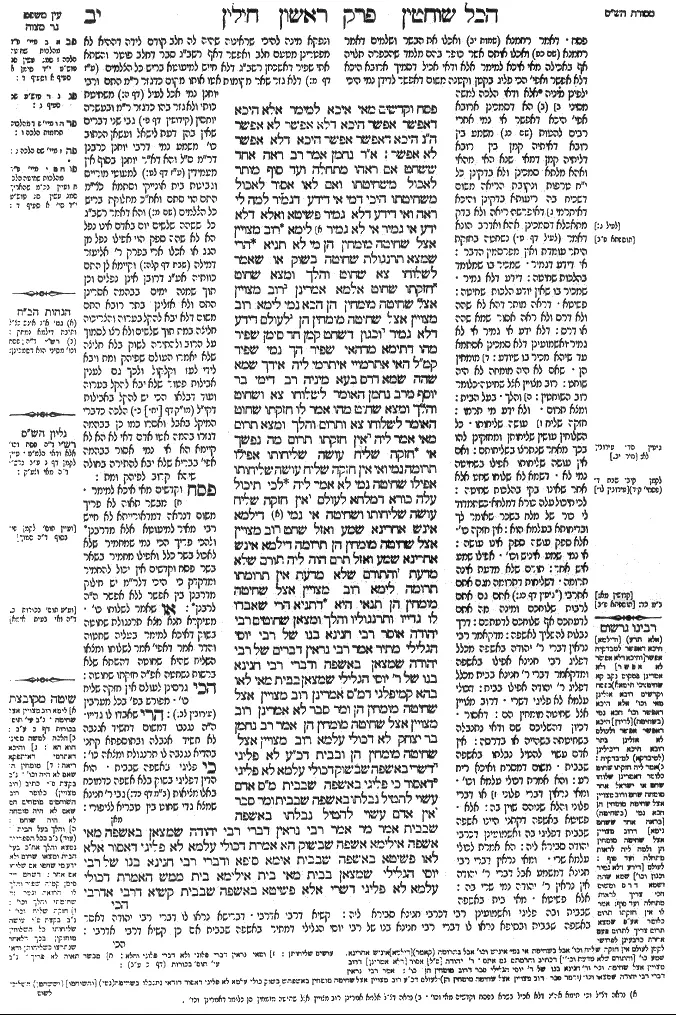
Hullin 12a - Guemara
פסח וקדשים מאי איכא למימר אלא היכא דאפשר אפשר היכא דלא אפשר לא אפשר ה"נ היכא דאפשר אפשר היכא דלא אפשר לא אפשר:
א"ר נחמן אמר רב ראה אחד ששחט אם ראהו מתחלה ועד סוף מותר לאכול משחיטתו ואם לאו אסור לאכול משחיטתו היכי דמי אי דידע דגמיר למה לי ראה ואי דידע דלא גמיר פשיטא ואלא דלא ידע אי גמיר אי לא גמיר לימא רוב מצויין אצל שחיטה מומחין הן מי לא תניא הרי שמצא תרנגולת שחוטה בשוק או שאמר לשלוחו צא שחוט והלך ומצא שחוט חזקתו שחוט אלמא אמרינן רוב מצויין אצל שחיטה מומחין הן הכא נמי לימא רוב מצויין אצל שחיטה מומחין הן לעולם דידע דלא גמיר וכגון דשחט קמן חד סימן שפיר מהו דתימא מדהאי שפיר הך נמי שפיר קמ"ל האי אתרמויי איתרמי ליה אידך שמא שהה שמא דרס בעא מיניה רב דימי בר יוסף מרב נחמן האומר לשלוחו צא ושחוט והלך ומצא שחוט מהו אמר לו חזקתו שחוט האומר לשלוחו צא ותרום והלך ומצא תרום מאי אמר ליה אין חזקתו תרום מה נפשך אי חזקה שליח עושה שליחותו אפילו תרומה נמי ואי אין חזקה שליח עושה שליחותו אפילו שחיטה נמי לא אמר ליה לכי תיכול עלה כורא דמלחא לעולם אין חזקה שליח עושה שליחותו ושחיטה אי נמי דילמא אינש אחרינא שמע ואזל שחט רוב מצויין אצל שחיטה מומחין הן תרומה דילמא אינש אחרינא שמע ואזל תרם הוה ליה תורם שלא מדעת והתורם שלא מדעת אין תרומתו תרומה לימא רוב מצויין אצל שחיטה מומחין הן תנאי היא דתניא הרי שאבדו לו גדייו ותרנגוליו והלך ומצאן שחוטים רבי יהודה אוסר רבי חנינא בנו של רבי יוסי הגלילי מתיר אמר רבי נראין דברים של רבי יהודה שמצאן באשפה ודברי רבי חנינא בנו של ר' יוסי הגלילי שמצאן בבית מאי לאו בהא קמיפלגי דמ"ס אמרינן רוב מצויין אצל שחיטה מומחין הן ומר סבר לא אמרינן רוב מצויין אצל שחיטה מומחין הן אמר רב נחמן בר יצחק לא דכולי עלמא רוב מצויין אצל שחיטה מומחין הן ובבית דכ"ע לא פליגי דשרי באשפה שבשוק דכולי עלמא לא פליגי דאסור כי פליגי באשפה שבבית מ"ס אדם עשוי להטיל נבלתו באשפה שבבית ומר סבר אין אדם עשוי להטיל נבלתו באשפה שבבית אמר מר אמר רבי נראין דברי רבי יהודה שמצאן באשפה מאי אשפה אילימא אשפה שבשוק הא אמרת דכולי עלמא לא פליגי דאסור אלא לאו פשיטא באשפה שבבית אימא סיפא ודברי רבי חנינא בנו של רבי יוסי הגלילי שמצאן בבית מאי בית אילימא בית ממש האמרת דכולי עלמא לא פליגי דשרי אלא פשיטא באשפה שבבית קשיא דרבי אדרבי
Comments from Rashi on Masechet Hullin Page 12a
פסח . דאמר רחמנא (שמות יב) ואכלו את הבשר ושלמים דאמר רחמנא (שם כט) ואכלו אותם אשר כופר בהם מלמד שהכפרה תלויה אף באכילה מאי איכא למימר אלא ודאי אכיל דסמיך ארובא היכא דלא אפשר ואפי' הכי פליג בקטן וקטנה משום דאפשר. לדידן נמי היכי ילפינן מיניה אלא ודאי הלכה למשה מסיני הא דסמכינן ארובא אפי' היכא דאפשר אי נמי אחרי רבים להטות (שם כג) משמע בין רובא דאיתיה קמן בין רובא דליתיה קמן דמאי שנא האי מהאי ואהא מלתא סמכינן ולא בדקינן כל י"ח טרפות. ונקובת הריאה משום דשכיח בה ריעותא בדקינן והיכא דאיתרמי דאיפרשה ריאה ולא בדק מתאכלא דסמכינן אהא ואדרב הונא דאמר (לעיל חולין דף ט.) נשחטה בחזקת היתר עומדת ואין מפרסמין הדבר: אי דידע דגמיר . שמכיר בו שמלומד בהלכות שחיטה: דידע דלא גמיר . שמכיר בו שאין יודע הלכות שחיטה: פשיטא . דראה מותר דהא לא שהה ולא דרס ולא ראה אסור שמא שהה או דרס: דלא ידע אי גמיר אי לא גמיר . ואשמועינן דלא סמכינן אסתמא עד שיהא מכיר בו שיודע: מומחין הן . שאם לא היה מומחה לא היה שוחט: רוב מצויין אצל שחיטה . כלומר רוב השוחטין: והלך . בעל הבית: ומצא תרום . ולא ידע מי תרמו: חזקה שליח עושה שליחותו . כל השלוחין עושין שליחותן ומחזקינן להו בכך מאחר שנתרצו בשליחותם: ואם אין עושה שליחותו אפילו בשחיטה נמי לא . דשמא לא שלוחו שחט אלא אחר שאינו בקי בהלכות שחיטה: לכי תיכול עלה כורא דמלחא . כשתמדוד לי כור של מלח בשכר שאומר לך ובדיחותא בעלמא הוא: אין חזקה כו' . אלא ספק עושה ספק אינו עושה: אי נמי שמע איניש וכו' . אפילו שמע איש אחר: תורם שלא מדעת אינה תרומה . דשליחות דתרומה מגם אתם אתרבי (גיטין דף כג:) אתם גם אתם לרבות שלוחכם ומינה מה אתם לדעתכם אף שלוחכם לדעתכם: דרך נבלות להשליך לאשפה:
מדקאמר רבי נראין דברי ר' יהודה באשפה מכלל דפליג רבי חנינא אפילו באשפה ומדקאמר דברי ר' חנינא בבית מכלל דפליג ר' יהודה אפילו בבית: דכולי עלמא לא פליגי דשרי . דרוב מצויין אצל שחיטה מומחין הם:
דאסור . דכיון דהשליכם שם ודאי נתנבלה בשחיטתה בשהייה או בדרסה:
אין אדם עשוי להטיל נבלתו באשפה שבבית . משום דמסרח ואיכא ריח רע: והא אמרת דכולי עלמא וכו' . ומאי נראין דברי פלוני או דברי פלוני והלא שניהם שוין בה: אלא . פשיטא באשפה דקתני היינו אשפה שבבית דפליגי בה ואשמועינן דכרבי יהודה סבירא ליה:
הא אמרת לכולי עלמא שרי . ומאי נראין דברי רבי חנינא דמשמע אבל דברי ר' יהודה אין נראין ר' יהודה נמי שרי בה: אלא פשיטא . מאי בית באשפה שבבית ובה פליגי ואשמועינן רבי דכרבי חנינא סבירא ליה: קשיא דרבי אדרבי . דברישא נראו לו דברי רבי יהודה דאסר באשפה שבבית ובסיפא נראו לו דברי רבי חנינא בנו של רבי יוסי הגלילי דמתיר באשפה שבבית אם כן קשיא דרבי אדרבי:
Comments from Tosafot - Hullin 12a
פסח וקדשים מאי איכא למימר . מבשר תאוה לא פריך משום דנראה דמדאורייתא לא חייש רבי מאיר למיעוטא אלא מדרבנן ולהכי פריך הכי נמי שמחמיר שלא לאכול בשר כלל ואפילו מחמיר בשאר בשר פסח וקדשים אין יכול להחמיר ומדקדק כי היכי דלר"מ יש חילוק מדרבנן בין אפשר ללא אפשר ה"ה לרבנן: או שאמר לשלוחו כו' . מעיקרא תנא מצא תרנגולת שחוטה בשוק דאיכא למימר בעליה שחטוה והדר אמר דאפי' אמר לשלוחו ומצאו השליח שהיא שחוטה דהשתא שלא ברשות נשחטה אפ"ה חזקתו שחוטה: הכי גרסינן לעולם אין חזקה שליח כו' . מפורש בפ' בכל מערבין (עירובין לב:): הרי שאבדו לו גדייו . ה"ה נגנבו דמשום דחשיד אגנבה לא חשיד אנבלה ובתוספתא קתני בהדיא נגנבה לו תרנגולת ומצאה כו': כי פליגי באשפה שבבית . הוא הדין דפליגי בשוק בלא אשפה כדמוכח באלו מציאות (ב"מ דף כד:) גבי ר' חנינא שמצא גדי שחוט בין טבריא לציפורי:
Hullin 12a - Mishnah translated into english
then with regard to the Paschal offering and sacrificial meat that one is obligated to eat, what is there to say? Rather, according to Rabbi Meir, there is no alternative to saying: Where it is possible to examine the situation it is possible, and the majority is not followed; where it is not possible to examine the situation it is not possible, and the majority is followed. If so, here too, according to the Rabbis, it cannot be proven from the above sources that one follows a non-quantifiable majority ab initio, as perhaps where it is possible to examine the situation it is possible, and where it is not possible to examine the situation it is not possible, and the majority is followed.
§ Rav Naḥman says that Rav says: In the case of a person who saw one who slaughtered an animal, if the person saw him slaughtering continuously from beginning to end of the act, he is permitted to eat from his slaughter, and if not, he is prohibited from eating from his slaughter.
The Gemara asks: What are the circumstances? If it is a case where the onlooker knows that he is knowledgeable in the halakhot of slaughter, why do I require that the onlooker saw the slaughter? Even if he did not see him slaughter, the onlooker may rely on his slaughter. And if the onlooker knows that he is not knowledgeable in the halakhot of slaughter, it is obvious that only if the person saw him slaughtering from beginning to end he is permitted to eat from his slaughter.
Rather, perhaps it is a case where the onlooker does not know whether he is knowledgeable or whether he is not knowledgeable. But if that is the case, let us say: The majority of those associated with slaughter are experts in the halakhot of slaughter, and one may rely on his slaughter.
Isn’t it taught in a baraita: In a case where one found a slaughtered chicken in the marketplace, or where one said to his agent: Go out and slaughter a chicken, and he went and found the chicken slaughtered and he does not know who slaughtered it, its presumptive status is that it was slaughtered properly.
Apparently, we say: The majority of those associated with slaughter are experts. Here too, in a case where it is unknown whether he is knowledgeable, let us say: The majority of those associated with slaughter are experts.
The Gemara answers: Actually, the reference is to a case where the onlooker knows that the one slaughtering is not knowledgeable in the halakhot of slaughter, and where he slaughtered one siman before us properly. Lest you say: From the fact that this siman was slaughtered properly, that siman was also slaughtered properly; therefore, Rav teaches us that this is not so. As, perhaps this siman happened to be slaughtered properly for him, but with regard to the other siman, perhaps he interrupted the slaughter or perhaps he pressed the knife, invalidating the slaughter.
Rav Dimi bar Yosef raised a dilemma before Rav Naḥman: With regard to one who says to his agent: Go out and slaughter a chicken, and he went and found the chicken slaughtered, what is the halakha? Rav Naḥman said to him: Its presumptive status is that it was slaughtered properly. And he raised another dilemma: With regard to one who says to his agent: Go out and separate teruma for me, and he went and found that teruma was separated from his produce, what is the halakha? Rav Naḥman said to him: Its presumptive status is not that teruma was separated.
Rav Dimi bar Yosef challenged: Whichever way you look at it, your ruling is problematic. If there is a presumption that an agent performs his assigned agency, that should be the case even with regard to teruma; and if there is no presumption that an agent performs his assigned agency, there should be no such presumption even with regard to slaughter.
Rav Naḥman said to Rav Dimi in jest: After you eat a kor of salt over it, and analyze the matter at length, you will be able to understand the difference. Actually, there is no presumption that an agent performs his assigned agency, and in the case of slaughter, even if perhaps another person heard him instruct the agent and that person went and slaughtered the chicken, the slaughter would be valid, because the majority of those associated with slaughter are experts. By contrast, in the case of teruma, if perhaps another person heard him instruct the agent and then went and separated his teruma, he becomes one who designates teruma without the knowledge of the owner of the produce; and with regard to one who designates teruma without the knowledge of the owner of the produce, his teruma is not teruma.
The Gemara suggests: Let us say that the statement: The majority of those associated with slaughter are experts, is a dispute between tanna’im, as it is taught in a baraita: In a case where one’s young goats and roosters were lost, and the owner went and found them slaughtered, Rabbi Yehuda deems the meat forbidden, and Rabbi Ḥanina, son of Rabbi Yosei HaGelili, deems it permitted. Rabbi Yehuda HaNasi said: The statement of Rabbi Yehuda appears correct in a case where the owner found the slaughtered animals in a scrap heap, as the concern is that they were thrown away because the slaughter was not valid. And the statement of Rabbi Ḥanina, son of Rabbi Yosei HaGelili, appears correct in a case where he found them in the house.
What, is it not with regard to this matter that they disagree, that one Sage, Rabbi Ḥanina, holds: We say that the majority of those associated with slaughter are experts, and one Sage, Rabbi Yehuda, holds: We do not say that the majority of those associated with slaughter are experts?
Rav Naḥman bar Yitzḥak said: No, the fact is that everyone agrees that the majority of those associated with slaughter are experts, and if he found the slaughtered goats or roosters in the house, everyone agrees that it is permitted to eat the meat. If he found them in a scrap heap that is in the marketplace, everyone agrees that it is prohibited to eat the meat. When they disagree is in a case where he found them in a scrap heap that is in the house. One Sage, Rabbi Yehuda, holds: A person is prone to cast his unslaughtered animal carcass onto a scrap heap that is in the house. And one Sage, Rabbi Ḥanina, holds: A person is not prone to cast his unslaughtered animal carcass onto a scrap heap that is in the house.
The Master said in the baraita that Rabbi Yehuda HaNasi said: The statement of Rabbi Yehuda appears correct in a case where he found them in the scrap heap. The Gemara asks: What is the term scrap heap referring to in this context? If we say the reference is to a scrap heap in the marketplace, didn’t you say that everyone agrees that it is prohibited, and it is not merely the opinion of Rabbi Yehuda? Rather, it is obvious that he found it on a scrap heap that is in the house, and it is in that case that Rabbi Yehuda HaNasi rules in accordance with the opinion of Rabbi Yehuda.
Say the latter clause of the statement of Rabbi Yehuda HaNasi: And the statement of Rabbi Ḥanina, son of Rabbi Yosei HaGelili, appears correct in a case where he found them in the house. What is the word house referring to in this context? If we say the reference is to an actual house, didn’t you say that everyone agrees that it is permitted? Rather, it is obvious that he found it on a scrap heap that is in the house. If so, it is difficult, as there is a contradiction between one statement of Rabbi Yehuda HaNasi, where he rules in accordance with the opinion of Rabbi Yehuda to prohibit the meat in a case where it is found in a scrap heap in the house, and another statement of Rabbi Yehuda HaNasi, where he rules in accordance with the opinion of Rabbi Ḥanina, son of Rabbi Yosei HaGelili, to permit the meat in that case.
Traduction : The William Davidson digital edition of the Koren Noé Talmud, with commentary by Rabbi Adin Even-Israel Steinsaltz.