 Talmud Bavli
Hullin 3a : Youtube
Rabbi Dr. Moshe WeisblumYoutube
1 video class :
Hullin Page 3a
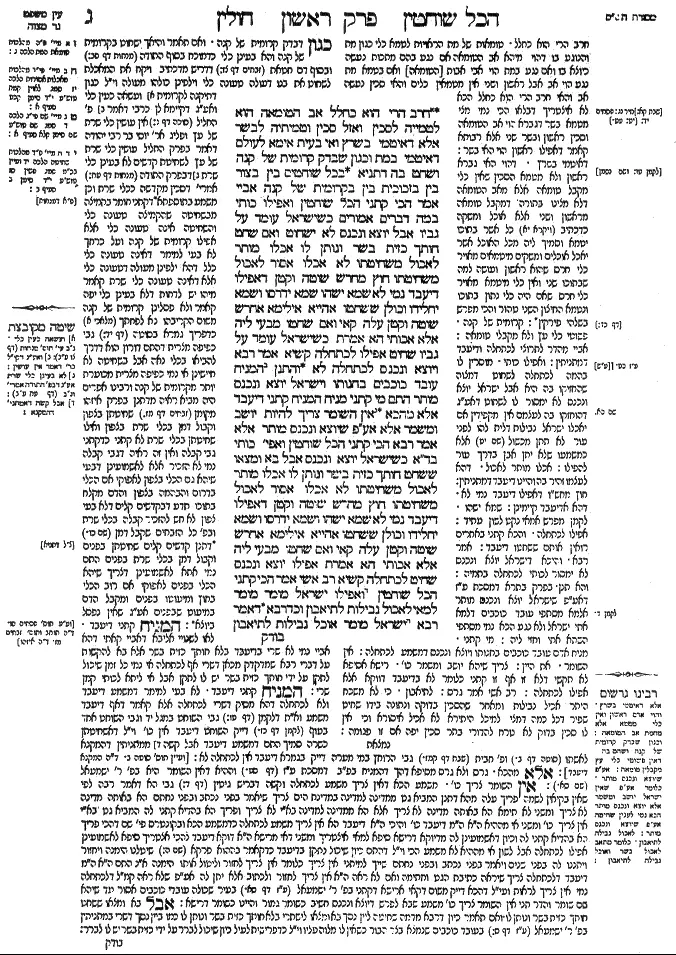
Hullin 3a - Guemara
חרב הרי הוא כחלל אב הטומאה הוא לטמייה לסכין ואזל סכין וטמיתיה לבשר אלא דאיטמי בשרץ ואי בעית אימא לעולם דאיטמי במת וכגון שבדק קרומית של קנה ושחט בה דתניא בכל שוחטים בין בצור בין בזכוכית בין בקרומית של קנה אביי אמר הכי קתני הכל שוחטין ואפילו כותי במה דברים אמורים כשישראל עומד על גביו אבל יוצא ונכנס לא ישחוט ואם שחט חותך כזית בשר ונותן לו אכלו מותר לאכול משחיטתו לא אכלו אסור לאכול משחיטתו חוץ מחרש שוטה וקטן דאפילו דיעבד נמי לא שמא ישהו שמא ידרסו ושמא יחלידו וכולן ששחטו אהייא אילימא אחרש שוטה וקטן עלה קאי ואם שחטו מבעי ליה אלא אכותי הא אמרת כשישראל עומד על גביו שחיט אפילו לכתחלה קשיא אמר רבא ויוצא ונכנס לכתחלה לא והתנן המניח עובד כוכבים בחנותו וישראל יוצא ונכנס מותר התם מי קתני מניח המניח קתני דיעבד אלא מהכא אין השומר צריך להיות יושב ומשמר אלא אע"פ שיוצא ונכנס מותר אלא אמר רבא הכי קתני הכל שוחטין ואפי' כותי בד"א כשישראל יוצא ונכנס אבל בא ומצאו ששחט חותך כזית בשר ונותן לו אכלו מותר לאכול משחיטתו לא אכלו אסור לאכול משחיטתו חוץ מחרש שוטה וקטן דאפילו דיעבד נמי לא שמא ישהו ושמא ידרסו ושמא יחלידו וכולן ששחטו אהייא אילימא אחרש שוטה וקטן עלה קאי ואם שחטו מבעי ליה אלא אכותי הא אמרת אפילו יוצא ונכנס שחיט לכתחלה קשיא רב אשי אמר הכי קתני הכל שוחטין ואפילו ישראל מומר מומר למאי לאכול נבילות לתיאבון וכדרבא דאמר רבא ישראל מומר אוכל נבילות לתיאבון
Comments from Rashi on Masechet Hullin Page 3a
חרב הרי הוא כחלל . טומאות של מת הראויות לטמא כלי כגון מת והנוגע בו דהוי מיהא אב הטומאה אם נגע בהם מתכות נעשה כיוצא בו ואם נגע במת הוי אבי אבות [הטומאה] ואם בטמא מת נגע הוי אב אבל ראשון ושני אין מטמאין כלים והאי סכין נעשה אב. והאי חרב הרי הוא כחלל הכא לא איצטריך דבלאו הכי נמי מצי מטמא בשר דגברא הוי אב הטומאה וסכין ראשון ובשר שני אלא רבותא קאמר דאפילו ראשון הוי האי בשר: דאיטמי בשרץ . דהוי האי גברא ראשון ולא מטמא הסכין שאין כלי מקבל טומאה אלא מאב הטומאה דלא מצינו בתורה דמקבל טומאה מראשון ושני אלא אוכל ומשקה כדכתיב (ויקרא יא) כל אשר בתוכו יטמא וסמיך ליה מכל האוכל אשר יאכל אוכלים ומשקים מיטמאים מאויר כלי חרס שהוא ראשון ועושה למה שבתוכו שני ואין כלי מיטמא מאויר כלי חרס שאם היה כלי נתון בתוכו ונטמא החיצון השני טהור והכי מפרש בשלהי פירקין: קרומית של קנה . פשוטי כלי עץ ולא מקבלי טומאה: אביי מהדר לתרוצי לכתחלה ודיעבד דמתניתין: ואפילו כותי . מוסרין לו בהמה לכתחלה לשחוט דמצוה שהחזיקו בה היא אבל ישראל יוצא ונכנס לא ימסור לו לשחוט דאע"ג דהוחזקו בה לעצמם אין מקפידין אם יאכלו ישראל נבילות דלית להו לפני עור לא תתן מכשול (שם יט) אלא כמשמעו שלא יתן אבן בדרך עור להפילו: אכלו מותר לאכול . דהא לעצמו זהיר בה והיינו דיעבד דמתניתין: חוץ מחש"ו דאפילו דיעבד נמי לא . דהא אדיעבד קיימינן: שמא ישהו . לקמן מפרש אמאי נקט לשון עתיד: אפילו לכתחלה . והכא קתני באחרים רואין אותם ששחטו דיעבד: אמר רבא . והיכא דישראל יוצא ונכנס לא ימסור לכותי לכתחלה בתמיה: והא תנן . בפרק בתרא דמסכת ע"ז דאע"פ שישראל יוצא ונכנס מותר אלמא מסתפי עובד כוכבים דלמא אתי ישראל ולא נגע הכא נמי מסתפי השתא אתי וחזי ליה: מי קתני מניח . אדם עובד כוכבים בחנותו ויוצא ונכנס דמשמע לכתחלה: אין השומר . את היין: צריך שיהא יושב ומשמר כו' . רישא אסיפא לא תקשי דלא זו אף זו קתני כלומר לא בדיעבד דווקא אלא אפילו לכתחלה: רב אשי אמר גרס: לתיאבון . כי לא משכח היתר אכיל נבילות ומאחר שהסכין בדוקה ונתונה בידו שחיט שפיר דכל כמה דמצי למיכל היתירא לא אכיל איסורא וכי אין לו סכין בדוק לא טרח להדורי בתר סכין יפה אם זו פגומה:
Comments from Tosafot - Hullin 3a
כגון דבדק קרומית של קנה . ואם תאמר והיאך ישחוט בקרומית של קנה והא בעינן כלי כדמוכח בסוף התודה (מנחות דף פב:) ובסוף דם חטאת (זבחים דף צז:) דדריש מדכתיב ויקח את המאכלת לשחוט את בנו דעולה טעונה כלי וילפינן כולהו מעולה וי"ל כגון דתיקנה לקרומית ועשאה כעין כלי ואע"ג דקיימא לן כרבי דאמר פ' החליל (סוכה דף נ:) אין עושין כלי שרת של עץ ופליג אר' יוסי בר רבי יהודה דאמר בפרק החליל עושין כלי שרת של עץ לשחיטת קדשים לא בעינן כלי שרת דבפרק התודה (מנחות דף עח:) אמרי' דסכין מקדשה ככלי שרת וכן משמע בתוספתא דקתני חומר בקמיצה מבשחיטה שהקמיצה טעונה כלי והשחיטה אינה טעונה כלי אלא אפילו קרומית של קנה ועל כרחך לא בעי למימר דאינה טעונה כלי כלל דהא ילפינן מעולה דטעונה כלי אלא דאינה טעונה כלי שרת קאמר מיהו יש לדחות דלא בעינן כלי יפה קאמר ולא פסלינן קרומית של קנה משום הקריבהו נא לפחתך (מלאכי א) כדפריך גמרא בסוטה (דף יד:) גבי כפיפה מצרית דהתם דורון הוא דדרך להביאו בכלי נאה אבל בשחיטה לא חיישינן אי נמי כפיפה מצרית מכוערת יותר מקרומית של קנה ורבינו אפרים היה מביא ראיה מדתנן בפרק איזהו מקומן (זבחים דף מז.) שחיטתן בצפון וקבול דמן בכלי שרת בצפון ואילו שחיטתן בכלי שרת לא קתני כדקתני גבי קבלה ואין זה ראיה דגבי קבלה נמי לא הזכיר אלא לאשמועינן דבעי שיהא גם הכלי בצפון לאפוקי אם הכלי בדרום והבהמה בצפון והדם מקלח בתוכו תדע דבקדשים קלים דלא בעי צפון לא חש להזכיר קבלה בכלי שרת ובפ' כל הזבחים שקבל דמן (שם כו.) דתנן קדשים קלים שחיטתן בפנים וקבול דמן בכלי שרת בפנים התם נמי אתא לאשמועינן דצריך שיהא הכלי בפנים לאפוקי אם רוב הכלי בחוץ ומיעוטו בפנים ומקבל הדם במיעוט שבפנים אע"ג שאין נפסל ביוצא: המניח קתני דיעבד . לאו לשנויי אליבא דאביי קאתי דהא אביי נמי לא שרי בדיעבד בלא חותך כזית בשר אלא בא להקשות על דברי רבא שמדקדק מכאן דשרי אף לכתחלה אי נמי כל זמן שיכול לתקן על ידי חותך כזית בשר יש לו לתקן אבל אי ליתא לכותי קמן שרי: המניח קתני דיעבד . לא בעי למימר דמשמע דיעבד ולא לכתחלה דהא מסיק דשרי לכתחלה אלא קאמר דאף דיעבד משמע וא"ת דלקמן (חולין דף טו:) גבי השוחט במגל יד וגבי השוחט אחד בעוף (לקמן חולין דף כז.) דייק השוחט דיעבד אין כו' וי"ל דאשחיטתן כשרה סמיך התם דמשמע דיעבד אבל קשה ממתניתין דהמקנא לאשתו (סוטה דף ב.) ופ' חבית (שבת דף קמז.) גבי הרוחץ במי מערה דייק בגמרא דיעבד אין לכתחלה לא: [ועיין תוס' סוטה ב. ד"ה המקנא דיעבד]: אלא מהכא . גרס ולא גרס מסיפא דהך דהמניח בפ"ב דמסכת ע"ז (דף סט.) וההיא דאין השומר היא בפ' ר' ישמעאל (שם סא.): אין השומר צריך כו' . משמע הכא דאין צריך משמע לכתחלה וקשה דבריש גיטין (דף ד:) גבי הא דאמר רבה לפי שאין בקיאין לשמה פריך עלה מהא דתנן המביא גט ממדינה למדינה במדינת הים צריך שיאמר בפני נכתב ובפני נחתם הא באותה מדינה לא צריך ומשני לא תימא הא באותה מדינה לא צריך אלא הא ממדינה למדינה בא"י לא צריך ופריך הא בהדיא קתני לה המביא גט בא"י אין צריך כו' ומשני אי מההיא ה"א ה"מ דיעבד כו' והיכי ה"א דיעבד הא אין צריך משמע לכתחלה כדמשמע הכא ובקונטרס פי' שם דהכי פריך הא בהדיא קתני לה וכיון דאשמועינן לה מדיוקא דרישא סיפא למאי איצטריך ומשני דאי מרישא ה"א דוקא דיעבד להכי אצטריך סיפא לאשמועינן אפילו לכתחלה אבל לשון אי מההיא לא משמע הכי וי"ל דהתם כיון שיכול לתקן בדיעבד כדקאמר בההוא פרקא (שם ה:) שיטלנו הימנה ויחזור ויתננו לה בפני שנים ויאמר בפני נכתב ובפני נחתם שייך למיתני אין צריך כלומר אין צריך לחזור וליטול אותו הימנה א"נ התם ה"א ה"מ דיעבד דלכתחלה צריך שיראה כתיבת הגט וחתימה ואם לא ראה ה"א אין צריך לחזור ולכתוב אלא יתן לה אע"פ שלא ראה קמ"ל דלכתחלה נמי אין צריך לראות ועי"ל דהכא דייק משום דקאי ארישא דקתני בפ' ר' ישמעאל (ע"ז דף סא.) בעיר שכולה עובדי כוכבים אסור עד שיהא שם שומר והדר תני אין השומר צריך כו' משמע שבא לפרש דיוצא ונכנס חשיב כשומר גמור והיינו כשומר דרישא: אבל בא ומצאו ששחט חותך כזית בשר ונותן לו . ואם תאמר כיון דרבא מדמה שחיטה ליין נסך בא ומצאו לישתרי בלא חותך כזית בשר ונותן לו כמו ביין נסך דשרי במתניתין בפ' ר' ישמעאל (ע"ז דף ס:) בעובד כוכבים שנמצא בצד הבור כשאין לו מלוה עליו וי"ל כדפרישית לעיל כיון שיכול לברר על ידי כזית בשר יש לו לברר:
Hullin 3a - Mishnah translated into english
It is derived from the juxtaposition of “slain” to “sword” that the halakhic status of a sword or any other metal vessel that comes into contact with a corpse is like that of a corpse itself. Similarly, if a metal utensil comes in contact with a person impure with impurity imparted by a corpse, it assumes his status. Therefore, since the impure person is a primary source of ritual impurity, let him render the knife impure, rendering it as well a primary source of impurity, and the knife then goes and renders the flesh impure.
Rather, it is a case where the person became impure with impurity imparted by a creeping animal; as he assumes first-degree ritual impurity status and does not render vessels impure, the knife remains ritually pure. And if you wish, say instead that actually he became impure with impurity imparted by a corpse, and it is a case where one examined the stalk of a reed, which is a flat wooden vessel that does not become ritually impure, to ensure that it is perfectly smooth with no nicks, and slaughtered with it, as it is taught in a baraita: One may slaughter an animal with any sharp object, whether with a flint, or with glass shards, or with the stalk of a reed.
§ Abaye said in resolution of the apparent contradiction in the mishna that this is what the mishna is teaching: Everyone slaughters, and even a Samaritan. In what case is this statement said? It is said in a case where a Jew is standing over him and ensuring that he slaughters properly; but if the Jew merely exits and enters and does not have a constant presence, the Samaritan may not slaughter the animal.
And if the Samaritan slaughtered the animal without supervision, the Jew cuts an olive-bulk of meat from the slaughtered animal and gives it to the Samaritan to eat. If the Samaritan ate it, it is permitted for the Jew to eat meat from what the Samaritan slaughtered. Since Samaritans are meticulous with regard to the meat that they eat and eat meat only from an animal that was slaughtered properly, the Jew may partake of the meat. But if the Samaritan did not eat the meat, there is concern that the animal was not slaughtered properly, and it is prohibited to eat from what the Samaritan slaughtered.
And it teaches: This is the halakha with regard to all people except for a deaf-mute, an imbecile, and a minor, who, even if they slaughtered only non-sacred animals, their slaughter is not valid even after the fact. The reason the Sages deemed such slaughter not valid is lest people in these categories interrupt the slaughter, lest they press the knife in the course of slaughter, and lest they conceal the knife beneath the windpipe or the gullet in the course of an inverted slaughter.
The Gemara asks: If so, with regard to the clause in the mishna that follows: And any of them who slaughtered an animal and others see and supervise them, their slaughter is valid, to which case in the mishna is it referring? If we say that the reference is to the case of a deaf-mute, an imbecile, and a minor, since that is the halakha to which it stands adjacent, the tanna should have formulated the phrase: And if they slaughtered, instead of: And any of them who slaughtered.
Rather, perhaps the reference is to the case of a Samaritan who slaughters. The Gemara rejects that possibility. But didn’t you say in that case: When a Jew is standing over him, a Samaritan may slaughter even ab initio? The Gemara concedes that the formulation of the mishna: And any of them who slaughtered, is difficult according to this explanation of the mishna.
Rava said: And in a case where a Jew exits and enters, is it not permitted for the Samaritan to slaughter the animal ab initio? But didn’t we learn in a mishna (Avoda Zara 69a): In the case of one who leaves a gentile in his store in which there is wine, and a Jew exits and enters, the wine is permitted? Just as there, the sporadic presence of the Jew is sufficient to ensure that the gentile will refrain from touching the wine, it should be sufficient in the case of a Samaritan who slaughters an animal as well. The Gemara rejects that proof. There, in the case of the store, does the tanna teach: One leaves a gentile ab initio? The tanna teaches: One who leaves, after the fact. Consequently, there is no proof from there that the Jew’s sporadic presence is sufficient to permit slaughter by a Samaritan ab initio.
Rather, proof can be cited from the mishna here (Avoda Zara 61a): In a case where barrels of wine belonging to a Jew are in the possession of a gentile, and a Jew was tasked with supervising those barrels, the supervisor need not be continuously sitting and supervising to ensure that the gentile does not touch the wine; rather, even if the supervisor exits and enters, the wine is permitted. This mishna clearly indicates that exiting and entering is sufficient even ab initio.
Rather, Rava said in resolution of the apparent contradiction similar to the resolution proposed by Abaye, that this is what the mishna is teaching: Everyone slaughters, and even a Samaritan. In what case is this statement said? It is said in a case where a Jew exits and enters; but if the Jew does not exit and enter and instead came and found that the Samaritan slaughtered the animal, the Jew cuts an olive-bulk of meat from the slaughtered animal and gives it to the Samaritan to eat. If the Samaritan ate it, it is permitted for the Jew to eat meat from what the Samaritan slaughtered. But if the Samaritan did not eat the meat, it is prohibited to eat from what the Samaritan slaughtered.
And it teaches: This is the halakha with regard to all people except for a deaf-mute, an imbecile, and a minor, whose slaughter is not valid even after the fact. The reason the Sages deemed such slaughter not valid is lest people in these categories interrupt the slaughter, lest they press the knife in the course of slaughter, and lest they conceal the knife beneath the windpipe or the gullet in the course of an inverted slaughter. The Gemara asks: If so, with regard to the clause in the mishna that follows: And any of them who slaughtered an animal and others see and supervise them, their slaughter is valid, to which case in the mishna is this referring? If we say that the reference is to the case of a deaf-mute, an imbecile, and a minor, since that is the halakha to which it stands adjacent, the tanna should have formulated the phrase: And if they slaughtered, instead of: And any of them who slaughtered.
Rather, perhaps the reference is to the case of a Samaritan who slaughters. The Gemara rejects that possibility. But didn’t you say that if a Jew is present, then even if he exits and enters and does not have a constant presence, a Samaritan may slaughter even ab initio? The Gemara concedes that the formulation of the mishna: And any of them who slaughtered, is difficult according to this explanation of the mishna.
§ Rav Ashi said in resolution of the apparent contradiction in the mishna that this is what the mishna is teaching: Everyone slaughters, and even a Jewish transgressor [meshummad]. The Gemara asks: A transgressor of what sort? The Gemara answers: It is one whose transgression is to eat unslaughtered animal carcasses to satisfy his appetite, i.e., for his convenience. And the ruling of the mishna is in accordance with the statement of Rava, as Rava says: In the case of a Jewish transgressor whose transgression is that he eats unslaughtered animal carcasses to satisfy his appetite, if he seeks to slaughter an animal,
Traduction : The William Davidson digital edition of the Koren Noé Talmud, with commentary by Rabbi Adin Even-Israel Steinsaltz.
Hullin 3a : Significance
Next step
Finished studying Hullin 3a? Carry on with the rest of the tractate.
Study Hullin 3bFrequently asked questions: Hullin 3a
Where is Hullin 3a in tractate Hullin?
Hullin 3a is page 3 of 281 in tractate Hullin (Seder Kodashim).
When is daf 3 of Hullin studied in Daf Yomi?
Daf Yomi covers one daf a day, both sides. Daf 3 of Hullin will be studied on October 4, 2033.
Is there a video class on Hullin 3a?
Yes, by Rabbi Dr. Moshe Weisblum. These classes were published on YouTube by their authors and are gathered on this site.
What is tractate Hullin about?
The Masechet Hullin is the third tractate of the Seder Kodashim. The Houllin gemara is the study of the laws of the ritual slaughter of animals and birds for meat for ordinary or non-consecrated use. The Houllin tractate has 12 chapters.
Your study is also dedicated to them
- L'ilui Nishmat Avraham Ben Simha
- L'ilui Nishmat Reuven ben Rivka SEBBAG
- For the success of Elyahou ben H'anna & family