 Talmud Bavli
The learning on the whole site is dedicated : L'ilui Nishmat Nissim ben Barukh Malka
The learning on the whole site is dedicated : L'ilui Nishmat Rav Chlomo Ben Jamilla
The learning on the whole site is dedicated : L'ilui Nishmat Ledicia bat David Banoun
Hullin 69b : Youtube
Rabbi Dr. Moshe WeisblumYoutube
1 video class :
Hullin Page 69b
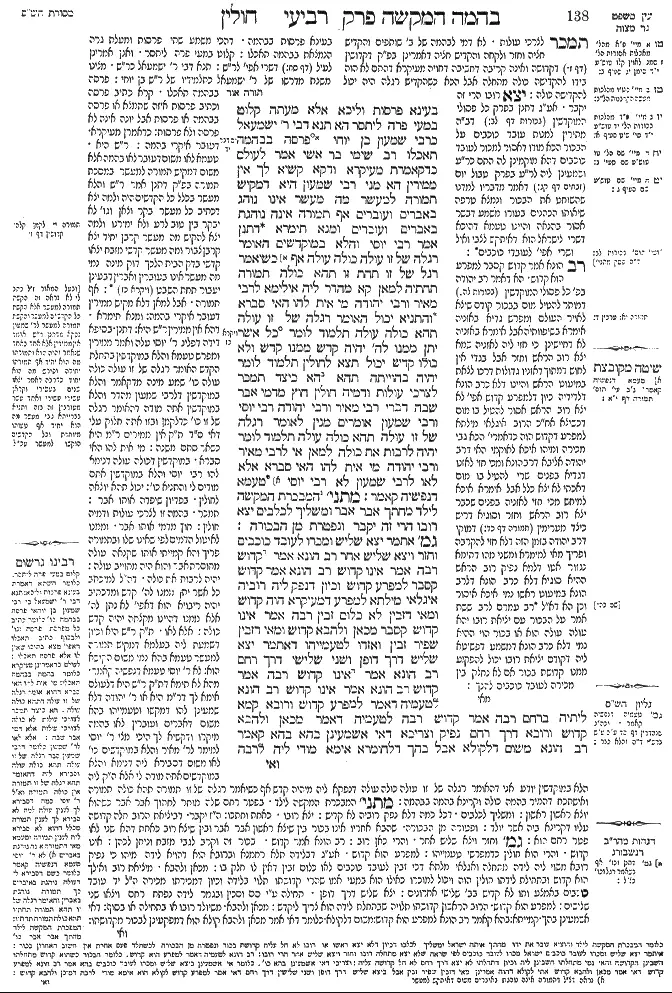
Hullin 69b - Guemara
בעינא פרסות וליכא אלא מעתה קלוט במעי פרה ליתסר הא תנא דבי ר' ישמעאל כרבי שמעון בן יוחי (דברים יד, ו) פרסה בבהמה תאכלו רב שימי בר אשי אמר לעולם כדקאמרת מעיקרא ודקא קשיא לך אין ממירין הא מני רבי שמעון היא דמקיש תמורה למעשר מה מעשר אינו נוהג באברים ועוברים אף תמורה אינה נוהגת באברים ועוברים ומנא תימרא דתנן אמר רבי יוסי והלא במוקדשים האומר רגלה של זו עולה כולה עולה אף כשיאמר רגל של זו תחת זו תהא כולה תמורה תחתיה למאן קא מהדר ליה אילימא לרבי מאיר ורבי יהודה מי אית להו האי סברא והתניא יכול האומר רגלה של זו עולה תהא כולה עולה תלמוד לומר (ויקרא כז, ט) כל אשר יתן ממנו לה' יהיה קדש ממנו קדש ולא כולו קדש יכול תצא לחולין תלמוד לומר יהיה בהוייתה תהא הא כיצד תמכר לצרכי עולות ודמיה חולין חוץ מדמי אבר שבה דברי רבי מאיר ורבי יהודה רבי יוסי ורבי שמעון אומרים מנין לאומר רגלה של זו עולה תהא כולה עולה תלמוד לומר יהיה לרבות את כולה למאן אי לרבי מאיר ורבי יהודה מי אית להו האי סברא אלא לאו לרבי שמעון לא רבי יוסי טעמא דנפשיה קאמר:
מתני׳ המבכרת המקשה לילד מחתך אבר אבר ומשליך לכלבים יצא רובו הרי זה יקבר ונפטרת מן הבכורה:
גמ׳ אתמר יצא שליש ומכרו לעובד כוכבים וחזר ויצא שליש אחר רב הונא אמר קדוש רבה אמר אינו קדוש רב הונא אמר קדוש קסבר למפרע קדוש וכיון דנפק ליה רוביה איגלאי מילתא למפרע דמעיקרא הוה קדוש ומאי דזבין לא כלום זבין רבה אמר אינו קדוש קסבר מכאן ולהבא קדוש ומאי דזבין שפיר זבין ואזדו לטעמייהו דאתמר יצא שליש דרך דופן ושני שלישי דרך רחם רב הונא אמר אינו קדוש רבה אמר קדוש רב הונא אמר אינו קדוש רב הונא לטעמיה דאמר למפרע קדוש ורובא קמא ליתיה ברחם רבה אמר קדוש רבה לטעמיה דאמר מכאן ולהבא קדוש ורובא דרך רחם נפיק וצריכא דאי אשמעינן בהא בהא קאמר רב הונא משום דלקולא אבל בהך דלחומרא אימא מודי ליה לרבה
Comments from Rashi on Masechet Hullin Page 69b
בעינא פרסות . בבהמה דהכי משמע שתי פרסות ומעלת גרה הנמצאת בבהמה תאכלו: קלוט במעי פרה ליתסר . ואנן אמרינן לעיל (חולין דף סח:) דשרי אפי' לר"ש: תנא דבי ר' ישמעאל כר"ש . מצינו משנת מדרשו של ר' ישמעאל כתלמידיו של ר"ש בן יוחי: פרסה בבהמה תאכלו . קרא כתיב פרסה וכתיב פרסות איזה שתמצא או פרסה בבהמה או פרסות אבל יונה אינה לא פרסה ולא פרסות: כדאמרן מעיקרא . דעובר איקרי בהמה: ר"ש היא . טעמא לאו משום דעובר לאו בהמה אלא משום דמקיש תמורה למעשר במסכת תמורה בפ"ק דתנן אמר ר"ש והלא מעשר בכלל כל הקדשים היה ולמה יצא דכתיב כל מעשר בקר וצאן וגו' לא יבקר בין טוב לרע ולא ימירנו ולמה יצא להקיש מה מעשר קרבן יחיד יצא קרבן צבור ומה מעשר קדשי מזבח יצאו קדשי בדק הבית הלכך דוק מינה נמי מה מעשר אינו בעוברין ואברין דבעינן יעבור תחת השבט (ויקרא כז): אף תמורה . אבל למאן דלא מקיש ממירין דעובר איקרי בהמה: ומנא תימרא . דהא אין ממירין ר"ש היא: דתנן . בסיפא דידה דפליג ר' יוסי עלה ואמר ממירין ומפרש טעמא והלא במוקדשין בתחלת הקדש האומר רגלה של זו עולה כולה עולה כו' שמע מינה מדקאמר והלא במוקדשין דלרבי שמעון מהדר והלא במוקדשין אתה מודה דהאומר רגלה של זו כו' כדלקמן ובזו אתה חלוק עלי דאי ס"ד ת"ק אין ממירים ר"מ היא כשאר סתם משנה: מי אית להו האי סברא . במוקדשין דכולה עולה דנימא להו רבי יוסי והלא במוקדשין אתם מודים לי והתניא כו': יכול תהא יוצאה לחולין . בפדיון שיפדה אותו אבר: תמכר . בהמה זו לצרכי עולות ודמיה חולין: חוץ מדמי אותו אבר . וממנו לא יטול הדמים לפי שאינו שלו. ובתמורה פריך והא קמייתי אותו שקנאה עולה מחוסר אבר והוא היה מחוייב עולה: יהיה לרבות את כולה . דה"ל למיכתב כל אשר יתן ממנו לה' קדש ומדכתיב יהיה ריבויא הוא דאפי' לא נתן לה' אלא ממנו דהיינו מקצתה יהיה קדש כולה: אלא לאו . ת"ק ר"ש היא וכיון דשמעת ליה בעלמא דמקיש תמורה למעשר טעמא בהא נמי משום הקישא הוא: לא ר' יוסי טעמא דנפשיה קאמר . מהא לא תימא דת"ק ר"ש היא דלעולם אימא לך דר"מ היא או ר' יהודה דלא שמעינן להו דמקשו וטעמייהו בהא משום דאברים ועוברין לאו בהמה מיקרו ודקשיא לך היכי מצי ר' יוסי למימר לר' מאיר והלא במוקדשים כו' לאו משום דסבירא ליה דנימא והלא במוקדשים אתה מודה לי אלא ה"ק ליה הלא במוקדשין יודע אני דהאומר רגלה של זו עולה כולה עולה דנפקא ליה מיהיה קדש אף כשיאמר רגלה של זו תמורה תהא כולה תמורה ואישתכח דהמיר בהמה כולה וקרינא בהמה בבהמה: מתני' המבכרת המקשה לילד . בפטר רחם שלה מותר לחתוך אבר אבר כשהוא יוצא ראשון ראשון: ומשליך לכלבים . דכל כמה דלא נפק רוביה לא קדיש: יצא רובו . כאחת וחתכו: ה"ז יקבר . דביציאת הרוב חלה קדושה עליו דקרינא ביה אשר יולד: ופטורה מן הבכורה . שהבא אחריו אינו בכור בין שיצא ראשון אבר אבר ובין שיצא רוב כאחת דהא שני לאו פטר רחם הוא: גמ' וחזר ויצא שליש אחר . והרי כאן רוב: רב הונא אמר קדוש . בכור זה וקרב לגבי מזבח וניתן לכהן: אינו קדוש . והרי הוא חולין כדמפרשי טעמייהו: למפרע הוא קדוש . אע"ג דבלידה תלא רחמנא וברובא הוא דהויא לידה מיהו כי נפיק רובא משוי ליה לידה מתחלה ואגלאי מלתא דכי זבין לעובד כוכבים לאו כלום זבין דאין לו חלק בו: מכאן ולהבא . מיציאת רוב ואילך הוא קדוש ובתחילת לידתו חולין הוה ויכול למוכרו כאילו הוא במעי אמו שהרי קדושתו תלוי בלידה וכיון דמכירתו מכירה ה"ל יד עובד כוכבים באמצע ותו לא קדיש בב' שלישי אחרונים: יצא שליש דרך דופן . תחילה ע"י סם וסכין ובגמר לידה נפתח רחם ויצאו שני שלישים: למפרע הוא קדוש . הרוב הראשון קדושתו תלויה שבתחלת לידה הוא צריך ליקדש: מכאן ולהבא . משיולד רובו או בתחילה או בסוף: דאי אשמעינן בהך . קמייתא: בהא קאמר רב הונא . למפרע הוא קדוש: משום דלקולא . כלומר דאי אמר מכאן ולהבא קולא הוא דמפקעינן לבכור מקדושתו:
Comments from Tosafot - Hullin 69b
תמכר לצרכי עולות . לא דמי לבהמה של ב' שותפים והקדיש חציה וחזר ולקחה והקדיש חציה דאמרינן בפ"ק דקדושין (דף ז.) דקדושה ואינה קריבה דחשיבה דחויה מעיקרא דהתם לא הוה בידו להקדישה כולה מתחלה אבל הכא כשהקדיש רגלה היה יכול להקדישה כולה: יצא רובו הרי זה יקבר . אע"ג דתנן בפרק כל פסולי המוקדשין (בכורות דף לב:) דב"ה מתירין למנות עובד כוכבים על הבכור הכא מודו דאסור למכור לעובד כוכבים דהא מוקמינן לה התם כר"ע ושמעינן ליה לר"ע בפרק טבול יום (זבחים דף קג:) דאמר מדבריו למדנו שהשוחט את הבכור ונמצא טרפה שיאותו הכהנים בעורו משמע דבשר אסור בהנאה והיינו טעמא דהיכא דשרי לישראל הוא דאיתקש לצבי ואיל ושרי אפי' לעובדי כוכבים: רב הונא אמר קדוש קסבר למפרע הוא קדוש . הא דאמר רב יהודה בפ' כל פסולי המוקדשין (בכורות לה.) דמותר להטיל מום בבכור קודם שיצא לאויר העולם ומפרש גדיא באזניה אימרא בשיפוותיה אבל אימרא באזניה לא דחיישינן כי חזי ליה לאזניה שמא יצא רוב הראש וחזר אבל בגדי אין לחוש דמתוך דאזניו גדולות דרכו לצאת במיעוט הראש והיינו דלא כרב הונא דלדידיה כיון דלמפרע קדוש אפי' לא יצא רוב הראש אסור להטיל בו מום דכשיצא אח"כ הרוב איגלאי מילתא למפרע דקדוש הוה כדאמרי' הכא גבי מכירה ומיהו איכא לאוקמי האי דרב יהודה אליבא דרב הונא ומכי חזי לאזנו דגדיא בפנים שרי להטיל בו מום דאכתי לא יצא כלל אבל אימרא איכא למיחש מכי חזי לאזניה בפנים שכבר יצא רוב הראש וחזר וסוגיא דריש כיצד מערימין (תמורה דף כד:) דמוקי דרב יהודה בזמן הזה דלא חזי להקרבה ופריך מאי למימרא ומשני מהו דתימא נגזור אטו דלמא נפיק רוב הראש ההיא סוגיא דלא כרב הונא דלרב הונא במיעוט ראשו נמי איכא איסור וכן הא דא"ל רב עמרם לרב ששת אמר על הבכור עם יציאת רובו יהא עולה עולה הוא או בכור הוי ההיא נמי דלא כרב הונא דמשמע דפשיטא ליה דקודם יציאת רובו יכול להפקיע ממנו קדושת בכור אם לא נחלק בין מכירה לעובד כוכבים להנך:
Hullin 69b - Mishnah translated into english
The Gemara explains: In order for the fetus to be permitted, I require that it have hooves, and a dove-shaped fetus does not have hooves.
The Gemara objects: If that is so, that the fetus is permitted only if it fulfills the conditions mentioned in that verse, then a fetus with non-cloven hooves found inside a cow’s womb should be forbidden, whereas the baraita cited on 68b states that it is permitted. The Gemara answers: This is as the school of Rabbi Yishmael taught in accordance with the opinion of Rabbi Shimon ben Yoḥai: Each phrase in the verse is taken as a sufficient condition. Furthermore, the term “hoof” can be understood independently of the phrase “cloven into two hooves,” and is referring to a non-cloven hoof. Accordingly, the verse can be interpreted as teaching: An animal that has a hoof, in the animal, it you may eat, and teaches that even a fetus with a non-cloven hoof is permitted.
Rav Shimi bar Ashi said: Actually, the halakha that the fetus and its severed pieces are permitted should be derived as you previously said, i.e., from the phrase: An animal in the animal. And with regard to that which posed a difficulty for you, i.e., the mishna in Temura that states one cannot substitute a non-sacred animal for the fetus of a pregnant offering, that difficulty can be resolved by saying: In accordance with whose opinion is this? It is the opinion of Rabbi Shimon, who compares substitution to the animal tithe: Just as the animal tithe does not apply to limbs and fetuses but only to live animals that can walk, as it is stated: “Whatever passes under the rod” (Leviticus 27:32), so too, substitution does not apply to limbs and fetuses.
The Gemara asks: And from where do you say that this mishna expresses the opinion of Rabbi Shimon? The Gemara explains: As we learned in the same mishna (Temura 10a) that Rabbi Yosei says: But with regard to consecrated offerings, if one says the leg of this animal is a burnt offering, then all of the animal is consecrated as a burnt offering. Accordingly, even with regard to substitution, if one says: The leg of this non-sacred animal should be substituted instead of that offering, the entire animal should be a substitute in its stead.
Rabbi Yosei clearly disagrees with the opinion that substituting a limb is not possible. But Rabbi Yosei’s formulation indicates that even according to that opinion, if a single limb is consecrated then the entire animal becomes consecrated. The Gemara clarifies: To whom is Rabbi Yosei responding? If we say he is responding to Rabbi Meir and Rabbi Yehuda, do they accept this reasoning? But isn’t it taught in a baraita: One might have thought that in the case of one who says: The leg of this animal is a burnt offering, all of it will be a burnt offering. Therefore, the verse states: “And if it is an animal of those that they bring as an offering to the Lord, anything of it that one gives to the Lord, it shall be sacred” (Leviticus 27:9). The verse indicates that the part of it that one gives will be sacred, but all of it will not be sacred.
A non-sacred animal with a consecrated limb may not be sacrificed. Accordingly, one might have thought the consecrated limb may be redeemed and thereby transferred to non-sacred status. Therefore, the verse states: “It shall be sacred,” indicating that it shall remain as it is. How is this possible? The animal should be sold for the needs of burnt offerings, i.e., to an individual who will sacrifice the entire animal as a burnt offering, and the payment received for the animal will be non-sacred, except for the payment received in exchange for that one limb that is consecrated. This is the statement of Rabbi Meir and Rabbi Yehuda.
Rabbi Yosei and Rabbi Shimon say: From where is it derived that in the case of one who says: The leg of this animal is a burnt offering, all of it becomes a burnt offering? The verse states: “It shall be sacred.” This serves to include all of the animal, indicating that it all becomes sacred.
The Gemara reiterates its question: To whom is Rabbi Yosei responding? Rabbi Yosei clearly disagrees with the opinion that if a single limb is consecrated then the entire animal becomes consecrated. If we say he is responding to Rabbi Meir and Rabbi Yehuda, do they accept this reasoning? Rather, isn’t Rabbi Yosei responding to Rabbi Shimon, as the Gemara suggests above in resolution of the difficulty from the mishna in Temura?
The Gemara responds: No, it is possible that Rabbi Yosei is not responding directly to any other opinion; rather, he stated his own reasoning, without reference to that of another Sage. Consequently, his statement affords no proof that the mishna in Temura expresses the opinion of Rabbi Shimon.
MISHNA: Upon its birth, the firstborn male offspring of a domesticated animal is automatically consecrated with firstborn status, and it is prohibited to derive benefit from it. Furthermore, if it dies, it may not be discarded, but must be buried. If an animal that was giving birth to a firstborn male was encountering difficulty giving birth, and in order to alleviate the difficulty one wishes to terminate the birth, he may cut up the fetus limb by limb and cast it to the dogs. Since the fetus was not born, it is non-sacred and does not require burial. If a majority of the fetus had already emerged, it is considered to have been born and is therefore consecrated; consequently, if one cut it up it must be buried, and the mother animal is exempted from having firstborn status conferred on any future offspring.
GEMARA: An amoraic dispute was stated with regard to a case in which one-third of a firstborn fetus emerged from the womb and then one sold it to a gentile, and then another one-third of the fetus emerged. Once a majority of the fetus emerges it is considered born. The halakha is that a fetus partly owned by a gentile is not consecrated as a firstborn. In this case, the firstborn was sold to a gentile only after it had already partially emerged from the womb. Rav Huna says it is consecrated, while Rabba says it is not consecrated.
The Gemara elaborates: Rav Huna says it is consecrated, as he maintains a firstborn is consecrated retroactively from the moment the first part of its body emerges from the womb. And therefore in this case, once most of it had emerged, it became clarified retroactively that it had already been consecrated from the outset, and so with regard to that which he had sold to a gentile, it arises that he did not actually sell anything at all. Since it had already been consecrated, he did not have full ownership of it to be able to sell it.
Rabba says it is not consecrated, as he maintains a firstborn is consecrated from that point forward, i.e., only at the moment the majority of it emerges. And so with regard to that which he had sold to a gentile, it arises that he had sold it properly, i.e., the sale was valid because at the time of the sale it had not been consecrated. Accordingly, by the time the majority of its body emerged it was already partly owned by a gentile, and that prevented it from being consecrated.
The Gemara notes: Rav Huna and Rabba follow their lines of reasoning, as another dispute between them was stated with regard to a case in which one-third of a firstborn fetus emerged through the wall of the womb, i.e., via caesarean section, and then the other two-thirds emerged through the opening of the womb. The halakha is that a fetus is consecrated only if it emerged through the opening of the womb. In this case a majority did emerge through the opening, but the first majority to emerge was not through the opening. Rav Huna says it is not consecrated and Rabba says it is consecrated.
The Gemara elaborates: When Rav Huna says it is not consecrated Rav Huna conforms to his standard line of reasoning, as he says a firstborn is consecrated retroactively, since the birth consecrates it. And in this case, the first majority that emerged, which defined its birth, was not through the opening of the womb. Therefore, it was not consecrated. Conversely, when Rabba says it is consecrated Rabba conforms to his standard line of reasoning, as he says a firstborn is consecrated from that point forward, i.e., only once a majority of the fetus has emerged from the opening of the womb. This is because the emergence of a majority of the fetus through the opening of the womb consecrates it, even if that is not the first majority, and in this case the majority of the animal emerged through the opening of the womb.
The Gemara notes: And it is necessary to convey Rav Huna and Rabba’s dispute in both of these cases. As, had the Sages taught us only their dispute with regard to this case, where after one-third emerged it was sold to a gentile, one might have thought that it is only with regard to this case that Rav Huna says the animal is consecrated retroactively. This is because to rule it is consecrated from that point forward would be a leniency, as then the fetus would be exempt from being subject to firstborn status. But with regard to that case, when one-third emerged through the wall of the womb, where Rabba’s opinion would lead to a stringency, one might say that Rav Huna concedes to Rabba.
Traduction : The William Davidson digital edition of the Koren Noé Talmud, with commentary by Rabbi Adin Even-Israel Steinsaltz.