 Talmud Bavli
Hullin 67b : Youtube
Rabbi Dr. Moshe WeisblumYoutube
1 video class :
Hullin Page 67b
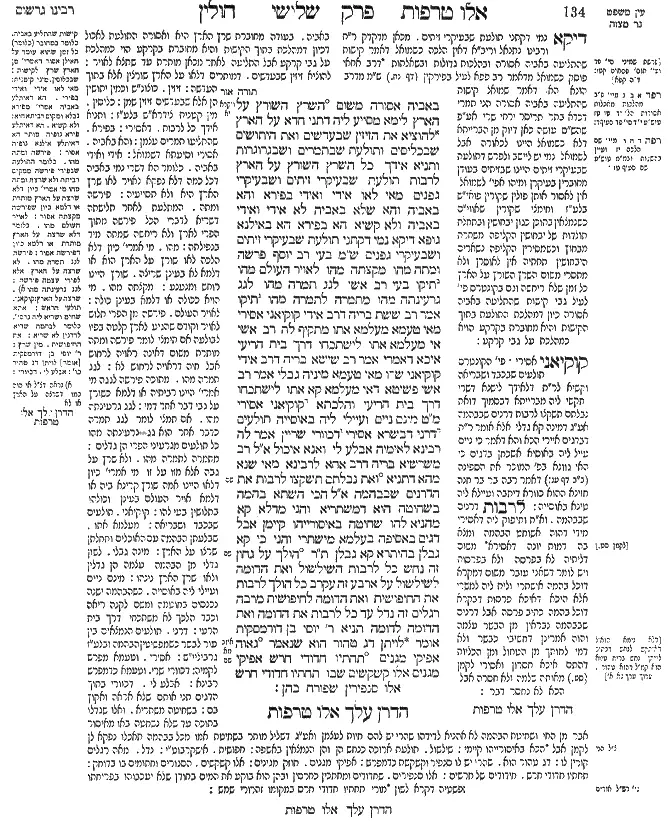
Hullin 67b - Guemara
באביה אסורה משום (ויקרא יא, מא) השרץ השורץ על הארץ לימא מסייע ליה דתני חדא על הארץ להוציא את הזיזין שבעדשים ואת היתושים שבכליסים ותולעת שבתמרים ושבגרוגרות ותניא אידך כל השרץ השורץ על הארץ לרבות תולעת שבעיקרי זיתים ושבעיקרי גפנים מאי לאו אידי ואידי בפירא והא באביה והא שלא באביה לא אידי ואידי באביה ולא קשיא הא בפירא הא באילנא גופא דיקא נמי דקתני תולעת שבעיקרי זיתים ושבעיקרי גפנים ש"מ בעי רב יוסף פרשה ומתה מהו מקצתה מהו לאויר העולם מהו תיקו בעי רב אשי לגג תמרה מהו לגג גרעינתה מהו מתמרה לתמרה מהו תיקו אמר רב ששת בריה דרב אידי קוקיאני אסירי מאי טעמא מעלמא אתו מתקיף לה רב אשי אי מעלמא אתו לישתכחו דרך בית הריעי איכא דאמרי אמר רב שישא בריה דרב אידי קוקיאני שרו מאי טעמא מיניה גבלי אמר רב אשי פשיטא דאי מעלמא קא אתו לישתכחו דרך בית הריעי והלכתא קוקיאני אסירי מ"ט מינם ניים ועיילי ליה באוסייה תולעים דרני דבשרא אסירי דכוורי שריין אמר לה רבינא לאימיה אבלע לי ואנא איכול א"ל רב משרשיא בריה דרב אחא לרבינא מאי שנא מהא דתניא (ויקרא יא, יא) ואת נבלתם תשקצו לרבות את הדרנים שבבהמה א"ל הכי השתא בהמה בשחיטה הוא דמשתריא והני מדלא קא מהניא להו שחיטה באיסורייהו קיימן אבל דגים באסיפה בעלמא מישתרי והני כי קא גבלן בהיתרא קא גבלן ת"ר (ויקרא יא, מב) הולך על גחון זה נחש כל לרבות השילשול ואת הדומה לשילשול על ארבע זה עקרב כל הולך לרבות את החיפושית ואת הדומה לחיפושית מרבה רגלים זה נדל עד כל לרבות את הדומה ואת הדומה לדומה תניא ר' יוסי בן דורמסקית אומר לויתן דג טהור הוא שנאמר (איוב מא, ז) גאוה אפיקי מגנים (איוב מא, כב) תחתיו חדודי חרש אפיקי מגנים אלו קשקשים שבו תחתיו חדודי חרש אלו סנפירין שפורח בהן:
הדרן עלך אלו טרפות
Comments from Rashi on Masechet Hullin Page 67b
באביה . בעודה מחוברת שרץ הארץ היא ואסורה התולעת לאכול דכיון דמהלכת בתוך הקישות והיא מחוברת בקרקע הוי כמהלכת על גבי קרקע אבל התליעה לאחר מכאן מותרת עד שתצא לאויר: להוציא זיזין שבעדשים . דמותרים דלאו על הארץ שורצין אלא בתוך העדשה: זיזין . כוצונ"ש וכמין יתושין הן אלא שבעדשים זיזין שמן: כליסין . מין קטנית צידרא"ש בלע"ז: ותניא אידך כל לרבות . דאסירי: בפירא . שהתליעו תמרים עצמן: והא באביה . אסירי וסיעתא דשמואל: אידי ואידי באביה . כלומר הא דשרי נמי באביה דכל כמה דלא נפקא לאויר לאו שרץ הארץ היא ולא תסייעיה: פירשה ומתה . המתלעת לאחר תלישתה דשריא לדברי הכל פירשה מתוך הפרי לארץ ולא ריחשה שמתה מיד בנפילתה: מהו . מי אמרי' כיון דלא הלכה לאו שורץ על הארץ הוא או דלמא לא בעינן שריצה. שורץ היינו רוחש ומנענע: מקצתה מהו . מי הויא ככולה או דלמא בעינן כולה: לאויר העולם . פירשה מן הפרי תלוש לאויר וקודם שהגיע לארץ קלטה בפיו לבולעה אם תימצי לומר פירשה ומתה מותרת משום דאינה ראויה לרחוש אבל חיה דראויה לרחוש לא: לגג תמרה מהו . מתוכה פירשה לגגה מי אמרי' היינו רביתיה או דלמא כשורץ על גבי דבר אחר דמי: לגג גרעינתה מהו . אם תמצי לומר לגג תמרה כדבר אחר הוא גג גרעינתה מהו. כל תולעים מגרעיני הפרי הן גדלים: מתמרה לתמרה מהו . ולא שרץ על גבה אלא מזו על זו מי אמרי' כיון דלאו היינו אמה שורץ קרינא ביה או דלמא אויר העולם בעינן. וכולהו בתלושין בעי להו: קוקיאני . תולעים שבכבד ושבריאה: מעלמא אתו . שבלעתן הבהמה עם האוכלים ותחלתן שרצו על הארץ: מינה גבלי . לשון גדלי. מן הבהמה עצמה הן גדלין ולאו שרץ הארץ נינהו: מינם ניים ועיילי ליה באוסייה . כשהבהמה ישנה נכנסים בחוטמה ומשם לקנה ריאה וכבד הלכך לא משתכחי דרך בית הרעי: דרני . תולעים הנמצאים בין עור לבשר כשמפשיטין הבהמה ובלע"ז גרביליי"ש: אסירי . וטעמא מפרש לקמיה: דכוורי שרי . וטעמא כדמפרש רבינא: אבלע לי . דכוורי בתוך הדגים תני אותם שלא אראה ואקוץ בם: בשחיטה משתריא . ואלו שגדלו בתוכה עד שלא נשחטה באו מאיסור אבר מן החי ושחיטת הבהמה לא אהניא לדידהו שהרי יש להם חיות לעצמן. ואע"ג דשליל מותר בשחיטת אמו מכל בבהמה תאכלו נפקא לן לקמן אבל הכא באיסורייהו קיימי: שילשול . תולעת ארוכה כנחש הן והן הנמצאין באשפה: חפושית . אישקרבו"ט: נדל . מאה רגלים קורין לו: דג טהור הוא . שהרי יש לו סנפיר וקשקשת כדמפרש: אפיקי מגנים . חוזק מגינים: אלו קשקשים . הסגורים וחתומים בו בדוחק: תחתיו חדודי חרש . חידודים של חרשים: אלו סנפירים . שחדודים ומחתכין כחרסין ובהן הוא בוקע את המים בחודן שלא יעכבוהו בפריחתו. פשטיה דקרא לשון מורי תחתיו חדודי חרס במקומו זהרורי שמש:
Comments from Tosafot - Hullin 67b
דיקא נמי דקתני תולעת שבעיקרי זיתים . מכאן מדקדק ר"ת ורבינו נתנאל וריב"א דאין הלכה כשמואל דאמר קישות שהתליעה באביה אסורה ובהלכות גדולות ובשאלתות דרב אחאי פוסק כשמואל מדאמר רב פפא לעיל בפירקין (חולין דף נח.) ש"מ מדרב הונא הא דאמר שמואל קישות שהתליעה באביה אסורה הני תמרי דכדא בתר תריסר ירחי שרי אע"פ שהש"ס עושה כאן דיוק מן הברייתא דלא כשמואל היינו לכאורה אבל לשמואל נמי יש ליישב ולפרש דתולעת שבעיקרי זיתים היינו שבזיתים בעודן מחוברין בעיקרן ומיהו אפי' לשמואל אין לאסור אותן פולין שקורין פואי"ש בלע"ז וחימצי שקורין שאווי"ם כשנמצאין בתוכן כגון יבחושין ובתחלת תולדות של יבחושין הקליפה משחרת מבחוץ וכשמסירין הקליפה נשארים היבחושין תחתיה אין לאוסרן ולא מתסרי משום השרץ השורץ על הארץ כל זמן שלא ריחשה וגם בקונטרס פי' לעיל גבי קישות שהתליעה באביה אסורה כיון דמהלכת התולעת בתוך הקישות והיא מחוברת בקרקע הויא כמהלכת על גבי קרקע: קוקיאני אסירי . פי' הקונטרס תולעים שבכבד ושבריאה וקשיא לר"ת דלאידך לישנא דשרי תקשי ליה מברייתא דבסמוך דואת נבלתם תשקצו לרבות דרנים שבבהמה אע"ג דמינה קא גדלי אלא אומר ר"ת דבדגים איירי הכא והא דאמר כי ניים עייל ליה באוסיא אשכחן בדגים כי האי גוונא בפ' המוכר את הספינה (ב"ב דף עג:) דאמר רבה בר בר חנה חזינא ההוא כוורא דיתבה ועיילא ליה טינא באוסייה: לרבות דרנים שבבהמה . וא"ת ותיפוק ליה דאסירי מידי דהוה אשוחט הבהמה ומצא בה דמות יונה דאסירא משום דליתיה לא בפרסה ולא בפרסות ויש לומר דשאני עובר משום דמקרא דוכל בהמה אישתרי ולית ליה למשרי אלא היכא דאיכא פרסות דבקרא דוכל בהמה כתיב פרסה אבל דרנים שבבהמה נבראין מן הבשר עצמה והוה אמרינן דחשיבי כבשר ולא דמי לחותך מן הטחול ומן הכליות דהתם איכא חסרון ואסירי לקמן (חולין סט.) מאותה שלמה ולא חסרה אבל הכא לא נחסר דבר:
Hullin 67b - Mishnah translated into english
while attached to the ground is prohibited, due to the prohibition of: “Every swarming thing that swarms upon the earth,” because the cucumber was considered part of the earth when the worms infested it.
The Gemara suggests: Let us say that a comparison of the following two baraitot supports Shmuel’s opinion. As it is taught in one baraita: “Every swarming thing that swarms upon the earth” serves to exclude zizin, a type of insect that is found in lentils, and mosquitoes that are in kelisim, a type of bean, and worms that are in dates and in dried figs. All of these are permitted for consumption because they do not swarm on the earth itself. And it is taught in another baraita that when the verse states: “Every swarming thing that swarms upon the earth,” the word “every” serves to include as non-kosher worms that are in the roots of olive trees and that are in the roots of vines.
What, is it not that both this and that baraita are referring to insects that are found in the fruit, and this, the latter baraita, deems forbidden fruit that is attached to the ground, and that, the former baraita, deems permitted fruit that is not attached to the ground? This would support Shmuel’s statement that worms in a cucumber attached to the ground are forbidden.
The Gemara responds: No, it is possible that both this and that baraita are referring to insects found in vegetation attached to the ground; and the apparent contradiction between the two is not difficult. This, the former baraita, deems permitted insects found in the fruit, and that, the latter baraita, deems forbidden insects found in the tree itself. This interpretation contradicts Shmuel’s statement.
The Gemara notes: The language of the latter baraita is also precise, as it teaches: Worms that are in the roots of olive trees and in the roots of vines, clearly referring to the tree itself rather than the fruit. The Gemara concludes: Learn from it that the second interpretation is correct.
§ From the above discussion, it is clear that worms that grow in produce not attached to the ground, and have never emerged from the produce, do not fall under the prohibition of: “Every swarming thing that swarms upon the earth,” because they have never swarmed on the earth. Rav Yosef raises a dilemma: If a worm emerged from the produce but died before it reached the earth, what is the halakha? Is it considered to have swarmed on the earth simply by having emerged? If only part of it emerged, what is the halakha? If it emerged into the air of the world and flew away without landing, what is the halakha? The Gemara responds to all of the above: The dilemma shall stand unresolved.
Rav Ashi raises a dilemma: If a worm was spawned in a date, and it emerges and climbs onto the roof of the date, i.e., its upper part, what is the halakha? Is this considered the normal manner of growth for the worm, in which case this does not render it forbidden, or is the roof of the date considered a separate entity such that crawling there constitutes swarming on the earth? And if it is considered a separate entity, what is the halakha if the worm climbed onto the roof of the date’s pit? Is this considered the normal manner of growth for the worm? If the worm emerged from a date and entered a date that was attached to it, without being exposed to the air, what then is the halakha? The Gemara responds to all of the above: The dilemma shall stand unresolved.
§ Rav Sheshet, son of Rav Idi, says: Kukeyanei, worms found in the internal organs of animals, e.g., in the lung and liver, are forbidden. What is the reason for this? It is that they came from the outside world, i.e., the animal must have swallowed them along with vegetation, in which case these worms were already included in the prohibition: “Every swarming thing that swarms on the earth is a detestable thing; it shall not be eaten.”
Rav Ashi objects to this: If they came from the outside world, they should be found in the digestive tract as well. Since they are found only in non-digestive organs, they must have originated in the animal and should not be considered creeping animals that swarm on the earth.
Some state the exchange differently: Rav Sheisha, son of Rav Idi, says: Kukeyanei are permitted. What is the reason for this? It is that they originate from inside the animal. Rav Ashi said: This is obvious, as if they came from the outside world, they should be found in the digestive tract.
The Gemara concludes: And the halakha is: Kukeyanei are forbidden. What is the reason for this? It is that the animal sleeps, and worms enter it through its snout. From there they travel to the internal organs without passing through the digestive tract. Worms found in meat between the skin and the flesh are forbidden; those found in fish are permitted.
The Gemara recounts: Ravina said to his mother: Conceal the fish’s worms inside it so I cannot see them, and I will eat the fish. Rav Mesharshiyya, son of Rav Aḥa, said to Ravina: What is different in this case from that which is taught in a baraita, that the verse: “Their carcasses you shall have in detestation” (Leviticus 11:11), serves to include worms that are in animals as forbidden? Why are worms in fish permitted?
Ravina said to him: How can these cases be compared? An animal is rendered permitted for consumption only by slaughter. Before it is slaughtered, it and all its contents are considered part of a living animal and prohibited by the Torah. And since the animal’s slaughter is not effective for these worms, they retain their forbidden status. But fish are rendered permitted by merely gathering them; they are not included in the prohibition against eating a limb from a living animal. And therefore, when these worms originate inside the fish, they originate in a permitted state.
§ The verse states: “Whatever goes upon the belly, and whatever goes upon all fours, or whatever has many feet, even all swarming things that swarm upon the earth, them you shall not eat” (Leviticus 11:42). The Sages taught in a baraita that the phrase “goes upon the belly” is referring to the snake. The preceding word “whatever” serves to include the earthworm and animals similar to an earthworm. The phrase “upon all fours” is referring to the scorpion. The preceding phrase “whatever goes” serves to include the beetle and animals similar to a beetle. The phrase “has many feet” is referring to the centipede. The preceding phrase “or whatever” serves to include animals similar to a centipede and animals similar to those similar to it.
It is taught in a baraita: Rabbi Yosei ben Durmaskit says: The leviathan mentioned in the Bible is a kosher fish, as it is stated: “His armor is his pride” (Job 41:7), and: “Sharpest potsherds are under him” (Job 41:22). The phrase “his armor” is referring to his scales, which protect him like armor. The phrase “sharpest potsherds are under him” is referring to fins with which he swims, which are sharp and project from his underside.
Traduction : The William Davidson digital edition of the Koren Noé Talmud, with commentary by Rabbi Adin Even-Israel Steinsaltz.