 Talmud Bavli
The learning on the whole site is dedicated : L'ilui Nishmat Margalit bat Ledicia
The learning on the whole site is dedicated : L'ilui Nishmat Nissim ben Barukh Malka
The learning on the whole site is dedicated : For the success of Elyahou ben H'anna & family
Hullin 58b : Youtube
Rabbi Dr. Moshe WeisblumYoutube
1 video class :
Hullin Page 58b
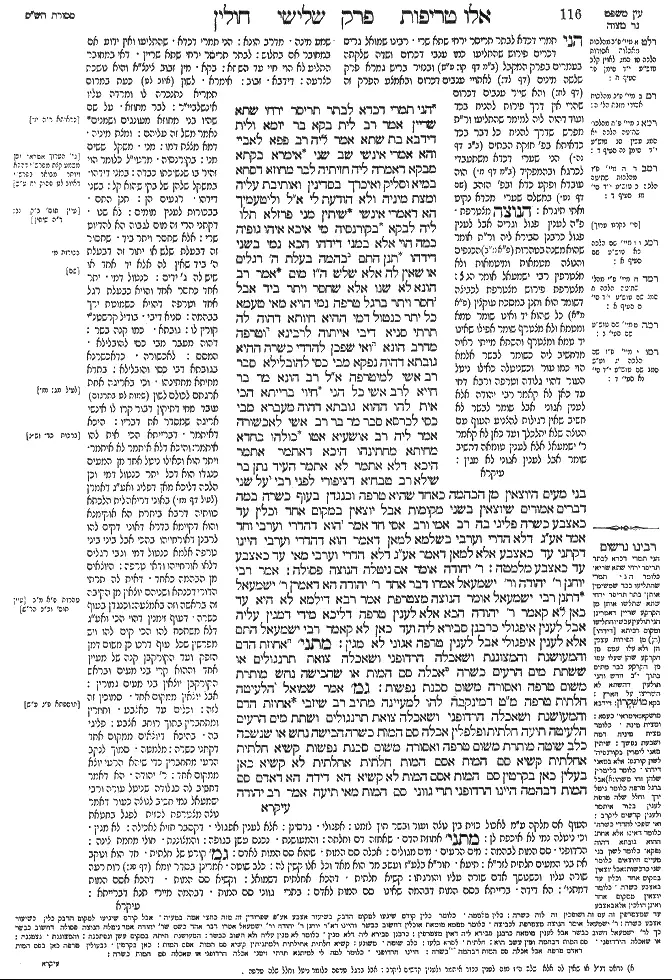
Hullin 58b - Guemara
הני תמרי דכדא לבתר תריסר ירחי שתא שריין אמר רב לית בקא בר יומא ולית דידבא בת שתא אמר ליה רב פפא לאביי והא אמרי אינשי שב שני אימרא בקתא מבקא דאמרה ליה חזיתיה לבר מחוזא דסחא במיא וסליק ואיכרך בסדינין ואותיבת עליה ומצת מיניה ולא הודעת לי א"ל וליטעמיך הא דאמרי אינשי שיתין מני פרזלא תלו ליה לבקא בקורנסיה מי איכא איהו גופיה כמה הוי אלא במני דידהו הכא נמי בשני דידהו תנן התם בהמה בעלת ה' רגלים או שאין לה אלא שלש ה"ז מום אמר רב הונא לא שנו אלא שחסר ויתר ביד אבל חסר ויתר ברגל טרפה נמי הויא מאי טעמא כל יתר כנטול דמי ההיא חיותא דהוה לה תרתי סניא דיבי אייתוה לרבינא וטרפה מדרב הונא ואי שפכן להדדי כשרה ההיא גובתא דהוה נפקא מבי כסי להובלילא סבר רב אשי למיטרפה א"ל רב הונא מר בר חייא לרב אשי כל הני חיוי ברייתא הכי אית להו ההוא גובתא דהוה מעברא מבי כסי לכרסא סבר מר בר רב אשי לאכשורה אמר ליה רב אושעיא אטו כולהו בחדא מחיתא מחתינהו היכא דאתמר אתמר היכא דלא אתמר לא אתמר העיד נתן בר שילא רב טבחיא דציפורי לפני רבי על שני בני מעים היוצאין מן הבהמה כאחד שהיא טרפה וכנגדן בעוף כשרה במה דברים אמורים שיוצאין בשני מקומות אבל יוצאין במקום אחד וכלין עד כאצבע כשרה פליגי בה רב אמי ורב אסי חד אמר הוא דהדרי וערבי וחד אמר אע"ג דלא הדרי וערבי בשלמא למאן דאמר הוא דהדרי וערבי היינו דקתני עד כאצבע אלא למאן דאמר אע"ג דלא הדרי וערבי מאי עד כאצבע עד כאצבע מלמטה:
ר' יהודה אומר אם ניטלה הנוצה פסולה:
אמר רבי יוחנן ר' יהודה ור' ישמעאל אמרו דבר אחד ר' יהודה הא דאמרן ר' ישמעאל דתנן רבי ישמעאל אומר הנוצה מצטרפת אמר רבא דילמא לא היא עד כאן לא קאמר ר' יהודה הכא אלא לענין טרפה דליכא מידי דמגין עליה אבל לענין איפגולי כרבנן סבירא ליה ועד כאן לא קאמר רבי ישמעאל התם אלא לענין איפגולי אבל לענין טרפה אגוני לא מגין:
מתני׳ אחוזת הדם והמעושנת והמצוננת ושאכלה הרדופני ושאכלה צואת תרנגולים או ששתת מים הרעים כשרה אכלה סם המות או שהכישה נחש מותרת משום טרפה ואסורה משום סכנת נפשות:
גמ׳ אמר שמואל הלעיטה חלתית טרפה מ"ט דמינקבה להו למעיינה מתיב רב שיזבי אחוזת הדם והמעושנת ושאכלה הרדופני ושאכלה צואת תרנגולים ושתת מים הרעים הלעיטה תיעה חלתית ופלפלין אכלה סם המות כשרה הכישה נחש או שנשכה כלב שוטה מותרת משום טרפה ואסורה משום סכנת נפשות קשיא חלתית אחלתית קשיא סם המות אסם המות חלתית אחלתית לא קשיא כאן בעלין כאן בקרטין סם המות אסם המות לא קשיא הא דידה הא דאדם סם המות דבהמה היינו הרדופני תרי גווני סם המות מאי תיעה אמר רב יהודה
Comments from Rashi on Masechet Hullin Page 58b
הני תמרי דכדא . שהתליעו ואין ידוע אם במחובר אם בתלוש: לבתר תריסר ירחי שתא שריין . דאי במחובר התליע לא הוי חיי עד השתא: בקא . מין זבוב צינציל"א והיא נושכת כצרעה: דידבא . זבוב: אימרא . לשון (איוב לט) כעת במרום תמריא. נתנכרה לו ומרדה עליו אינשלביי"ר: לבר מחוזא . על שם שהיו בני מחוזא מעונגים ושמנים נאמר משל זה עליהם: ומצת מיניה . דמא. מצצת דמו: מני . משקל ששים מני: בקורנסיה . מרטי"ל. כלומר הוי זהיר בו שנשיכתו כבדה: במני דידהו . במשקל שלהן של בקי שהוא קל: בשני דידהו . רגעים הן: תנן התם . בבכורות לענין מומים: לא שנו . דקתני הרי זה מום לגבוה הא להדיוט שרי: אלא שחסר ויתר ביד . שחסור זה דבעלת שלש או יתור זה דבעלת ה' ביד שאין לה אלא יד אחד או שיש לה ג' ידים: כנטול דמי . יתר אחד כחסר אחד והויא כבעלת רגל אחד וטרפה דהויא כשמוטת ירך בבהמה: סניא דיבי . בודי"ל קרשטניי"א קורין לו: גובתא . כמו קנה בשר: דהוה מעבר מבי כסי להובלילא . המסס: לאכשורה . כדאכשרנא בגובתא דבי כסי והובלילא: בחדא מחיתא מחתינהו . וכי באריגה אחת ארגתם לכולם לשון (שמות לט בתרגום) עובד מחי. דתיקון דבור קרו לו אינשי אריגה שמסדר את דבריו: היכא דאיתמר . דברייתא הכי אית להו איתמר: והיכא דלא איתמר לא איתמר . ויתר הוא וכאילו ניטל אחד מן המעים כנגדו הוא דכל יתר כנטול דמי וכן הלכה דליכא מאן דפליג. ואע"ג דאמרן (לעיל חולין דף מז.) באוני דריאה לית הלכתא כוותיה דרבא ביתרת הא אוקימנא והוא דקיימא בדרא דאוני דקים להו לרבנן דאורחייהו בהכי אבל ביני ביני טרפה אלמא כנטול דמי וגבי רגלים דלאו אורחייהו ודאי טרפה: היוצאים מן הבהמה כאחד . דאית לה תרתי הדורי דכנתא ושניהם יוצאין מן הקיבה זה בראשה וזה באמצעה: וכנגדן בעוף כשרה . דעוף זימנין דהוי הכי ואע"ג דלא משתכח להו הכי קים להו. ויש מפרשין שכל עוף דרכו כן משום דמן הזפק ועד הקורקבן קנה של מעיין אחד וההוא קרי בני מעים ובראש הקורקבן יוצאין בני מעים גמורין: אבל יוצאין ממקום אחד . סמוכין זה לזה: וכלים עד כאצבע . וחוזרין ומתחברין בתוך רוחב אצבע: פליגי בה . בהיכא דיוצאים ממקום אחד דקתני כשרה: מלמטה . סמוך לנקב הרעי מתחברין כדי שיהא הרעי יוצא ממקום אחד: ר' יהודה . הא דאמר דחשיב לה כגלודה שניטל עורה ורבי ישמעאל נמי חשיב לנוצה כעור דאמר נוצה מצטרפת לכזית לפגל בחטאת העוף אם מלקה ע"מ לאכול כזית בין נוצה ועור ובשר חוץ לזמנו: אפגולי . גרסינן: אלא לענין אפגולי . דקסבר חזיא לאכילה: לא מגין . וכי ניטלה נמי לא איכפת לן: מתני' אחוזת הדם . שאחזה דם וחלתה: והמעושנת . נכנס עשן בגופה: והמצוננת . חולי מחמת צינה: הרדופני . סם המות לבהמה: מים הרעים . מים מגולים: אכלה סם המות . שהוא סם המות לאדם: גמ' קורט של חלתית . חד הוא ונוקב את בני המעים. חלתית לזר"א: תיעא . תור"א בלע"ז ועשב מר הוא מאד וכל אלו קשין לה: כלב שוטה . אמרינן בסדר יומא (דף פג:) רוח רעה שורה עליו וכשנושך אדם שורה עליו והורגתו: קשיא חלתית . דהכא אחלתית דשמואל: וקשיא סם המות . דהכא אסם המות דמתני': הא דידה . ברייתא בסם המות דבהמה שאינו סם המות לאדם: בתרי גווני סם המות . דבהמה מיירי תנא דברייתא:
Comments from Tosafot - Hullin 58b
הני תמרי דכדא לבתר תריסר ירחי שתא שרי . רבינו שמואל גריס דכרים פירוש שהתליעו כמו ענבי דכרום ושדה שלקתה בעמרים בפרק המקבל (ב"מ דף קו: ע"ש) ובנזיר בריש גמרא פרק שלשה מינים (דף לד:) לאתויי ענבים דכרום ובאמצע הפרק זה (דף לח:) והא שייר ענבים דכרום שהרי אין דרך פירות להניח בכד ועוד דהוה ליה למימר שהתליעו ור"ת מפרש שדרך להניח כל דבר בכד כדאיתא בפ' חזקת הבתים (ב"ב דף נה.) הני שערי דכדא משתעבדי לכרגא ובהמפקיד (ב"מ דף מ.) הוה עובדא ופקע כדא ובפ' הזהב (שם דף נט.) במשלם שערי מכדא נקיט ואתי תיגרא: הנוצה מצטרפת . פ"ה לענין פגול וגריס אבל לענין פגול כרבנן סבירא ליה ור"ת אומר שהוא משנה בטהרות (פ"א מ"ב) הכנפים והנוצה מטמאות ומיטמאות ולא מצטרפין רבי ישמעאל אומר הנוצה מצטרפת פירוש מצטרפת לכביצה דשומר הוא ותנן במסכת עוקצין (פ"א מ"א) כל שהוא יד ואינו שומר טמא ומטמא ולא מצטרף שומר אפילו שאינו יד טמא ומצטרף והשתא מייתי ראיה מדחשיב ליה כשומר לבשר אלמא הוי כמו עור וכשניטלה כאילו ניטל העור דהוי גלודה וטרפה ורבא דחי עד כאן לא קאמר רבי יהודה אלא לענין אגוני אבל שומר לבשר לא חשיב שאין רגילות להצניע העוף עם הנוצה שלא יתלכלך ועד כאן לא קאמר ר' ישמעאל אלא לענין טומאה דחשיב שומר אבל לענין אגוני לא מגין:
Hullin 58b - Mishnah translated into english
These dates stored in a jar are permitted after remaining there for twelve months of the year. Since worms have no bones, they cannot last twelve months. Consequently, any worms found in the dates must have hatched after they were picked and are therefore permitted.
Rav says: There is no one-day-old mosquito, since all mosquitoes die before they have lived a day. And there is no one-year-old fly.
Rav Pappa said to Abaye: But isn’t there the adage that people say that the female mosquito revolted against the male mosquito seven years, since she said to him: I saw a townsman swimming in the water, and he came out and wrapped himself in sheets, and you sat on him and sucked blood from him, and you did not inform me? Apparently, some boneless creatures can survive at least seven years. Abaye said to him: And according to your reasoning, what about that adage that people say: Six thousand iron dinars hang in a mosquito’s mallet, i.e., its bite is powerful? Is there really such a thing? How much does the mosquito itself weigh? Rather, the saying must be referring to hundreds of their own dinars, i.e., the mosquitoes’ coins. Here, too, the adage is referring to their own years, not human years.
§ We learned in a mishna elsewhere (Bekhorot 40a): With regard to an animal with five legs, or one that has only three, this is a blemish, and the animal may not be brought as an offering. Rav Huna said: They taught this halakha only in a case where the animal was missing or had an additional foreleg. But if it was missing or had an additional hind leg, it is also a tereifa. What is the reason? It is that any extra limb is considered like a removed limb. An animal whose foreleg was removed is kosher, but if its hind leg was removed it is a tereifa; the same applies if it had an extra leg.
The Gemara recounts the case of a certain animal that had two ceca. They brought it to Ravina, and he deemed it a tereifa based on the statement of Rav Huna that an extra limb is like a missing limb. Since an animal missing a cecum is a tereifa, an animal with an extra cecum is likewise a tereifa. The Gemara adds: But if they empty into each other, such that food can move freely between them, the animal is kosher, because they are considered one organ.
The Gemara recounts the case of a certain tube that exited from the reticulum into the omasum. Rav Ashi thought to deem the animal a tereifa. Rav Huna Mar bar Ḥiyya said to Rav Ashi: All animals that dwell outside have tubes like this, and one need not be concerned.
The Gemara recounts the case of a certain tube that passed from the reticulum to the rumen. Mar bar Rav Ashi thought to deem the animal kosher, as in the above case. Rav Oshaya said to him: Is that to say all such cases are woven in one weave? Where it was stated that such an organ is normal, it was stated; where it was not stated, it was not stated. This animal is a tereifa.
Natan bar Sheila, head of the butchers of Tzippori, testified before Rabbi Yehuda HaNasi about two intestines that exit the abomasum of the animal as one, that this renders the animal a tereifa. But if this phenomenon occurs likewise in a bird, it is kosher, because it is common in birds. In what case is this statement said, i.e., that two intestines render an animal a tereifa? It is said in a case where they exit at two different points. But if they exit at one point, adjacent to each other, and they end, i.e., they merge into one intestine, within a fingerbreadth, the animal is kosher.
Rav Ami and Rav Asi disagree with regard to this halakha. One says: It is kosher when the two intestines exit at one point only in a case where they subsequently merge into one intestine; and one says: It is kosher even if they do not subsequently merge.
The Gemara asks: Granted, according to the one who says that it is kosher only in a case where they subsequently merge, this explanation is consistent with that which the baraita teaches: Within a fingerbreadth. That is, the two intestines must merge within a fingerbreadth for the animal to be kosher. But according to the one who says: It is kosher even if they do not subsequently merge, what is the meaning of the phrase: And they end within a fingerbreadth? The Gemara responds: It means within a fingerbreadth below. As long as the intestines merge before the final fingerbreadth near the anus, the animal is kosher.
§ The mishna states: Rabbi Yehuda says: If the down covering its body was removed, it is a tereifa and unfit for consumption, like an animal whose hide was removed. With regard to this, Rabbi Yoḥanan says: Rabbi Yehuda and Rabbi Yishmael said the same thing. Rabbi Yehuda said that which we said here, that the removal of the feathers is like removal of the hide. Rabbi Yishmael agrees, as we learned in a baraita: Rabbi Yishmael says: The down joins the flesh to constitute an olive-bulk for purposes of piggul. If a priest pinches the nape of the neck of a bird with intent to consume a combined olive-bulk of its meat and its down beyond the permitted time, the offering is rendered piggul. Evidently, both Rabbi Yehuda and Rabbi Yishmael agree that the down of a bird is considered like the hide of an animal.
Rava said: Perhaps it is not so, and they disagree. Perhaps Rabbi Yehuda says that the down is like the hide of an animal here only with regard to a tereifa, since when the down is removed, there is nothing that protects the bird, and its life is in danger; but with regard to piggul, he holds in accordance with the opinion of the Rabbis that the down is not treated like the hide of an animal, because piggul applies only if one had intent to consume an item that is normally consumed. And perhaps Rabbi Yishmael says so there only with regard to piggul, since he holds that the down is in fact fit for consumption; but with regard to a tereifa, he holds that the down does not protect the bird, and its removal does not endanger it.
MISHNA: With regard to an animal that is congested with excess blood, or that was smoked, i.e., that suffered from smoke inhalation, or that was chilled and subsequently became sick, or that ate oleander, which is poisonous, or that ate the excrement of chickens, or that drank foul water, although in all these cases the animal is in danger, it is kosher. By contrast, if the animal ate deadly poison, or if a snake bit the animal, with regard to the prohibition of tereifa, consumption of the animal would be permitted, but it is prohibited due to the threat to one’s life if he eats it.
GEMARA: Shmuel says: If one fed an animal asafoetida, a very sharp plant, it is a tereifa. What is the reason? Since it perforates its intestines.
Rav Sheizvi raises an objection from a baraita: An animal that is congested with excess blood, or that suffered from smoke inhalation, or that ate poisonous oleander, or that ate the excrement of roosters, or that drank foul water, or if one fed it tia, asafoetida, or peppers, or if it ate deadly poison, it is kosher. But if a snake bit the animal, or if a mad dog bit it, with regard to the prohibition of tereifa its consumption is permitted, but it is nevertheless prohibited due to the threat to one’s life. The statement of the baraita concerning an animal that was fed asafoetida poses a difficulty to Shmuel’s statement that asafoetida renders the animal a tereifa, and the statement concerning deadly poison poses a difficulty to the mishna’s statement that deadly poison renders the animal prohibited due to the threat to one’s life.
The Gemara responds: The apparent contradiction between one statement about asafoetida and the other statement about asafoetida is not difficult. Here, the baraita is referring to a case where the animal ate asafoetida leaves, which are less dangerous. There, Shmuel is referring to a case where the animal ate slivers of asafoetida, which are very sharp. Likewise, the apparent contradiction between one statement about deadly poison and the other statement about deadly poison is not difficult. This statement of the baraita that it is permitted is referring to a case where the animal consumed poison that is deadly only to itself. That statement of the mishna that it is prohibited is referring to a case where it consumed poison deadly to a person. The Gemara asks: Poison deadly to an animal is the same as oleander; why should the baraita mention both? The Gemara responds: The tanna is referring to two types of deadly poison.
The above baraita teaches that if an animal was fed tia, it is kosher. The Gemara asks: What is tia? Rav Yehuda said:
Traduction : The William Davidson digital edition of the Koren Noé Talmud, with commentary by Rabbi Adin Even-Israel Steinsaltz.