 Talmud Bavli
The learning on the whole site is dedicated : L'ilui Nishmat Chemouel Eliezer ben Batcheva
The learning on the whole site is dedicated : L'ilui Nishmat אסתר בת חיים
The learning on the whole site is dedicated : L'ilui Nishmat Jacques Isaac Ben Amram Loubaton
Hullin 57b : Youtube
Rabbi Dr. Moshe WeisblumYoutube
1 video class :
Hullin Page 57b
Hullin 57b - Guemara
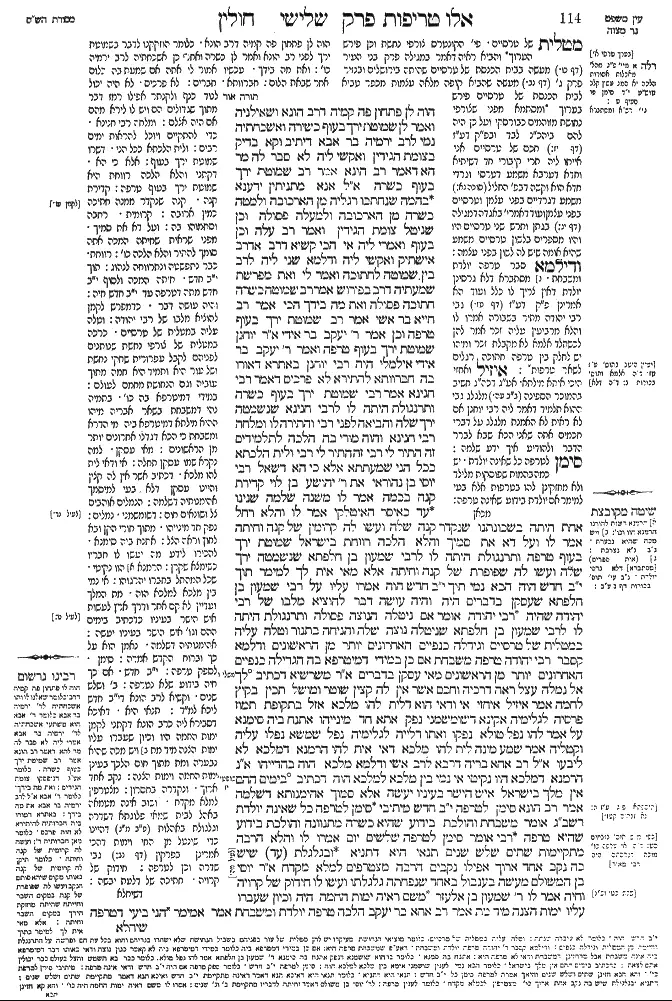
הוה לן פתחון פה קמיה דרב הונא ושאילניה ואמר לן שמוטת ירך בעוף כשירה ואשכחתיה נמי לרבי ירמיה בר אבא דיתיב וקא בדיק בצומת הגידין ואקשי ליה לא סבר לה מר הא דאמר רב הונא אמר רב שמוטת ירך בעוף כשרה א"ל אנא מתניתין ידענא בהמה שנחתכו רגליה מן הארכובה ולמטה כשרה מן הארכובה ולמעלה פסולה וכן שניטל צומת הגידין ואמר רב עלה וכן בעוף ואמרי ליה אי הכי קשיא דרב אדרב אישתיק ואקשי ליה ודלמא שני ליה לרב בין שמוטה לחתוכה ואמר לי ואת מפרשת שמעתיה דרב בפירוש אמר רב שמוטה כשרה חתוכה פסולה ואת מה בידך הכי אמר רב חייא בר אשי אמר רב שמוטת ירך בעוף טרפה וכן אמר ר' יעקב בר אידי א"ר יוחנן שמוטת ירך בעוף טרפה ואמר ר' יעקב בר אידי אילמלי הוה רבי יוחנן באתרא דאורו בה חברוותא להתירא לא פרכיס דאמר רבי חנינא אמר רבי שמוטת ירך בעוף כשרה ותרנגולת היתה לו לרבי חנינא שנשמטה ירך שלה והביאה לפני רבי והתירה לו ומלחה רבי חנינא והוה מורי בה הלכה לתלמידים זה התיר לי רבי זה התיר לי רבי ולית הלכתא ככל הני שמעתתא אלא כי הא דשאל רבי יוסי בן נהוראי את ר' יהושע בן לוי קדירת קנה בכמה אמר לו משנה שלמה שנינו עד כאיסר האיטלקי אמר לו והלא רחל אחת היתה בשכונתנו שנקדר קנה שלה ועשו לה קרומין של קנה וחיתה אמר לו ועל דא את סמיך והלא הלכה רווחת בישראל שמוטת ירך בעוף טרפה ותרנגולת היתה לו לרבי שמעון בן חלפתא שנשמטה ירך שלה ועשו לה שפופרת של קנה וחיתה אלא מאי אית לך למימר תוך י"ב חדש הוה הכא נמי תוך י"ב חדש הוה אמרו עליו על רבי שמעון בן חלפתא שעסקן בדברים היה והיה עושה דבר להוציא מלבו של רבי יהודה שהיה רבי יהודה אומר אם ניטלה הנוצה פסולה ותרנגולת היתה לו לרבי שמעון בן חלפתא שניטלה נוצה שלה והניחה בתנור וטלה עליה במטלית של טרסיים וגידלה כנפיים האחרונים יותר מן הראשונים ודלמא קסבר רבי יהודה טרפה משבחת אם כן במידי דמיטרפא בה הגדילה כנפיים האחרונים יותר מן הראשונים מאי עסקן בדברים א"ר משרשיא דכתיב (משלי ו, ו) לך אל נמלה עצל ראה דרכיה וחכם אשר אין לה קצין שוטר ומושל תכין בקיץ לחמה אמר איזיל איחזי אי ודאי הוא דלית להו מלכא אזל בתקופת תמוז פרסיה לגלימיה אקינא דשומשמני נפק אתא חד מינייהו אתנח ביה סימנא על אמר להו נפל טולא נפקו ואתו דלייה לגלימיה נפל שמשא נפלו עליה וקטליה אמר שמע מינה לית להו מלכא דאי אית להו הרמנא דמלכא לא ליבעו א"ל רב אחא בריה דרבא לרב אשי ודלמא מלכא הוה בהדייהו א"נ הרמנא דמלכא הוו נקיטי אי נמי בין מלכא למלכא הוה דכתיב (שופטים יז, ו) בימים ההם אין מלך בישראל איש הישר בעיניו יעשה אלא סמוך אהימנותא דשלמה אמר רב הונא סימן לטרפה י"ב חדש מיתיבי סימן לטרפה כל שאינה יולדת רשב"ג אומר משבחת והולכת בידוע שהיא כשרה מתנוונה והולכת בידוע שהיא טרפה רבי אומר סימן לטרפה שלשים יום אמרו לו והלא הרבה מתקיימות שתים שלש שנים תנאי היא דתניא ובגלגלת (עד) שיש בה נקב אחד ארוך אפילו נקבים הרבה מצטרפים למלא מקדח א"ר יוסי בן המשולם מעשה בענבול באחד שנפחתה גלגלתו ועשו לו חידוק של קרויה וחיה אמר לו ר' שמעון בן אלעזר משם ראיה ימות החמה היה וכיון שעברו עליו ימות הצנה מיד מת אמר רב אחא בר יעקב הלכה טרפה יולדת ומשבחת אמר אמימר הני ביעי דטרפה
Comments from Rashi on Masechet Hullin Page 57b
הוה לן פתחון פה קמיה דרב הונא . כלומר הוזקקנו לדבר בשמוטת ירך לפני רב הונא ואמר לן כשרה ואחרי כן אשכחתיה לרב ירמיה כו': ואת מה בידך . עכשיו אמור לי אתה אם שמעת בה כלום אחר שבאת הלום: חברוותא . חברים: לא פרכיס . לא היה יכול לנוד כנף ולקנתר אפילו רמז דבר מתוך שגדולים הם ויש לו לירא מהם אם היה אצלם: ומלחה רבי חנינא . כדי להתקיים ויוכל להראות ימים רבים: ולית הלכתא ככל הני . דשרו שמוטת ירך בעוף: אלא כי הא . דקתני והלא הלכה רווחת היא שמוטת ירך בעוף טרפה: קדירת קנה . קנה שנקדר ממנה חתיכה כמין ארובה: קרומית . רחבה וסתמוהו בה: ועל דא את סמיך . מפני שראית שחיתה המכה אתה סומך להתיר והלא הלכה כו': רווחת . כבר נתפשטה ונתרווחה לנהוג: תוך י"ב חדש . חיתה המכה ולסוף י"ב חדש מתה דטרפה עד י"ב חדש חיה: והיה עושה דבר . כדמפרש לקמן להוציא מלבו של רבי יהודה: וטלה עליה במטלית של טרסיים . כרכה במטלית של צורפי נחשת שנותנים לפניהם לקבל עפרורית שחקי נחשת ושל עור היא ותמיד היא חמה מתוך עוביה וגם הנחושת מחמם לעולם: במידי דמיטרפא בה כו' . בתמיה. נהי דמשבחת בשאר אבריה מיהו ההיא מילתא דמיטרפא ביה מי הדרא ומשבחת כי הכא דגדלו אחרונים יותר מן הראשונים: מאי עסקן . למה נקרא שמו עסקן תחלה: אי ודאי לית להו מלכא . דכתיב אשר אין לה קצין והיינו עסקן דלא בעי למיסמך אהימנותיה דשלמה: הנמלים אוהבים צל ושונאים חום: דשומשמני . נמלים: נפק חד מינייהו . מתוך חורי הקן ובא לחוץ וראה הצל: אתנח ביה סימנא . להכירו לידע מה יעשו לו חבריו כשימצא שקרן: הרמנא הוו נקיטי . שכל המהתל בחברו יהרגוהו: אי נמי בין מלכא למלכא הוה . מת המלך ועדיין לא קם אחר ודרך ארץ לעשות איש הישר בעיניו כדכתיב בימים ההם וגו' איש הישר בעיניו יעשה: אהימנותיה דשלמה . נאמן הוא על כך וברוח הקדש אמרה: סימן . לספק טרפה: י"ב חדש . אם כך חיה בידוע שלא נטרפה: ב' ושלש שנים . וקשיא לרב הונא די"ב חדש ליכא למ"ד: תנאי היא . דאיכא דסבירא ליה כרב הונא דקתני לקמן ימות החמה היו וכיון שעברו עליו ימות הצנה מיד מת ויש מכה שהיא נבערה ומת מתוך חום הלכך בעינן ימות החמה וימות הצנה: נקב אחד ארוך . ונקדרה בחסרון: מצטרפין למלא מקדח . ושוב אינה מטמאה באהל לבית שמאי. פלוגתא דשדרה וגלגולת באהלות (פ"ב מ"ג) דהיינו כדי שינטל מן החי וימות דהכי אמרינן בפרקין (דף נב:) גבי שדרה וכן לטרפה: חידוק של קרויה . חתיכה של דלעת יבשה:
Comments from Tosafot - Hullin 57b
מטלית של טרסיים . פי' הקונטרס צורפי נחשת וכן פירש הערוך והביא ראיה דאמר במגילה פרק בני העיר (דף כו.) מעשה בבית הכנסת של טרסיים שהיתה בירושלים ובנזיר פרק ג' (דף נב.) מעשה שהביא קופה מלאה עצמות מכפר טביא לבית הכנסת של טרסיים פירש בערוך ומסתמא מפני שצורפי נחושת מזוהמים כבורסקי ועל כן היה להם ביהכ"נ לבד ובפ"ק דע"ז (דף יז:) חכם של טרסיים אני אייתו ליה תרי קיבורי חד דשיתיא וחדא דערבא משמע דטרסי וגרדי חדא הוא וקשה דבפ' החליל (סוכה נא:) משמע דגרדיים בפני עצמן וטרסיים בפני עצמן ועוד דאמרי' באגדה דמגילה (דף יג:) בגתן ותרש שני טרסיים היו והיו מספרים בלשון טרסיים משמע שהיא אומה שיש לה לשון בפני עצמה: ודילמא סבר טרפה יולדת ומשבחת . מסתברא דלא גרסינן יולדת דאין צריך לו כלל ועוד הא אמרינן פ"ק דע"ז (דף טז.) גבי רבי יהודה מתיר בשבורה אמרו לו והלא מרביעין עליה זכר אמר להן לכשתלד אלמא לא מקבלת זכר ומיהו יש לחלק בין טרפה חתוכה רגלים לשאר טרפות: איזיל ואחזי היכי איתא מילתא . אע"ג דכה"ג חשיב בהמוכר הספינה (ב"ב עה.) מלגלג גבי ההוא תלמיד דאמר ליה רבי יוחנן אם לא ראית לא האמנת מלגלג על דברי חכמים אתה שאני הכא שבא לברר הדבר ולהודיע איך ידע שלמה: סימן לטרפה כל שאינה יולדת . יש כמה בהמות שפוסקות מלילד ולא מחזקינן להו בטרפות אלא בעי למימר אם יולדת בידוע שאינה טרפה:
Hullin 57b - Mishnah translated into english
we had the opportunity to speak with Rav Huna, and we asked him about this matter, and he said to us: A dislocated femur in a bird is kosher.
And I also found Rabbi Yirmeya bar Abba sitting and inspecting birds at the convergence of sinews in the thigh. And I posed a difficulty to him: Doesn’t Master maintain in accordance with this statement that Rav Huna says that Rav says: A dislocated femur in a bird is kosher? Rabbi Yirmeya bar Abba said to me: I know the mishna (76a): With regard to an animal whose hind legs were severed, if they were severed from the leg joint and below, it is kosher; from the leg joint and above, it is a tereifa and unfit for consumption. And likewise an animal whose convergence of sinews in the thigh was removed is a tereifa. And Rav said about this: And likewise with regard to a bird.
And I said to him: If so, this statement of Rav poses a difficulty for that statement of Rav. Rabbi Yirmeya bar Abba was silent. And I challenged him: But perhaps there is a difference for Rav between a dislocated femur and a severed one. And he said to me: And are you interpreting Rav’s halakha based on your own reasoning? Rav said explicitly: A dislocated femur is kosher, while a severed femur renders the animal unfit for consumption.
Rabbi Abba then asked Rabbi Zeira: And as for you, what is in your hand? What have you heard with regard to this halakha? Rabbi Zeira said to him: This is what Rav Ḥiyya bar Ashi says that Rav says: A dislocated femur in a bird renders it a tereifa. And so said Rabbi Ya’akov bar Idi that Rabbi Yoḥanan said: A dislocated femur in a bird renders it a tereifa.
And with regard to this, Rabbi Ya’akov bar Idi said: If Rabbi Yoḥanan had been in the place where the assembly ruled to permit such a bird, he would not have stirred. In other words, he would not have contested their ruling, because they were the greatest Sages of the previous generation. As Rabbi Ḥanina says that Rabbi Yehuda HaNasi says: A dislocated femur in a bird is kosher. And Rabbi Ḥanina had a hen whose femur was dislocated, and he brought it before Rabbi Yehuda HaNasi, and Rabbi Yehuda HaNasi permitted it to him, and Rabbi Ḥanina salted the hen to preserve it. And he would teach the students the halakha with it, as he would show them the preserved body of the hen and say: Rabbi Yehuda HaNasi permitted this to me, Rabbi Yehuda HaNasi permitted this to me.
The Gemara concludes: But the halakha is not in accordance with any of these statements. Rather, it is in accordance with that which Rabbi Yosei ben Nehorai asked Rabbi Yehoshua ben Levi: In what amount must a windpipe be punctured to render the animal a tereifa? Rabbi Yehoshua ben Levi said to him: We learned a full mishna (54a): Until the perforation is the same size as the Italian issar. Rabbi Yosei ben Nehorai said to him: But wasn’t there a certain ewe in our neighborhood whose windpipe was punctured in a greater amount, and they made a seal for the windpipe out of the shell of a reed and it lived?
Rabbi Yehoshua ben Levi said to him: And do you rely on this incident as evidence? But isn’t it a widespread halakha among the Jewish people that a dislocated femur in a bird renders it a tereifa? And still, Rabbi Shimon ben Ḥalafta had a hen whose femur was dislocated, and they made it a support out of the tube of a reed and it lived. Rather, what have you to say about this case? It must have occurred within twelve months of the dislocation, and afterward the hen died, since no tereifa can live more than twelve months. Here, too, in the case of the punctured windpipe, the episode occurred within twelve months of the injury and the ewe later died.
§ They said about Rabbi Shimon ben Ḥalafta that he was a researcher of various matters, and he would act to counter the opinion of Rabbi Yehuda, as Rabbi Yehuda would say: If the down covering a bird’s body was removed, it is a tereifa and unfit for consumption, as stated in the mishna. And Rabbi Shimon ben Ḥalafta had a hen whose down was removed, and he placed it in an oven, a warm place, and he covered it with a Coppersmiths’ [tarsiyyim] apron, and its new, i.e., rehabilitated, wings grew even more feathers than the original wings.
The Gemara asks: But how does this counter Rabbi Yehuda’s opinion? Perhaps Rabbi Yehuda holds that a tereifa can live and that its health can even improve beyond its previous state. The Gemara responds: Even if this is so, would Rabbi Yehuda say so with regard to the very thing with which it was rendered a tereifa, as is the case here, where it grew new wings with more feathers than the original wings?
The Gemara asks: From what episode did Rabbi Shimon ben Ḥalafta earn the title: Researcher of matters? Rav Mesharshiyya said: He saw that it is written: “Go to the ant, you sluggard; consider her ways, and be wise; which having no chief, overseer, or ruler, provides her bread in the summer” (Proverbs 6:6–8). Rabbi Shimon ben Ḥalafta said: I will go and see if it is correct that they have no king.
He went in the season of Tammuz, i.e., summer. Knowing that ants avoid intense heat, he spread his cloak over an ant hole to provide shade. One of the ants came out and saw the shade. Rabbi Shimon placed a distinguishing mark on the ant. It went into the hole and said to the other ants: Shade has fallen. They all came out to work. Rabbi Shimon lifted up his cloak, and the sun fell on them. They all fell upon the first ant and killed it. He said: One may learn from their actions that they have no king; as, if they had a king, would they not need the king’s edict [harmana] to execute their fellow ant?
Rav Aḥa, son of Rava, said to Rav Ashi: But perhaps the king was with them at the time and gave them permission. Or perhaps they already possessed the king’s edict giving them license to kill the ant. Or perhaps it was an interregnum between kings, as it is written: “In those days there was no king in Israel; every man did that which was right in his own eyes” (Judges 17:6). Rather, rely on the credibility of Solomon, the author of Proverbs, that ants have no king.
§ Rav Huna says: The sign of a tereifa is twelve months. If it is uncertain whether an animal is a tereifa, one may wait twelve months; if the animal survives, it is kosher. The Gemara raises an objection from a baraita: The sign of a tereifa is any animal that cannot give birth. Rabban Shimon ben Gamliel says: If its health improves continuously, it is certainly kosher; if its health deteriorates continuously, it is certainly a tereifa. Rabbi Yehuda HaNasi says: The sign of a tereifa is any animal that does not survive thirty days. The Sages said to him: But don’t many animals that are certainly tereifot survive two or three years? None of the opinions cited in the baraita accord with Rav Huna’s statement.
The Gemara responds: The matter is a dispute between tanna’im, as it is taught in a baraita: And in a skull that contains one long hole, or even if it has many holes, the areas of the holes join together to constitute the size of a drill hole, and they render the animal a tereifa. Rabbi Yosei ben HaMeshullam said: There was an incident in a place called Inbul involving one whose skull was missing a piece, and they made for him a patch out of the shell of a gourd, and he survived. Therefore, an animal with a missing piece of skull cannot be a tereifa. Rabbi Shimon ben Elazar said to him: Can you bring proof from there? It was summer then, and once winter came upon him he died immediately. Rabbi Shimon ben Elazar holds that an animal is a tereifa if it does not survive through summer and winter, i.e., one year. Rav Huna’s statement accords with this opinion.
Rav Aḥa bar Ya’akov says: The halakha is that a tereifa can give birth and its health can even improve. If the animal appears to recover or gives birth, this does not prove it is not a tereifa. Ameimar says: With regard to these eggs of a tereifa bird,
Traduction : The William Davidson digital edition of the Koren Noé Talmud, with commentary by Rabbi Adin Even-Israel Steinsaltz.