 Talmud Bavli
Hullin 39b : Youtube
Rabbi Dr. Moshe WeisblumYoutube
1 video class :
Hullin Page 39b
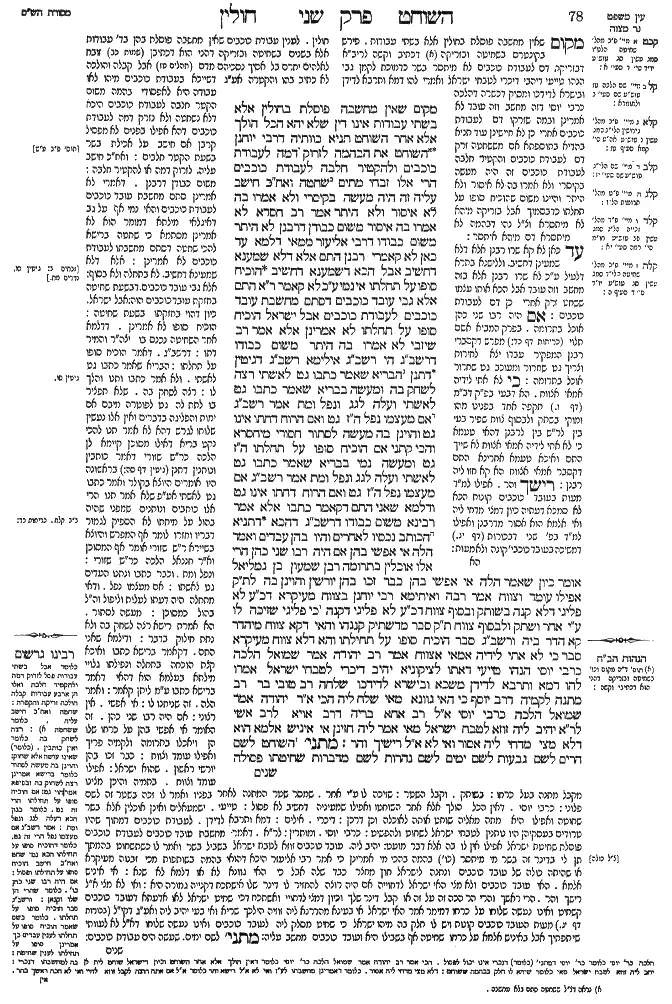
Hullin 39b - Guemara
מקום שאין מחשבה פוסלת בחולין אלא בשתי עבודות אינו דין שלא יהא הכל הולך אלא אחר השוחט תניא כוותיה דרבי יוחנן השוחט את הבהמה לזרוק דמה לעבודת כוכבים ולהקטיר חלבה לעבודת כוכבים הרי אלו זבחי מתים שחטה ואח"כ חישב עליה זה היה מעשה בקיסרי ולא אמרו בה לא איסור ולא היתר אמר רב חסדא לא אמרו בה איסור משום כבודן דרבנן לא היתר משום כבודו דרבי אליעזר ממאי דלמא עד כאן לא קאמרי רבנן התם אלא דלא שמענא דחשיב אבל הכא דשמענא דחשיב הוכיח סופו על תחלתו אי נמי ע"כ לא קאמר ר"א התם אלא גבי עובד כוכבים דסתם מחשבת עובד כוכבים לעבודת כוכבים אבל ישראל הוכיח סופו על תחלתו לא אמרינן אלא אמר רב שיזבי לא אמרו בה היתר משום כבודו דרשב"ג הי רשב"ג אילימא רשב"ג דגיטין דתנן הבריא שאמר כתבו גט לאשתי רצה לשחק בה ומעשה בבריא שאמר כתבו גט לאשתי ועלה לגג ונפל ומת אמר רשב"ג אם מעצמו נפל ה"ז גט ואם הרוח דחתו אינו גט והוינן בה מעשה לסתור חסורי מיחסרא והכי קתני אם הוכיח סופו על תחלתו ה"ז גט ומעשה נמי בבריא שאמר כתבו גט לאשתי ועלה לגג ונפל ומת אמר רשב"ג אם מעצמו נפל ה"ז גט ואם הרוח דחתו אינו גט ודלמא שאני התם דקאמר כתבו אלא אמר רבינא משום כבודו דרשב"ג דהכא דתניא הכותב נכסיו לאחרים והיו בהן עבדים ואמר הלה אי אפשי בהן אם היה רבו שני כהן הרי אלו אוכלין בתרומה רבן שמעון בן גמליאל אומר כיון שאמר הלה אי אפשי בהן כבר זכו בהן יורשין והוינן בה לת"ק אפילו עומד וצווח אמר רבה ואיתימא רבי יוחנן בצווח מעיקרא דכ"ע לא פליגי דלא קנה בשותק ובסוף צווח דכ"ע לא פליגי דקנה כי פליגי שזיכה לו ע"י אחר ושתק ולבסוף צווח ת"ק סבר מדשתיק קננהו והאי דקא צווח מיהדר קא הדר ביה ורשב"ג סבר הוכיח סופו על תחילתו והא דלא צווח מעיקרא סבר כי לא אתי לידיה אמאי אצווח אמר רב יהודה אמר שמואל הלכה כרבי יוסי הנהו טייעי דאתו לציקוניא יהיב דיכרי לטבחי ישראל אמרו להו דמא ותרבא לדידן משכא ובישרא לדידכו שלחה רב טובי בר רב מתנה לקמיה דרב יוסף כי האי גוונא מאי שלח ליה הכי א"ר יהודה אמר שמואל הלכה כרבי יוסי א"ל רב אחא בריה דרב אויא לרב אשי לר"א יהיב ליה זוזא לטבח ישראל מאי אמר ליה חזינן אי איניש אלמא הוא דלא מצי מדחי ליה אסור ואי לא א"ל רישיך והר:
מתני׳ השוחט לשם הרים לשם גבעות לשם ימים לשם נהרות לשם מדברות שחיטתו פסולה
Comments from Rashi on Masechet Hullin Page 39b
חולין . לענין עבודת כוכבים שאין מחשבה פוסלת בהן בד' עבודות אלא בשנים בשחיטה ובזריקה דהני הוא דכתיבן (שמות כב) זובח לאלהים יחרם בל אסיך נסכיהם מדם (תהלים טז) אבל קבלה והולכה לא כתיב בהו והקטרה אע"ג דשייכא בעבודת כוכבים מיהו לאו עבודה היא לאפסודי בהמה משום הקטר חלבה לעבודת כוכבים היכא דלא נשחטה ולא נזרק דמה לעבודת כוכבים דהא אפילו בפנים לא מפסיל קרבן אם חישב על אכילת בשר בשעת הקטר חלבים: ואח"כ חישב עליה . לזרוק דמה או להקטיר חלבה: משום כבודן דרבנן . דאמרי לא אמרינן סתם מחשבת עובד כוכבים לעבודת כוכבים והאי נמי אף על גב דאיגלאי מילתא דמומר הוא לא אמרינן מסתמא כי שחטה ברישא להכי שחטה דסתם מחשבתו לעבודת כוכבים לא אמרינן: אלא דלא שמעינא דחשיב . לא בתחלה ולא בסוף: אלא גבי עובד כוכבים . דבשעת שחיטה בחזקת עובד כוכבים הוה: אבל ישראל . כיון דהוי בחזקתו בשעת שחיטה: הוכיח סופו לא אמרינן . דדלמא אחר השחיטה נכנס בו יצה"ר והמיר דתו: דרשב"ג . דאמר הוכיח סופו על תחלתו: הבריא שאמר כתבו גט לאשתי . ולא אמר כתבו ותנו והלך לו: רצה לשחק בה . שלא תפציר בו לתת לה גט לפוטרה מיבם אם ימות והפליגה בדברים ואין אלו נעשין שלוחו לגרש דהא לא אמר תנו. להכי נקט בריא דאילו מסוכן קיימא לן הלכה כר"ש שזורי דאמר כותבין ונותנין דתנן (גיטין דף סה:) בראשונה היו אומרים היוצא בקולר ואמר כתבו גט לאשתי אע"פ שלא אמר תנו הרי אלו כותבים ונותנים שמפני שהיה בהול על מיתתו לא הספיק לגמור דבריו וחזרו לומר אף המפרש והיוצא בשיירא ר"ש שזורי אומר אף המסוכן וא"ר חננאל הלכה כר"ש שזורי: ונפל ומת . וכבר כתבו ונתנו העדים גט לאשתו: אם מעצמו נפל . ודאי מתחלה היה דעתו לעלות וליפול וה"ל בהול כמסוכן: מעשה לסתור . הא אמרת רישא רצה לשחק בה ולא נתת חילוק בדבר: ודילמא שאני התם דקאמר . ברישא כתבו ואיכא קצת הוכחה בתחלה ונפילתו גלויי מילתא בעלמא הוא דהאי דאמר ברישא כתבו ע"מ ליתן קאמר: ואמר הלה . זה שניתנו לו: אי אפשי . אין רצוני: אם היה רבו שני כהן . זה האומר אי אפשי בהן על כרחו שלו הן ויאכלו בתרומה ולקמיה פריך ואפילו עומד וצווח: כבר זכו בהן יורשי ראשון . שהוא ישראל: אפילו עומד וצווח . בתמיה והיכן מצינו מקבל מתנה בעל כרחו: בשותק . וקבל השטר: שזיכה לו ע"י אחר . שמסר שטר המתנה לאחר בפניו ואמר לו זכה בשטר זה לשם פלוני: כרבי יוסי . דאין הכל הולך אלא אחר השוחטו ואפילו שמעיניה דחשיב לא פסיל: טייעי . ישמעאלים ואינן אוכלין אלא בשר שחוטה ואפילו היא מתה מאליה שוחט אותה לאוכלה וכן דרכן: דיכרי . אילים: דמא ותרבא לדידן . לעבודת כוכבים דמתוך שהיו טרודים בעסקיהן היו נותנין לטבחי ישראל לשחוט ולהפשיט: כרבי יוסי . ומותרין: לר"א . דאמר מחשבת עובד כוכבים לעבודת כוכבים פוסלת שחיטת ישראל אפילו אין לו בה אלא דבר מועט: יהיב ליה . עובד כוכבים זוזא לטבח ישראל בשביל בשר ואמר לו כשתשחוט בהמתך תן לי בדינר זה בשר מי מיתסר כו' בהמה בהכי מי אמרינן כי אמר רבי אליעזר היכא דהואי בהמה בשותפות מכי זבנוה מעיקרא או שהיתה כולה של עובד כוכבים ונתנה לישראל חוץ מחצר כבד שלה אבל כי האי גוונא לא או דלמא לא שנא: אי איניש אלמא . האי עובד כוכבים ולא מצי האי ישראל לדחוייה אם היה רוצה להחזיר לו דינר שלו אישתכח דקנייה גמורה היא: ואי לא מצי א"ל רישך והר . הרי ראשך והרי הר הכה זה על זה או קבל דינר שלך וכיון דמצי לדחויי ואשתכח דכי שחיט ישראל לאו אדעתא דעובד כוכבים קשחיט ואינו נעשה שלוחו על כרחו דמימר אמר האי ישראל אי בעינא מהדרנא ליה זוזיה הילכך שריא ואי בעי יהיב ליה ואע"ג דקי"ל (בכורות דף יג.) מעות העובד כוכבים קונות ויש לו חלק בה מיהו ישראל כי שחיט מסלק ליה לעובד כוכבים ואינו נעשה שלוחו דא"ל לא לעוותי שיתפתיך אבל באיניש אלמא על כרחו שחיטה אף בשבילו היא ועובד כוכבים מחשב עליה: מתני' לשם ימים . שעשה הים עבודת כוכבים:
Comments from Tosafot - Hullin 39b
מקום שאין מחשבה פוסלת בחולין אלא בשתי עבודות . פירש בקונטרס בשחיטה ובזריקה דכתיב וקשה לריב"א דבזריקת דם לעבודת כוכבים לא מיתסר בשר כדמוכח לקמן גבי הנהו טייעי דיהבי דיכרי לטבחי ישראל ואמרי להו דמא ותרבא לדידן ובישרא לדידכו ומסיק דכשרה דהלכה כרבי יוסי דזה מחשב וזה עובד לא אמרינן ובמה שזרקו דם לעבודת כוכבים אחרי כן לא חיישינן עוד תניא בהדיא בתוספתא אם מששחטה זרק דם לעבודת כוכבים והקטיר חלבה לעבודת כוכבים זה היה מעשה בקיסרי ולא אמרו בה לא איסור ולא היתר והיינו משום שהוכיח סופו על תחלתו כדבסמוך אבל בזריקה מיהא לא מיתסרא וצ"ל נהי דבהמה לא מיתסרא דם מיהא איתסר: עד כאן לא קא שרו רבנן אלא דלא שמעינן דחשיב . וללישנא בתרא דלעיל ע"כ לא שרו רבנן אלא בזה מחשב וזה עובד אבל הכא אותו עצמו ששחט זרק אחרי כן דם לעבודת כוכבים: אם היה רבו שני כהן אוכל בתרומה . בפרק המביא אשם תלוי (כריתות דף כד:) מפרש דקסברי רבנן המפקיר עבדו יצא לחירות וצריך גט שחרור ומעוכב גט שחרור אוכל בתרומה: כי לא אתי לידיה אמאי אצווח . הא דבעי בפ"ק דב"מ (דף ו.) תקפה אחד בפנינו מהו ומוקי בשתק ולבסוף צווח שפיר בעי בין לר"ש בין לרבנן דהאי טעמא כי לא אתי לידיה אמאי אצווח לא שייך התם ואיכא טעמא אחרינא התם דקסבר אמאי אצווח הא קא חזו ליה רבנן: רישך והר . אפילו למ"ד מעות בעובד כוכבים קונות הכא לא סמכא דעתיה כיון דמצי מדחי ליה ואי אלמא הוא אסור מדרבנן ואפילו למ"ד בפ' שני דבכורות (דף יג.) דמשיכה בעובד כוכבי' קונה ולא מעות:
Hullin 39b - Mishnah translated into english
then in a place where intent invalidates the slaughter in non-sacred animals slaughtered with intent for idol worship during performance of only two sacrificial rites, slaughter and sprinkling the blood, is it not right that everything should follow only the intent of the one who slaughters the animal?
It is taught in a baraita in accordance with the opinion of Rabbi Yoḥanan: With regard to one who slaughters an animal in order to sprinkle its blood for idol worship or to burn its fat for idol worship, the status of these animals is that of offerings to the dead, i.e., to idols, and the slaughter is not valid. If one slaughtered the animal and thereafter intended in its regard to sprinkle its blood or burn its fats for idol worship, that was the incident in Caesarea, and the Sages did not say anything with regard to the animal, neither prohibition nor permission.
Rav Ḥisda says in explanation of the conduct of the Sages that they did not say prohibition, due to the honor of the Rabbis in the mishna, who hold that the unspecified intent of a gentile, and presumably likewise of a Jew who worships idols, is not presumed to be directed to idol worship, and therefore his slaughter is valid. Nor did the Sages say permission, due to the honor of Rabbi Eliezer, who holds that the unspecified intent of a gentile, and presumably likewise of a Jew who worships idols, is presumed to be directed to idol worship.
The Gemara asks: From where is that conclusion drawn? Perhaps the Rabbis say that the slaughter is permitted only there in the mishna, because we did not hear explicitly that the gentile intends the slaughter for idol worship. But here in the case in the baraita, where we hear thereafter that he intends to sprinkle the blood or burn the fats for idol worship, perhaps his ultimate statement proves the nature of his original intent while performing the slaughter.
Alternatively, perhaps when Rabbi Eliezer states there in the mishna that slaughter performed on behalf of a gentile is not valid, this applies only with regard to an animal that is owned by a gentile, as the unspecified intent of a gentile is directed to idol worship. But in the case in the baraita where the animal belongs to a Jew, we do not say that his ultimate statement proves the nature of his original intent.
Rather, Rav Sheizevi said that the Sages did not state permission with regard to the animal in the baraita due to the honor of Rabban Shimon ben Gamliel, who holds that one’s ultimate actions prove the nature of his original intent. The Gemara asks: Which statement of Rabban Shimon ben Gamliel indicates that this is his opinion?
If we say that the reference is to the statement of Rabban Shimon ben Gamliel with regard to bills of divorce, this is difficult. As we learned in a mishna (Gittin 66a) that if a dying man said to the people present: Write a bill of divorce for my wife, those people should write and deliver the bill of divorce to his wife. Although the delivery was not included in his command, that is clearly his intent. But a healthy man who says: Write a bill of divorce for my wife, but did not say: Deliver it to her, presumably sought to mock her and not to designate his listeners as agents of delivery.
The mishna continues: And there was an incident involving a healthy man who said: Write a bill of divorce for my wife, and then ascended to the roof and fell, and died. Rabban Shimon ben Gamliel says: If he fell at his own initiative, taking his own life, it is a valid bill of divorce, as it is clear that he anticipated his death, thereby rendering his halakhic status like that of a dying man. But if the wind forced him to fall and he died, it is not a valid bill of divorce, as there was no clear intent to give her the bill of divorce.
And we discussed the mishna: Did the tanna cite an incident to contradict that which was stated previously in the mishna? The tanna states unequivocally that when a healthy man says: Write a bill of divorce for my wife, the bill of divorce is not valid. The tanna then cites an incident indicating that under certain circumstances, when a healthy man says: Write a bill of divorce for my wife, the bill of divorce is valid.
The Gemara answers: The mishna is incomplete and this is what it is teaching: The healthy man who says: Write a bill of divorce for my wife, but did not say: Deliver it to her, presumably sought to mock her. But if his ultimate actions prove the nature of his initial intent, that he seeks to give the bill of divorce because he is about to die, it is a valid bill of divorce. And there was an incident involving a healthy man who said: Write a bill of divorce for my wife, and then ascended to the roof and fell, and died. Rabban Shimon ben Gamliel said: If he fell at his own initiative, it is a valid bill of divorce, but if the wind forced him to fall, it is not a valid bill of divorce.
The Gemara explains why this is not a proof: But perhaps the case cited there is different, as the husband initially says: Write a bill of divorce for my wife, indicating that he originally intended to fall from the roof. By contrast, in the case of slaughter, there is no indication of his original intent.
Rather, Ravina said that the Sages did not state permission in the incident in Caesarea with regard to the animal due to the honor of Rabban Shimon ben Gamliel, to avoid contradicting the opinion that is cited here, as it is taught in a baraita: In a case of a person on his deathbed who wrote a document transferring his property to others, and there were slaves among his property, and that intended recipient says: I do not want to assume ownership of the slaves, if their second master, the intended recipient, was a priest, these slaves may partake of teruma, and his protest is ignored. Rabban Shimon ben Gamliel says: Once that intended recipient says: I do not want to assume ownership of the slaves, heirs of the original owner already acquired them.
And we discussed the baraita: And according to the first tanna, does the intended recipient acquire the slaves even if he stands and shouts in protest that he does not want to assume ownership of the slaves? That is not reasonable.
Rabba said, and some say it was Rabbi Yoḥanan who said: In a case where he shouts in protest at the outset, while the owner is giving him the gift, everyone agrees that he did not acquire the slaves. In a case where he was silent at that moment and ultimately shouted his protest at a later opportunity, everyone agrees that he acquired the slaves.
When they disagree it is in a case where the owner transferred ownership of the slaves to him through another person, and at that point the recipient was silent, and ultimately, when he actually received the slaves, he shouted in protest. The first tanna holds: Since he was initially silent, he acquired the slaves, and the fact that he is ultimately shouting indicates that he is retracting his initial acceptance of the gift. That retraction is ineffective, as acquisitions cannot be nullified in that manner.
And Rabban Shimon ben Gamliel holds: His ultimate actions prove the nature of his original intent. He never wanted the slaves and always intended to avoid assuming ownership of them. And the fact that he did not shout initially is because he thought: As the situation is that they did not yet enter my possession, why would I shout?
§ The Gemara resumes discussion of the dispute in the mishna where Rabbi Yosei says that when a Jew slaughters an animal on behalf of a gentile, even if it is known that the intent of the gentile is for idol worship, the slaughter is valid, as it is only the intent of the slaughterer that is relevant. Rav Yehuda says that Shmuel says: The halakha is in accordance with the opinion of Rabbi Yosei.
The Gemara relates: There were these Arabs who came to Tzikuneya, and they gave rams to Jewish slaughterers. The Arabs said to them: The blood and the fat are for us, for use in our idol worship, and the hide and the flesh are for you. Rav Tuvi bar Rav Mattana sent a question to be asked before Rav Yosef: In a case like this, what is the halakha? Rav Yosef sent to him: This is what Rav Yehuda said that Shmuel said: The halakha is in accordance with the opinion of Rabbi Yosei, and it is the intent of the slaughterer and not the intent of the owner that determines the validity of the slaughter.
Rav Aḥa, son of Rav Avya, said to Rav Ashi: According to the opinion of Rabbi Eliezer in the mishna, that if a Jew slaughters an animal on behalf of a gentile the slaughter is not valid, if the gentile gave a dinar to a Jewish slaughterer in order to purchase a small amount of the meat, what is the halakha? Does that small amount invalidate the entire slaughter? Rav Ashi said to him: We examine the situation. If this gentile is a violent man, and the Jew is unable to repudiate his offer and tell him to take his money, the entire animal is forbidden, because the slaughter was partially on behalf of the gentile. And if the gentile is not violent, the Jew can say to him: Go and arrange a collision between your head and a mountain, as I will not slaughter an animal on your behalf.
MISHNA: In the case of one who slaughters an animal for the sake of, i.e., to worship, mountains, for the sake of hills, for the sake of seas, for the sake of rivers, or for the sake of wildernesses, his slaughter is not valid.
Traduction : The William Davidson digital edition of the Koren Noé Talmud, with commentary by Rabbi Adin Even-Israel Steinsaltz.