 Talmud Bavli
The learning on the whole site is dedicated : L'ilui Nishmat Ledicia bat David Banoun
The learning on the whole site is dedicated : L'ilui Nishmat Rav Chlomo Ben Jamilla
The learning on the whole site is dedicated : L'ilui Nishmat Avraham Ben Simha
Bava Metzia 87a : Youtube
Daf TubeYoutube
1 video class :
Bava Metzia Page 87a
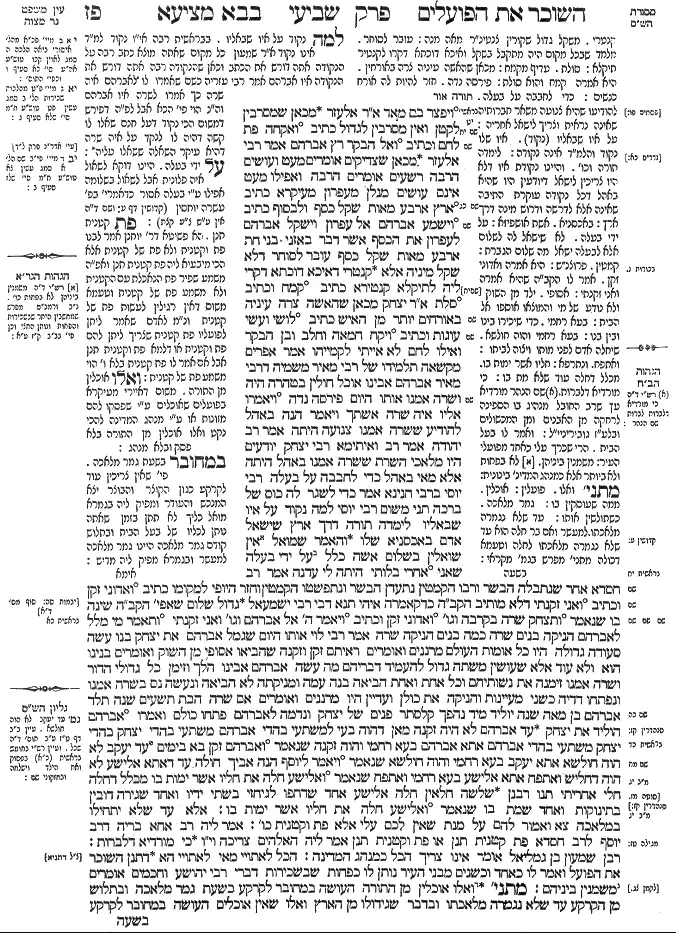
Bava Metzia 87a - Guemara
(בראשית יט, ג) ויפצר בם מאד א"ר אלעזר מכאן שמסרבין לקטן ואין מסרבין לגדול כתיב (בראשית יח, ה) ואקחה פת לחם וכתיב (בראשית יח, ז) ואל הבקר רץ אברהם אמר רבי אלעזר מכאן שצדיקים אומרים מעט ועושים הרבה רשעים אומרים הרבה ואפילו מעט אינם עושים מנלן מעפרון מעיקרא כתיב (בראשית כג, טו) ארץ ארבע מאות שקל כסף ולבסוף כתיב (בראשית כג, טז) וישמע אברהם אל עפרון וישקל אברהם לעפרון את הכסף אשר דבר באזני בני חת ארבע מאות שקל כסף עובר לסוחר דלא שקל מיניה אלא קנטרי דאיכא דוכתא דקרי ליה לתיקלא קנטירא כתיב (בראשית יח, ו) קמח וכתיב סלת א"ר יצחק מכאן שהאשה צרה עיניה באורחים יותר מן האיש כתיב (בראשית יח, ו) לושי ועשי עוגות וכתיב (בראשית יח, ח) ויקח חמאה וחלב ובן הבקר ואילו לחם לא אייתי לקמייהו אמר אפרים מקשאה תלמידו של רבי מאיר משמיה דרבי מאיר אברהם אבינו אוכל חולין בטהרה היה ושרה אמנו אותו היום פירסה נדה (בראשית יח, ט) ויאמרו אליו איה שרה אשתך ויאמר הנה באהל להודיע ששרה אמנו צנועה היתה אמר רב יהודה אמר רב ואיתימא רבי יצחק יודעים היו מלאכי השרת ששרה אמנו באהל היתה אלא מאי באהל כדי לחבבה על בעלה רבי יוסי ברבי חנינא אמר כדי לשגר לה כוס של ברכה תני משום רבי יוסי למה נקוד על איו שבאליו לימדה תורה דרך ארץ שישאל אדם באכסניא שלו והאמר שמואל אין שואלין בשלום אשה כלל על ידי בעלה שאני (בראשית יח, יב) אחרי בלותי היתה לי עדנה אמר רב חסדא אחר שנתבלה הבשר ורבו הקמטין נתעדן הבשר ונתפשטו הקמטין וחזר היופי למקומו כתיב (בראשית יח, יב) ואדוני זקן וכתיב (בראשית יח, יג) ואני זקנתי דלא מותיב הקב"ה כדקאמרה איהי תנא דבי רבי ישמעאל גדול שלום שאפי' הקב"ה שינה בו שנאמר (בראשית יח, יב) ותצחק שרה בקרבה וגו' (בראשית יח, יב) ואדוני זקן וכתיב (בראשית יח, יג) ויאמר ה' אל אברהם וגו' ואני זקנתי (בראשית כא, ז) ותאמר מי מלל לאברהם הניקה בנים שרה כמה בנים הניקה שרה אמר רבי לוי אותו היום שגמל אברהם את יצחק בנו עשה סעודה גדולה היו כל אומות העולם מרננים ואומרים ראיתם זקן וזקנה שהביאו אסופי מן השוק ואומרים בנינו הוא ולא עוד אלא שעושין משתה גדול להעמיד דבריהם מה עשה אברהם אבינו הלך וזימן כל גדולי הדור ושרה אמנו זימנה את נשותיהם וכל אחת ואחת הביאה בנה עמה ומניקתה לא הביאה ונעשה נס בשרה אמנו ונפתחו דדיה כשני מעיינות והניקה את כולן ועדיין היו מרננים ואומרים אם שרה הבת תשעים שנה תלד אברהם בן מאה שנה יוליד מיד נהפך קלסתר פנים של יצחק ונדמה לאברהם פתחו כולם ואמרו (בראשית כה, יט) אברהם הוליד את יצחק עד אברהם לא היה זקנה מאן דהוה בעי למשתעי בהדי אברהם משתעי בהדי יצחק בהדי יצחק משתעי בהדי אברהם אתא אברהם בעא רחמי והוה זקנה שנאמר (בראשית כד, א) ואברהם זקן בא בימים עד יעקב לא הוה חולשא אתא יעקב בעא רחמי והוה חולשא שנאמר (בראשית מח, א) ויאמר ליוסף הנה אביך חולה עד דאתא אלישע לא הוה דחליש ואתפח אתא אלישע בעא רחמי ואתפח שנאמר (מלכים ב יג, יד) ואלישע חלה את חליו אשר ימות בו מכלל דחלה חלי אחריתי תנו רבנן שלשה חלאין חלה אלישע אחד שדחפו לגיחזי בשתי ידיו ואחד שגירה דובין בתינוקות ואחד שמת בו שנאמר (מלכים ב יג, יד) ואלישע חלה את חליו אשר ימות בו:
אלא עד שלא יתחילו במלאכה צא ואמור להם על מנת שאין לכם עלי אלא פת וקטנית כו':
אמר ליה רב אחא בריה דרב יוסף לרב חסדא פת קטנית תנן או פת וקטנית תנן אמר ליה האלהים צריכה וי"ו כי מורדיא דלברות:
רבן שמעון בן גמליאל אומר אינו צריך הכל כמנהג המדינה:
הכל לאתויי מאי לאתויי הא דתנן השוכר את הפועל ואמר לו כאחד וכשנים מבני העיר נותן לו כפחות שבשכירות דברי רבי יהושע וחכמים אומרים משמנין ביניהם:
מתני׳ ואלו אוכלין מן התורה העושה במחובר לקרקע בשעת גמר מלאכה ובתלוש מן הקרקע עד שלא נגמרה מלאכתו ובדבר שגידולו מן הארץ ואלו שאין אוכלים העושה במחובר לקרקע
Comments from Rashi on Masechet Bava Metzia Page 87a
קנטרי . משקל גדול שקורין צנטינ"ר מאה מנה: עובר לסוחר . מלמד שבכל מקום היה מתקבל בשקל ואיכא דוכתא דקרו לקנטיר תיקלא: סולת . עדיף מקמח: מכאן שהאשה עיניה צרה באורחין . היא אמרה קמח והוא סולת: פירסה נדה . חזר להיות לה אורח כנשים: כדי לחבבה על בעלה . להודיעו שהיא צנועה משאר חברותיה שאינה נראית וצריך לישאל אחריה: על איו שבאליו (נקוד) . איו שלו נקוד והלמ"ד אינה נקודה: לימדה תורה וכו' . והיינו נקודת איו דלא היו צריכין לישאל דיודעין היו שהיא באהל דכל נקודה עוקרת התיבה שאינה אלא לדרשה ודרוש מינה דרך ארץ: באכסניא . אשת אושפיזא: על ידי בעלה . לא שישאל לה לשלום אלא לבעלה ישאל מה שלום הגברת: קמטין . פרוצנ"ש: היא אמרה ואדוני זקן . אמר לו הקב"ה שהיא אמרה ואני זקנתי: אסופי . ילד מן השוק ולא נודע של מי והמוצאו אוספו אל הבית: בעא רחמי . כדי שיכירו בינו ובין בנו: בעא רחמי והוה חולשא . שיחלה אדם לפני מותו ויצוה לביתו: ואתפח . ונתרפא: חליו אשר ימות בו . מכלל דחלה עוד שלא מת בו: כי מורדיא דלברות . שם הנהר מורדיא עץ שרב החובל מנהיג בו הספינה לרחקה מן האבנים ומן המכשולים ובלע"ז גוביריניי"ל: ואמר לו בעל הבית . הרי שכרך עלי כאחד מפועלי העיר: משמנין ביניהן . לא בפחות ולא ביותר אלא כמנהג המדינה בינונית: מתני' ואלו . פועלין: אוכלין . ממה שעוסקין בו: גמר מלאכה . כשתולשין אותו: עד שלא נגמרה מלאכתו . למעשר ואם בר חלה הוא עד שלא נגמרה מלאכתו לחלה וטעמא דכולה מתני' מפרש בגמ' מקראי:
Comments from Tosafot - Bava Metzia 87a
למה נקוד על איו שבאליו . בבראשית רבה אי"ו נקוד למ"ד אינו נקוד א"ר שמעון כל מקום שאתה מוצא כתב רבה על הנקודה אתה דורש את הכתב וכאן שהנקודה רבה אתה דורש את הנקודה איו אברהם אמר רבי עזריה כשם שאמרו לו לאברהם איה שרה כך אמרו לשרה איו אברהם וה"נ הוי פי' הכא אבל לפ"ה דפירש דמשום הכי נקוד דעל חנם שאלו לו קשה דהיה לו לנקד על איה שרה דהיא עיקר השאלה ששאלו עליה: על ידי בעלה . היינו דוקא לשאול איה פלונית אבל לשאול בשלומה אפילו ע"י בעלה אסור כדאמרי' בפ' עשרה יוחסין (קדושין דף ע: ושם ד"ה אין ע"ש צ"ע קצת): פת קטנית תנן . הא פשיטא דר' יוחנן אמר לבנו פת וקטנית ולא פת של קטנית אלא הכי מיבעיא ליה פת קטנית תנן ואפ"ה משמע שפיר פת הנאכלת עם הקטנית ולא משמע פת של קטנית וטעמא משום דאין רגילין לעשות פת של קטנית ונ"מ לאדם שאמר ליתן לפועליו פת קטנית שצריך ליתן להם פת וקטנית או דלמא פת וקטנית תנן אבל אם אמר לו פת קטנית בלא ו' הוי משמע פת של קטנית: ואלו אוכלין מן התורה . משום דאיירי מעיקרא בפועלים שאוכלים ע"י שפסקו להם מזונות או ע"י מנהג המדינה להכי נקט ואלו אוכלין מן התורה בלא פסק ובלא מנהג: במחובר בשעת גמר מלאכה . פי' שאין צריכין עוד לקרקע כגון הקוצר והבוצר יצא המנכש והעודר ומפיק ליה בגמרא מואל כליך לא תתן בזמן שאתה נותן לכליו של בעל הבית ובתלוש קודם גמר מלאכה היינו גמר מלאכה למעשר ובגמרא מפיק ליה מדיש:
Bava Metzia 87a - Mishnah translated into english
“And he urged them greatly” (Genesis 19:3), only after which they acquiesced? Rabbi Elazar says: From here we learn that one may decline the request of a lesser man, but one may not decline the request of a great man.
The Gemara continues analyzing the same passage. It is written: “And I will fetch a morsel of bread, and satisfy your heart” (Genesis 18:5), and it is written: “And Abraham ran to the herd, and fetched a calf tender and good” (Genesis 18:7). Rabbi Elazar said: From here we learn that the righteous say little and do much, whereas the wicked say much and do not do even a little.
From where do we derive this principle that the wicked say much and do not do even a little? We derive it from Ephron. Initially, it is written that Ephron said to Abraham: “A piece of land worth four hundred shekels of silver, what is that between me and you?” (Genesis 23:15). And ultimately it is written: “And Abraham listened to Ephron; and Abraham weighed to Ephron the silver, which he had named in the hearing of the children of Heth, four hundred shekels of silver, current money with the merchant” (Genesis 23:16), i.e., shekels that could be used in any location. This teaches that not only did Ephron take shekels from Abraham, he took from him only centenaria [kantarei], i.e., superior coins, as there is a place where they call a shekel a centenarius.
The verse states: “Make ready quickly three measures of flour, fine flour” (Genesis 18:6). The Gemara questions the apparent redundancy. It is written: “Flour,” and it is also written: “Fine flour.” Rabbi Yitzḥak says: From here we learn that a woman is more stingy with guests than a man. Sarah wanted to use merely flour, and Abraham persuaded her to use fine flour.
The Gemara continues its analysis of the verses. It is written: “Knead it, and make cakes” (Genesis 18:6), and two verses later it is written: “And he took curd, and milk, and the calf which he prepared” (Genesis 18:8). Abraham served these items to the guests, and yet he did not bring bread before them despite having instructed Sarah to prepare baked goods.
Efrayim Miksha’a, disciple of Rabbi Meir, says in the name of Rabbi Meir: Abraham, our forefather, would eat non-sacred food only when he was in a state of ritual purity, i.e., he treated his food as though it were consecrated to God. And Sarah, our foremother, menstruated that day, which rendered the baked goods ritually impure, preventing Abraham from handling them. Therefore, they could not serve bread to their guests.
The next verse states: “And they said to him: Where is Sarah your wife? And he said: Behold, in the tent” (Genesis 18:9). The Gemara explains that this verse serves to inform us that Sarah, our foremother, was a modest woman, as she remained inside while the guests were present. Rav Yehuda says that Rav says, and some say it is Rabbi Yitzḥak who says: The ministering angels, who visited Abraham in the guise of travelers, knew that Sarah, our foremother, was inside the tent. Rather, what was the purpose of their eliciting Abraham’s response: In the tent? It was in order to endear her to her husband, by accentuating Sarah’s modesty.
Rabbi Yosei, son of Rabbi Ḥanina, says: They inquired about her in order to send her the cup of blessing. It is customary to recite Grace after Meals over a cup of wine, which is then distributed to those present. It is taught in the name of Rabbi Yosei: Why are there dots in the Torah scroll upon the letters alef, yod, and vav in the word “to him [eilav]”? These letters spell ayo, which means: Where is he? The Torah is teaching the proper etiquette, which is that a person should inquire of his hostess about his host, just as he should inquire about the welfare of his hostess from the host. The Gemara asks: But doesn’t Shmuel say: One may not inquire about the welfare of a woman at all, as this is immodest? The Gemara answers: A greeting by means of her husband is different. Asking a husband about his wife is not considered immodest.
The Gemara analyzes the verses that describe Sarah at the time: “And Sarah laughed within herself, saying: After I am waxed old [veloti] shall I have pleasure [edna]” (Genesis 18:12). Rav Ḥisda says: After the skin had worn out [nitballa] and become full of wrinkles, the skin once again became soft [nitadden] and her wrinkles smoothed out, and Sarah’s beauty returned to its place.
It is written that Sarah said: “And my lord is old” (Genesis 18:12), and it is written: “And the Lord said to Abraham: Why did Sarah laugh, saying: Shall I certainly bear a child, and I am old?” (Genesis 18:13). This verse indicates that the Holy One, Blessed be He, did not repeat to Abraham that which Sarah actually said, that her husband is old. Why did God change the wording of her statement so that she was referring to herself?
The school of Rabbi Yishmael taught: Peace is of such great importance that even the Holy One, Blessed be He, altered the truth for the sake of preserving peace, as it is stated: “And Sarah laughed within herself, saying: After I am waxed old shall I have pleasure, and my lord is old,” and it is written: “And the Lord said to Abraham: Why did Sarah laugh, saying: Shall I certainly bear a child, and I am old?”
In reference to Sarah having given birth to Isaac, the verse states: “And she said: Who would have said to Abraham that Sarah should nurse children?” (Genesis 21:7). The Gemara asks: How many children did Sarah nurse? Why does the verse use the plural form when she had only one child? Rabbi Levi says: That day when Abraham weaned his son Isaac, he prepared a great celebratory feast. All of the nations of the world were gossiping and saying to each other: See this old man and old woman who brought a foundling from the market and are saying: He is our son, and moreover they are making a great feast to bolster their claim.
What did Abraham, our forefather, do? He went and invited all of the great men of that generation, and Sarah, our foremother, invited their wives. Each and every one of the wives brought her child with her but did not bring her wet nurse. And a miracle occurred to Sarah, our foremother, and her breasts were opened like two springs, and she nursed all of these children. And still those people were gossiping and saying to each other: Even if Sarah, at ninety years of age, can give birth, can Abraham, at one hundred years of age, father a child? Immediately, the countenance of Isaac’s face transformed and appeared exactly like that of Abraham. Everyone exclaimed and said: “Abraham fathered Isaac” (Genesis 25:19).
§ The Gemara continues discussing Abraham: Until Abraham, there was no aging, i.e., old age was not physically recognizable. Consequently, one who wanted to speak to Abraham would mistakenly speak to Isaac, and vice versa: An individual who wanted to speak to Isaac would speak to Abraham, as they were indistinguishable. Abraham came and prayed for mercy, and aging was at last noticeable, as it is stated: “And Abraham was old, well stricken in age” (Genesis 24:1), which is the first time that aging is mentioned in the Bible.
Until Jacob, there was no illness leading up to death; rather, one would die suddenly. Jacob came and prayed for mercy, and illness was brought to the world, allowing one to prepare for his death, as it is stated: “And one said to Joseph: Behold, your father is sick” (Genesis 48:1), which is the first time that sickness preceding death is mentioned in the Bible. Until Elisha, one did not fall ill and then heal, as everyone who fell ill would die. Elisha came and prayed for mercy and he was healed, as it is written: “Now Elisha fell ill with his illness from which he was to die” (II Kings 13:14). By inference, one can derive that he had previously fallen ill with other illnesses from which he did not die.
The Sages taught: Elisha fell ill with three illnesses: One was due to the fact that he pushed Gehazi away with both hands, i.e., he banished Gehazi without granting him a chance to repent (see II Kings, chapter 5). One was due to the fact that he incited bears against young children (see II Kings 2:23–25). And one was the illness from which he died, as it is stated: “Now Elisha fell ill of his illness from which he was to die” (II Kings 13:14).
§ The mishna (83a) teaches that Rabbi Yoḥanan ben Matya said to his son: Rather, before they begin engaging in their labor, go out and say to them: The stipulation that food will be provided is on the condition that you have the right to claim from me only a meal of bread and legumes, which is the typical meal given to laborers. Rav Aḥa, son of Rav Yosef, said to Rav Ḥisda: Did we learn: Bread of legumes [pat kitnit], i.e., inferior-quality bread made of legumes, or did we learn: Bread and legumes [pat vekitnit]? Rav Ḥisda said to him: By God! That word vekitnit requires at its beginning the letter vav as large as an oar [mordeya] made of cypress wood [deliberot], i.e., pat vekitnit is undoubtedly the correct version.
§ The mishna teaches that Rabban Shimon ben Gamliel says: The son of Rabbi Yoḥanan ben Matya did not need to state this, as the principle is: Everything is in accordance with the regional custom. The Gemara asks: This term: Everything, serves to add what? What is the tanna including by this term? The Gemara answers: It serves to add that which we learned in a baraita: With regard to one who hires a laborer and said to him: I will pay you as one or two of the residents of the city are paid, he gives him wages in accordance with the lowest wage paid in that region. This is the statement of Rabbi Yehoshua. The Rabbis say: One divides the difference between the highest and lowest paid wages, thereby giving the wages to this laborer according to the average of the regional custom. This halakha is alluded to in the statement of Rabban Shimon ben Gamliel.
MISHNA: This mishna details the halakha that a laborer is permitted to eat from the produce with which he is working. And these laborers may eat by Torah law: A laborer who works with produce attached to the ground at the time of the completion of its work, e.g., harvesting produce; and a laborer who works with produce detached from the ground before the completion of its work, i.e., before it is sufficiently processed and thereby subject to tithes. And this is the halakha provided that they are working with an item whose growth is from the land. And these are laborers who may not eat: A laborer who works with produce attached to the ground
Traduction : The William Davidson digital edition of the Koren Noé Talmud, with commentary by Rabbi Adin Even-Israel Steinsaltz.