 Talmud Bavli
The learning on the whole site is dedicated : L'ilui Nishmat Jacques Isaac Ben Amram Loubaton
The learning on the whole site is dedicated : L'ilui Nishmat Margalit bat Ledicia
The learning on the whole site is dedicated : L'ilui Nishmat יוסף בן מושה
Bava Metzia 23a : Youtube
Daf TubeYoutube
1 video class :
Bava Metzia Page 23a
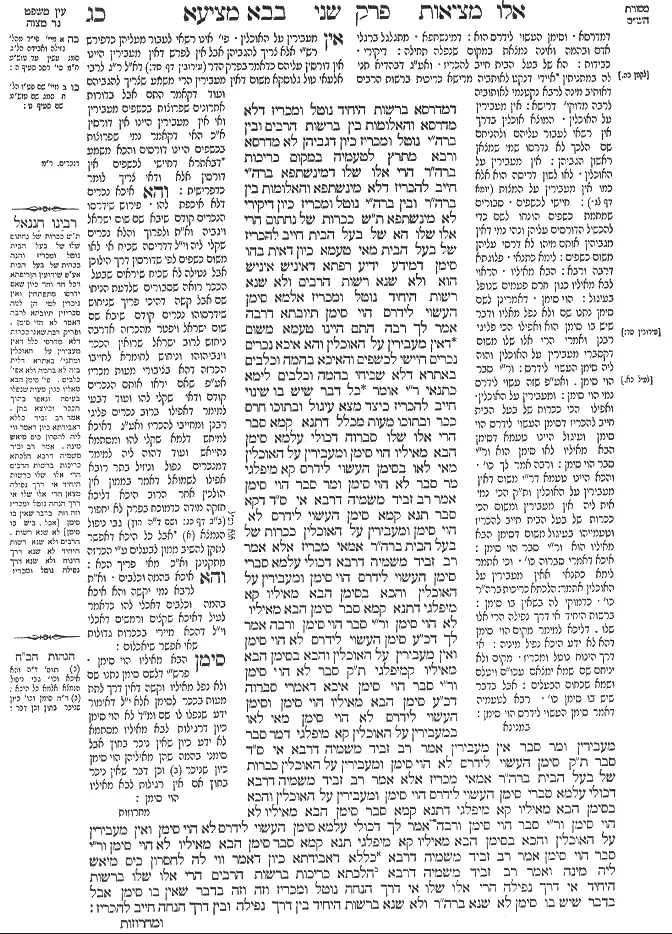
Bava Metzia 23a - Guemara
דמדרסא ברשות היחיד נוטל ומכריז דלא מדרסא והאלומות בין ברשות הרבים ובין ברה"י נוטל ומכריז כיון דגביהן לא מדרסא ורבא מתרץ לטעמיה במקום כריכות ברה"ר הרי אלו שלו דמינשתפא ברה"י חייב להכריז דלא מינשתפא והאלומות בין ברה"ר ובין ברה"י נוטל ומכריז כיון דיקירי לא מינשתפא ת"ש ככרות של נחתום הרי אלו שלו הא של בעל הבית חייב להכריז של בעל הבית מאי טעמא כיון דאית בהו סימן דמידע ידיע רפתא דאיניש איניש הוא ולא שנא רשות הרבים ולא שנא רשות היחיד נוטל ומכריז אלמא סימן העשוי לידרס הוי סימן תיובתא דרבה אמר לך רבה התם היינו טעמא משום דאין מעבירין על האוכלין והא איכא נכרים נכרים חיישי לכשפים והאיכא בהמה וכלבים באתרא דלא שכיחי בהמה וכלבים לימא כתנאי ר"י אומר כל דבר שיש בו שינוי חייב להכריז כיצד מצא עיגול ובתוכו חרס ככר ובתוכו מעות מכלל דתנא קמא סבר הרי אלו שלו סברוה דכולי עלמא סימן הבא מאיליו הוי סימן ומעבירין על האוכלין מאי לאו בסימן העשוי לידרס קא מיפלגי מר סבר לא הוי סימן ומר סבר הוי סימן אמר רב זביד משמיה דרבא אי ס"ד דקא סבר תנא קמא סימן העשוי לידרס לא הוי סימן ומעבירין על האוכלין ככרות של בעל הבית ברה"ר אמאי מכריז אלא אמר רב זביד משמיה דרבא דכולי עלמא סברי סימן העשוי לידרס הוי סימן ומעבירין על האוכלין והכא בסימן הבא מאיליו קא מיפלגי דתנא קמא סבר סימן הבא מאיליו לא הוי סימן ור"י סבר הוי סימן ורבה אמר לך דכ"ע סימן העשוי לידרס לא הוי סימן ואין מעבירין על האוכלין והכא בסימן הבא מאיליו קמיפלגי ת"ק סבר לא הוי סימן ור"י סבר הוי סימן איכא דאמרי סברוה דכ"ע סימן הבא מאיליו הוי סימן וסימן העשוי לידרס לא הוי סימן מאי לאו במעבירין על האוכלין קא מיפלגי דמר סבר מעבירין ומר סבר אין מעבירין אמר רב זביד משמיה דרבא אי ס"ד סבר ת"ק סימן העשוי לידרס לא הוי סימן ומעבירין על האוכלין ככרות של בעל הבית ברה"ר אמאי מכריז אלא אמר רב זביד משמיה דרבא דכולי עלמא סברי סימן העשוי לידרס הוי סימן ומעבירין על האוכלין והכא בסימן הבא מאיליו קא מיפלגי דתנא קמא סבר סימן הבא מאיליו לא הוי סימן ור"י סבר הוי סימן ורבה אמר לך דכולי עלמא סימן העשוי לידרס לא הוי סימן ואין מעבירין על האוכלין והכא בסימן הבא מאיליו קא מיפלגי תנא קמא סבר סימן הבא מאיליו לא הוי סימן ור"י סבר הוי סימן אמר רב זביד משמיה דרבא כללא דאבידתא כיון דאמר ווי לה לחסרון כיס מיאש ליה מינה ואמר רב זביד משמיה דרבא הלכתא כריכות ברשות הרבים הרי אלו שלו ברשות היחיד אי דרך נפילה הרי אלו שלו אי דרך הנחה נוטל ומכריז וזה וזה בדבר שאין בו סימן אבל בדבר שיש בו סימן לא שנא ברה"ר ולא שנא ברשות היחיד בין דרך נפילה ובין דרך הנחה חייב להכריז
Comments from Rashi on Masechet Bava Metzia Page 23a
דמדרסא . וסימן העשוי לידרס הוא: דמינשתפא . מתגלגל ברגלי אדם ובהמה ואינה נמצאת במקום שנפלה תחילה: דיקירי . כבידות: הא של בעל הבית חייב להכריז . ואע"ג דבהדיא תני לה במתניתין איידי דנקט לאותביה מרישא כריכות ברשות הרבים דאותיב מינה לרבא נקט נמי לאותוביה לרבה מדוקי' דרישא: אין מעבירין על האוכלין . המוצא אוכלין בדרך אין רשאי לעבור עליהם ולהניחם שם הלכך לא נדרסו שמי שמצאן ראשון הגביהן: אין מעבירין על האוכלין . לאו לשון דריסה הוא אלא כמו אין מעבירין על המצות (יומא דף לג.): חיישי לכשפים . סבורים שמחמת כשפים הונחו לשם כדי להכשיל הדורסים עליהן ונהי נמי דאין מגביהין אותם מיהו לא דרסי עליהן משום כשפים: לימא כתנאי . פלוגתא דרבה ורבא: הבא מאיליו . הראוי לבא מאיליו כגון חרס פעמים שנופל בעיגול: הוי סימן . דאמרינן לשם סימן נתנו שם ולא נפל מאליו ודבר שיש בו סימן הוא ואפילו הכי פליגי רבנן ואמרי הרי אלו שלו משום דקסברי מעבירין על האוכלין והוה ליה סימן העשוי לידרס: ור"י סבר הוי סימן . ואע"פ שזה עשוי לידרס נמי הוי סימן: ומעבירין על האוכלין . ואפילו הכי ככרות של בעל הבית חייב להכריז דסימן העשוי לידרס הוי סימן ועיגול היינו טעמא דסימן הבא מאיליו לאו סימן הוא ור"י סבר הוי סימן: ורבה אמר לך כו' . והכא היינו טעמא דר"י משום דאין מעבירין על האוכלין ות"ק הכי נמי אית ליה אין מעבירין ומשום הכי ככרות של בעל הבית חייב להכריז וטעמייהו בעיגול משום דסימן הבא מאיליו הוא ור"י סבר הוי סימן: איכא דאמרי סברוה כו' . וכי אתמר לימא כתנאי אאין מעבירין על האוכלין אתמר: הלכתא כריכות ברה"ר כו' . כדמוקי לה בשאין בו סימן: ברשות היחיד אי דרך נפילה הרי אלו שלו . דליכא למימר מקום הוי סימן דהא לא ידע היכא נפיל מיניה: אי דרך הינוח נוטל ומכריז . מקום ולא יניחם שם שמא ימצאם עכו"ם ויטלם ושמא שכחום הבעלים: אבל בדבר שיש בו סימן כו' . רבא לטעמיה דאמר סימן העשוי לידרס הוי סימן:
Comments from Tosafot - Bava Metzia 23a
אין מעבירין על האוכלין . פי' אינו רשאי לעבור מעליהן כדפירש רש"י אלא צריך להגביהן אבל אין לפרש דאין מעבירין היינו אין דורסין עליהם כדאמר בפרק הדר (עירובין דף סד:) דא"ל ר"ג לרבי אלעאי טול גלוסקא משום דאין מעבירין הרי משמע שצריך להגביהם ועוד דקאמר התם אבל בדורות אחרונים שפרוצות בכשפים מעבירין ואי אין מעבירין היינו אין דורסין א"כ האי דקאמר נמי שפרוצות בכשפים היינו דורסים והכא משמע דבאתרא דחיישי לכשפים אין דורסין אלא ודאי צריך לומר כדפרישית: והא איכא נכרים דלא איכפת להו . פירוש שידרסו הנכרים קודם שיבא שם שום ישראל ויגביה וא"ת ולפרוך והלא נכרים שקלי ליה וי"ל דדריסה שכיח אי לאו משום כשפים לפי שדורסין דרך הילוכן אבל נטילה לא שכיח שיראים שבעל הככר רואה שסבורים שלדעת הניחו שם אבל קשה דהיכי פריך שניחוש שידרסוהו נכרים קודם שיבא שם שום ישראל ויפטר מהכרזה אדרבה ניחוש לרוב ישראל שרואין הככר ויגביהוהו וניחוש לחומרא לחייבו הכרזה דהא בציבורי מעות מכריז אע"פ שאם יראו אותם הנכרים קודם ודאי שקלי להו ועוד דבעי למימר דאפילו ברוב נכרים פליגי רבנן ומחייבי להכריז ואע"ג דאיכא למיחש דלמא שקלי להו ומסתמא נתייאש ועוד דהוה ליה למימר דמנכרים נפול וניזיל בתר רובא אפילו לשמואל דאמר בממון אין הולכין אחר הרוב היכא דליכא חזקה מודה כדמוכח בפרק לא יחפור (ב"ב דף כג: ושם ד"ה חוץ) גבי ניפול הנמצא אבל כל היכא דאפשר לתקן להשיב ממון לבעלים ע"י הכרזה מתקנינן וא"כ מאי פריך הכא: והא איכא בהמה וכלבים . וא"ת לרבא נמי יקשה והא איכא בהמה וכלבים דאכלי להו כדאמר לעיל דאיכא שקצים ורמשים דאכלי וי"ל דהכא מיירי בככרות גדולות שאי אפשר שיאכלום: סימן הבא מאיליו הוי סימן . פרש"י דלשם סימן נתנו שם ולא נפל מאיליו וקשה דאין דרך לתת מעות בככר לסימן אלא י"ל דאימור ידע שנפלו לו שם ומ"ד לא הוי סימן כיון דרגילות לבא מאיליו מסתמא לא ידע כיון שאין ניכר בחוץ אבל סימני בהמה שהן מאיליהן הוי סימן כיון שניכר וכן דבר שאין ניכר בחוץ אם אין רגילות לבא מאיליו הוי סימן:
Bava Metzia 23a - Mishnah translated into english
that they are trampled. Even if there had been a distinguishing mark on the bundles it would have been destroyed when it was trampled. If he finds them in a secluded area, the finder takes the sheaves and proclaims his find, as due to the absence of pedestrian traffic they are not trampled and the distinguishing mark remains intact. And with regard to the sheaves, whether he finds them in a public area or whether he finds them in a secluded area, the finder takes them and proclaims his find. Since they protrude high above the ground, they are not trampled.
And Rava explains, according to his line of reasoning, that the baraita is referring to bundles whose location is their distinguishing mark: If one finds bundles of grain in a public area, these belong to him due to the fact that they are kicked and they consequently roll to a different location than where they were placed. If he finds them in a secluded area, he is obligated to proclaim his find. Due to the absence of pedestrian traffic they are not kicked and do not roll, and they therefore remain in the location where they were placed. And with regard to the sheaves, whether he finds them in a public area or whether he finds them in a secluded area, the finder takes them and proclaims his find. Since they are heavy, they do not roll when kicked.
The Gemara suggests: Come and hear a proof from the mishna: If one found baker’s loaves, these belong to him. The Gemara infers: But if one finds loaves of a homeowner, he is obligated to proclaim his find. What is the reason? When one finds loaves of a homeowner he is obligated to proclaim his find because there is a distinguishing mark on the loaves. As each person shapes his loaves in a unique manner, it is known that the loaves of a person belong to that person. And there is no difference if the loaves were found in a public area, and there is no difference if the loaves were found in a secluded area; the finder takes the item and proclaims his find. Apparently, the legal status of a distinguishing mark that is prone to be trampled is that of a distinguishing mark. This is a conclusive refutation of the opinion of Rabba.
Rabba could have said to you: There, this is the reason that one must return the loaves of a homeowner found in a public area. It is due to the fact that one does not pass by food without picking it up. Therefore, it can be assumed that it will not be trampled. The Gemara asks: But aren’t there gentiles who do not treat food with deference and who will trample the loaves? The Gemara answers: Gentiles are concerned that the loaves were placed in a public area for reasons of sorcery. The Gemara asks: But aren’t there beasts and dogs that will trample the loaves? The Gemara answers: The mishna is referring to a place where beasts and dogs are not commonly found.
The Gemara suggests: Let us say that this dispute between Rabba and Rava is parallel to a dispute between tanna’im in the mishna. Rabbi Yehuda says: If one finds any lost item in which there is an alteration, he is obligated to proclaim his find. How so? If he found a round cake of pressed figs with an earthenware shard inside it, or a loaf of bread with coins inside it, he must proclaim his find. One may conclude by inference that the first tanna of the mishna holds that even in that case those items belong to him.
In explaining the tannaitic dispute, the Sages assumed that everyone agrees that the legal status of a distinguishing mark that could come to mark an item on its own without having been placed there intentionally is that of a distinguishing mark, and everyone agrees that one passes by food without picking it up. Accordingly, what is the basis of their dispute? Is it not with regard to the matter of a distinguishing mark that is prone to be trampled that they disagree? As one Sage, the first tanna, holds that its legal status is not that of a distinguishing mark, and one Sage, Rabbi Yehuda, holds that its legal status is that of a distinguishing mark.
Rav Zevid said in the name of Rava: If it enters your mind that the first tanna holds that the legal status of a distinguishing mark that is prone to be trampled is not that of a distinguishing mark and that one passes by food without picking it up, then in the case of loaves of a homeowner that were found in a public area, where the loaves would be trampled and their distinguishing mark destroyed, why does he proclaim his find?
Rather, Rav Zevid said in the name of Rava that everyone holds that the legal status of a distinguishing mark that is prone to be trampled is that of a distinguishing mark and that one passes by food without picking it up. And here, it is with regard to the legal status of a distinguishing mark that could come to mark an item on its own that they disagree. The first tanna holds that the legal status of a distinguishing mark that could come to mark an item on its own is not that of a distinguishing mark, and Rabbi Yehuda holds that the legal status of a distinguishing mark that could come to mark an item on its own is that of a distinguishing mark.
And Rabba could have said to you that everyone agrees that the legal status of a distinguishing mark that is prone to be trampled is not that of a distinguishing mark and that one does not pass by food without picking it up. And here, it is with regard to the legal status of a distinguishing mark that could come to mark an item on its own that they disagree. The first tanna holds that the legal status of a distinguishing mark that could come to mark an item on its own is not that of a distinguishing mark, and Rabbi Yehuda holds that the legal status of a distinguishing mark that could come to mark an item on its own is that of a distinguishing mark.
There are those who say, in explaining the tannaitic dispute, that the Sages assumed that everyone agrees that the legal status of a distinguishing mark that could come to mark an item on its own without having been placed there intentionally is that of a distinguishing mark, and everyone agrees that the legal status of a distinguishing mark that is prone to be trampled is not that of a distinguishing mark. What, then, is the basis of their dispute? Is it not with regard to the matter of whether one passes by food without picking it up that they disagree. As one Sage, the first tanna, holds that one passes by food without picking it up, and one Sage, Rabbi Yehuda, holds that one does not pass by food without picking it up.
Rav Zevid said in the name of Rava: If it enters your mind that the first tanna holds that the legal status of a distinguishing mark that is prone to be trampled is not that of a distinguishing mark and that one passes by food without picking it up, then in the case of loaves of a homeowner that were found in a public area, where the loaves would be trampled and their distinguishing mark destroyed, why does he proclaim his find?
Rather, Rav Zevid said in the name of Rava that everyone holds that the legal status of a distinguishing mark that is prone to be trampled is that of a distinguishing mark and that one passes by food without picking it up. And here, it is with regard to the legal status of a distinguishing mark that could come to mark an item on its own that they disagree. The first tanna holds that the legal status of a distinguishing mark that could come to mark an item on its own is not that of a distinguishing mark, and Rabbi Yehuda holds that the legal status of a distinguishing mark that could come to mark an item on its own is that of a distinguishing mark.
And Rabba could have said to you that everyone agrees that the legal status of a distinguishing mark that is prone to be trampled is not that of a distinguishing mark and that one does not pass by food without picking it up. And here, it is with regard to the legal status of a distinguishing mark that could come to mark an item on its own that they disagree. The first tanna holds that the legal status of a distinguishing mark that could come to mark an item on its own is not that of a distinguishing mark, and Rabbi Yehuda holds that the legal status of a distinguishing mark that could come to mark an item on its own is that of a distinguishing mark.
§ Rav Zevid said in the name of Rava that this is the principle of a lost item: Once the owner of a lost item says: Woe is me for the monetary loss, this indicates that he has despaired of its recovery.
And Rav Zevid said in the name of Rava: The halakha is that if one finds bundles of grain in a public area, those bundles belong to him. If he finds the bundles in a secluded area in a manner indicating that they had fallen, those bundles belong to him. If he finds the bundles in a manner indicating that they had been placed there, the finder takes them and proclaims his find. And both this ruling and that ruling are in the case of an item in which there is no distinguishing mark. But in the case of an item on which there is a distinguishing mark, it is no different if the bundles were found in a public area and it is no different if the bundles were found in a secluded area; whether the bundles were found in a manner indicating that they had fallen or whether they were found in a manner indicating that they had been placed there, he is obligated to proclaim his find.
Traduction : The William Davidson digital edition of the Koren Noé Talmud, with commentary by Rabbi Adin Even-Israel Steinsaltz.