 Talmud Bavli
The learning on the whole site is dedicated : L'ilui Nishmat Nissim ben Barukh Malka
The learning on the whole site is dedicated : L'ilui Nishmat אסתר בת חיים
The learning on the whole site is dedicated : L'ilui Nishmat Jamila bat Chlomo Abensour
Bava Metzia 111a : Youtube
Daf TubeYoutube
1 video class :
Bava Metzia Page 111a
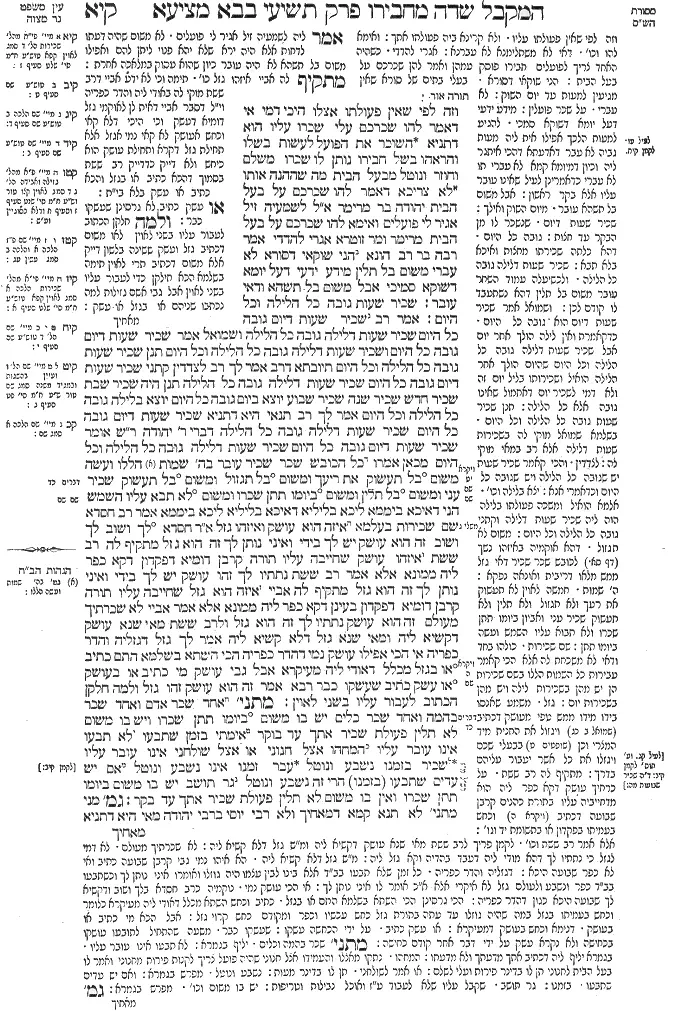
Bava Metzia 111a - Guemara
וזה לפי שאין פעולתו אצלו היכי דמי אי דאמר להו שכרכם עלי שכרו עליו הוא דתניא השוכר את הפועל לעשות בשלו והראהו בשל חבירו נותן לו שכרו משלם וחוזר ונוטל מבעל הבית מה שההנה אותו לא צריכא דאמר להו שכרכם על בעל הבית יהודה בר מרימר א"ל לשמעיה זיל אגיר לי פועלים ואימא להו שכרכם על בעל הבית מרימר ומר זוטרא אגרי להדדי אמר רבה בר רב הונא הני שוקאי דסורא לא עברי משום בל תלין מידע ידעי דעל יומא דשוקא סמיכי אבל משום בל תשהא ודאי עובר:
שכיר שעות גובה כל הלילה וכל היום:
אמר רב שכיר שעות דיום גובה כל היום שכיר שעות דלילה גובה כל הלילה ושמואל אמר שכיר שעות דיום גובה כל היום ושכיר שעות דלילה גובה כל הלילה וכל היום תנן שכיר שעות גובה כל הלילה וכל היום תיובתא דרב אמר לך רב לצדדין קתני שכיר שעות דיום גובה כל היום שכיר שעות דלילה גובה כל הלילה תנן היה שכיר שבת שכיר חדש שכיר שנה שכיר שבוע יוצא ביום גובה כל היום יוצא בלילה גובה כל הלילה וכל היום אמר לך רב תנאי היא דתניא שכיר שעות דיום גובה כל היום שכיר שעות דלילה גובה כל הלילה דברי ר' יהודה ר"ש אומר שכיר שעות דיום גובה כל היום שכיר שעות דלילה גובה כל הלילה וכל היום מכאן אמרו כל הכובש שכר שכיר עובר בה' שמות הללו ועשה משום (ויקרא יט, יג) בל תעשוק את ריעך ומשום (ויקרא יט, יג) בל תגזול ומשום (דברים כד, יד) בל תעשוק שכיר עני ומשום (ויקרא יט, יג) בל תלין ומשום (דברים כד, טו) ביומו תתן שכרו ומשום (דברים כד, טו) לא תבא עליו השמש הני דאיכא ביממא ליכא בליליא דאיכא בליליא ליכא ביממא אמר רב חסדא שם שכירות בעלמא איזה הוא עושק ואיזהו גזל א"ר חסדא (משלי ג, כח) לך ושוב לך ושוב זה הוא עושק יש לך בידי ואיני נותן לך זה הוא גזל מתקיף לה רב ששת איזהו עושק שחייבה עליו תורה קרבן דומיא דפקדון דקא כפר ליה ממונא אלא אמר רב ששת נתתיו לך זהו עושק יש לך בידי ואיני נותן לך זה הוא גזל מתקיף לה אביי איזה הוא גזל שחייבה עליו תורה קרבן דומיא דפקדון בעינן דקא כפר ליה ממונא אלא אמר אביי לא שכרתיך מעולם זה הוא עושק נתתיו לך זה הוא גזל ולרב ששת מאי שנא עושק דקשיא ליה ומאי שנא גזל דלא קשיא ליה אמר לך גזל דגזליה והדר כפריה אי הכי אפילו עושק נמי דהדר כפריה הכי השתא בשלמא התם כתיב (ויקרא ה, כא) או בגזל מכלל דאודי ליה מעיקרא אבל גבי עושק מי כתיב או בעושק (ויקרא ה, כא) או עשק כתיב שעשקו כבר רבא אמר זה הוא עושק זהו גזל ולמה חלקן הכתוב לעבור עליו בשני לאוין:
מתני׳ אחד שכר אדם ואחד שכר בהמה ואחד שכר כלים יש בו משום (דברים כד, טו) ביומו תתן שכרו ויש בו משום לא תלין פעולת שכיר אתך עד בוקר אימתי בזמן שתבעו לא תבעו אינו עובר עליו המחהו אצל חנוני או אצל שולחני אינו עובר עליו שכיר בזמנו נשבע ונוטל עבר זמנו אינו נשבע ונוטל אם יש עדים שתבעו (בזמנו) הרי זה נשבע ונוטל גר תושב יש בו משום ביומו תתן שכרו ואין בו משום לא תלין פעולת שכיר אתך עד בקר:
גמ׳ מני מתני' לא תנא קמא דמאחיך ולא רבי יוסי ברבי יהודה מאי היא דתניא
Comments from Rashi on Masechet Bava Metzia Page 111a
וזה לפי שאין פעולתו עליו . ולא קרינא ביה פעולתו אתך: ואימא להו וכו' . דאי לא משתלימנא לא עברנא: אגרי להדדי . כשהיה האחד צריך לפועלים חבירו פוסק עמהן ואמר להן שכרכם על בעל הבית: הני שוקאי דסורא . בעלי בתים של סורא שאין מגיעין למעות עד יום השוק: לא עברי . על שכר פועלין: מידע ידעי דעל יומא דשוקא סמכי . להגיע למעות הלכך אפילו אית ליה מעות גביה לא עבר דאדעתא דהכי איתגר ליה וכיון דמיומא קמא לא עברי תו לא עברי כדאמרינן לעיל שאינו עובר עליו אלא בקר ראשון: אבל משום בל תשהא עובר . מיום השוק ואילך: שכיר שעות דיום . שנשכר לו מן הבקר עד חצות: גובה כל היום . דהא כלתה שכירתו מחצות ואיכא בלא תבא: שכיר שעות דלילה גובה כל הלילה . ולכשיעלה עמוד השחר עובר משום בל תלין דהא נשתעבד לו קודם לכן: ושמואל אמר שכיר שעות דיום הוא גובה כל היום . כדקאמרת ואין לילה הולך אחר יום אבל שכיר שעות דלילה גובה כל הלילה וכל היום שהיום הולך אחר הלילה הואיל ושכירותו בליל יום זה לא דמי לשכיר יום דאתמול שאינו גובה אלא כל הלילה: תנן שכיר שעות גובה כל הלילה וכל היום . בשלמא שמואל מוקי לה בשכירות שעות דלילה אלא רב במאי מוקי לה: לצדדין . והכי קאמר שכיר שעות יש שגובה כל הלילה ויש שגובה כל היום וכדאמרי אנא: יצא בלילה וכו' . אלמא הואיל ומשכה פעולתו בלילה הוה ליה שכיר שעות דלילה וקתני גובה כל הלילה וכל היום: משום לא תגזול . דהא אוקמיה באיזהו נשך (דף סא.) לכובש שכר שכיר דאי גזל ממש מלאו דריבית ואונאה נפקא: ה' שמות . חמשה לאוין לא תעשוק את רעך ולא תגזול ולא תלין ולא תעשוק שכיר עני ואביון ביומו תתן שכרו ולא תבוא עליו השמש ועשה ביומו תתן: שם שכירות . כולהו בחד ודאי לא משכחת לה אלא הכי קאמר עבירות כל השמות הללו בשם שכירות הן יש מהן בשכירות לילה ויש מהן בשכירות יום: גזל . משמע שאנסו בידו מידו ממש טפי מעושק דכתיב (שמואל ב כג) ויגזול את החנית מיד המצרי וכן (שופטים ט) בבעלי שכם ויגזלו את כל אשר יעבור עליהם בדרך: מתקיף לה רב ששת . על כרחיך עושק דקא כפר ליה הוא מדחייביה עליו בתורת כהנים קרבן שבועה דכתיב (ויקרא ה) וכחש בעמיתו בפקדון או בתשומת יד וגו': אלא אמר רב ששת וכו' . לקמן פריך לרב ששת מאי שנא עושק דקשיא ליה ומ"ש גזל דלא קשיא ליה: לא שכרתיך מעולם . לא דמי לגזל כי נתתיו לך דהא מודי ליה דעבד בהדיה וקא גזל ליה: מ"ש גזל דלא קשיא ליה . הא איהו נמי גבי קרבן שבועה כתיב ואי לא כפר שבועה היכא: דגזליה והדר כפריה . כל זמן שלא תבעו בבית דין אלא בינו לבין עצמו היה גוזלו ואומרו איני נותן לך וכשתבעו בב"ד כפר ונשבע ולעולם גזל לא איקרי אלא א"כ אומר לו איני נותן לך: אי הכי עושק נמי . נוקמיה כרב חסדא בלך ושוב ודקשיא לך שבועה היכא כגון דהדר כפריה: הכי גרסינן הכי השתא בשלמא התם או בגזל . כתיב וכחש השתא מכלל דאודי ליה מעיקרא כלומר וכחש בעמיתו בגזל במה שהיה גוזלו עד עתה בתורת גזל כחש עכשיו וכפר ומקודם כחש קרוי גזל: אבל הכא מי כתיב או בעושק . דנימא וכחש בעושק דמעיקרא: או עשק כתיב . על ידי הכחשה עשקו: שעשקו כבר . משעה שהתחיל לתובעו עושקו בכחישה ולא נקרא עשק על ידי דבר אחר קודם כחישה: מתני' שכר בהמה וכלים . יליף בגמרא: לא תבעו אינו עובר עליו . בגמרא יליף ליה דכתיב אתך מדעתך ולא מדעתו: המחהו . נתקן מאצלו והעמידו אצל חנוני שהיה פועל צריך לקנות פירות מחנוני ואמר לו בעל הבית לחנוני תן לו בדינר פירות ועלי לשלם: או אמר לשולחני . תן לו בדינר מעות: נשבע ונוטל . מפרש בגמרא: ואם יש עדים שתבעו . בזמנו: גר תושב . שקבל עליו שלא לעבוד עבודה זרה ואוכל נבילות וטריפות: יש בו משום וכו' . מפרש בגמרא:
Comments from Tosafot - Bava Metzia 111a
אמר ליה לשמעיה זיל אגיר לי פועלים . לא משום שהיה דעתו לדחות אלא היה ירא שלא יהא פנוי ליתן להם ואפילו משום בל תשהא לא היה עובר כיון שהוא עסוק במלאכה אחרת: מתקיף לה אביי איזהו גזל כו' . תימה וכי לא ידע אביי דרב ששת מוקי לה באודי ליה והדר כפריה וי"ל דסבר אביי דאית לן לאוקמי גזל דומיא דעשק וכי היכי דלא קאי וכחש אעושק לא קאי נמי אגזל אלא תחילת גזל דקרא ותחילת עושק הוא כיחש ולא דייק כדדייק רב ששת בסמוך דהכא כתיב או בגזל והכא כתיב או עשק בלא בי"ת: או עשק כתיב . לא גרסינן שעשקו כבר: ולמה חלקן הכתוב לעבור עליו בשני לאוין . לאו משום דכתיב גזל ועשק ששינה בלשון דייק אלא משום דכתיב תרי לאוין תימה בשלמא הכא חילקן כדי לעבור עליו בשני לאוין אבל גבי אשם גזילות למה נכתבו שניהם או בגזל או עשק:
Bava Metzia 111a - Mishnah translated into english
And that one, the middleman, is exempt because his work is not performed for him. The Gemara asks: What are the circumstances of this case? If the middleman said to them: Your wages are incumbent upon me, his wages are indeed upon him, as the one who hired the workers bears full responsibility. As it is taught in a baraita: With regard to one who hires a laborer to perform work in his own field, and the employer inadvertently showed the laborer a field belonging to another in which he should work, the employer must give the laborer his full wages; and in addition, the employer goes back and takes from the owner of the field in which he worked the value of the benefit that owner received from the laborer. The employer is entitled to claim from the owner of the field the profit that owner gained from the work, but not the entire wages of the laborer. This indicates that one who says: Your wage is incumbent upon me, is responsible for the arrangement.
The Gemara explains: No, it is necessary to state this halakha where the middleman said to them: The obligation to pay your wages is incumbent upon the employer, in which case they share responsibility for the payment and neither violates the prohibition.
The Gemara relates: Yehuda bar Mareimar would say to his attendant: Go hire workers for me and say to them: Your wages are upon the employer. Yehuda bar Mareimar instructed the attendant to do this in order to avoid violating the prohibition of delaying payment of wages. Mareimar and Mar Zutra would hire workers for each other for the same reason.
Rabba bar Rav Huna said: Those marketplace workers of Sura do not violate the prohibition by Torah law of delaying payment of wages, in the event that they do not pay their employees immediately. This is because everyone knows that they rely on the market day to earn their money, and the employees are aware that they will not be paid on the same day that they worked. But he certainly violates the prohibition by rabbinic law of: Do not delay, if he withholds payment any later than the market day.
§ The mishna teaches that an hourly laborer collects his wages all night and all day. Rav says: An hourly laborer who worked by day collects his wages all that day, while an hourly laborer who worked by night collects his wages all that night. And Shmuel says: An hourly laborer who worked by day indeed collects his wages all that day, but an hourly laborer by night collects his wages all that night and all the following day.
We learned in the mishna: An hourly laborer collects his wages all night and all day. This is apparently a conclusive refutation of Rav. The Gemara answers: Rav could have said to you that he teaches the mishna disjunctively in the following manner: An hourly laborer by day collects his wages all day, while an hourly laborer by night collects his wages all night.
We learned in the mishna: If he was a weekly laborer, a monthly laborer, a yearly laborer, or a laborer for a Sabbatical cycle of seven years, if he left upon the completion of his work in the day, he collects his wages all day; if he left at night, he collects his wages all night and all day. This indicates that one who finishes his work at night can be paid throughout the following day as well.
The Gemara replies: Rav could have said to you that it is a dispute between tanna’im, as it is taught in a baraita: An hourly laborer by day collects his wages all day, while an hourly laborer by night collects his wages all night; this is the statement of Rabbi Yehuda. Rabbi Shimon says: An hourly laborer by day collects his wages all day, while an hourly laborer by night collects his wages all night and all day.
The baraita continues. From here the Sages stated: Anyone who withholds the wages of a hired laborer violates these five negative prohibitions and one positive mitzva. He violates the prohibition of: “Do not oppress your neighbor” (Leviticus 19:13), and the prohibition of: “Do not steal” (Leviticus 19:13), and the prohibition of: “You should not oppress a hired laborer who is poor” (Deuteronomy 24:14), and the prohibition of delaying payment of wages (Leviticus 19:13), and he has not fulfilled the positive mitzva of: “On the same day you shall give him his wages” (Deuteronomy 24:15), and he has violated the prohibition of: “The sun shall not set upon him” (Deuteronomy 24:15).
The Gemara asks: But these five prohibitions do not all take effect at the same time, since those that are applicable by day are not in effect by night, while those that are applicable by night are not relevant by day. How can he be in violation of them all? Rav Ḥisda said: It means merely that the general concept of withholding the wages of a hired laborer includes all these prohibitions and one positive mitzva.
§ The Gemara asks: What is defined as oppression and what is defined as stealing, and what is the difference between them? Rav Ḥisda said: If he told him: Go and return, go and return (see Proverbs 3:28), avoiding paying him while saying that he will pay him at some point, this is oppression. If he says to him: You have money owed to you in my possession but I will not give it to you, this is stealing.
Rav Sheshet objects to this from a baraita: What is the type of oppression for which the Torah obligated him to bring an offering? It is similar to the case of one who had been entrusted with money as a deposit, where he then denies that he accepted it, thereby keeping the money. This contradicts Rav Ḥisda’s claim that oppression is referring to one who admits that he owes him. Rather, Rav Sheshet said that the difference is as follows: If he said to him: I gave it to you, this is defined as oppression. If he tells him: You have money owed to you in my possession but I am not giving it to you, this is defined as stealing.
Abaye objects to this: What is the type of stealing for which the Torah obligated him to bring an offering? We require it to be similar to the case of one who had been entrusted with money as a deposit, where he then denies that he accepted it, thereby keeping the money. That is unlike the example of stealing given by Rav Ḥisda and Rav Sheshet, where the party withholding the money concedes that he owes it. Rather, Abaye said: If he said to him: I never hired you, this is oppression; if he claimed: I gave it to you, this is stealing.
The Gemara asks: And according to Rav Sheshet, what is different about oppression that he raised a difficulty against Rav Ḥisda concerning it, and what is different about stealing that he did not raise a difficulty, although Abaye’s question was similar to his. The Gemara explains: Rav Sheshet could have said to you: Stealing means that he first stole from him by stating that he will not give him the money, and later denied owing it.
The Gemara challenges: If so, then even with regard to oppression as well, the case can be that he first conceded that he owes the wages and then later denied it. Why does Rav Sheshet say that the case must be where the employer said to the laborer: I gave it to you? The Gemara responds: How can these cases be compared? Granted, there it is written: “And if he deals falsely with his neighbor in a matter of deposit, or of pledge, or of robbery” (Leviticus 5:21), which by inference indicates that he admitted to him at the outset. But with regard to oppression is it written: Or by oppression? It is written: “Or he oppressed,” which does not refer back to his previous denial but is referring to the actual sin, indicating that he had already oppressed him.
Rava said: There is no need for such an artificial distinction, as oppression is the same as stealing, and no practical difference exists between the two categories. And why, then, did the verse divide them into two categories? It did this so that he will violate two prohibitions, stealing and oppression.
MISHNA: Whether referring to a person’s wages that he receives or the renting of an animal or the renting of utensils, are all subject to the prohibition of: “On the same day you shall give him his wages” (Deuteronomy 24:15), and are subject to the prohibition of: “The wages of a hired laborer shall not remain with you all night until the morning” (Leviticus 19:13). When does he transgress these prohibitions? He transgresses them when the one owed the money claimed the payment from him. If he did not claim his payment from him the other does not transgress the prohibitions. If the one who owes the money transferred his payment by leaving instructions with a storekeeper or with a money changer to pay him, he does not transgress the prohibitions.
The mishna discusses other related halakhot: If a hired laborer requests payment at the proper time and the employer claims he already paid him, the laborer takes an oath that he did not receive his wages and then takes the wages from the employer. If the time had passed, he does not take an oath and take the wages. If there are witnesses who testify that he claimed the money from him at the proper time, he takes an oath and takes the money.
One who hires a gentile who resides in Eretz Yisrael and observes the seven Noahide mitzvot [ger toshav] is subject to the prohibition of: “On the same day you shall give him his wages,” but is not subject to the negative mitzva of: “The wages of a hired laborer shall not remain with you all night until the morning.”
GEMARA: The Gemara asks: Whose opinion is expressed in the mishna? It is not that of the first tanna of the baraita, who interprets the phrase: “From your brothers” (Deuteronomy 24:14), and it is not Rabbi Yosei, son of Rabbi Yehuda. The Gemara clarifies: What is this baraita that is referred to here? The Gemara explains: As it is taught in a baraita:
Traduction : The William Davidson digital edition of the Koren Noé Talmud, with commentary by Rabbi Adin Even-Israel Steinsaltz.