 Talmud Bavli
The learning on the whole site is dedicated : L'ilui Nishmat Jacques Isaac Ben Amram Loubaton
The learning on the whole site is dedicated : L'ilui Nishmat Amram ben Itshak Loubaton
The learning on the whole site is dedicated : L'ilui Nishmat אליעזר בן רחל
Bava Metzia 2a : Youtube
Daf TubeYoutube
2 video classes :
Bava Metzia Page 2a
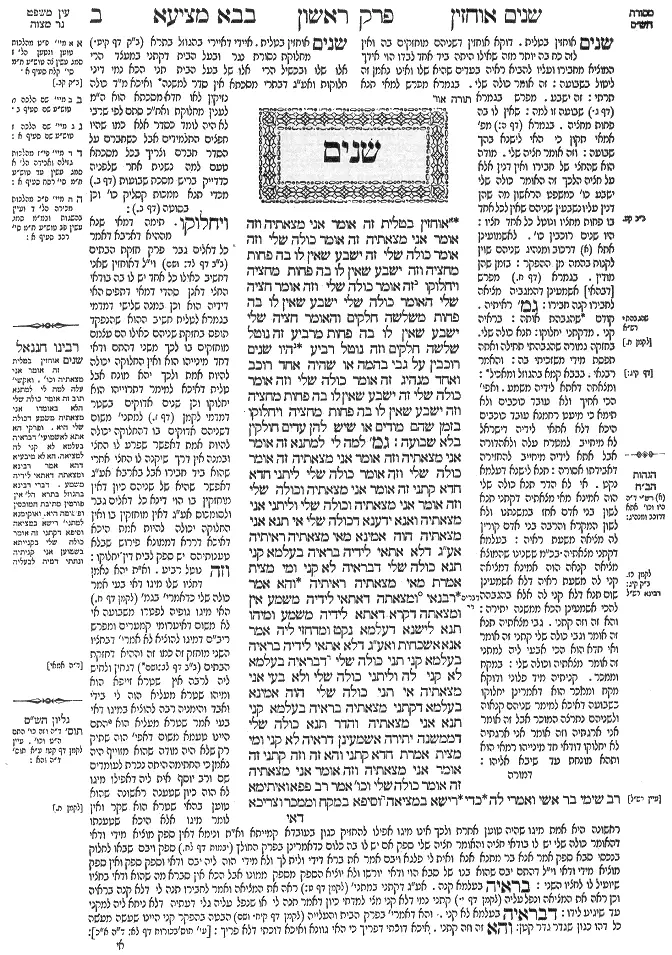
Bava Metzia 2a - Guemara
מתני׳ שנים אוחזין בטלית זה אומר אני מצאתיה וזה אומר אני מצאתיה זה אומר כולה שלי וזה אומר כולה שלי זה ישבע שאין לו בה פחות מחציה וזה ישבע שאין לו בה פחות מחציה ויחלוקו זה אומר כולה שלי וזה אומר חציה שלי האומר כולה שלי ישבע שאין לו בה פחות משלשה חלקים והאומר חציה שלי ישבע שאין לו בה פחות מרביע זה נוטל שלשה חלקים וזה נוטל רביע היו שנים רוכבין על גבי בהמה או שהיה אחד רוכב ואחד מנהיג זה אומר כולה שלי וזה אומר כולה שלי זה ישבע שאין לו בה פחות מחציה וזה ישבע שאין לו בה פחות מחציה ויחלוקו בזמן שהם מודים או שיש להן עדים חולקין בלא שבועה:
גמ׳ למה לי למתנא זה אומר אני מצאתיה וזה אומר אני מצאתיה זה אומר כולה שלי וזה אומר כולה שלי ליתני חדא חדא קתני זה אומר אני מצאתיה וכולה שלי וזה אומר אני מצאתיה וכולה שלי וליתני אני מצאתיה ואנא ידענא דכולה שלי אי תנא אני מצאתיה הוה אמינא מאי מצאתיה ראיתיה אע"ג דלא אתאי לידיה בראיה בעלמא קני תנא כולה שלי דבראיה לא קני ומי מצית אמרת מאי מצאתיה ראיתיה והא אמר רבנאי (דברים כב, ג) ומצאתה דאתאי לידיה משמע אין ומצאתה דקרא דאתא לידיה משמע ומיהו תנא לישנא דעלמא נקט ומדחזי ליה אמר אנא אשכחית ואע"ג דלא אתאי לידיה בראיה בעלמא קני תני כולה שלי דבראיה בעלמא לא קני לה וליתני כולה שלי ולא בעי אני מצאתיה אי תני כולה שלי הוה אמינא בעלמא דקתני מצאתיה בראיה בעלמא קני תנא אני מצאתיה והדר תנא כולה שלי דממשנה יתירה אשמעינן דראיה לא קני ומי מצית אמרת חדא קתני והא זה וזה קתני זה אומר אני מצאתיה וזה אומר אני מצאתיה זה אומר כולה שלי וכו' אמר רב פפא ואיתימא רב שימי בר אשי ואמרי לה כדי רישא במציאה וסיפא במקח וממכר וצריכא
Comments from Rashi on Masechet Bava Metzia Page 2a
מתני' שנים אוחזין בטלית . דוקא אוחזין דשניהם מוחזקים בה ואין לזה כח בה יותר מזה שאילו היתה ביד אחד לבדו הוי אידך המוציא מחבירו ועליו להביא ראיה בעדים שהיא שלו ואינו נאמן זה ליטול בשבועה: זה אומר כולה שלי . בגמרא מפרש למאי תנא תרתי: זה ישבע . מפרש בגמרא (דף ג.) שבועה זו למה: שאין לו בה פחות מחציה . בגמרא (דף ה:) מפרש אמאי תקון כי האי לישנא בהך שבועה: וזה אומר חציה שלי . מודה הוא שהחצי של חבירו ואין דנין אלא על חציה הלכך זה האומר כולה שלי ישבע כו' כמשפט הראשון מה שהן דנין עליו נשבעין שניהם שאין לכל אחד בו פחות מחציו ונוטל כל אחד חציו: היו שנים רוכבין כו' . לאשמועינן אתא דרכוב ומנהיג שניהם שוין לקנות בהמה מן ההפקר: בזמן שהן מודין . בגמרא (דף ח.) מפרש [דבהאי] אשמעינן דהמגביה מציאה לחבירו קנה חבירו: גמ' ראיתיה . קודם שהגבהת אותה: בראיה קני . מדקתני יחלוקו: תנא כולה שלי . בחזקה גמורה שהגבהתי תחילה ואתה תפסת מידי משזכיתי בה: והאמר רבנאי . בבבא קמא בהגוזל ומאכיל: ומצאתה דאתא לידיה משמע . ואפילו הכי אחיך ולא עובד כוכבים ולא תימא כי מיעט רחמנא עובד כוכבים היכא דלא אתאי לידיה דישראל לא מיחייב למטרח עלה ולאהדורה אבל אתא לידיה מיחייב להחזירה דאבידתו אסורה: תנא לישנא דעלמא נקט . אי לא הדר תנא כולה שלי הוה אמינא מאי מצאתיה דקתני תנא לשון בני אדם אחז במשנתנו ולא לשון מקרא והרבה בני אדם קורין לה מציאה משעת ראיה: בעלמא דקתני מצאתיה . בכ"מ ששנינו שהמוצא מציאה קנאה הוה אמינא דמציאה קני לה משעת ראיה דלא אשמעינן שום תנא דלא קני לה אלא בהגבהה להכי אשמעינן הכא ממשנה יתירה: והא זה וזה קתני . גבי מצאתיה תנא זה אומר וגבי כולה שלי קתני זה אומר ואי חדא הוא הכי אבעי ליה למתני זה אומר מצאתיה וכולה שלי: במקח וממכר . קניתיה מיד פלוני ודוקא מקח וממכר הוא דאמרינן יחלוקו בשבועה דאיכא למימר שניהם קנאוה ולשניהם נתרצה המוכר אבל זה אומר אני ארגתיה וזה אומר אני ארגתיה לא יחלוקו דודאי חד מינייהו רמאי הוא ותהא מונחת עד שיבא אליהו:
Comments from Tosafot - Bava Metzia 2a
שנים אוחזין בטלית . איידי דאיירי בהגוזל בתרא (ב"ק דף קיט.) מחלוקת נסורת נגר ובעל הבית דקתני במעצד הרי אלו שלו ובכשיל הרי אלו של בעל הבית תני הכא נמי דיני חלוקות ואע"ג דבתרי מסכתא אין סדר למשנה. ואיכא מ"ד כולה נזיקין לאו חדא מסכתא הוא ה"מ לענין מחלוקת ואח"כ סתם לפי שרבי לא היה לומד כסדר אלא כמו שהיו חפצים התלמידים אבל כשחברם על הסדר חברם וצריך בכל מסכתא טעם למה נשנית אחר שלפניה כדדייק בריש מסכת שבועות (דף ב.) מכדי תנא ממכות קסליק כו' וכן בסוטה (דף ב.): ויחלוקו . תימה דמאי שנא מההיא דארבא דאמר כל דאלים גבר פרק חזקת הבתים (ב"ב דף לד: ושם) וי"ל דאוחזין שאני דחשיב כאילו כל אחד יש לו בה בודאי החצי דאנן סהדי דמאי דתפיס האי דידיה הוא וכן במנה שלישי דמדמי בגמרא לטלית חשיב ההוא שהנפקד תופס בחזקת שניהם כאילו הם עצמם מוחזקים בו לכך משני דהתם ודאי דחד מינייהו הוא ואין החלוקה יכולה להיות אמת ולכך יהא מונח אבל טלית דאיכא למימר דתרוייהו הוא יחלוקו וכן שנים אדוקים בשטר דמדמי לקמן (בבא מציעא דף ז.) למתני' משום דשניהם אדוקים בו דהחלוקה יכולה להיות אמת דאפשר שפרע לו החצי ובמנה אין דרך שיקנה לו החצי אחרי שהוא ביד חבירו אבל בארבא אע"ג דאפשר שהיא של שניהם כיון דאין מוחזקין בו הוי דינא כל דאלים גבר ולסומכוס אע"ג דאין מוחזקין בו ואין החלוקה יכולה להיות אמת היכא דאיכא דררא דממונא פירוש שבלא טענותיהם יש ספק לבית דין יחלוקו: וזה נוטל רביע . וא"ת יהא נאמן דחציו שלו מיגו דאי בעי אמר כולה שלי כדאמרי' בגמ' (לקמן בבא מציעא דף ח.) האי מיגו גופיה לפטרו משבועה אי לא משום דאיערומי קמערים ומפרש ריב"ם דמיגו להוציא לא אמרי' דבחציו השני מוחזק זה כמו זה וההיא דחזקת הבתים (ב"ב דף לב: ושם) דגחין ולחיש ליה לרבה אין שטרא זייפא הוא ומיהו שטרא מעליא הוה לי בידי ואבד והימניה רבה להוציא במיגו דאי בעי אמר שטרא מעליא הוא התם היינו טעמא משום דאפי' הוה שתיק רק שלא היה מודה שהוא מזוייף היה נאמן כי החתימה היתה נכרת לעומדים שם ורב יוסף אית ליה דאפילו מיגו לא הוה כיון שטענה ראשונה שהוא טוען בהאי שטרא הוא שקר ואין לומר מיגו אלא היכא שטענתו ראשונה היא אמת מיגו שהיה טוען אחרת ולכך אינו מיגו אפילו להחזיק כגון בעובדא קמייתא וא"ת ונימא דאין ספק מוציא מידי ודאי דהאומר כולה שלי יש לו בודאי חציה והאומר חציה שלי ספק אם יש לו בה כלום כדאמרינן בפרק החולץ (יבמות דף לח.) ספק ויבם שבאו לחלוק בנכסי סבא ספק אמר אנא בר מתנא אנא ואית לי פלגא ויבם אמר את ברא דידי ולית לך ולא מידי הוה ליה יבם ודאי וספק ספק ואין ספק מוציא מידי ודאי וי"ל דהתם יבם שהוא בנו של סבא הוי ודאי יורשו ולא יוציא הספק מספק ממונו אבל הכא אין סברא מה שהוא ודאי בחציו שיועיל לו לחציו השני: בראיה בעלמא קנה . אע"ג דקתני במתני' (לקמן בבא מציעא דף ט:) ראה את המציאה ואמר לחבירו תנה לי דלא קנה בראיה וכן ראה את המציאה ונפל עליה (לקמן בבא מציעא דף י.) קתני נמי דלא קני מצי למדחי כיון דאמר תנה לי או שנפל עליה גלי דעתיה דלא ניחא ליה למקני עד שיגיע לידו: דבראיה בעלמא לא קני . והא דאמרי' בפרק הבית והעלייה (לקמן בבא מציעא דף קיח. ושם) הבטה בהפקר קני היינו שעשה מעשה כל דהו כגון שגדר גדר קטן: והא זה וזה קתני . איכא דוכתי דפריך כי האי גוונא ואיכא דוכתי דלא פריך: [עי' תוס' בכורות דף לא: ד"ה א"כ]:
Bava Metzia 2a - Mishnah translated into english
The early commentaries ask why this chapter, which discusses details of the halakhot of found items, precedes the second chapter, which discusses the fundamental halakhot of found items.
Tosafot explain that as tractate Bava Metzia follows tractate Bava Kamma, the halakhot of found items are elucidated in this chapter as a continuation of the topics discussed in the last chapter of Bava Kamma, which discussed the division of items between litigants by means of an oath, which is also the ruling in the mishna here (see Shita Mekubbetzet). The Rosh explains that because there is a suspicion of theft in this case, these matters are juxtaposed with the halakhot of theft, which are described at length in Bava Kamma.
MISHNA: If two people came to court holding a garment, and this one, the first litigant, says: I found it, and that one, the second litigant, says: I found it; this one says: All of it is mine, and that one says: All of it is mine; how does the court adjudicate this case? This one takes an oath that he does not have ownership of less than half of it, and that one takes an oath that he does not have ownership of less than half of it, and they divide it.
If this one says: All of it is mine, and that one says: Half of it is mine, since they both agree that half of the cloak belongs to one of them, the conflict between them is only about the other half. Therefore, the one who says: All of it is mine, takes an oath that he does not have ownership of less than three parts, i.e., three-fourths, of it, and the one who says: Half of it is mine, takes an oath that he does not have ownership of less than one-quarter of it. This one takes three parts, and that one takes one-quarter.
If two people were sitting in a riding position on the back of an animal, e.g., a donkey or camel, or one was sitting in a riding position on the animal and one was leading it by its halter, and this one says: All of it is mine, and that one says: All of it is mine, how does the court adjudicate this case? This one takes an oath that he does not have ownership of less than half of it, and that one takes an oath that he does not have ownership of less than half of it, and they divide it.
When they admit to the validity of each other’s claims or when they each have witnesses attesting to their claims, they divide the disputed item without taking an oath, as an oath is administered only in a case where the parties have no other way to prove their claims.
GEMARA: The Gemara asks: Why do I need the tanna to teach two separate claims made by each party? Why does the tanna say both: This one says: I found it, and that one says: I found it; and in addition: This one says: All of it is mine, and that one says: All of it is mine? Let the tanna teach one case. The Gemara answers: The correct understanding of the mishna is that it teaches one claim of each party, as their claims were as follows: This one says: I found it and all of it is mine, and that one says: I found it and all of it is mine.
The Gemara asks: But let the tanna teach a case where each one merely claims: I found it, and I would know that the intention of each litigant is to claim: All of it is mine. The Gemara answers: If the tanna would teach only that each one claimed: I found it, I would say that what is the meaning of the claim: I found it? It means: I saw it. In other words, he is claiming that he saw the item first, and he believes that even though it did not reach his possession, he acquired it through mere sight. Since it would have been possible to think that this is an effective claim, the tanna teaches that the litigant states definitively: All of it is mine, to teach that one does not acquire a lost item through sight alone.
The Gemara challenges this explanation: But how can you say that what the term: I found it, means is actually: I saw it? But didn’t Rabbenai say in interpreting the verse: “And so shall you do with every lost item of your brother’s, which he has lost, and you have found it” (Deuteronomy 22:3), that “and you have found it” indicates that it came into his possession? The term find in the Torah refers exclusively to a situation where the item is in the possession of the finder.
The Gemara answers: Indeed, the phrase “and you have found it” in the verse certainly indicates that it came into his possession. But one might say that the tanna employed colloquial language in the mishna. And in colloquial language, once a person sees an item, he says: I found it, even if it did not yet come into his possession, because he believes that he acquired the item through mere sight. Since it would have been possible to understand the claim of: I found it, in this manner, the tanna teaches that the litigant states definitively: All of it is mine, to teach that one does not acquire a lost item through sight alone.
The Gemara asks: But if that was the objective of the tanna, let him teach that each party need only state: All of it is mine, and the litigant would not need to say: I found it. The Gemara answers: If the tanna had taught that it is sufficient for each party to claim only: All of it is mine, I would say that in general, when the tanna teaches that one claims: I found it, he means that the finder acquires the item through mere sight. Therefore, he taught that the litigants claimed: I found it, and he then taught that the litigants claimed: All of it is mine, to teach that only when the litigants each make both of these claims does the court divide the item, as from the superfluous expression in the mishna he teaches us that one does not acquire the item through sight alone.
After explaining the viability of this interpretation, the Gemara asks: But how can you say that the mishna is teaching one claim of each party? But doesn’t the mishna teach: This one says, and again: This one says? In other words, the mishna writes: This one says: I found it, and that one says: I found it; and it states additionally: This one says: All of it is mine, and that one says: All of it is mine. From the fact that the tanna introduced each of the claims with the phrase: This one says, it is apparent that they are two separate claims, not one compound claim.
Rav Pappa said, and some say it was said by Rav Shimi bar Ashi, and some say it was an unattributed [kedi] statement: The first clause, where each party says: I found it, is referring to a case of a found item, where two people found one item. And the latter clause, where each party says: All of it is mine, is referring to a case of buying and selling, where each party claims that he is the one who bought the item from its seller.
And it is necessary for the mishna to teach its ruling both with regard to a found item and with regard to a purchase.
Traduction : The William Davidson digital edition of the Koren Noé Talmud, with commentary by Rabbi Adin Even-Israel Steinsaltz.