 Talmud Bavli
The learning on the whole site is dedicated : L'ilui Nishmat רינה בת לדיסיה
The learning on the whole site is dedicated : L'ilui Nishmat Margalit bat Ledicia
The learning on the whole site is dedicated : L'ilui Nishmat יוסף בן מושה
Bava Metzia 16a : Youtube
Daf TubeYoutube
1 video class :
Bava Metzia Page 16a
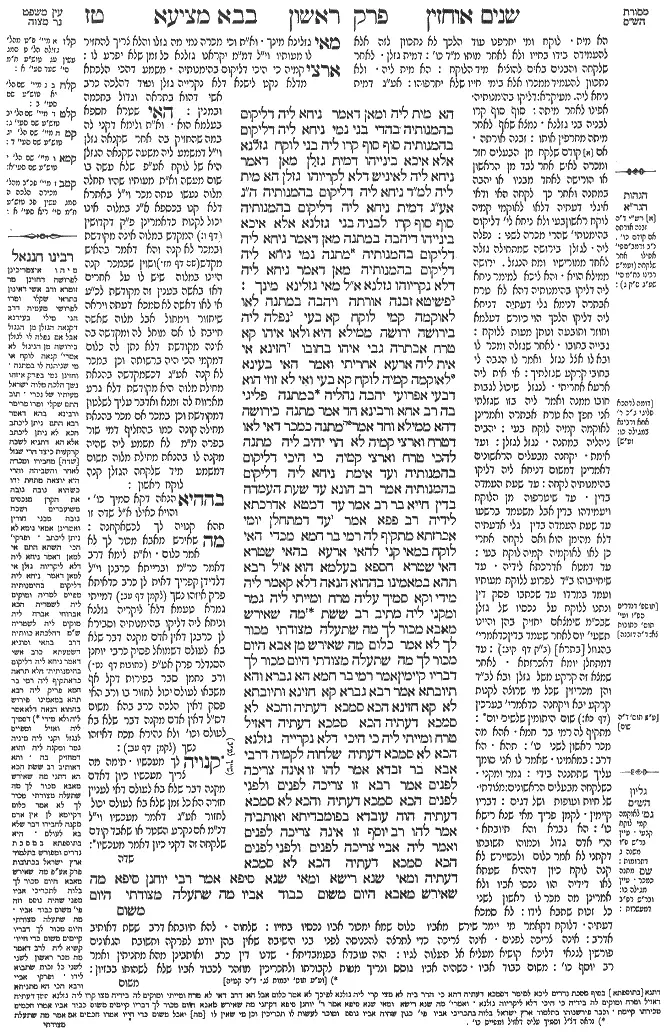
Bava Metzia 16a - Guemara
הא מית ליה ומאן דאמר ניחא ליה דליקום בהמנותיה בהדי בני נמי ניחא ליה דליקום בהמנותיה סוף סוף קרו ליה בני לוקח גזלנא אלא איכא בינייהו דמית גזלן מאן דאמר ניחא ליה לאיניש דלא לקריוהו גזלן הא מית ליה למ"ד ניחא ליה דליקום בהמנותיה ה"נ אע"ג דמית ניחא ליה דליקום בהמנותיה סוף סוף קרו לבניה בני גזלנא אלא איכא בינייהו דיהבה במתנה מאן דאמר ניחא ליה דליקום בהמנותיה מתנה נמי ניחא ליה דליקום בהמנותיה מאן דאמר ניחא ליה דלא נקריוהו גזלנא א"ל מאי גזלינא מינך:
פשיטא זבנה אורתה ויהבה במתנה לאו לאוקמה קמי לוקח קא בעי נפלה ליה בירושה ירושה ממילא היא ולאו איהו קא טרח אבתרה גבי איהו בחובו חזינא אי אית ליה ארעא אחריתי ואמר האי בעינא לאוקמה קמיה לוקח קא בעי ואי לא זוזי הוא דבעי אפרועי יהבה נהליה במתנה פליגי בה רב אחא ורבינא חד אמר מתנה כירושה דהא ממילא וחד אמר מתנה כמכר דאי לאו דטרח וארצי קמיה לא הוי יהיב ליה מתנה להכי טרח וארצי קמיה כי היכי דליקום בהמנותיה ועד אימת ניחא ליה דליקום בהמנותיה אמר רב הונא עד שעת העמדה בדין חייא בר רב אמר עד דמטא אדרכתא לידיה רב פפא אמר עד דמתחלן יומי אכרזתא מתקיף לה רמי בר חמא מכדי האי לוקח במאי קני להאי ארעא בהאי שטרא האי שטרא חספא בעלמא הוא א"ל רבא תהא במאמינו בההוא הנאה דלא קאמר ליה מידי וקא סמיך עליה טרח ומייתי ליה גמר ומקני ליה מתיב רב ששת מה שאירש מאבא מכור לך מה שתעלה מצודתי מכור לך לא אמר כלום מה שאירש מן אבא היום מכור לך מה שתעלה מצודתי היום מכור לך דבריו קיימין אמר רמי בר חמא הא גברא והא תיובתא אמר רבא גברא קא חזינא ותיובתא לא קא חזינא הכא סמכא דעתיה והכא לא סמכא דעתיה הכא סמכא דעתיה דאזיל טרח ומייתי ליה כי היכי דלא נקרייה גזלנא הכא לא סמכא דעתיה שלחוה לקמיה דרבי אבא בר זבדא אמר להו זו אינה צריכה לפנים אמר רבא זו צריכה לפנים ולפני לפנים הכא סמכא דעתיה והכא לא סמכא דעתיה הוה עובדא בפומבדיתא ואותביה אמר להו רב יוסף זו אינה צריכה לפנים ואמר ליה אביי צריכה לפנים ולפני לפנים הכא סמכא דעתיה הכא לא סמכא דעתיה ומאי שנא רישא ומאי שנא סיפא אמר רבי יוחנן סיפא מה שאירש מאבא היום משום כבוד אביו מה שתעלה מצודתי היום
Comments from Rashi on Masechet Bava Metzia Page 16a
הא מית . לוקח ומי יחרפנו עוד הלכך לא נתכוון לזה אלא להעמידה בידו בחייו ולא לאחר מותו מ"ד כו': דמית גזלן . לאחר שלקחה והבנים באים להוציא מיד הלוקח: הא מית ליה . ולא נתכוון להעמיד ממכרו אלא בימי חייו שלא יחרפוהו: אע"ג דמית ניחא ליה . מעיקרא: דליקו בהימנותיה . אפילו לאחר מיתה: סוף סוף קרו לבניה בני גזלנא . נמצא שאף לאחר מיתה מחרפין אותו: זבנה אורתה . אם קודם שלקח מן הבעלים חזר ומכרה לאיש אחר לבד מן הראשון או הורישה לאחד מבניו או יהבה במתנה ואחר כך לקחה האי ודאי איגלי דעתיה דלאו לאוקמי קמיה לוקח ראשון בעי ולא ניחא לי' דליקום בהימנותיה שהרי מכרה לשני: נפלה ליה . לגזלן בירושה שמתחילה גזלה לאחד ממורישיו ומת הנגזל: ירושה ממילא הויא . והא ליכא למימר ניחא ליה דליקו בהימנותיה דהא לא טרח אבתרה דנימא גלי דעתיה דניחא ליה דליקו הלכך הוי כיורש דעלמא וחוזר ותובעה ונותן מעות ללוקח: גבייה בחובו . לאחר שגזלה ומכר לו ובא לו אצל נגזל ואמר לו הגבה לי בחובי קרקע שגזלתיך: אי אית ליה ארעא אחריתי . לנגזל שיכול לגבות חובו ממנה ואמר ליה בזו שגזלתי אני חפץ הא טרח אבתרה ואמרינן: לאוקמה קמיה לוקח בעי: יהביה ניהליה במתנה . נגזל לגזלן: ועד אימת . יקחנה מבעלים הראשונים דאמרינן דמשום דניחא ליה דליקו בהימנותיה לקחה: עד שעת העמדה בדין . עד שיטרפוה מן הלוקח ויעמידהו בדין אבל משעמד ברשעו עד שעת העמדה בדין גלי אדעתיה דלא מהימן הוא ואם לקחה אחרי כן לאו לאוקמיה קמיה לוקח בעי: עד דמטא אדרכתא לידיה . עד שיחייבוהו ב"ד לפרוע ללוקח מעותיו ועמד במרדו עד שכתבו פסק דין ונתנו ללוקח על נכסיו של גזלן שבכ"מ שימצאם יחזיק בהן והיינו תשעים יום לאחר שעמד בדין כדאמרינן בהגוזל [בתרא] (ב"ק דף קיב:): עד דמתחלן יומא דאכרזתא . לאחר שמצא זה קרקע משל גזלן ובא לב"ד והן מכריזין שכל מי שרוצה לקנות קרקע יבא ויקחנה כדאמרינן בערכין (דף כא:) שום היתומין שלשים יום: מתקיף לה רמי בר חמא . אהא מה מכר ראשון לשני כו': תהא . הא דרב: במאמינו . שאמר לו אני סומך עליך שתתננה בידי: גמר ומקני . כשלקחה מבעלים הראשונים: מצודתי . של חיות ועופות ושל דגים: דבריו קיימין . לקמן פריך מאי שנא רישא כו': הא גברא והא תיובתא . הרי אדם גדול וכמוהו תשובתו דקתני לא אמר כלום ולכשיירש לא קנה לוקח כיון דההיא שעתא לאו דידיה הוו נכסי אביו ולא אמרינן מה מכר לו ראשון לשני כל זכות שתבא לידו: לא סמכא דעתיה . דלוקח דקאמר מי יימר שירש מאביו כלום שמא ימכור אביו נכסיו בחייו: שלחוה . להא תיובתא דרב ששת דאותיב אדרב: אינה צריכה לפנים . אינה צריכה כדי לתרצה להכניסה לפני בני הישיבה שאין בהן יודע לפרקה ותשובת הגאונים פורשין לגנאי דליכא קושיא מעליא אל תעלוה לגיו: הוה עובדא בפומבדיתא . שדנו דין כרב ואותבינן מהא מתניתין ואמר רב יוסף כו': משום כבוד אביו . כשהיה אביו גוסס וצריך מעות לקבורתו ולתכריכין מוזהר לכבוד אביו שלא לשהותו בבזיון:
Comments from Tosafot - Bava Metzia 16a
מאי גזלינא מינך . וא"ת וכי מכרה נמי מה גזלו והלא צריך להחזיר לו מעותיו וי"ל דמ"מ יקראנו גזלנא כל זמן שלא יפרע לו: ארצי קמיה כי היכי דליקום בהימנותיה . משמע דהכי הלכתא מדלא נקט לישנא דלא נקרייה גזלן ועוד דהלכה כרב אשי דהוא בתראה וגדול בחכמה ובמנין: האי שטרא חספא בעלמא הוא . וא"ת ולימא דקני לה במה שהחזיק בה אחר שקנאה גזלן וי"ל דמשמע ליה משעה שקנאה הגזלן היא של לוקח אע"פ שלא עשה בו שום מעשה וא"ת מעותיו שהיו תחלה מלוה נעשו עתה מכר וי"ל באתרא דלא קנו בכספא א"נ במלוה אינו יכול לקנות כדאמרינן פ"ק דקדושין (דף ו:) המקדש במלוה אינה מקודשת ובמכר לא קנה והא דאמר בהאיש מקדש (שם דף מז.) ושוין שבמכר קנה היינו במלוה שיש לו על אחרים דאז באשה בענין זה מקודשת לכ"ע אי לאו דאשה לא סמכא דעתה ויראה שיחזור וימחול אבל מלוה שאשה חייבת לו אם מוחל לה ומקדשה בה אינה מקודשת דלא נתן לה כלום דמקמי הכי היה ברשותה וכן במכר לא קנה אע"ג דכשמקדשה בהנאת מחילת מלוה היא מקודשת דלא גרע מארווח לה זמנא ואדבר עליך לשלטון דמקודשת וכן במכר אם מכר בהנאת מחילה קונה כמו בהחליף דמי שור בפרה מ"מ לא משמע ליה שהיה מקנה לו בהנאת מחילת מלוה משום דמשמע מיד שלקחה הגזלן קנה לוקח ראשון: בההיא הנאה דקא סמיך כו' . והויא כאילו א"ל שדה זו תהא קנויה לך לכשאקחנה: מה שאירש מאבא מכור לך לא אמר כלום . וא"ת לימא דרב דאמר כר"מ וברייתא כרבנן וי"ל דלדידן קפריך דאית לן כרב כדאיתא פרק איזהו נשך (לקמן בבא מציעא דף עב:) דמייתי גמרא טעמא דלא ליקריה גזלנא וניחא ליה דליקו בהימנותיה וסבירא לן כרבנן דאין אדם מקנה דבר שלא בא לעולם דשמואל פסיק כרבי יוחנן הסנדלר פרק אע"פ (כתובות דף נט(א,ב).) ורב נחמן סבר בפירות דקל אף משבאו לעולם יכול לחזור בו ורב האי פסק דאין הלכה כרב בהא משום דס"ל דאין אדם מקנה דבר שלא בא לעולם וכו' ולא נהירא מכח דאיזהו נשך (לקמן בבא מציעא דף עב:):
Bava Metzia 16a - Mishnah translated into english
in this case, since the purchaser already died, the owner is not present to call the seller a robber, so he presumably did not intend to retroactively validate the sale. And conversely, according to the one who says that he bought the land because it is preferable for him to maintain his reliability, it is preferable for him to maintain his reliability with regard to the purchaser’s children too.
The Gemara challenges this distinction: Ultimately, the purchaser’s children will also call the seller a robber if the field is appropriated from them. Therefore, there is no difference between the two explanations of Rav’s ruling in a case where the purchaser has died.
Rather, the practical difference between them is in a case where the robber himself died, and his children subsequently bought the field from its owner. According to the one who says that the motivation is that it is preferable for a person not to be called a robber, he already died and this motive is not applicable. While according to the one who says that his motivation is that it is preferable for him to maintain his reliability, in this case also, even though the robber died, it is still preferable for him to maintain his reliability, i.e., one is concerned about the reputation he will have after his death, not only while he is alive.
The Gemara rejects this distinction as well: Ultimately, if the sale is revoked after his death, people will call his children the children of a robber. Just as one does not want to be called a robber during his lifetime, one presumably does not want his children to be called the children of a robber after his death.
Rather, the practical difference between them is in a case where the robber gave the land to the recipient as a gift rather than selling it. According to the one who says that it is preferable for him to maintain his reliability, in the case of a gift also, it is preferable for him to maintain his reliability. While according to the one who says that the motivation is that it is preferable for him not to be called a robber, in this case the robber could say to the recipient of the gift: What did I rob you of? You incurred no loss.
§ The Gemara discusses various scenarios relating to the halakha of one who sold stolen land and then acquired it from the robbery victim. It is obvious that if, after selling the stolen land, the robber sold it again to another person, or bequeathed it, or gave it as a gift, it is clear that the robber does not want to establish it before, i.e., transfer ownership of it to, the original buyer. Therefore, the robber’s purchase of the land from the robbery victim is not assumed to be for the purpose of validating the original sale. The buyer can demand compensation from the robber for the invalid sale, but the land remains in the possession of the second buyer or the recipient of the gift or the inheritance.
Likewise, it is clear that if the land that he stole and then sold later came into his possession not by purchase but as an inheritance, the buyer does not have the rights to it, as an inheritance is acquired passively, and the robber did not make an effort to acquire it. Here too, the buyer can claim only compensation and not the land itself.
If the robber collected the land that he had sold as payment for a debt owed to him by the robbery victim, we need to see the circumstances. If the robbery victim has other land from which the robber could have collected the debt, and nevertheless the robber said: I want to collect this land, apparently the robber wanted to establish it before the buyer and validate the sale.
And if the robbery victim does not have other land, and the robber had no choice as to which land to collect, there is no reason to assume that the robber was attempting to validate the sale. He merely wanted to be paid money for his debt, and not to secure the land for the buyer.
With regard to a case where the robbery victim gave the land as a gift to the robber, Rav Aḥa and Ravina disagree. One says that a gift has the same status as an inheritance, as it is also acquired passively, and one says that a gift has the same status as a sale. This is because were it not for the fact that the robber took the trouble to ingratiate himself with the owner, he would not have given it to him as a gift. It is clearly for this reason that the robber took the trouble to ingratiate himself with him, i.e., in order to validate the sale and thereby maintain his reliability.
The Gemara asks: And until when can it be assumed that the robber bought the land because it is preferable for him to maintain his reliability? Rav Huna says: Until the time of standing trial. Once the purchaser takes the robber to court, it is too late for the robber to protect his reputation, as the purchaser has demonstrated that he does not consider the robber to be trustworthy.
Ḥiyya bar Rav says that the robber would still buy the land from the owner in order to maintain his reliability up until the time that a document of authorization by the court to locate and seize property from the robber comes into the purchaser’s possession. It is only once the robber avoids immediately reimbursing the purchaser and the court is compelled to authorize the purchaser to appropriate the robber’s property that the robber’s reliability is no longer a factor. Rav Pappa says that the robber’s reliability remains a motive to acquire the field until the days of announcement begin. During the days of announcement the court assesses the value of the robber’s property in order to compensate the purchaser.
§ Rami bar Ḥama objects to Rav’s statement, the focal point of this discussion, that the robber transfers to the buyer any rights to the land that he might acquire; after all, by means of what mode of acquisition does this purchaser acquire this land? It is by means of this deed of sale that the robber gave him. The purchase is invalid, as this document is merely a shard, since the robber did not own, at the time of the sale, the land he purported to sell.
Rava said to him in response: Let Rav’s statement be understood as applying to a case where the buyer said to the robber that he trusts him to resolve the legal issue. By virtue of that satisfaction that the robber received from the buyer’s not having said anything to him to question his rights to the land, but rather having relied on him, the robber therefore takes the trouble and brings to him the opportunity to purchase the land and resolves to transfer the land’s ownership to him.
Rav Sheshet raises an objection to Rav’s statement from a baraita that states that if one says: That which I will inherit from my father is hereby sold to you, or: That which my net will catch is sold to you, he has said nothing, as one cannot sell that which he does not yet own. But if one says: That which I will inherit from my father today is hereby sold to you, or: That which my net will catch today is sold to you, his statement stands. The first halakha of the baraita indicates that one cannot sell that which he does not yet own, which contradicts Rav’s ruling.
Rami bar Ḥama said about this objection: This is the great man and this is his refutation of Rav’s opinion; i.e., this refutation is compelling.
Rava said in response: I see that he is a great man, but I do not see the conclusive refutation. Here, in the case of validating a sale, the purchaser relies on the seller and is confident he will acquire the land; but there, in the case of the baraita, the purchaser does not fully rely on the seller. The Gemara explains: Here, in the case of validating the sale, the purchaser relies on the seller to go take the trouble and provide him with the land so that he will not be called a robber. Whereas there, in the case of the baraita, the purchaser does not fully rely on the seller, as it is uncertain whether the seller will actually inherit his father’s property or catch anything with his net.
The Gemara relates that the Sages sent Rav Sheshet’s objection and presented it before Rabbi Abba bar Zavda for his evaluation. Rabbi Abba bar Zavda said to them: This objection need not be introduced inside the study hall for further clarification, as it is clear and compelling. Rava disagreed and said: This objection needs to be brought inside the study hall and inside the innermost area of the study hall. In other words, it should be examined carefully, as it is not compelling. This is because here, the purchaser relies on the seller, whereas there, in the case of the baraita, the purchaser does not fully rely on the seller.
There was an incident in Pumbedita where the court ruled in accordance with the opinion of Rav, and the Sages refuted the ruling based on the baraita cited earlier. Rav Yosef said to them: This objection need not be introduced inside the study hall for further clarification, as the objection is clear and compelling. And Abaye said to him: It needs to be brought inside the study hall and inside the innermost area of the study hall, as here the purchaser relies on the seller, whereas there the purchaser does not fully rely on the seller.
The Gemara asks concerning the baraita cited earlier: And what is different in the first clause, where the sale is not valid, and what is different in the latter clause, where the sale is valid? In both cases, the seller does not yet own the merchandise. Rabbi Yoḥanan said: In the latter clause, when the seller states: I am selling that which I will inherit from my father today, he does so for the honor of his father. He believes that his father will die that day, and his intention is to raise money for the burial. Consequently, the Sages instituted an ordinance that the sale is valid. Similarly, in the case of a person who says: That which my net will catch today is sold to you,
Traduction : The William Davidson digital edition of the Koren Noé Talmud, with commentary by Rabbi Adin Even-Israel Steinsaltz.