 Talmud Bavli
The learning on the whole site is dedicated : L'ilui Nishmat אסתר בת חיים
The learning on the whole site is dedicated : L'ilui Nishmat Yaakov ben Myriam
The learning on the whole site is dedicated : L'ilui Nishmat Chemouel Eliezer ben Batcheva
Bava Metzia 24a : Youtube
Daf TubeYoutube
1 video class :
Bava Metzia Page 24a
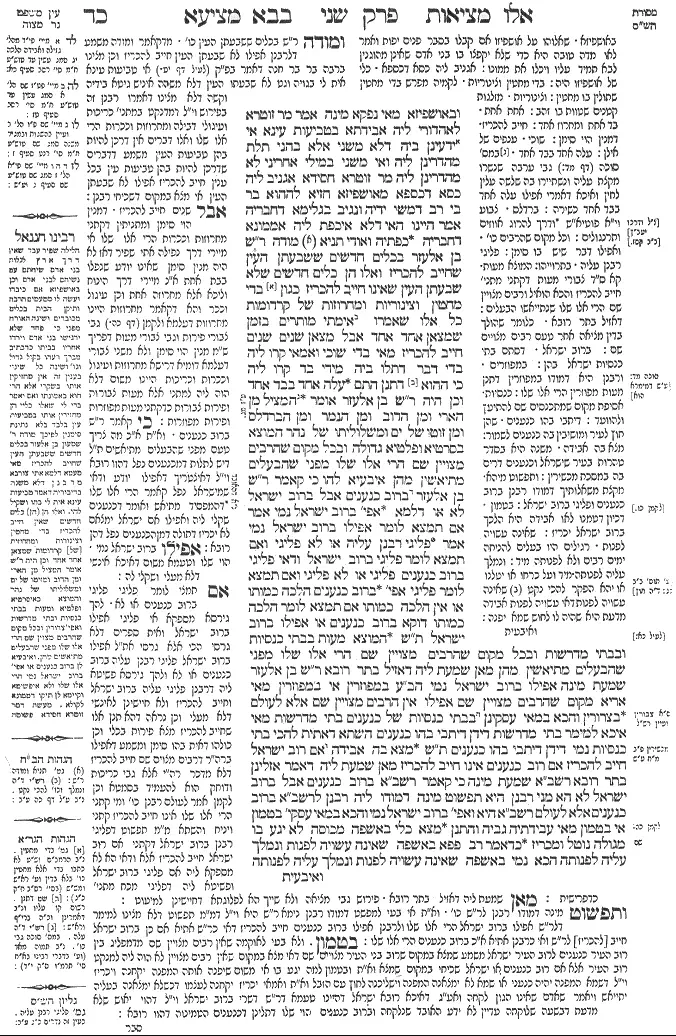
Bava Metzia 24a - Guemara
ובאושפיזא מאי נפקא מינה אמר מר זוטרא לאהדורי ליה אבידתא בטביעות עינא אי ידעינן ביה דלא משני אלא בהני תלת מהדרינן ליה ואי משני במילי אחריני לא מהדרינן ליה מר זוטרא חסידא אגניב ליה כסא דכספא מאושפיזא חזיא לההוא בר בי רב דמשי ידיה ונגיב בגלימא דחבריה אמר היינו האי דלא איכפת ליה אממונא דחבריה כפתיה ואודי תניא מודה ר"ש בן אלעזר בכלים חדשים ששבעתן העין שחייב להכריז ואלו הן כלים חדשים שלא שבעתן העין שאינו חייב להכריז כגון בדי מחטין וצינוריות ומחרוזות של קרדומות כל אלו שאמרו אימתי מותרים בזמן שמצאן אחד אחד אבל מצאן שנים שנים חייב להכריז מאי בדי שוכי ואמאי קרו ליה בדי דבר דתלו ביה מידי בד קרו ליה כי ההוא דתנן התם עלה אחד בבד אחד וכן היה ר"ש בן אלעזר אומר המציל מן הארי ומן הדוב ומן הנמר ומן הברדלס ומן זוטו של ים ומשלוליתו של נהר המוצא בסרטיא ופלטיא גדולה ובכל מקום שהרבים מצויין שם הרי אלו שלו מפני שהבעלים מתיאשין מהן איבעיא להו כי קאמר ר"ש בן אלעזר ברוב כנענים אבל ברוב ישראל לא או דלמא אפי' ברוב ישראל נמי אמר אם תמצא לומר אפילו ברוב ישראל נמי אמר פליגי רבנן עליה או לא פליגי ואם תמצא לומר פליגי ברוב ישראל ודאי פליגי ברוב כנענים פליגי או לא פליגי ואם תמצא לומר פליגי אפי' ברוב כנענים הלכה כמותו או אין הלכה כמותו אם תמצא לומר הלכה כמותו דוקא ברוב כנענים או אפילו ברוב ישראל ת"ש המוצא מעות בבתי כנסיות ובבתי מדרשות ובכל מקום שהרבים מצויין שם הרי אלו שלו מפני שהבעלים מתיאשין מהן מאן שמעת ליה דאזיל בתר רובא ר"ש בן אלעזר שמעת מינה אפילו ברוב ישראל נמי הב"ע במפוזרין אי במפוזרין מאי אריא מקום שהרבים מצויין שם אפילו אין הרבים מצויין שם אלא לעולם בצרורין והכא במאי עסקינן בבתי כנסיות של כנענים בתי מדרשות מאי איכא למימר בתי מדרשות דידן דיתבי בהו כנענים השתא דאתית להכי בתי כנסיות נמי דידן דיתבי בהו כנענים ת"ש מצא בה אבידה אם רוב ישראל חייב להכריז אם רוב כנענים אינו חייב להכריז מאן שמעת ליה דאמר אזלינן בתר רובא רשב"א שמעת מינה כי קאמר רשב"א ברוב כנענים אבל ברוב ישראל לא הא מני רבנן היא תפשוט מינה דמודו ליה רבנן לרשב"א ברוב כנענים אלא לעולם רשב"א היא ואפי' ברוב ישראל נמי והכא במאי עסקי' בטמון אי בטמון מאי עבידתיה גביה והתנן מצא כלי באשפה מכוסה לא יגע בו מגולה נוטל ומכריז כדאמר רב פפא באשפה שאינה עשויה לפנות ונמלך עליה לפנותה הכא נמי באשפה שאינה עשויה לפנות ונמלך עליה לפנותה
Comments from Rashi on Masechet Bava Metzia Page 24a
באושפיזא . שאלוהו על אושפיזו אם קבלו בסבר פנים יפות ואמר לאו מדה טובה היא כדי שלא יקפצו בו בני אדם שאינן מהוגנין לבא תמיד עליו ויכלו את ממונו: אגניב ליה כסא דכספא . כלי של אושפיזו היה: בדי מחטין וצינוריות . לקמיה מפרש בדי מחטין שתולין בו מחטין: וצינוריות . מזלגות קטנים שטוות בו זהב: חייב להכריז . דמנין הוי סימן: אחת אחת . בד אחת ומחרוז אחד: שוכי . ענפים של אילן: עלה אחד בבד אחד . במס' סוכה (דף מד:) גבי ערבה שנשרו מקצת עליה ונשתיירו בה שלשה עלין לחין ואיכא דאמרי אפילו עלה אחד בבד אחד כשירה: ברדלס . צבוע וי"א פוטיא"ש ודרך להרוג אווזים ותרנגולים: וכל מקום שהרבים כו' . ואפילו דבר שיש בו סימן: פליגי רבנן עליה . בתרוייהו: המוצא מעות . קא ס"ד צבורי מעות דקתני מתני' חייב להכריז והכא הואיל ורבים מצויין שם הרי אלו שלו שנתייאשו הבעלים: דאזיל בתר רובא . כלומר שהולך בדין מציאה אחר טעם רבים מצויים שם: ברוב ישראל . דסתם בתי כנסיות ישראל בהן: במפוזרים . ורבנן היא דמודו במפוזרין דתנן מעות מפוזרין הרי אלו שלו: כנסיות . אסיפת מקום שמתכנסים שם להתיעץ ולהוועד: דיתבי בהו כנענים . שהן חוץ לעיר ומושיבין בה כנענים לשמור: מצא בה אבידה . משנה היא בסדר טהרות בעיר שישראל וכנענים דרים בה במסכת מכשירין: ותפשוט מיהא . מקצת משאלותיך דמודו רבנן ברוב כנענים ופליגי ברוב ישראל: בטמון . דכיון דטמנו לאו אבידה היא הלכך ברוב ישראל יכריז: שאינה עשויה לפנות . רגילים היו בעלים להניחה ימים רבים ולא לפנותה מיד: ונמלך עליה לפנותה . מיד ועל כרחו או יטלנו או יהא הפקר להכי נקט שאינה עשויה לפנות דאי עשויה לפנות אבידה מדעת היא שהיה לו לחוש שמא יפנה:
Comments from Tosafot - Bava Metzia 24a
באושפיזא . אם שאלוהו אם קבלוהו בסבר פנים יפות יאמר לא כדפירש רש"י דאמרינן בערכין (דף טז.) מברך רעהו בקול גדול בבקר השכם בערב קללה תחשב לו וא"ת והא אמרינן בברכות (דף נח.) אורח טוב אומר כל מה שטרח בעל הבית לא טרח אלא בשבילי וי"ל דהתם מיירי בין בני אדם מהוגנים והכא בין בני אדם שאינם מהוגנים והא דלא חשיב הכא מותר לשנות מפני דרכי שלום כדאמרינן פרק הבא על יבמתו (יבמות דף סה:) משום דהני נמי משום דרכי שלום הן ורגילין יותר מאחרים להכי נקט הני: ומודה ר"ש בכלים ששבעתן העין כו' . מדקאמר ומודה משמע דלרבנן אפילו לא שבעתן העין חייב להכריז וכן מצינו ברבה בר בר חנה דאמר בפ"ק (לעיל בבא מציעא דף יט.) אי טביעות עינא אית לי בגויה וגט לא שבעתו העין דלא משהה איניש גיטא בידיה וקשה דלא מצינו דאמרו רבנן זה בפירוש וי"ל דמדנקט במתני' כריכות ועיגולי דבילה ומחרוזות וככרות הרי אלו שלו ואלו דברים אין דרכן להיות בהן טביעות העין משמע דדברים שדרכן להיות בהן טביעות עין בכל ענין חייב להכריז אפילו לא שבעתן העין אי מצא במקום דשכיחי רבנן: אבל שנים חייב להכריז . דמנין הוי סימן ומתניתין דקתני מחרוזות וככרות הרי אלו שלו אי מיירי דרך נפילה אתי שפיר דאז לא היה מנין סימן שאינו יודע שנפלו בבת אחת א"נ מיירי דרך הינוח וליכא אלא מחרוזה אחת וכן עיגול וככר והא דקאמר מחרוזות היינו מחרוזות דעלמא ולקמן (בבא מציעא דף כה.) גבי צבורי פירות וגבי צבורי מעות דפריך ש"מ מנין הוי סימן ולא משני צבורי דעלמא דומיא דרישא מחרוזות ועיגול וככרות וכריכות היינו משום דלא הוה ליה למתני אלא מעות צבורות ופירות צבורות כדקתני מעות מפוזרות ופירות מפוזרות: כי קאמר ר"ש ברוב כנענים . וא"ת א"כ מה צריך טעם מפני שהבעלים מתיאשים ת"ל דיש לתלות דמכנענים נפל דהוו רובא וי"ל דאיצטריך דאפילו יודע ודאי שמישראל נפל קאמר הרי אלו שלו דהמפסיד מתיאש ואומר דכנענים שקלי ליה ואפילו אם ישראל ימצאם לא יכריז דתולה דמן הכנענים נפל דהן רובא: אפילו ברוב ישראל נמי . הוי שלו וטעמא משום דאיכא אינשי דלא מעלי ושקלי לה: אם תמצי לומר פליגי פליגי ברוב כנענים או לא . להך גירסא מספקא אי פליגי אפילו ברוב ישראל ואית ספרים דלא גרסי הכי אלא גרסי את"ל אפילו ברוב ישראל פליגי רבנן עליה ברוב כנענים או לא ולהך גירסא פשיטא ליה דרבנן פליגי עליה ברוב ישראל וחייב להכריז ולא חיישינן לאינשי דלא מעלי וכן נראה דהא תנן אלו שחייב להכריז מצא פירות בכלי וכן כולהו דאית בהו סימן ומשמע דאפילו ברה"ר דרבים מצוים שם חייב להכריז דלא מדכר רה"י אלא גבי כריכות ודוחק הוא להעמיד בסמטא וכן לקמן אמר לעולם רבנן כו' ומי קתני הרי אלו שלו אינו חייב להכריז קתני ויניח והשתא מ"מ תפשוט דפליגי רבנן ברוב ישראל דקתני אם רוב ישראל חייב להכריז אלא ודאי הא לא מספקא ליה אם פליגי ברוב ישראל ופשיטא ליה דפליגי מכח מתני' כדפרישית: מאן שמעת ליה דאזיל בתר רובא . פירוש גבי מציאה ולא שייך הא לפלוגתא דחיישינן למיעוט: ותפשוט מינה דמודו רבנן לר"ש כו' . וא"ת אי בעי למפשט דמודו רבנן נימא ר"ש היא וי"ל דמ"מ תפשוט דלא מצינו למימר דלר"ש אפילו ברוב ישראל הרי אלו שלו ולרבנן אפילו ברוב כנענים חייב להכריז דאי כר"ש אתיא אם כן ברוב ישראל חייב [להכריז] לר"ש ואי כרבנן אתיא א"כ ברוב כנענים הרי אלו שלו: בטמון . ולא בעי לאוקמה שאין רבים מצויין שם מדמפליג בין רוב העיר כנענים לרוב העיר ישראל משמע שמצא במקום שרוב בני העיר מצויים שם דאי מצא במקום שאין רבים מצויין לא הוה ליה למנקט רוב העיר אלא אם רוב כנענים או ישראל שכיחי במקום שמצא וא"ת ובטמון למה יגע בו אי משום שיפנה אותה המפנה יקחנה ויכריז וי"ל דשמא המפנה יהיה כנעני או שמא לא ימצאנה המפנה וישליכנה לחוץ עם הזבל וא"ת ואמאי יכריז יקחנה לעצמו דכשלא ימצאנה בעליה יתייאש ויאמר שאדם שאינו הגון לקחה ואע"ג דאיכא רובא ישראל דהיינו טעמא דר"ש דשרי ברוב ישראל וי"ל דהוי יאוש שלא מדעת דבשעה שלוקחה עדיין לא ידע האובד שנלקחה וברוב כנענים הוי שלו דתלינן דכנענים הטמינוה דהוו רובא:
Bava Metzia 24a - Mishnah translated into english
And he can lie with regard to a host [ushpiza], as one may say that he was not well received by a certain host to prevent everyone from taking advantage of the host’s hospitality. What is the practical difference that emerges from this statement with regard to matters in which Torah scholars deviate from the truth? Mar Zutra says: The practical difference is with regard to returning a lost item on the basis of visual recognition. If we know about him that he alters his statements only with regard to these three matters, we return the lost item to him, but if he alters his statements with regard to other matters, we do not return the lost item to him.
The Gemara relates: A silver goblet was stolen from the host of Mar Zutra Ḥasida. Mar Zutra saw a certain student of Torah who washed his hands and dried them on the cloak of another. Mar Zutra said: This is the one who does not care about the property of another. He bound that student, and the student then confessed that he stole the goblet.
It is taught in a baraita: Although Rabbi Shimon ben Elazar holds that one does not need to proclaim his finding of anpurya vessels, he concedes that the finder is obligated to proclaim his find of new vessels that the eye of its purchaser has sufficiently seen. And these are new vessels that the eye of its purchaser has not yet sufficiently seen and concerning which the finder is not obligated to proclaim his find: for example, branches [badei] upon which needles or utensils for spinning are hanging, or strings of axes. When is it permitted for the one who finds all those items that the tanna mentioned in the baraita to keep them? It is when he found them one at a time. But if he found them two at a time, the finder is obligated to proclaim his find.
The Gemara clarifies: What is the meaning of the term badei? It means branches. And why did the tanna call them branches? It is because the item upon which one hangs another item [davar detalu bei midei], he calls it a branch, like that which we learned there (Sukka 44b): One leaf on one branch.
§ The baraita continues: And likewise, Rabbi Shimon ben Elazar would say: In the case of one who rescues a lost item from a lion, or from a bear, or from a leopard, or from a cheetah [bardelas], or from the tide of the sea, or from the flooding of a river; and in the case of one who finds a lost item in a main thoroughfare [seratya] or a large plaza [pelatya], or in any place where the multitudes are found, these items belong to him due to the fact that the owner despairs of their recovery.
A dilemma was raised before the Sages: When Rabbi Shimon ben Elazar says that if one finds a lost item in any place where multitudes are found, the item belongs to him, did he refer only to a place where there is a majority of gentiles; but in a place where there is a majority of Jews, the owner does not despair of recovering the item, because he relies on the Jews to return his item? Or perhaps, even in a place where there is a majority of Jews, he also says that the item belongs to the one who found it.
And if you say that even in a place where there is a majority of Jews, he also said that the item belongs to the one who found it, do the Rabbis disagree with him or do they not disagree?
And if you say that the Rabbis disagree with him, in a place where there is a majority of Jews, they certainly disagree. In a place where there is a majority of gentiles, do the Rabbis disagree, or do they not disagree?
And if you say that the Rabbis disagree with him even in a place where there is a majority of gentiles, is the halakha in accordance with the opinion of Rabbi Shimon ben Elazar, or is the halakha not in accordance with his opinion?
And if you say that the halakha is in accordance with the opinion of Rabbi Shimon ben Elazar, does this halakha apply specifically in a place where there is a majority of gentiles, or is the halakha in accordance with his opinion even in a place where there is a majority of Jews?
The Gemara suggests: Come and hear a proof from a baraita: In the case of one who finds coins in synagogues [bevatei khenesiyyot] and study halls or in any place where the multitudes are found, these coins belong to him, due to the fact that the owner despairs of their recovery. Who is the one about whom you heard that he follows the multitudes, i.e., that he attaches significance to the loss of an item in a place where the multitudes are present? It is Rabbi Shimon ben Elazar. Conclude from the baraita that Rabbi Shimon ben Elazar holds that a lost item belongs to the finder even in a place where there is a majority of Jews, as synagogues and study halls are places frequented exclusively by Jews.
The Gemara rejects the proof. With what are we dealing here? We are dealing with a case where the coins are scattered and there is no distinguishing mark on them. The Gemara asks: If it is a case where the coins are scattered, why did the baraita establish the case specifically in a place where the multitudes are found? Even in a place where the multitudes are not found, the coins belong to the finder.
Rather, actually the baraita is referring to a case where the coins are bound, and with what are we dealing here? This is a case where the coins were found in the houses of assembly [bevatei khenesiyyot] of gentiles, not in synagogues. That resolves the matter of synagogues; but with regard to study halls, which are exclusive to Jews, what can be said? The Gemara answers: The baraita is referring to our study halls in which gentile guards or custodians are sitting. The Gemara notes: Now that you have arrived at this explanation, the batei khenesiyyot in the baraita can be explained as referring to our synagogues, in which gentiles are sitting.
Come and hear a proof from a mishna (Makhshirin 2:8): In a case when one found a lost item in a city where both Jews and gentiles reside, if the city has a majority of Jews he is obligated to proclaim his find. If there is a majority of gentiles he is not obligated to proclaim his find. Who is the one about whom you heard that he follows the multitudes, i.e., that he attaches significance to the loss of an item in a place where the multitudes are present? It is Rabbi Shimon ben Elazar. Resolve from this mishna that when Rabbi Shimon ben Elazar says that the item belongs to the finder, it is referring specifically to a place where there is a majority of gentiles, but in a place where there is a majority of Jews, no, it does not belong to the finder.
The Gemara rejects this proof: In accordance with whose opinion is this mishna? It is in accordance with the opinion of the Rabbis. The Gemara suggests: In any case, resolve the dilemma from the mishna that the Rabbis concede to Rabbi Shimon ben Elazar in a place where there is a majority of gentiles.
The Gemara rejects this explanation: Rather, actually the mishna is in accordance with the opinion of Rabbi Shimon ben Elazar, and he stated his opinion even in a place where there is a majority of Jews. And with what are we dealing here? This is a case where the found item is concealed. The Gemara asks: If the item is concealed, what is the reason the item is with the finder? Clearly it was placed there and the owner will return to retrieve it. And didn’t we learn in a mishna (25b): In a case where one found a vessel in a garbage dump, if the vessel is concealed he may not touch it, but if it is exposed, the finder takes the item and proclaims his find.
The Gemara answers: It can be explained as Rav Pappa says elsewhere, that it is referring to a garbage dump that is not designed to be cleared, and the owner of the land reconsidered and decided to clear it. If one finds concealed vessels he should proclaim his find, because otherwise the vessels will be cleared with the rest of the garbage dump. Here too, the mishna is referring to a garbage dump that is not designed to be cleared, and the owner of the land reconsidered and decided to clear it. If one finds concealed items, his course of action is determined by the identity of the majority of the residents of the city. If they are Jews, he must proclaim his find, and if not, he need not proclaim his find. No proof can be cited to resolve the dilemma.
Traduction : The William Davidson digital edition of the Koren Noé Talmud, with commentary by Rabbi Adin Even-Israel Steinsaltz.