 Talmud Bavli
The learning on the whole site is dedicated : For the success of Elyahou ben H'anna & family
The learning on the whole site is dedicated : L'ilui Nishmat Jacques Isaac Ben Amram Loubaton
The learning on the whole site is dedicated : L'ilui Nishmat Jamila bat Chlomo Abensour
Bava Metzia 55a : Youtube
Daf TubeYoutube
1 video class :
Bava Metzia Page 55a
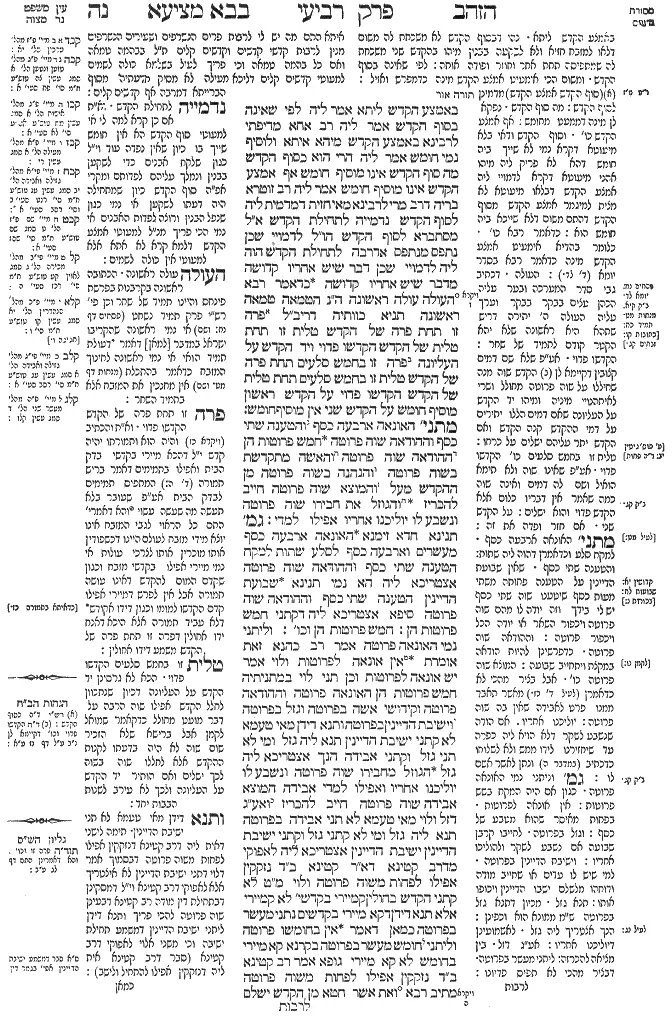
Bava Metzia 55a - Guemara
באמצע הקדש ליתא אמר ליה לפי שאינה בסוף הקדש אמר ליה רב אחא מדיפתי לרבינא באמצע הקדש מיהא איתא ולוסיף נמי חומש אמר ליה הרי הוא כסוף הקדש מה סוף הקדש אינו מוסיף חומש אף אמצע הקדש אינו מוסיף חומש אמר ליה רב זוטרא בריה דרב מרי לרבינא מאי חזית דמדמית ליה לסוף הקדש נדמייה לתחילת הקדש א"ל מסתברא לסוף הקדש הו"ל לדמויי שכן נתפס מנתפס אדרבה לתחילת הקדש הוה ליה לדמויי שכן דבר שיש אחריו קדושה מדבר שיש אחריו קדושה כדאמר רבא (ויקרא ו, ג) העולה עולה ראשונה ה"נ הטמאה טמאה ראשונה תניא כוותיה דריב"ל פרה זו תחת פרה של הקדש טלית זו תחת טלית של הקדש הקדשו פדוי ויד הקדש על העליונה פרה זו בחמש סלעים תחת פרה של הקדש טלית זו בחמש סלעים תחת טלית של הקדש הקדשו פדוי על הקדש ראשון מוסיף חומש על הקדש שני אין מוסיף חומש:
מתני׳ האונאה ארבעה כסף והטענה שתי כסף וההודאה שוה פרוטה חמש פרוטות הן ההודאה שוה פרוטה והאשה מתקדשת בשוה פרוטה והנהנה בשוה פרוטה מן ההקדש מעל והמוצא שוה פרוטה חייב להכריז והגוזל את חבירו שוה פרוטה ונשבע לו יוליכנו אחריו אפילו למדי:
גמ׳ תנינא חדא זימנא האונאה ארבעה כסף מעשרים וארבעה כסף לסלע שתות למקח הטענה שתי כסף וההודאה שוה פרוטה אצטריכא ליה הא נמי תנינא שבועת הדיינין הטענה שתי כסף וההודאה שוה פרוטה סיפא אצטריכא ליה דקתני חמש פרוטות הן:
חמש פרוטות הן וכו':
וליתני נמי האונאה פרוטה אמר רב כהנא זאת אומרת אין אונאה לפרוטות ולוי אמר יש אונאה לפרוטות וכן תני לוי במתניתיה חמש פרוטות הן האונאה פרוטה וההודאה פרוטה וקידושי אשה בפרוטה וגזל בפרוטה וישיבת הדיינין בפרוטה ותנא דידן מאי טעמא לא קתני ישיבת הדיינין תנא ליה גזל ומי לא תני גזל וקתני אבידה הנך אצטריכא ליה גזל הגוזל מחבירו שוה פרוטה ונשבע לו יוליכנו אחריו ואפילו למדי אבידה המוצא אבידה שוה פרוטה חייב להכריז ואע"ג דזל ולוי מאי טעמא לא תני אבידה בפרוטה תנא ליה גזל ומי לא קתני גזל וקתני ישיבת הדיינין ישיבת הדיינין אצטריכא ליה לאפוקי מדרב קטינא דא"ר קטינא ב"ד נזקקין אפילו לפחות משוה פרוטה ולוי מ"ט לא קתני הקדש בחולין קמיירי בקדשי' לא קמיירי אלא תנא דידן דקא מיירי בקדשים נתני מעשר בפרוטה כמאן דאמר אין בחומשו פרוטה וליתני חומש מעשר בפרוטה בקרנא קא מיירי בחומש לא קא מיירי גופא אמר רב קטינא ב"ד נזקקין אפילו לפחות משוה פרוטה מתיב רבא (ויקרא ה, טז) ואת אשר חטא מן הקדש ישלם
Comments from Rashi on Masechet Bava Metzia Page 55a
באמצע הקדש ליתא . נהי דבסוף הקדש לא משכחת לה משום דלאו למזבח חזיא ולא לשקעה בבנין מיהו בהקדש שני משכחת לה שמתפיסה תחת אחר וחוזר ופודה אותה: לפי שאינה בסוף הקדש . ומשום הכי אימעיט אמצע הקדש מינה כדמפרש ואזיל: (סוף הקדש אמצע הקדש) מדמינן לסוף הקדש: מה סוף הקדש . נפקא לן מינה דממעט מחומש: אף אמצע הקדש כו' . וסוף הקדש ודאי בלא מיעוטא דקרא נמי לא שייך ביה חומש דהא לא פריק ליה מיהו אהני מיעוטא דקרא לדמויי ליה אמצע הקדש דבלאו מיעוטא לא מצית למיגמר אמצע הקדש מסוף הקדש דהתם משום דלא שייכא ביה חומש הוא: כדאמר רבא כו' . כלומר בהדיא אימעיט אמצע הקדש מינה כדאמר רבא בסדר יומא (דף לד.): העולה . דכתיב גבי סדר המערכה ובער עליה הכהן עצים בבקר בבקר וערך עליה העולה ה' יתירה דריש שתהא היא ראשונה שלא יהא הקטר קודם לתמיד של שחר: הקדשו פדוי . אע"פ שלא שם דמים קצובין דקיימא לן הקדש שוה מנה שחיללו על שוה פרוטה מחולל ושרי לאיתהנויי מיניה ומיהו יד הקדש על העליונה שאם דמים הללו יתירים על דמי ההקדש קנה הקדש ואם הקדש יתר עליהם ישלים על כרחו: טלית זו בחמש סלעים כו' הקדשו פדוי . אע"פ שאינו שוה ולא תימא הואיל ושם לה דמים ואינה שוה כמה שאמר אין דבריו כלום אלא הקדש פדוי והוא ישלים: על הקדש שני . אם חזר ופדה את זה: מתני' האונאה ארבעה כסף . למקח סלע וכדאמרן דהוה ליה שתות: והטענה שתי כסף . שאין שבועת דיינין על הטענה פחותה משתי מעות כסף שיטענו שוה שתי כסף יש לי בידך וזה יודה לו מהם שוה פרוטה ויכפור השאר או יודה הכל ויכפור פרוטה: וההודאה שוה פרוטה . כדפרשינן להיות הודאה במקצת ויתחייב שבועה: המוצא שוה פרוטה כו' . אבל בציר מהכי לא כדאמרן (לעיל בבא מציעא ד' כז.) מאשר תאבד ממנו פרט לאבידה שאין בה שוה פרוטה: ויוליכנו אחריו . אם הודה שנשבע לשקר דלא הויא ליה כפרה עד שיחזירנו לידו ממש ולא לשלוחו כדכתיב (במדבר ה) ונתן לאשר אשם לו: גמ' וניתני נמי האונאה פרוטה . כגון אם היה המקח בשש פרוטות: אין אונאה לפרוטות . בפחות מאיסר שהוא מטבע של כסף: וגזל בפרוטה . לחייבו קרבן שבועה אם נשבע לשקר ולהוליכו אחריו: וישיבת הדיינין בפרוטה . למי שיש לו עדים או שחייב מודה ודוחהו מלשלם ישבו הדיינין ויכופו אותו: תנא גזל . מכיון דתנא גזל בפרוטה ש"מ ממונא הוא וכפינן: הנך אצטריך ליה גזל . לאשמועינן דיוליכנו אחריו: אע"ג דזל . בין מציאה להכרזה: ליתני מעשר בפרוטה . דבציר מהכי לא תפיס פדיונו:
Comments from Tosafot - Bava Metzia 55a
נדמייה לתחילת הקדש . וא"ת אם כן קרא למה לי אי למעוטי סוף הקדש הא אין חומש שייך בו כיון שאין נפדה עוד וי"ל כגון שלקח אבנים כדי לשקען בבנין ונמלך עליהם לפדותם ומקרי אפ"ה סוף הקדש כיון שמתחילה היה דעתו לשקען אי נמי כגון שנפל הבנין ורוצה לפדות האבנים אי נמי הכי פריך מנ"ל למעוטי אמצע הקדש דלמא קרא לא אתא אלא למעוטי אין כולה לשמים: העולה עולה ראשונה . הכתובה ראשונה בקרבנות בפרשת פינחס והיינו תמיד של שחר וכן פי' רש"י פרק תמיד נשחט (פסחים דף נח: ושם) אי נמי ראשונה שהקריבו ישראל במדבר [למאן] דאמר דעולת תמיד הואי אי נמי ראשונה לחינוך המזבח כדאמר בהתכלת (מנחות דף מט. ושם) אין מחנכין את המזבח אלא בתמיד השחר: פרה זו תחת פרה של הקדש הקדשו פדוי . וא"ת והכתיב (ויקרא כז) והיה הוא ותמורתו יהיה קדש י"ל דהכא מיירי בקדשי בדק הבית ואפילו בתמימים דאמר בריש תמורה (ד' ה:) המתפיס תמימים לבדק הבית אע"פ שעובר בלא תעשה מה שעשה עשוי והא דאמרי' התם כל הראוי לגבי המזבח אינו יוצא מידי מזבח לעולם היינו דכשפודין אותו מוכרין אותו לצרכי עולות אי נמי מיירי אפילו בקדשי מזבח וכגון שקדם המום להקדש דאינו עושה תמורה אבל אין לפרש דמיירי אפילו קדם הקדשו למומו וכגון דידו אקודש דלא עביד תמורה אלא היכא דאנח ידו אחולין דפרה זו תחת פרה של הקדש משמע דידו אחולין: טלית זו בחמש סלעים הקדשו פדוי . הכא לא גרסינן יד הקדש על העליונה דכיון שנתכוון לחלל הקדש אפילו שוה הרבה על דבר מועט מחולל כדקאמר שמואל לקמן אבל ברישא שלא הזכיר שום שוה לא היה בדעתו לקנות ההקדש אלא לחללו שוה בשוה לכך ישלים ואם הותיר יד הקדש על העליונה ולכך לא עירב לשנות הבבות יחד: ותנא דידן מאי טעמא לא תני ישיבת הדיינין . תימה לישני דאית ליה דרב קטינא דנזקקין אפילו לפחות משוה פרוטה דבסמוך אמר דלוי דתני ישיבת הדיינין לא איצטריך אלא לאפוקי דרב קטינא וי"ל דמסקינן דבתחילת דין מודה רב קטינא דבעינן שוה פרוטה להכי פריך ותנא דידן ליתני ישיבת הדיינין דמשמע תחילת ישיבה וכי משני אלוי לאפוקי דרב קטינא (סבר דרב קטינא אית ליה דנזקקין אפילו להתחיל ולישב): [לעיל] כמאן דאמר אין בחומשו . ולמ"ד אין בו קשה וכן נמי איתותב לעיל:
Bava Metzia 55a - Mishnah translated into english
but it is not subject to an intermediate stage of consecration resulting from redemption? Ravina said to him: It is due to the fact that it is not subject to ultimate consecration. A non-kosher animal does not ultimately remain consecrated, as it is used neither as an offering nor in the upkeep of the Temple. Instead, it is redeemed and its value is consecrated.
Rav Aḥa of Difti said to Ravina: It is subject, at least, to an intermediate stage of consecration; and in that case, let one add one-fifth as well. Ravina said to him: Its legal status is like that of ultimate consecration: Just as one does not add one-fifth with regard to a non-kosher animal in ultimate consecration, as that category does not exist in a non-kosher animal, so too, one does not add one-fifth in a case of intermediate consecration.
Rav Zutra, son of Rav Mari, said to Ravina: What did you see that led you to liken the intermediate stage of consecration to ultimate consecration? Let us liken it to initial consecration. Ravina said to him: It stands to reason that he should liken it to ultimate consecration, as he thereby derives the halakha of an item consecrated by association with the sanctity of an item consecrated by association. The Gemara asks: On the contrary, he should have likened it to initial consecration, as he thereby derives the halakha of an item after which there is another stage of sanctity, the intermediate stage of consecration, from an item after which there is another stage of sanctity.
The Gemara answers: It is as Rava says: “The burnt-offering” (Leviticus 6:2), employing the definite article, indicates that the reference is to the first burnt-offering. So too, when it is written: The non-kosher animal, the reference is to the initial consecration of the non-kosher animal, not the intermediate stage of consecration.
The Gemara comments: It is taught in a baraita in accordance with the opinion of Rabbi Yehoshua ben Levi: If one said that this cow is in place of that cow, which belongs to the Temple treasury, or this garment is in place of that garment, which belongs to the Temple treasury, his consecrated property is redeemed, and the treasurer of consecrated property is at an advantage. If the replacement item is equal to or more valuable than the original item, it belongs to the treasurer, and if it is less valuable, the one who consecrated it must pay the difference.
If he said: This cow valued at five sela is in place of this cow, which belongs to the Temple treasury, or: This garment valued at five sela is instead of this garment, which belongs to the Temple treasury, his consecrated property is redeemed. Even if the second consecrated item is more valuable, it is not considered a consecration done in error. He will have to pay the difference. He adds one-fifth when redeeming the item that was the initial consecration, but when redeeming the item for which the initial consecration was redeemed, the second consecration, he does not add one-fifth.
MISHNA: The measure of exploitation is four silver ma’a from the twenty-four silver ma’a of a sela. And the smallest monetary claim in court for which a plaintiff can obligate a respondent to take an oath is two silver ma’a. And the smallest monetary admission for which that respondent takes the oath is an admission that one owes at least the value of one peruta.
On a related note, the tanna adds that there are five halakhic situations involving perutot: The admission to part of a claim must be that one owes at least the value of one peruta, and a woman is betrothed with the value of one peruta. And one who derives benefit of the value of one peruta from consecrated property has misused consecrated property and is liable to bring an offering, and one who finds an item that has the value of one peruta is obligated to proclaim that he found it. And with regard to one who robs from another an item that has the value of one peruta and took an oath to him that he robbed nothing, when he repents and seeks to return the stolen item he must take it and follow its owner even to Media. In that case, he may not return the item by means of a messenger; he must give it directly to its owner.
GEMARA: The Gemara asks: We already learned this on another occasion in an earlier mishna (49b): The measure of exploitation for which one can claim that he was exploited is four silver ma’a from the twenty-four silver ma’a in a sela, which is one-sixth of the transaction. The Gemara answers: It was necessary for the tanna to mention two halakhot: The smallest monetary claim in court for which a plaintiff can obligate a respondent to take an oath is two silver ma’a, and the smallest monetary admission for which that respondent takes the oath is an admission that one owes at least the value of one peruta. Therefore, the tanna cited the halakha of exploitation as well.
The Gemara asks: That too we already learned in a mishna (Shevuot 38b): The oath for admission to part of a claim imposed by the judges is in a case where the claim is two silver ma’a, and the admission is the value of one peruta. The Gemara answers: It was necessary for the tanna to teach the latter clause of the mishna, as it teaches: There are five halakhic situations involving perutot, which is not taught elsewhere.
§ The mishna teaches: There are five halakhic situations involving perutot. The Gemara asks: And let the tanna also teach that the measure of exploitation is one peruta. Rav Kahana said: That is to say that there is no exploitation concerning perutot. Any disparity between value and price that is less than the value of the smallest silver coin, an issar, which is worth eight perutot, is not considered exploitation.
And Levi says: There is exploitation even for perutot. And likewise, Levi taught in his version of the Mishna, which parallels the Mishna redacted by Rabbi Yehuda HaNasi, that there are five halakhic situations involving perutot: The measure of exploitation is one peruta, the admission is the value of one peruta, and the betrothal of a woman is with one peruta, and the halakha of one who takes an oath denying a robbery applies in the case where he denies having robbed another of at least one peruta, and the convening of judges to adjudicate a case of monetary law is in the case where the claim is at least one peruta.
The Gemara asks: And with regard to the tanna of our mishna, what is the reason he does not teach the case of the convening of judges in his list of cases involving perutot? The Gemara answers: He taught the case of robbery, which includes all monetary claims one has against another.
The Gemara asks: But doesn’t the tanna teach the case of robbery and teach the case of lost property? Apparently, he lists monetary cases that are included under the rubric of robbery. The Gemara answers: With regard to these two cases, it was necessary for the tanna to teach them separately, as there is a novel element in each. The novel element in the case of robbery is not only that a robbery of one peruta is considered robbery, but also in the case of one who robs an item from another worth at least one peruta and then took an oath to him that he robbed nothing, he must carry the stolen item and follow its owner even to Media. The novel element in the case of lost property is that one who finds lost property the value of at least one peruta is obligated to proclaim that he found it, even though the lost article depreciated and is no longer worth one peruta.
The Gemara asks: And as for Levi, what is the reason he does not teach that one is obligated to proclaim that he found lost property only if it is worth at least one peruta? The Gemara answers: He taught the case of robbery, which includes all monetary claims one has against another.
The Gemara asks: But doesn’t he teach robbery and also teach the convening of judges? Apparently, he lists monetary cases that are included under the rubric of robbery. The Gemara explains: With regard to the convening of judges it was necessary for the tanna to specify the halakha to exclude the opinion of Rav Ketina, as Rav Ketina says: The court attends to monetary claims of even less than the value of one peruta. Anyone wronged by another is entitled to have his case adjudicated in court.
The Gemara asks: And as for Levi, what is the reason he does not teach the peruta of misuse of consecrated property? The Gemara answers: He is speaking with regard to non-sacred property; he is not speaking with regard to consecrated property.
The Gemara asks: But in the case of the tanna of our mishna, who is speaking with regard to consecrated property, let him teach the halakha that second tithe may be redeemed only if the produce is worth at least one peruta. The Gemara answers: This tanna holds in accordance with the one who says: Second tithe is redeemed only if its one-fifth, which one adds when redeeming his own produce, is worth at least one peruta. In other words, second tithe is redeemed only if it is worth at least four perutot. The Gemara asks: And let him teach that second tithe is redeemed only if its one-fifth, which one adds when redeeming his own produce, is worth at least one peruta. The Gemara responds: The tanna is speaking with regard to the principal; the tanna is not speaking with regard to the one-fifth.
§ With regard to the matter itself raised in the previous discussion, the Gemara elaborates. Rav Ketina says: The court attends to monetary claims of even less than the value of one peruta. Rava raises an objection from a baraita. It is written: “And he shall make restitution for that which he has done amiss in the sacred matter” (Leviticus 5:16).
Traduction : The William Davidson digital edition of the Koren Noé Talmud, with commentary by Rabbi Adin Even-Israel Steinsaltz.