 Talmud Bavli
The learning on the whole site is dedicated : L'ilui Nishmat Avraham Ben Simha
The learning on the whole site is dedicated : L'ilui Nishmat יוסף בן מושה
The learning on the whole site is dedicated : L'ilui Nishmat Reuven ben Rivka SEBBAG
Bava Metzia 69a : Youtube
Daf TubeYoutube
1 video class :
Bava Metzia Page 69a
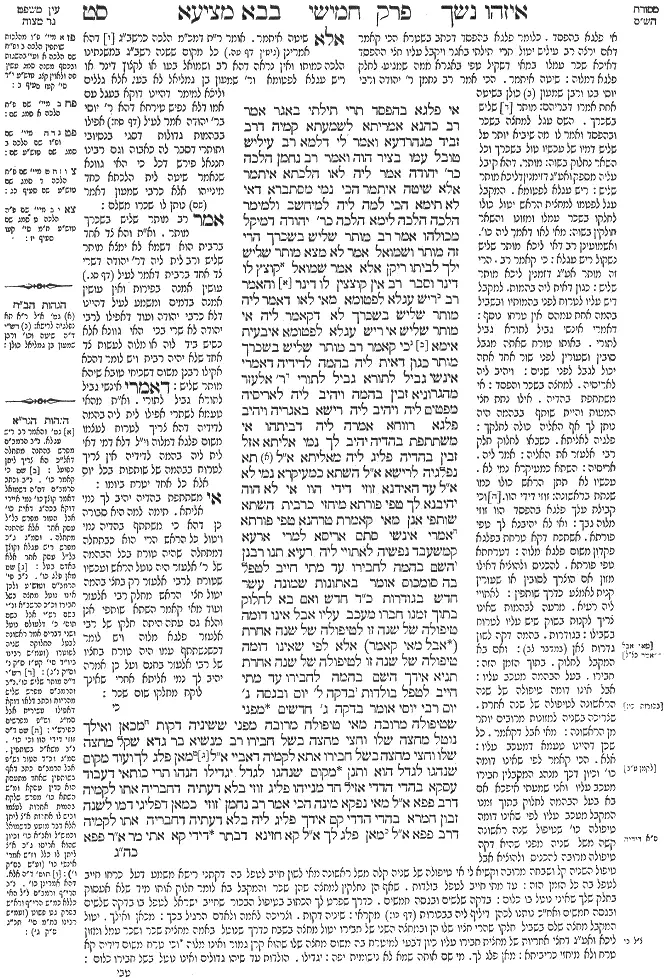
Bava Metzia 69a - Guemara
אי פלגא בהפסד תרי תילתי באגר אמר רב כהנא אמריתא לשמעתא קמיה דרב זביד מנהרדעא ואמר לי דלמא רב עיליש טובל עמו בציר הוה ואמר רב נחמן הלכה כר' יהודה אמר ליה לאו הלכתא איתמר אלא שיטה איתמר הכי נמי מסתברא דאי לא תימא הכי למה ליה למיחשב ולמימר הלכה הלכה לימא הלכה כר' יהודה דמיקל מכולהו אמר רב מותר שליש בשכרך הרי זה מותר ושמואל אמר לא מצא מותר שליש ילך לביתו ריקן אלא אמר שמואל קוצץ לו דינר וסבר רב אין קוצצין לו דינר והאמר רב ריש עגלא לפטומא מאי לאו דאמר ליה מותר שליש בשכרך לא דקאמר ליה אי מותר שליש אי ריש עגלא לפטומא איבעית אימא כי קאמר רב מותר שליש בשכרך מותר כגון דאית ליה בהמה לדידיה דאמרי אינשי גביל לתורא גביל לתורי ר' אלעזר מהגרוניא זבין בהמה ויהיב ליה לאריסיה מפטים ליה ויהיב ליה רישא באגריה ויהיב פלגא רווחא אמרה ליה דביתהו אי משתתפת בהדיה יהיב לך נמי אליתא אזל זבין בהדיה פליג ליה מאליתא א"ל תא נפלגיה לרישא א"ל השתא כמעיקרא נמי לא א"ל עד האידנא זוזי דידי הוו אי לא הוה יהיבנא לך טפי פורתא מיחזי כרבית השתא שותפי אנן מאי קאמרת טרחנא טפי פורתא אמרי אינשי סתם אריסא למרי ארעא קמשעבד נפשיה לאתויי ליה רעיא תנו רבנן השם בהמה לחבירו עד מתי חייב לטפל בה סומכוס אומר באתונות שמונה עשר חדש בגודרות כ"ד חדש ואם בא לחלוק בתוך זמנו חברו מעכב עליו אבל אינו דומה טיפולה של שנה זו לטיפולה של שנה אחרת (אבל מאי קאמר) אלא לפי שאינו דומה טיפולה של שנה זו לטיפולה של שנה אחרת תניא אידך השם בהמה לחבירו עד מתי חייב לטפל בולדות בדקה ל' יום ובגסה נ' יום רבי יוסי אומר בדקה ג' חדשים מפני שטיפולה מרובה מאי טיפולה מרובה מפני ששיניה דקות מכאן ואילך נוטל מחצה שלו וחצי מחצה בשל חבירו רב מנשיא בר גדא שקל מחצה שלו וחצי מחצה בשל חבירו אתא לקמיה דאביי א"ל מאן פלג לך ועוד מקום שנהגו לגדל הוא ותנן מקום שנהגו לגדל יגדילו הנהו תרי כותאי דעבוד עסקא בהדי הדדי אזיל חד מנייהו פליג זוזי בלא דעתיה דחבריה אתו לקמיה דרב פפא א"ל מאי נפקא מינה הכי אמר רב נחמן זוזי כמאן דפליגי דמו לשנה זבון חמרא בהדי הדדי קם אידך פליג ליה בלא דעתיה דחבריה אתו לקמיה דרב פפא א"ל מאן פלג לך א"ל קא חזינא דבתר דידי קא אתי מר א"ר פפא
Comments from Rashi on Masechet Bava Metzia Page 69a
אי פלגא בהפסד . כלומר פלגא בהפסד דכתב בשטרא הכי קאמר דאם ירצה רב עיליש יטול תרי תילתי באגר ויקבל עליו חצי ההפסד דאיכא שכר עמלו במאי דשקיל טפי באגרא ממה שמגיע לחלק פלגא דמלוה: שיטה איתמר . הכי אמר רב נחמן ר' יהודה ורבי יוסי בנו ורבן שמעון כולן בשיטה אחת אמרו דבריהם: מותר שליש בשכרך . השם עגל למחצה בשכר ובהפסד ואמר לו מה שיביא יותר על שליש דמיו של עכשיו טול בשכרך וכל השאר נחלוק בשוה: מותר . דהא קיבל עליה מספק ואע"ג דזימנין דליכא מותר שליש: ריש עגלא לפטומא . המקבל עגל לפטמו למחצית הראש יטול כולו. לחלקו בשכר עמלו ומזונו והשאר חולקין בשוה: מאי לאו דאמר ליה כו' . ואשמועינן רב דאי ליכא מותר שליש. נשקול ריש עגלא: כי קאמר רב . הרי זה מותר אע"ג דזמנין ליכא מותר שליש: כגון דאית ליה בהמות . למקבל דיש עליו לטרוח לפני בהמותיו ובשביל בהמה אחת עמהם אין טרחו נוסף: דאמרי אינשי גביל לתורא גביל לתורי . באותו טורח שאתה מגבל סובין ושעורין לפני שור אחד אתה יכול לגבל לפני שנים: ויהיב ליה לאריסיה . למחצה בשכר והפסד: אי משתתפת בהדיה . אילו נתת חצי המעות והיית שותף בבהמה היה נותן לך אף האליה כולה לחלקך: פלגיה לאליתא . כשבאו לחלוק. חלק רבי אלעזר את האליה: אמר ליה . אריסיה: השתא כמעיקרא נמי לא . עכשיו לא תתן הראש כולו כמו שנתת בראשונה: זוזי דידי הוו . וכי קבילת עלך פלגא בהפסד הוו זוזי מלוה גבך: ואי לא יהיבנא לך טפי פורתא . אשתכח דקא טרחת בפלגא פקדון משום פלגא מלוה: דטרחתא טפי פורתא . להכניס ולהוציא דאילו מזון. אם הוצרך לסובין או שעורין. קנית לאמצע כדרך שותפין: לאתויי ליה רעיא . מרעה לבהמות שאינו צריך לקנות בשוק שיש עליו לטרוח בשבילו: בגודרות . בהמה דקה לשון גדרות צאן (במדבר לב): ואם בא המקבל לחלוק . בתוך הזמן הזה: חבירו . בעל הבהמה מעכב עליו: אבל אינו דומה טיפולה של שנה הראשונה לטיפולה של שנה אחרת . שצריכה בשניה למזונות מרובים יותר מן הראשונה: מאי אבל דקאמר . כל שכן דהיינו טעמא דמעכב עליו: אלא . הכי קאמר לפי שאינו דומה כו' וכיון דכך מנהג המקבלין חבירו מעכב עליו ואני שמעתי איפכא אם בא בעל הבהמה לחלוק בתוך זמנו המקבל מעכב עליו לפי שאינו דומה טיפולה כו' שטיפול שנה ראשונה קשה משל שניה מפני שהיא דקה טיפולה מרובה להכניס ולהוציא אבל טיפול השניה קל ושבחה מרובה וקשיא לי אי טיפולה של שניה קלה משל ראשונה מאי לשון חייב לטפל בה דקתני רישא משמע דעל כרחו חייב לטפל בה כל הזמן הזה: עד מתי חייב לטפל בולדות . שאף הן נחלקין למחצה שהן שכר והמקבל בא לומר חלוק אותו מיד שלא אעסוק בחלק שלך שאיני נוטל בו כלום: בדקה שלשים ובגסה חמשים . כדרך שפרט לך הכתוב בטיפול הבכור שחייב ישראל לטפל בו בדקה שלשים ובגסה חמשים ואח"כ נותנו לכהן דיליף ליה בבכורות (דף כו:) מקראי: שיניה דקות . וצריכה לאמה ולאדם הרגיל בכך: מכאן ואילך . יטול המקבל מחצה שלם בשביל חלקו שהרי חציו שלו הן ובמחצה השני של חבירו יטול מחצה בשבח כדרך שנוטל באמה מחצית שכר ושכר עמל ומזון ליכא ואע"ג דחצי אחריות של מחצית חבירו עליו כיון דבעי למיטרח בה משום מחצה שלו שהוא קרן גמור ואינו מלוה וכי טרח משום דידיה קא טרח ולא מיחזי כריביתא: מאן פלג לך . מי שם אותה שמא לא נישומית יפה: יגדילו . הולדות עד שיהו גדולים ואינו נוטל בשל חבירו כלום:
Comments from Tosafot - Bava Metzia 69a
אלא שיטה איתמר . אומר ר"ת דמכ"מ הלכה כרשב"ג דהא אמרינן (גיטין דף עה.) כל מקום ששנה רשב"ג במשנתינו הלכה כמותו ואין נראה דהא רב ושמואל בעו או לקצוץ דינר או ריש עגלא לפטומא ור' שמעון בן גמליאל לא בעי אלא גללים וליכא למימר דהיינו דוקא בעגל עם אמו דלא נפיש טירחא דהא ר' יוסי בר' יהודה אמר לעיל (בבא מציעא דף סח:) אפילו בבהמות גדולות דסגי בנסיובי ותותרי דסבר לה כאבוה וגם רבינו חננאל פירש דכל כי האי גוונא שנאמר שיטה לית הלכתא כחד מינייהו אלא כרבי שמעון דאמר (שם) נותן לו שכרו משלם: אמר רב מותר שליש בשכרך מותר . וא"ת והא צד אחד ברבית הוא דשמא לא ימצא מותר שליש ורב לית ליה דר' יהודה דשרי צד אחד ברבית דאמר לעיל (בבא מציעא דף סג.) עושין אמנה בפירות ואין עושין אמנה בדמים ומשמע לעיל דהיינו דלא כרבי יהודה ועוד דאפילו לרבי יהודה לא שרי בכי האי גוונא אלא כשיש ביד לוה או מלוה לעשות צד אחד שלא יהיה רבית ויש לומר דהכא אקילו רבנן משום דשכיחי טובא שיהא מותר שליש: דאמרי אינשי גביל לתורא גביל לתורי . וא"ת מהאי טעמא לשתרי אפילו לית ליה בהמה לדידיה דהא צריך לטרוח לעצמו משום פלגא דמלוה וי"ל דלא דמי דאי לית ליה בהמה לדידיה אין צריך לטרוח בבהמה של שותפות בכל יום אלא כל אחד יטרח ביומו: אי משתתפת בהדיה יהיב לך נמי אליתא . תימה למה היא סבורה כן דהא כי משתתף בהדיה נמי ויטול כל הראש הרי הוא כבתחלה דמתחלה שהיה טורח בכל הבהמה של ר' אלעזר היה נוטל הראש ועכשיו שטורח לרבי אלעזר רק בחצי בהמה יטול חצי הראש מחלק רבי אלעזר ועוד מאי קאמר השתא שותפי אנן והלא גם עתה היתה חלקו של רבי אלעזר פלגא מלוה ויש לומר דכשנשתתף עמו היה טורח בחציו של רבי אלעזר בחנם ועל כן אמרה יהיב לך נמי אליתא אחרי שאינך לוקח מחלקו שום שכר:
Bava Metzia 69a - Mishnah translated into english
or it must have been that the other party accepted one-half of the loss and that Rav Ilish was entitled to two-thirds of the profit. Either way, the disparity in the terms served as payment to Rav Ilish for his effort, removing any concern about violation of the prohibition of interest.
Rav Kahana said: I said this halakha before Rav Zevid of Neharde’a and he said to me: Why is it certain that the document included all the details of the transaction? Perhaps Rav Ilish immersed his bread in brine together with the other party? According to the opinion of Rabbi Yehuda, this would suffice to avoid the prohibition of interest, and Rav Naḥman says: The halakha is in accordance with the opinion of Rabbi Yehuda. Rav Kahana said to Rav Zevid: It was not stated by Rav Naḥman that the halakha is in accordance with the opinion of Rabbi Yehuda, but rather it was stated that a single opinion is common to three Sages: Rabbi Yehuda; Rabban Shimon ben Gamliel; and Rabbi Yosei, son of Rabbi Yehuda. This does not establish the halakha in accordance with their statements, but on the contrary, they all hold one common opinion that is not accepted as the halakha.
The Gemara comments: This too stands to reason, as, if you do not say so, why did Rav Naḥman list them individually and say: The halakha is in accordance with the opinion of so-and-so, and the halakha is in accordance with the opinion of so-and-so? Instead let Rav Naḥman say simply: The halakha is in accordance with the opinion of Rabbi Yehuda, as he is the most lenient of all of them, and their rulings can be derived from his. Since Rav Naḥman did not state this, it is reasonable to say that he was not issuing a ruling in accordance with their opinion, but simply clarifying that these three opinions are actually one.
§ Rav says: If one says to another: I am giving you a calf to fatten, and let us divide the profit between us when it is sold, and the surplus over one-third of its current value is your wages, meaning that they will split the profits up to one-third of the value of the calf, and any additional profits will belong exclusively to the one who fattened the animal and serve as his wages, this arrangement is permitted, because the one fattening the calf is compensated for his efforts, and there is therefore no interest on the part that is a loan. And Shmuel says: It is not permitted, because if there is no surplus over one-third and he goes home empty-handed, he will have worked for free, and this is considered interest. Rather, Shmuel says: The owner of the calf must set aside a dinar for the other, to compensate him for his efforts in the event that there is no surplus over one-third.
The Gemara asks: And does Rav hold that he is not required to set aside a dinar for him? But doesn’t Rav say a different way to structure such an arrangement, that the head of the calf is given to the fattener, i.e., they may divide most of the profits evenly, but the head of the calf is given as a supplement to the one who does the fattening? What, is it not that he said to him: The surplus over one-third is your wages, and according to Rav the calf’s owner must nevertheless also give him the head in case there is no surplus?
The Gemara refutes this: No, Rav was referring to a case where the owner of the calf said to him: Either he will receive the surplus over one-third, or the head of the calf will serve as wages to the fattener. Or if you wish, say instead: When Rav says that if the owner said to him: The surplus over one-third is your wages it is permitted, this was a case where the one fattening the calf already had his own animal to fatten, as people say in a common adage: Mix food for an ox, mix for oxen, meaning that since he already has to prepare food for one ox, it is not a big inconvenience and expense for him to add food for an additional ox, so the surplus over one-third is sufficient to compensate him.
The Gemara relates: Rav Elazar of Hagronya purchased an animal, and gave it to his sharecropper to fatten it, and gave him the head as his wages and gave him one-half of the profits. The sharecropper’s wife said to him: If you would have participated with him in the purchase of the animal he would have given you the tail also. The next time, the sharecropper went and purchased the calf with Rabbi Elazar, and Rabbi Elazar gave him one-half of the tail and then said to him: Let’s divide the head. The sharecropper said to him: Now will you not also give me as you did initially? Before, when I was not a partner in the animal but accepted it only in order to fatten it, you gave me the entire head. Now that I am a partner with you, are you going to give me only one-half of the head?
Rabbi Elazar said to him: Until now the money was mine, and had I not given you a little more value as compensation for your efforts, it would have appeared to be like interest. But now that we are partners, what can you say? That you must exert a little more effort than I do to take the animal in and out of the pasture? As people say in a common adage: An ordinary sharecropper subjugates himself to the owner to bring him pasture. Sharecroppers are accustomed to expending extra effort on behalf of the owner of the field. Therefore we are equal partners and divide everything.
The Sages taught: With regard to one who appraises an animal for another to raise, how long is the other obligated to care for it if they did not stipulate this explicitly? Sumakhos says: For female donkeys, eighteen months; for flocks of sheep or goats, twenty-four months. And if one of them comes to divide, i.e., if he wishes to sell the animal and divide the profits, within the time, i.e., before the time for taking care of it has ended, the other can prevent him from doing so, but the effort involved in the care of the animal for this year is not comparable to the care of another year.
The Gemara asks: With regard to the word but that was said here, what is it saying? It does not seem to belong in the statement. Rather, the text must be corrected as follows: Because the care of this year is not comparable to the care of another year. The profits are not necessarily divided evenly during the entire time of the animal’s growth, and therefore either party can insist that the contract be carried through to the end of the specified period.
It is taught in another baraita: With regard to one who appraises an animal for another to raise, for how long is the latter obligated to care for the offspring that are born to it? For a species of small animals, he is obligated to care for the offspring for thirty days, and for a species of large animals, fifty days. Rabbi Yosei says: For a species of small animals, he is obligated to care for the offspring for three months, as it requires a lot of care. The Gemara asks: What is the meaning of: A lot of care? It means that due to the fact that its teeth are thin, its food has to be cut up for it, which is not necessary for a species of large animals. From this point forward, the one raising the animal takes one-half of the offspring as his share, since one-half of the animal is his, and he takes one-half of one-half of the other’s share of the offspring, i.e., one-fourth of the total, as wages for caring for the animal and raising it.
The Gemara relates: Rav Menashya bar Gadda accepted an animal to raise, and of the offspring he took his one-half and one-half of the other’s one-half. This matter came before Abaye. Abaye said to Rav Menashya bar Gadda: Who divided it for you? Since he did this on his own, there is a concern that he may not have divided it fairly. And furthermore, this place is a place where it is customary for the one raising the animal to raise the offspring, and we learned in a mishna (69b): In a place where it is customary to raise the offspring, they should be raised by the one raising the mother, and not divided between them.
The Gemara relates: There were these two Samaritans who entered into a joint venture with each other. One of them went and divided the money without the knowledge of the other. They came for judgment before Rav Pappa. Rav Pappa said to the plaintiff: What difference is there, meaning: What did you lose? This is what Rav Naḥman said: Money is considered as though it were already divided. It is not viewed as a single sum.
The next year these same two purchased wine together, and the other one arose and divided the wine without the knowledge of the other. And again, they came for judgment before Rav Pappa. Rav Pappa said to the defendant: Who divided it for you? You did not act properly since you did not get your partner’s permission to divide the wine. The Samaritan said to him: I see that the Master pursues me in order to harass me, since last year, when we came with what appears to be essentially the same case, you gave a different ruling in favor of the other. Rav Pappa said:
Traduction : The William Davidson digital edition of the Koren Noé Talmud, with commentary by Rabbi Adin Even-Israel Steinsaltz.