 Talmud Bavli
The learning on the whole site is dedicated : L'ilui Nishmat Nissim ben Barukh Malka
The learning on the whole site is dedicated : L'ilui Nishmat Ledicia bat David Banoun
The learning on the whole site is dedicated : L'ilui Nishmat Jacques Isaac Ben Amram Loubaton
Bava Metzia 39a : Youtube
Daf TubeYoutube
1 video class :
Bava Metzia Page 39a
Bava Metzia 39a - Guemara
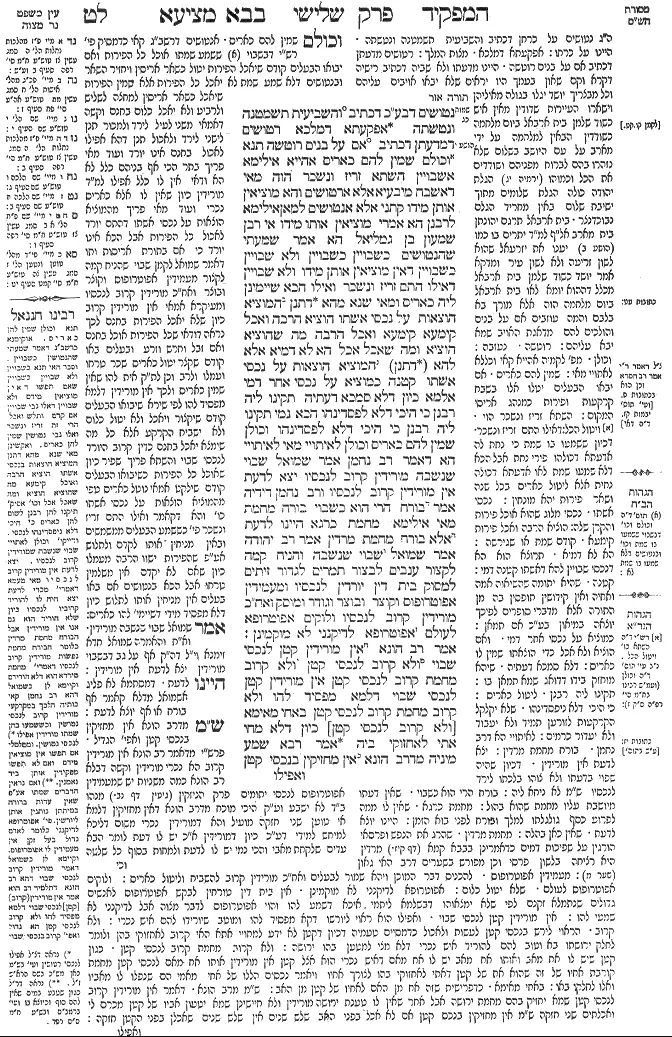
נטושים דבע"כ דכתיב (שמות כג, יא) והשביעית תשמטנה ונטשתה אפקעתא דמלכא רטושים דמדעתן דכתיב (הושע י, יד) אם על בנים רוטשה תנא וכולם שמין להם כאריס אהייא אילימא אשבויין השתא זריז ונשכר הוה מאי דאשבח מיבעיא אלא ארטושים והא מוציאין אותן מידו קתני אלא אנטושים למאן אילימא לרבנן הא אמרי מוציאין אותו מידו אי רבן שמעון בן גמליאל הא אמר שמעתי שהנטושים כשבויין כשבויין ולא שבויין כשבויין דאין מוציאין אותן מידו ולא שבויין דאילו התם זריז ונשכר ואילו הכא שיימינן ליה כאריס ומאי שנא מהא דתנן המוציא הוצאות על נכסי אשתו הוציא הרבה ואכל קימעא קימעא ואכל הרבה מה שהוציא הוציא ומה שאכל אכל הא לא דמיא אלא להא (דתנן) המוציא הוצאות על נכסי אשתו קטנה כמוציא על נכסי אחר דמי אלמא כיון דלא סמכא דעתיה תקינו ליה רבנן כי היכי דלא לפסדינהו הכא נמי תקינו ליה רבנן כי היכי דלא לפסדינהו וכולן שמין להם כאריס וכולן לאיתויי מאי לאיתויי הא דאמר רב נחמן אמר שמואל שבוי שנשבה מורידין קרוב לנכסיו יצא לדעת אין מורידין קרוב לנכסיו ורב נחמן דידיה אמר בורח הרי הוא כשבוי בורח מחמת מאי אילימא מחמת כרגא היינו לדעת אלא בורח מחמת מרדין אמר רב יהודה אמר שמואל שבוי שנשבה והניח קמה לקצור ענבים לבצור תמרים לגדור זיתים למסוק בית דין יורדין לנכסיו ומעמידין אפוטרופוס וקוצר ובוצר וגודר ומוסק ואח"כ מורידין קרוב לנכסיו ולוקים אפוטרופא לעולם אפוטרופא לדיקנני לא מוקמינן:
אמר רב הונא אין מורידין קטן לנכסי שבוי ולא קרוב לנכסי קטן ולא קרוב מחמת קרוב לנכסי קטן אין מורידין קטן לנכסי שבוי דלמא מפסיד להו ולא קרוב מחמת קרוב לנכסי קטן באחי מאימא [ולא קרוב לנכסי קטן] כיון דלא מחי אתי לאחזוקי ביה אמר רבא שמע מיניה מדרב הונא אין מחזיקין בנכסי קטן
Comments from Rashi on Masechet Bava Metzia Page 39a
ה"ג נטושים על כרחן דכתיב והשביעית תשמטנה ונטשתה . היינו על כרחו: אפקעתא דמלכא . מצות המלך: רטושים מדעתן דכתיב אם על בנים רוטשה . היינו מדעתו ולא שביה דכתיב רישיה דקרא וקם שאון בעמך היו יראים שלא יבאו אויבים עליהם וכל מבצריך יושד יגלו בגולה מאיליהן וישארו העיירות שדודין מאין איש כשוד שלמן בית ארבאל ביום מלחמה כשודדין הבאין למלחמה על ידי מארב על עם היושב בשלום שלא נזהרו בהם לברוח מפניהם ושודדים את הכל וכמוהו (ירמיהו יג) הגלת יהודה כולה הגלת שלומים מתוך ישיבת שלום באין מחריד הגלם נבוכדנצר. בית ארבאל תרגם יהונתן בית מארב אל"ף למ"ד יתרים בו כמו (הושע ב) יענו את יזרעאל שהוא לשון זריעה ולא לשון עיר ומדקא אמר יושד כשוד שלמן בית ארבאל מכלל דההוא יומא לאו בית ארבאל ביום מלחמה הוה אלא מורך בא בלבם והמה עוזבים אם על בנים והולכים להם מדאגת האויב שמא יבא עליהם: רוטשה . נעזבה: וכולן . מפ' לקמיה אהייא קאי וכללא לאתויי מאי: שמין להם כאריס . אם יבאו הבעלים יטלו אלו בשבח קרקעות ופירות כמנהג אריסי המקום: השתא זריז ונשכר הוי . ויטול הכל: דאילו התם זריז ונשכר . דכיון ששמעו בו שמת כי נחת לה אדעתא דכולהו פירי נחת אבל הכא דלא שמעו שמת לאו אדעתא דכולה נחית אלא ליטול כאריס בכל שנה ושאר פירות יהא מונחין: נכסי אשתו . נכסי מלוג שהוא אוכל פירות והקרן שלה: הוציא הרבה ואכל פירות קימעא . קודם שמת או שגירשה: הא לא דמיא . תרוצא הוא הא דנכסי שבויין להא דאשתו קטנה דמי: קטנה . שהיא יתומה שהשיאוה אמה ואחיה ואין קידושין תופסין בה מן התורה אלא מדברי סופרים לפיכך יוצאה במיאון בע"כ אם תמאן: כמוציא על נכסי אחר דמי . ואם הוציא ולא אכל כדי הוצאתו שמין לו כאריס: דלא סמכא דעתיה . שיהא מוחזק בידו דדואג שמא תמאן בו: תקינו ליה רבנן . ליטול כאריס: כי היכי דלא ניפסדינהו . שלא יקלקל הקרקעות לזורען תמיד ולא יעבוד ולא יעדור כרמים: לאיתויי הא דרב נחמן . בורח מחמת מרדין: יצא לדעת אין מורידין . דכיון שהיה שפוי בדעתו ולא צוהו בלכתו לירד לנכסיו ש"מ לא ניחא ליה: בורח הרי הוא כשבוי . שאין דעתו מיושבת עליו מחמת שהוא בהול: מחמת כרגא . שאין לו ממה לפרוע כסף גולגלתו למלך ובורח לפני בוא הזמן: היינו יוצא לדעת . שאין כאן בהלה: מחמת מרדין . שהרג את הנפש ופרסאי הורגין על שפיכות דמים כדאמרינן בבבא קמא (דף קיז.) מרדין היא רציחה בלשון פרסי וכן מפורש בשערים דרב האי גאון (שער מ): מעמידין אפוטרופוס . להכניס דבר המוכן ויהא שמור לבעלים ואח"כ מורידין קרוב להשביח וליטול כאריס: ולוקים אפוטרופוס לעולם . שלא יטול כלום: אפוטרופא לדיקנני לא מוקמינן . אין בית דין טורחין לבקש אפוטרופוס לאנשים גדולים שנתמלא זקנם לפי שלא ימצאוהו דבשלמא ליתמי איכא דשמע להו והוי אפוטרופוס לדבר מצוה אבל לדיקנני לא שמעי להו: אין מורידין קטן לנכסי שבוי . ואפילו הוא ראוי ליורשו דקא מפסיד להו ומוטב שיורידו להם איש נכרי: ולא קרוב . הראוי לירש בנכסי קטן לעשות ולאכול כדמסיים טעמיה דכיון דקטן לא ידע למחויי אתא האי קרוב לאחזוקי בהן ולומר לחלק ירושתו בא וטוב להם להוריד איש נכרי דלא מצי למטען בהו ירושה: ולא קרוב מחמת קרוב לנכסי קטן . כגון קטן שיש לו אח מאב ואותו אח מאב יש לו אח מאם דאיש נכרי הוא אצל קטן אין מורידין אותו אח מאם לנכסי קטן מחמת קורבת אחיו של זה שהוא אח של קטן דאתי לאחזוקי בהו לצורך אחיו ויאמר נכסים הללו של אחי מאמי הם שנפלו לו מאביו ואלו לחלקו באו: באחי מאימא . כדפרישית שזה אח מן האם לאחיו של קטן מן האב: ש"מ מרב הונא . דאמר אין מורידין קרוב לנכסי קטן שמא יחזיק בהם מחמת ירושה אבל אחר שאין לו טענת ירושה מורידין ולא חיישינן שמא יטעון אביו של קטן מכרם לי ואכלתים שני חזקה ש"מ אין מחזיקין בנכסי קטן אם לא אכל בפני האב שלש שנים אין שלש שנים שאכלן בפני הקטן חזקה:
Comments from Tosafot - Bava Metzia 39a
וכולם שמין להם כאריס . אנטושים דרשב"ג קאי כדמסיק פי' רש"י דבשבוי ששמע שמתו אוכל כל הפירות ואם יבואו הבעלים קודם שיאכל הפירות יטול כשאר אריסין ויחזיר השאר ובנטושים דלא שמע שמת לא יאכל כל הפירות אלא שמין הפירות שיאכל כשאר אריסין למחצה לשליש ולרביע ולא יאכל כלום בחנם וקשה דאמאי משני לעיל לירד ולמכור תנן לישני לירד ולאכול תנן דהא אפילו לאכול בחנם אינו יורד ועוד מאי פריך בתר הכי אף בניהם כלל לא הא ודאי אין לו כלל אפילו למ"ד מורידין כיון שאין לו אלא כאריס נכרי ועוד מאי פריך מהמוציא הוצאות על נכסי אשתו דהתם יורד לאכול כל הפירות אבל הכא אינו יורד כי אם בתורת אריסות ותו דאמר שמואל לקמן שבוי שהניח קמה לקצור מעמידין אפוטרופוס וקוצר ובוצר ואח"כ מורידין קרוב לנכסיו ומעיקרא אמאי אין מורידין קרוב כיון שלא יאכל הפירות בחנם לכך נראה דודאי שכל הפירות אוכל בחנם ואם זבל וחרש וזרע ובעלים באו קודם שקצר יטול כאריס שכר טרחו ועמלו ולרב וכן לת"ק אית להו שאין שמין כאריס ולכך אין מורידין דלמא מפסיד להו לפי שירא שיבואו הבעלים קודם שיקצור ויאכל ולא יטול כלום ולא ישביח הקרקע אלא כל מה שימצא יאכל בחנם כדין קרוב היורד לנכסי שבוי והשתא פריך שפיר כיון שאוכל כל הפירות כשיבואו הבעלים קודם שילקט אמאי נוטל כאריס טפי מהמוציא הוצאות על נכסי אשתו כו' והא דקאמר ואילו התם זריז ונשכר פי' כששמע הבעלים ממשמשים ובאין מניחין אותו לקדם ולתלוש אע"פ שהפירות ישוו הרבה מעמלו כיון שאם לא יקדם אין משלמין טרחו אבל הכא בנטושים אם באו בעלים אין מניחין אותו לתלוש כיון דלא מפסיד מידי דשיימי' להו כאריס: אמר שמואל שבוי שנשבה מורידין . וא"ת והאמרה שמואל חדא זימנא וי"ל דה"ק אף על גב דבשבוי מורידין יצא לדעת אין מורידין: היינו לדעת . דמסתמא לא פליג אשמואל מדלא קאמר אף בורח או אף יוצא לדעת: ש"מ מדרב הונא אין מחזיקין בנכסי קטן ואפי' הגדיל . פרש"י מדאמר רב הונא אין מורידין קרוב הא נכרי מורידין וקשה דבלא רב הונא כמה משניות יש שמעמידין אפוטרופוס לנכסי יתומים פרק הניזקין (גיטין דף נב.) מנהו ב"ד לא ישבע וע"ק היכי מוכח מדרב הונא דאין מחזיקין דלמא אי טוען שני חזקה מועיל והא דמורידין נכרי משום דליכא למיחש למידי דע"כ כיון דמורידין א"כ יש לו דעת לומר הבא עדים שלקחת מאבי והכי נמי יש לו לדעת ולמחות בסוף כל שלשה וכי תימא הא פשיטא ליה דאינו יודע למחות בסוף ג' אף ע"פ שהוא נזכר לשאול עידי מכירה דרגילות הוא טפי לשכוח מחאה בסוף כל ג' א"כ בלא רב הונא פשיטא דאין מחזיקין וי"ל דאי לאו רב הונא ממה שמעמידין אפוטרופוס לנכסי יתומין אין להוכיח דאין מחזיקין דאפילו מחזיקין לא חיישינן שמא יחזיק דב"ד לא יבררו כי אם נאמן או משום דידע למחות בסוף כל ג' כדפרישית אבל מדאמר רב הונא אין מורידין קרוב א"כ חושש לרמאות וגם אית ליה דלא ידע למחות בקרוב ולומר שדה זו של אבי ולא הגיע לחלקך אם כן בנכרי נמי לא ידע למחות ולכך אין מחזיקין וא"ת כמו שיש לו לדעת ולומר לנכרי לשאול עידי מכירה כמו כן יהיה לו דעת לומר לקרובו אייתי ראיה שזה הגיע לחלקך וי"ל דגבי קרוב סבור שאומר אמת שהרי של אביהם היה השדה ולא אסיק אדעתיה לומר אייתי ראייה אבל לנכרי מסיק אדעתיה למימר אייתי ראייה עידי מכירה:
Bava Metzia 39a - Mishnah translated into english
The Gemara explains: Abandoned property [netushim]; this is referring to property that the owners vacated perforce. When it is written: “But the seventh year you shall let it rest and lie fallow [untashtah]” (Exodus 23:11), that is expropriation by edict of the King of the Universe. Forsaken property [retushim]; this is referring to property that the owners vacated of their own volition, as it is written: “A mother was forsaken [rutasha] with her sons” (Hosea 10:14), indicating that the mother was left with the sons, as all the men left.
A Sage taught with regard to the baraita discussing the case of one who descends to the property of another: And for all of them, the court appraises their work as one would appraise the work of a sharecropper. The Gemara asks: To which property in the baraita is this ruling stated? If we say it is stated with regard to captives’ property, now that the tanna stated that he is diligent and he profits, as he may take as much produce as he wishes, is it necessary to say that he can take a share of what he did to enhance the field? Rather, say that it is stated with regard to forsaken property. But isn’t it taught: The court removes it from his possession? The legal status of the one who labored in the field is not at all similar to that of a sharecropper.
Rather, say that it is stated with regard to abandoned property. The Gemara asks: In accordance with whose opinion? If we say it is in accordance with the opinion of the Rabbis, don’t they say: The court removes it from his possession? And if it is in accordance with the opinion of Rabban Shimon ben Gamliel, doesn’t he say: I heard that the legal status of abandoned property is like that of captives’ property, and the rights of the one who labored in the field are superior to those of a sharecropper.
The Gemara answers: According to the opinion of Rabban Shimon ben Gamliel, the legal status of that property is in some ways like that of captives’ property but in other ways not like that of captives’ property. It is like that of captives’ property in that the court does not remove it from his possession. But it is not like that of captives’ property, as there, in the case of captives’ property, the one working the field is diligent and he profits from the produce he takes, while here, one appraises their work as one would appraise the work of a sharecropper.
The Gemara asks: And what is different in this case from that which we learned in a mishna (79b): In the case of one who outlays expenditures to enhance his wife’s usufruct property, which belongs to his wife but whose profits are his for the duration of their marriage, if the marriage ends in divorce or his death and she reclaims the property, whether he spent much to enhance the property and consumed little and did not derive benefit commensurate with his investment, or whether he spent little and consumed much, the principle is: What he spent, he spent, and what he consumed, he consumed. His labor is not appraised like that of a sharecropper.
The Gemara answers: This case is comparable only to that which we learned in a statement that Rabbi Ya’akov said that Rav Ḥisda said: The legal status of one who outlays expenditures to enhance the usufruct property of his minor wife, whose father died and whose brother and mother married her off, is like that of one who outlays expenditures to enhance the property of another, as this is a marriage by rabbinic law and she can void the marriage by performing refusal. If the husband spent much to enhance the property and consumed little, his work is assessed like that of a sharecropper. Apparently, since he does not rely on the fact that her property will remain his, the Sages instituted on his behalf that he be reimbursed for his expenditures so that he will not devalue the property. Here too, the Sages instituted on behalf of the one who labored in the field that he be reimbursed for his labor, so that he will not devalue the property.
The Gemara asks with regard to the phrase written in the baraita: And for all of them, the court appraises their work as one would appraise the work of a sharecropper, what additional case does it serve to include, as apparently it applies only to property of those who abandoned it, in accordance with the opinion of Rabban Shimon ben Gamliel?
The Gemara answers: It comes to include that which Rav Naḥman says that Shmuel says: For a captive who was taken captive, the court authorizes a relative to descend and manage his property. If he left of his own volition, the court does not authorize a relative to descend and manage his property. And Rav Naḥman says his own statement: The legal status of one who flees is like that of a captive. The Gemara asks: One who flees for what reason? If we say that he flees due to a tax [karga] that he attempts to evade, that is the case of one who left of his own volition. Rather, the reference is to one who flees due to an allegation that he committed murder [meradin], and he flees to avoid execution. Therefore, his legal status is that of a captive.
Rav Yehuda says that Shmuel says: In the case of a captive who was taken captive and left in his field standing grain to be reaped, or grapes to be harvested, or dates to be cut, or olives to be picked, and the owner of the produce will incur significant loss if they are not harvested, the court descends to his property and appoints a steward to manage his property. And he reaps, and harvests, and cuts, and picks, and thereafter the court authorizes a relative to descend and manage his property. The Gemara asks: If that is an option, let the court always appoint a steward to manage the captive’s field. The Gemara answers: We do not appoint a steward [apoteropa] for the bearded, i.e., adults. A steward is appointed only for orphans.
Rav Huna says: The court does not authorize a minor, even if he is an heir, to descend to the property of a captive. And the court does not authorize a relative who is an heir to descend to the property of a minor that has no one to tend to it. And the court does not authorize a relative due to a relative to descend to the property of a minor.
The Gemara elaborates: The court does not authorize a minor to descend to the property of a captive, lest he devalue the property. And the court does not authorize a relative due to a relative to descend to the property of a minor. The Gemara explains: It is a case where the minor has a paternal half-brother and that brother has a maternal half-brother. The concern is that the latter, who is not at all related to the minor who owns the field, will claim that he inherited the field from his brother. And the court does not authorize a relative to descend to the property of a minor. The concern is that since the minor does not protest at the appropriate time and assert that the property does not belong to his relative, that relative will come to assume presumptive ownership of the field.
Rava said: Learn from the statement of Rav Huna that one cannot assume presumptive ownership of the property of a minor. Even if one took possession of and used the property of a minor for three years, this does not indicate that he has presumptive ownership of the property. Rav Huna restricted the descent specifically of relatives to the property of a minor, indicating that those are not concerns when it is a non-relative who descends to manage the field. Apparently, the reason that there is no concern is that one cannot assume presumptive ownership of the property of a minor.
Traduction : The William Davidson digital edition of the Koren Noé Talmud, with commentary by Rabbi Adin Even-Israel Steinsaltz.