 Talmud Bavli
The learning on the whole site is dedicated : L'ilui Nishmat אליעזר בן רחל
The learning on the whole site is dedicated : L'ilui Nishmat Yechayahou ben Moche
The learning on the whole site is dedicated : L'ilui Nishmat Reuven ben Rivka SEBBAG
Kiddushin 59a : Youtube
Daf TubeYoutube
2 video classes :
Kiddushin Page 59a
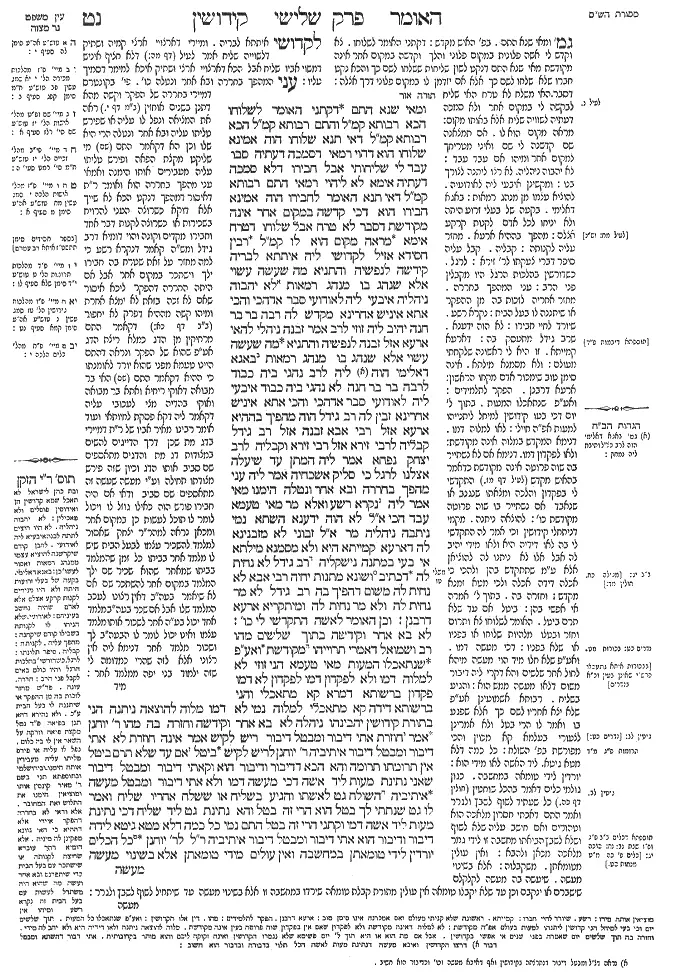
Kiddushin 59a - Guemara
ומאי שנא התם דקתני האומר לשלוחו הכא רבותא קמ"ל והתם רבותא קמ"ל הכא רבותא קמ"ל דאי תנא שלוחו הוה אמינא שלוחו הוא דהוי רמאי דסמכה דעתיה סבר עבד לי שליחותי אבל חבירו דלא סמכה דעתיה אימא לא ליהוי רמאי התם רבותא קמ"ל דאי תנא האומר לחבירו הוה אמינא חבירו הוא דכי קדשה במקום אחר אינה מקודשת דסבר לא טרח אבל שלוחו דטרח אימא מראה מקום הוא לו קמ"ל רבין חסידא אזיל לקדושי ליה איתתא לבריה קידשה לנפשיה והתניא מה שעשה עשוי אלא שנהג בו מנהג רמאות לא יהבוה ניהליה איבעי ליה לאודועי סבר אדהכי והכי אתא איניש אחרינא מקדש לה רבה בר בר חנה יהיב ליה זוזי לרב אמר זבנה ניהלי להאי ארעא אזל זבנה לנפשיה והתניא מה שעשה עשוי אלא שנהג בו מנהג רמאות באגא דאלימי הוה ליה לרב נהגי ביה כבוד לרבה בר בר חנה לא נהגי ביה כבוד איבעי ליה לאודועי סבר אדהכי והכי אתא איניש אחרינא זבין לה רב גידל הוה מהפיך בההיא ארעא אזל רבי אבא זבנה אזל רב גידל קבליה לרבי זירא אזל רבי זירא וקבליה לרב יצחק נפחא אמר ליה המתן עד שיעלה אצלנו לרגל כי סליק אשכחיה אמר ליה עני מהפך בחררה ובא אחר ונטלה הימנו מאי אמר ליה נקרא רשע ואלא מר מאי טעמא עבד הכי א"ל לא הוה ידענא השתא נמי ניתבה ניהליה מר א"ל זבוני לא מזבנינא לה דארעא קמייתא היא ולא מסמנא מילתא אי בעי במתנה נישקליה רב גידל לא נחית לה דכתיב (משלי טו, כז) ושונא מתנות יחיה רבי אבא לא נחית לה משום דהפיך בה רב גידל לא מר נחית לה ולא מר נחית לה ומיתקריא ארעא דרבנן וכן האומר לאשה התקדשי לי כו' לא בא אחר וקידשה בתוך שלשים מהו רב ושמואל דאמרי תרוייהו מקודשת ואע"פ שנתאכלו המעות מאי טעמא הני זוזי לא למלוה דמו ולא לפקדון דמו לפקדון לא דמו פקדון ברשותא דמרא קא מתאכלי והני ברשותא דידה קא מתאכלי למלוה נמי לא דמו מלוה להוצאה ניתנה הני בתורת קידושין יהבינהו ניהלה לא בא אחר וקידשה וחזרה בה מהו ר' יוחנן אמר חוזרת אתי דיבור ומבטל דיבור ריש לקיש אמר אינה חוזרת לא אתי דיבור ומבטל דיבור איתיביה ר' יוחנן לריש לקיש ביטל אם עד שלא תרם ביטל אין תרומתו תרומה והא הכא דדיבור ודיבור הוא וקאתי דיבור ומבטל דיבור שאני נתינת מעות ליד אשה דכי מעשה דמו ולא אתי דיבור ומבטל מעשה איתיביה השולח גט לאשתו והגיע בשליח או ששלח אחריו שליח ואמר לו גט שנתתי לך בטל הוא הרי זה בטל והא נתינת גט ליד שליח דכי נתינת מעות ליד אשה דמי וקתני הרי זה בטל התם נמי כל כמה דלא מטא גיטא לידה דיבור ודיבור הוא אתי דיבור ומבטל דיבור איתיביה ר"ל לר' יוחנן כל הכלים יורדין לידי טומאתן במחשבה ואין עולים מידי טומאתן אלא בשינוי מעשה
Comments from Rashi on Masechet Kiddushin Page 59a
גמ' ומאי שנא התם . בפ' האיש מקדש: דקתני האומר לשלוחו . צא וקדש לי אשה פלונית במקום פלוני והלך וקדשה במקום אחר אינה מקודשת מאי שנא התם דנקט לשון שליחות ששלחו לשם כך והכא נקט חברו שלא שלחו לשם כך אלא אם יזדמן לו במקום פלוני דרך אצלה: דסבר . האי משלח לא טרח האי שליח לבקשה לי במקום אחר ולא סמכה דעתיה לשוויה שליח אלא באותו מקום: מראה מקום הוא לו . אם תמצאנה שם קדשנה לי שם ואיני מטריחך למקום אחר ומיהו אם עבד עבד: לא יהבוה ניהליה . לא רצו ליתנה לצורך בנו: ומקשינן איבעי ליה לאודועיה . להוציא עצמו מן מנהג רמאות: באגא דאלימי . בקעה של בעלי זרוע היתה ולא יניחו לכל אדם לקנות קרקע אצלם: מהפך בההיא ארעא . מחזר עליה לקנותה: קבליה . קבל עליה סיפר דברי צעקתו לר' זירא: לרגל . כשדורשין בהלכות הרגל היו מקבלין פני הרב: עני המהפך בחררה . מחזר אחריה לזכות בה מן ההפקר או שיתננה לו בעל הבית: נקרא רשע . שיורד לחיי חבירו: לא הוה ידענא . שרב גידל מתעסק בה: דארעא קמייתא . זו היא לי ראשונה שלקחתי מעולם: ולא מסמנא מילתא . אינה סימן טוב שימכור אדם מקחו הראשון: ארעא דרבנן . הפקר לתלמידים: ואע"פ שנתאכלו המעות . בתוך ל' יום דכי בעו קידושין למיחל ליתנייהו למעות אפ"ה חיילי: לאו למלוה דמו . דנימא המקדש במלוה אינה מקודשת: ולאו לפקדון דמו . דנימא אם לא נשתייר בה שוה פרוטה אינה מקודשת כדאמר בהאיש מקדש (לעיל קידושין דף מז.) התקדשי לי בפקדון והלכה ומצאתו שנגנב או שנאבד אם נשתייר בו שוה פרוטה מקודשת כו': להוצאה ניתנה . מקמי דניתחלי קידושין וכי אמר לה התקדשי לי בה לאו דידיה היא ולאו מידי יהיב לה אבל אלו לא ניתנו לה להוציאן אלא ע"מ שתתקדש בהן ולהכי כי אכלה דידה אכלה ולכי מטא זמנא מקדש: וחזרה בה . בתוך ל' אמרה אי אפשי בהן: ביטל אם עד שלא תרם ביטל . האומר לשלוחו צא ותרום וחזר ובטלו מלהיות שלוחו או בפניו או שלא בפניו: דכי מעשה דמו . ואע"פ שלא חלו מיד הוי מעשה מיהא לחול אחר שלשים והא דקרי ליה דיבור משום דלאו מעשה ממש הוא: והגיע בשליח . רבותא אשמועינן אע"פ שלא יצא אחריו לשם כך אלא שפגע בו ואמר לו הרי בטל ולא אמרינן לצעורי בעלמא קא מכוין והכי מפורשת בפ' השולח: כל כמה דלא מטא גיטא . ליד האשה לאו מידי הוא: יורדין לידי טומאה במחשבה . כגון גולמי כלים דאמר בהכל שוחטין (חולין דף כה.) כל שעתיד לשוף לשבץ ולגרר ואמר התם דאכתי חסרון מלאכה הוא וטהורים ואם חישב עליה שלא לשוף ושלא לשבץ הביאתו מחשבה זו לידי גמר מלאכה מכאן ולהבא: ואין עולין מטומאתן . משקבלוה: אלא בשינוי מעשה . שיעשה בה מעשה לקלקלם שישברם או ינקבם וכן עד שלא יקבלו טומאה אין עולין מתורת קבלת טומאה שירדו במחשבה זו אלא בשינוי מעשה עד שיתחיל לשוף לשבץ ולגרר:
Comments from Tosafot - Kiddushin 59a
לקדושי איתתא לבריה . ומיירי דארצויי ארצי קמיה ושתיק דלשוייה שליח אמר לעיל (קידושין דף מה:) דלא חציף איניש דמשוי אביו שליח אבל הכא דארצויי ארצי ושתיק איכא למימר דסמיך עליו: עני המהפך בחררה ובא אחר ונטלה כו' . פי' בקונטרס דמיירי בחררה של הפקר וקשה מהא דתנן בשנים אוחזין (ב"מ דף י.) ראה את המציאה ונפל לו עליה או שפירש טליתו עליה ובא אחר ונטלה הרי היא שלו וכן הא דקאמר התם (שם) מי שליקט מקצת הפאה ופירש טליתו עליה מעבירים אותו הימנה ואמאי עני מהפך בחררה הוא ואומר ר"ת דאיסור דמהפך דנקט הכא לא שייך אלא דוקא כשרוצה העני להרויח בשכירות או כשרוצה לקנות דבר אחד וחבירו מקדים וקונה והוי דומיא דרב גידל ומש"ה קאמר דנקרא רשע כי למה מחזר על זאת שטרח בה חבירו ילך וישתכר במקום אחר אבל אם היתה החררה דהפקר ליכא איסור שאם לא זכה בזאת לא ימצא אחרת ומיהו קשה מההיא דפרק לא יחפור (ב"ב דף כא:) דקאמר התם מרחיקין מן הדג כמלא ריצת הדג אע"פ שהוא של הפקר ונראה דהתם היינו טעמא מפני שהוא יורד לאומנתו כי ההיא דקאמר התם (שם) האי בר מבואה דאוקי ריחיא ואתא בר מבואה ואוקי בהדיה מצי לעכובי עליה דקאמר ליה דקא פסקת לחיותאי ועוד אומר רבינו מאיר אביו של ר"ת דמיירי בדג מת שכן דרך הדייגים להשים במצודות דג מת והדגים מתאספים שם סביב אותו הדג וכיון שזה פירש מצודתו תחילה וע"י מעשה שעשה זה מתאספים שם סביב ודאי אם היה חבירו פורש הוה כאילו גוזל לו ויכול לומר לו תוכל לעשות כן במקום אחר ומכאן נראה למהר"ר יצחק שאסור למלמד להשכיר עצמו לבעל הבית שיש לו מלמד אחר בביתו כל זמן שהמלמד בביתו שמאחר שהוא שכיר שם ילך המלמד במקום אחר להשתכר שם אם לא שיאמר בעה"ב דאין רצונו לעכב המלמד שלו אבל אם שכר בעה"ב מלמד אחד יכול בע"ה אחר לשכור אותו מלמד עצמו ואינו יכול לומר לו הבעה"ב לך ושכור מלמד אחר דנימא ליה אין רצוני אלא לזה שהרי כמדומה לי שזה ילמוד בני יפה ממלמד אחר:
Kiddushin 59a - Mishnah translated into english
and what is different there, in the previous chapter (50a), that the tanna teaches: With regard to one who says to his agent, go and betroth a certain woman for me in such and such a place, and he went and betrothed her in a different place, she is not betrothed? Why does the mishna there label him an agent, and here it labels him simply another?
The Gemara answers: Here the mishna teaches us a novel element and there it teaches us a novel element, through its use of these terms. The Gemara elaborates: The mishna here teaches us a novel element, as had it taught: His agent, I would say that it is his agent who is considered a scoundrel in that case, as one who sends an agent relies upon him, thinking: He will perform my agency for me, since he was sent for that purpose. But with regard to the use of the term: Another, who was not appointed and upon whom he does not rely, as he is not his agent, you might say that he should not be considered a scoundrel.
Similarly, the mishna there teaches us a novel element, as had it taught: One who says to another, I would say that it is in the case of another that she is not betrothed if he betrothed her in a different place, as he thinks that this person would not go to the trouble of looking for her elsewhere, and therefore he authorized him to betroth the woman only in that particular place. But with regard to his agent, who is assumed to take special trouble to fulfill his agency, you might say he is merely showing him the place where she is likely to be found, and she is betrothed in any case. The mishna therefore teaches us that even when he appointed an agent she is not betrothed if he does not find her in the place the putative husband specified.
The Gemara relates: Ravin the Pious was appointed an agent and went to betroth a woman to his son, but in the end he betrothed her to himself. The Gemara raises a difficulty: But isn’t it taught in the aforementioned baraita: What he did is done, but he has treated him in a deceitful manner? How could a pious individual act in this fashion? The Gemara answers: The woman’s family would not give her to the son, and agreed only to let her marry the father. The Gemara further asks: Even so, before betrothing her he should have first informed his son that they refuse to let her marry him. The Gemara explains that Ravin thought: In the meantime, while I am busy reporting back to my son, someone else will come and betroth her.
The Gemara relates a similar story: Rabba bar bar Ḥana gave money to Rav and said: Purchase this land for me. Rav went and purchased it for himself. The Gemara asks: But isn’t it taught in the baraita with regard to an agent who acts in this manner: What he did is done, but he has treated him in a deceitful manner? The Gemara answers: The land was located in a valley inhabited by violent men, who treated Rav with respect and were prepared to sell the land to him, but who did not treat Rabba bar bar Ḥana with respect. As in the case of Ravin, the Gemara questions this behavior: Nevertheless, Rav should have informed him. The Gemara responds that Rav thought: In the meantime someone else will come and purchase the land.
The Gemara further relates: Rav Giddel was engaging in the acquisition of a certain plot of land. In the meantime Rabbi Abba went and purchased it. Rav Giddel went and complained about Rabbi Abba to Rabbi Zeira. Rabbi Zeira went and complained about Rabbi Abba to Rav Yitzḥak Nappaḥa. Rav Yitzḥak Nappaḥa said to him: Wait until Rabbi Abba ascends to visit us for the pilgrimage Festival, when all come to hear the Festival sermon, on which occasion we can discuss this matter with him. When Rabbi Abba ascended Rav Yitzḥak Nappaḥa found him and said to him: If a pauper is engaging in the acquisition of a loaf of bread that he found, and another came and took it from him, what is the halakha?
Rabbi Abba said to him: The one who took it away is called wicked. Rabbi Yitzḥak Nappaḥa replied: But if so, what is the reason that the Master acted this way? Rav Giddel was negotiating the purchase of this land and you purchased it. Rabbi Abba said to him: I did not know that Rav Giddel was trying to acquire the land. Rabbi Yitzḥak Nappaḥa retorted: Now too, the Master should give it to him, since you have been made aware that he submitted the first offer. Rabbi Abba said to him: As for selling, I will not sell it, as it is the first land I have ever purchased, and this matter of selling one’s first acquisition is not a good omen. If he wants to accept it as a gift, let him take it.
Rav Giddel did not descend to claim this plot of land, as it is written: “But he who hates gifts shall live” (Proverbs 15:27), and therefore he did not wish to accept the land as a gift. Rabbi Abba also did not descend to it, because Rav Giddel was already engaging in the acquisition of it when he acquired the land. In this manner, this Sage did not descend to take the plot of land, and that Sage did not descend to take care of it, and it was called the land of the Sages.
§ The mishna teaches: And similarly, with regard to one who says to a woman: Be betrothed to me after thirty days, and another came and betrothed her within this period, she is betrothed to the second man. The Gemara asks: In a case where another did not come and betroth her within the thirty days, what is the halakha? Rav and Shmuel both say: She is betrothed after thirty days, even if the money he gave for her betrothal has been used before the end of this period, as the betrothal takes effect from when the money is given.
The Gemara clarifies: What is the reason that she is betrothed despite the lack of money at the end of the thirty days? The Gemara explains that these dinars given for her betrothal are not comparable to a loan, nor are they comparable to a deposit that was transferred into her possession and subsequently lost. In both of these cases she would not be betrothed.
The Gemara elaborates: They are not comparable to a deposit, as a deposit is used in its owner’s possession, i.e., any loss is incurred by the owner, whereas these are used in her own possession, as he gave her the money to keep. These dinars are also not comparable to a loan; a loan is given for spending and therefore no money remains at the time of the betrothal, whereas these dinars were given to her from the outset for the purpose of betrothal.
The Gemara asks: If another did not come and betroth her, and she retracted her consent to the betrothal within thirty days, what is the halakha? Rabbi Yoḥanan said: She can retract her consent. Why? This statement, by which she changes her mind, comes and nullifies her previous statement when she agreed to the betrothal. Reish Lakish said: She cannot retract her consent, as her second statement does not come and nullify her previous statement.
Rabbi Yoḥanan raised an objection to Reish Lakish from a mishna (Terumot 3:4): In a case where someone appointed an agent to separate teruma from his produce on his behalf, and he subsequently canceled the agency, the halakha depends on the following: If he canceled the appointment before the agent separated the teruma, his teruma is not teruma. And here it is a case involving one statement and a second statement, as the owner of the produce appointed the agent and rescinded his appointment by speech. This shows that a statement comes and nullifies a previous statement. Reish Lakish replied: Giving money to a woman is different, as it is considered like an action, and a mere statement does not come and nullify the action of the transfer of money.
Rabbi Yoḥanan raised a further objection to Reish Lakish: With regard to one who sends a bill of divorce to his wife, and later the husband encountered the agent or sent another agent after him and in this manner said to him: The bill of divorce that I gave you is nullified, it is thereby nullified. And giving a bill of divorce to an agent is considered to be like giving money to a woman, and yet this baraita teaches that it is nullified, which indicates that speech can override even an action.
Reish Lakish answered: There too, as long as the bill of divorce has not reached the woman’s hand it is considered a case of one statement and a second statement. There is no halakhic significance to the transmitting of a bill of divorce to an agent, as only its delivery to the wife is considered an action. Therefore, the act of transferring the bill of divorce to the agent is of no consequence and in this particular case a statement comes and nullifies a previous statement.
Reish Lakish raised an objection to Rabbi Yoḥanan: All vessels descend into their state of contracting ritual impurity by means of thought. Although an unfinished vessel cannot become ritually impure, if the craftsman decided not to work on it any further, it immediately assumes the status of a completed vessel and can become ritually impure. But they ascend from their state of ritual impurity only by means of a change resulting from an action. A ritually impure vessel, once it undergoes physical change, is no longer ritually impure.
Traduction : The William Davidson digital edition of the Koren Noé Talmud, with commentary by Rabbi Adin Even-Israel Steinsaltz.