 Talmud Bavli
The learning on the whole site is dedicated : L'ilui Nishmat Avraham Ben Simha
The learning on the whole site is dedicated : L'ilui Nishmat Jamila bat Chlomo Abensour
The learning on the whole site is dedicated : L'ilui Nishmat אסתר בת חיים
Kiddushin 31a : Youtube
Daf TubeYoutube
2 video classes :
Kiddushin Page 31a
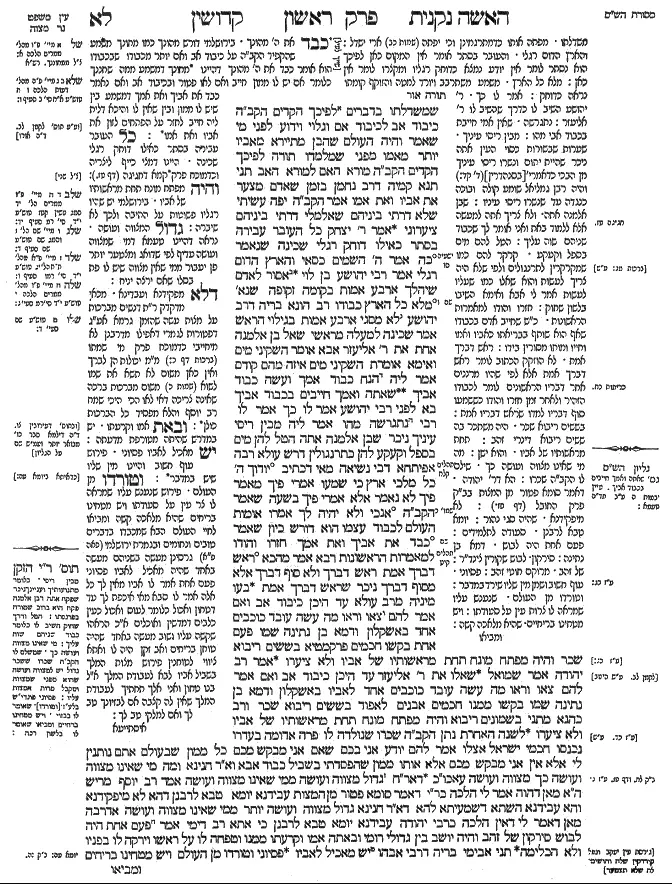
Kiddushin 31a - Guemara
שמשדלתו בדברים לפיכך הקדים הקב"ה כיבוד אב לכיבוד אם וגלוי וידוע לפני מי שאמר והיה העולם שהבן מתיירא מאביו יותר מאמו מפני שמלמדו תורה לפיכך הקדים הקב"ה מורא האם למורא האב תני תנא קמיה דרב נחמן בזמן שאדם מצער את אביו ואת אמו אמר הקב"ה יפה עשיתי שלא דרתי ביניהם שאלמלי דרתי ביניהם ציערוני אמר ר' יצחק כל העובר עבירה בסתר כאילו דוחק רגלי שכינה שנאמר (ישעיהו סו, א) כה אמר ה' השמים כסאי והארץ הדום רגלי אמר רבי יהושע בן לוי אסור לאדם שיהלך ארבע אמות בקומה זקופה שנא' (ישעיהו ו, ג) מלא כל הארץ כבודו רב הונא בריה דרב יהושע לא מסגי ארבע אמות בגילוי הראש אמר שכינה למעלה מראשי שאל בן אלמנה אחת את ר' אליעזר אבא אומר השקיני מים ואימא אומרת השקיני מים איזה מהם קודם אמר ליה הנח כבוד אמך ועשה כבוד אביך שאתה ואמך חייבים בכבוד אביך בא לפני רבי יהושע אמר לו כך אמר לו רבי נתגרשה מהו אמר ליה מבין ריסי עיניך ניכר שבן אלמנה אתה הטל להן מים בספל וקעקע להן כתרנגולין דרש עולא רבה אפיתחא דבי נשיאה מאי דכתיב (תהלים קלח, ד) יודוך ה' כל מלכי ארץ כי שמעו אמרי פיך מאמר פיך לא נאמר אלא אמרי פיך בשעה שאמר הקב"ה (שמות כ, ב) אנכי ולא יהיה לך אמרו אומות העולם לכבוד עצמו הוא דורש כיון שאמר (שמות כ, יא) כבד את אביך ואת אמך חזרו והודו למאמרות הראשונות רבא אמר מהכא (תהלים קיט, קס) ראש דברך אמת ראש דברך ולא סוף דברך אלא מסוף דברך ניכר שראש דברך אמת בעו מיניה מרב עולא עד היכן כיבוד אב ואם אמר להם צאו וראו מה עשה עובד כוכבים אחד באשקלון ודמא בן נתינה שמו פעם אחת בקשו חכמים פרקמטיא בששים ריבוא שכר והיה מפתח מונח תחת מראשותיו של אביו ולא ציערו אמר רב יהודה אמר שמואל שאלו את ר' אליעזר עד היכן כיבוד אב ואם אמר להם צאו וראו מה עשה עובד כוכבים אחד לאביו באשקלון ודמא בן נתינה שמו בקשו ממנו חכמים אבנים לאפוד בששים ריבוא שכר ורב כהנא מתני בשמונים ריבוא והיה מפתח מונח תחת מראשותיו של אביו ולא ציערו לשנה האחרת נתן הקב"ה שכרו שנולדה לו פרה אדומה בעדרו נכנסו חכמי ישראל אצלו אמר להם יודע אני בכם שאם אני מבקש מכם כל ממון שבעולם אתם נותנין לי אלא אין אני מבקש מכם אלא אותו ממון שהפסדתי בשביל כבוד אבא וא"ר חנינא ומה מי שאינו מצווה ועושה כך מצווה ועושה עאכו"כ דאר"ח גדול מצווה ועושה ממי שאינו מצווה ועושה אמר רב יוסף מריש ה"א מאן דהוה אמר לי הלכה כר"י דאמר סומא פטור מן המצות עבידנא יומא טבא לרבנן דהא לא מיפקידנא והא עבידנא השתא דשמעיתא להא דא"ר חנינא גדול מצווה ועושה יותר ממי שאינו מצווה ועושה אדרבה מאן דאמר לי דאין הלכה כרבי יהודה עבידנא יומא טבא לרבנן כי אתא רב דימי אמר פעם אחת היה לבוש סירקון של זהב והיה יושב בין גדולי רומי ובאתה אמו וקרעתו ממנו וטפחה לו על ראשו וירקה לו בפניו ולא הכלימה תני אבימי בריה דרבי אבהו יש מאכיל לאביו פסיוני וטורדו מן העולם ויש מטחינו בריחים
Comments from Rashi on Masechet Kiddushin Page 31a
משדלתו . מפתה אותו כדמתרגמינן וכי יפתה (שמות כב) ארי ישדל: והארץ הדום רגלי . והעובר בסתר אומר אין המקום כאן לפיכך הוא נסתר לומר אין יודע נמצא כדוחק רגליו ומקצרו לומר אין כאן: מלא כל הארץ . משמע משתרבב ויורד למטה והזוקף קומתו נראה כדוחק: אמר לו כך . ר' יהושע השיב לו כדרך שהשיב לו ר' אליעזר: נתגרשה . שאין אמי חייבת בכבוד אבי מהו: מבין ריסי עיניך . שערות שבשורות כסוי העין אתה ניכר שהיית יתום ונשרו ריסי עיניך מן הבכי כדאמרי' [בסנהדרין] (ד' קד:) והיה רבן גמליאל שומע קולה ובוכה כנגדה עד שנשרו ריסי עיניו: שבן אלמנה אתה . ולא צריך אתה למעשה אלא ללמוד באת ואני אומר לך שכבוד שניהם שוה עליך: הטל להם מים בספל וקעקע . קרקר להם כמו שמקרקרין לתרנגולים ולפי שלא היה צריך לעשות והוא שאלו כמו שעליו לעשות אמר לי אבא ואימא השיבו בלשון שחוק: חזרו והודו למאמרות הראשונות . כ"ש שחייב אדם בכבודו שאף הוא שותף בבריאתו כאביו ואמו וחייו ומותו מסורין בידו: ראש דברך אמת . לא הוזקק הכתוב לומר ראש דברך אמת אלא לפי שהיו מרננים אחר דבריו הראשונים לומר לכבודו הזהיר ולאחר זמן חזרו והודו כששמעו סוף דבריו למדו שראש דבריו אמת: בששים ריבוא שכר . היה משתכר בה ששים ריבוא דינרי זהב: תחת מראשותיו של אביו . והוא ישן: מה מי שאינו מצווה ועושה כך . שילם לו הקב"ה שכרו: הא דר' יהודה . דאמר סומא פטור מן המצות בב"ק פרק החובל (דף פז.): יומא טבא לרבנן . סעודה לתלמידים: לא מיפקידנא . שהיה סגי נהור: פעם אחת היה לבוש . דמא בן נתינה: סירקון . לבוש שקורין צינד"ר (צינדי"ר: מין משי) : של זהב . מרוקם חוטי זהב: פסיוני . עוף חשוב ושמן מין שליו שירד במדבר: וטורדו מן העולם . שנענש עליו שמראה לו צרות עין על סעודתו: ויש מטחינו בריחיים . שהיא מלאכה קשה:
Comments from Tosafot - Kiddushin 31a
כל העובר עבירה בסתר כאילו דוחק רגלי שכינה . היינו דמצי כייף ליצריה וכדמוכח פרק. קמא דחגיגה (דף טז.): כבד את ה' מהונך . בירושלמי דורש מהונך כמו מחונך משמע שהקפיד הקב"ה על כיבוד אב ואם יותר מכבודו שבכבודו הוא אומר כבד את ה' מהונך דהיינו. מחונך דמשמע ממה שחננך כלומר אם יש לו ממון חייב ואם לאו פטור ובכיבוד אב ואם נאמר כבד את אביך ואת אמך דמשמע בין שיש לו ממון ובין שאין לו והיכא דלית ליה חייב לחזר על הפתחים לזון את אביו ואת אמו.: והיה מפתח מונח תחת מראשותיו של אביו . בירושלמי יש שהיו רגליו פשוטות על התיבה ולכך לא שיברה: גדול המצווה ועושה . נראה דהיינו טעמא דמי שמצווה ועושה עדיף לפי שדואג ומצטער יותר פן יעבור ממי שאין מצווה שיש לו פת בסלו שאם ירצה יניח: דלא מפקידנא ועבדינא . מכאן מדקדק ר"ת דנשים מברכות על מצות עשה שהזמן גרמא אע"ג דפטורות לגמרי דאפילו מדרבנן לא מיחייבי כדמוכח פרק מי שמתו (ברכות דף כ:) מ"מ יכולות הן לברך ואין כאן משום לא תשא את שמו לשוא (שמות כ) משום מברכות ברכה שאינה צריכה דאי לאו הכי היכי שמח רב יוסף והלא מפסיד כל הברכות כולן: ובאת אמו וקרעתו . יש במדרש שהיתה מטורפת מדעתה: יש מאכיל לאביו פסיוני . פירוש עוף חשוב והיינו מין שליו שיש במדבר: וטורדו מן העולם . פירוש שנענש עליו שמראה לו צר עין על סעודתו ויש מטחינו בריחים שהיא מלאכה קשה ומביאו לחיי העולם הבא שמכבדו בדברים טובים ונחומים ובגמרת ירושלמי (פאה פ"א) גרסינן מעשה בשניהם מעשה באחד שהיה מאכיל לאביו פסיוני פעם אחת אמר לו אביו מאין לך כל אלה אמר לו סבא מאי איכפת לך עד דטחון ואכול כלומר לעוס ואכול כעין כלבים דמדשין ואוכלים א"כ הראהו שקשה עליו ושוב מעשה באחד שהיה טוחן בריחים ואב זקן היה לו ואתא ציווי לטוחנין פירוש מצות המלך בשביל אביו לבא לעבודת המלך א"ל בנו טחון ואני אלך תחתיך לעבודת המלך שאין לה קצבה אם לבזיונך טב לך ואם למלקי טב לך:
Kiddushin 31a - Mishnah translated into english
she persuades him with many statements of encouragement and does not treat him harshly. Therefore, in the mitzva of: “Honor your father and your mother” (Exodus 20:11), the Holy One, Blessed be He, preceded the mention of the honor due one’s father before mentioning the honor due one’s mother. The verse emphasizes the duty that does not come naturally. Similarly, it is revealed and known before the One Who spoke and the world came into being that a son fears his father more than his mother, because his father teaches him Torah, and consequently he is strict with him. Therefore, in the verse: “A man shall fear his mother and his father” (Leviticus 19:3), the Holy One, Blessed be He, preceded the mention of fear of the mother before the mention of fear of the father.
A tanna taught a baraita before Rav Naḥman: When a person causes his father and mother suffering, the Holy One, Blessed be He, says: I did well in not dwelling among them, for if I had dwelled among them they would have caused Me suffering as well, as it were. Rabbi Yitzḥak says: Anyone who transgresses in private, it is considered as though he is pushing away the feet of the Divine Presence, i.e., he distances God from him, so to speak. As it is stated: “So says the Lord: The heaven is My throne and the earth is My footstool” (Isaiah 66:1). When someone sins in secret, he demonstrates that he thinks God is absent from that place, and it is as though he pushes His feet away from the earth.
With regard to the same issue, Rabbi Yehoshua ben Levi says: It is prohibited for a person to walk even four cubits with an upright posture, which is considered an arrogant manner, as it is stated: “The entire world is full of His glory” (Isaiah 6:3). One who walks in an arrogant manner indicates a lack of regard for the glory and honor of God that is surrounding him, and thereby chases God from that place, as it were. The Gemara relates: Rav Huna, son of Rav Yehoshua, would not walk four cubits with an uncovered head. He said: The Divine Presence is above my head, and I must act respectfully.
The son of one widow asked Rabbi Eliezer: If my father says to me: Give me water to drink, and my mother also says to me: Give me water to drink, which of them should I honor first? Rabbi Eliezer said to him: Set aside the honor of your mother, and perform the honor of your father, as you and your mother are both obligated in the honor of your father. He came before Rabbi Yehoshua and asked him the same question, and Rabbi Yehoshua said this same answer to him.
The man said to him: My teacher, if one’s mother is divorced, what is the halakha? Rabbi Yehoshua said to him: From your eyelashes, which are filled with tears, it is evident that you are the son of a widow, and you have no father. Why, then, are you asking this question as though it were relevant for you? Consequently, Rabbi Yehoshua answered him sarcastically: Pour water for them into a pitcher and squawk at them as one does to summon chickens. In other words, if one’s mother is divorced, the same honor is due to both parents, and neither takes precedence.
§ Ulla the Great interpreted a verse homiletically at the entrance to the house of the Nasi. What is the meaning of that which is written: “All the kings of the earth shall give You thanks, O Lord, for they have heard the words of Your mouth” (Psalms 138:4)? It is not stated: The word of Your mouth, in the singular. Rather, the verse uses the expression: “The words of Your mouth,” in the plural. To what is this phrase referring? When the Holy One, Blessed be He, said: “I am the Lord your God” (Exodus 20:2), and, in the same verse: “You shall have no other gods before Me,” the nations of the world said: He teaches this for His own honor, as both statements entail respect for God.
Once He said: “Honor your father and your mother” (Exodus 20:11), they returned and conceded the truth of the first statements, which is why the verse uses the plural expression: “Words of Your mouth,” i.e., all the words of God’s mouth. Rava said: This can be derived from here: “The beginning of Your word is truth” (Psalms 119:160). Is the beginning of Your word truth but not the end of Your word? Rather, from the end of Your word it is apparent to everyone that the beginning of Your word is truth.
The Sages raised a dilemma before Rav Ulla: How far must one go to fulfill the mitzva of honoring one’s father and mother? Rav Ulla said to them: Go and see what one gentile did in Ashkelon, and his name was Dama ben Netina. Once the Sages sought to purchase merchandise [perakmatya] from him for six hundred thousand gold dinars’ profit, but the key for the container in which the merchandise was kept was placed under his father’s head, and he was sleeping at the time. And Dama ben Netina would not disturb his father by waking him, although he could have made a substantial profit.
Rav Yehuda says that Shmuel says: They asked Rabbi Eliezer: How far must one go to fulfill the mitzva of honoring one’s father and mother? Rabbi Eliezer said to them: Go and see what one gentile did for his father in Ashkelon, and the name of the son was Dama ben Netina. Once the Sages wished to purchase precious stones from him for the ephod of the High Priest for six hundred thousand gold dinars’ profit, and Rav Kahana taught that it was eight hundred thousand gold dinars’ profit. And the key to the chest holding the jewels was placed under his father’s head, and he would not disturb him.
The next year the Holy One, Blessed be He, gave Dama ben Netina his reward, as a red heifer was born in his herd, and the Jews needed it. When the Sages of Israel came to him he said to them: I know, concerning you, that if I were to ask for all the money in the world you would give it to me. But I ask only that money that I lost due to the honor of Father.
And Rabbi Ḥanina says: And if this is related about one who is not commanded by the Torah to honor his father, as Dama was a gentile, and nevertheless when he performs the mitzva he is given this great reward, all the more so is one rewarded who is commanded to fulfill a mitzva and performs it. As Rabbi Ḥanina says: Greater is one who is commanded to do a mitzva and performs it than one who is not commanded to do a mitzva and performs it.
Rav Yosef, who was blind, said: At first I would say: If someone would tell me that the halakha is in accordance with the opinion of Rabbi Yehuda, who says: A blind person is exempt from fulfilling the mitzvot, I would make a festive day for the rabbis, as I am not commanded and yet I perform the mitzvot. This means my reward is very great. Now that I have heard that which Rabbi Ḥanina says: Greater is one who is commanded to do a mitzva and performs it than one who is not commanded to do a mitzva and performs it, on the contrary: If someone would tell me that the halakha is not in accordance with the opinion of Rabbi Yehuda, and a blind person is obligated in mitzvot, I would make a festive day for the rabbis.
When Rav Dimi came from Eretz Yisrael to Babylonia, he said: Once Dama ben Netina was wearing a fine cloak [sirkon] of gold, and was sitting among the nobles of Rome. And his mother came to him and tore his garment from him and smacked him on the head and spat in his face, and yet he did not embarrass her.
Avimi, son of Rabbi Abbahu, taught: There is a type of son who feeds his father pheasant [pasyonei] and yet this behavior causes him to be removed from the World, i.e., the World-to-Come; and there is one who makes him grind with a millstone, which is difficult work,
Traduction : The William Davidson digital edition of the Koren Noé Talmud, with commentary by Rabbi Adin Even-Israel Steinsaltz.