 Talmud Bavli
The learning on the whole site is dedicated : L'ilui Nishmat אסתר בת חיים
The learning on the whole site is dedicated : L'ilui Nishmat Amram ben Itshak Loubaton
The learning on the whole site is dedicated : For the success of Elyahou ben H'anna & family
Kiddushin 32a : Youtube
Daf TubeYoutube
2 video classes :
Kiddushin Page 32a
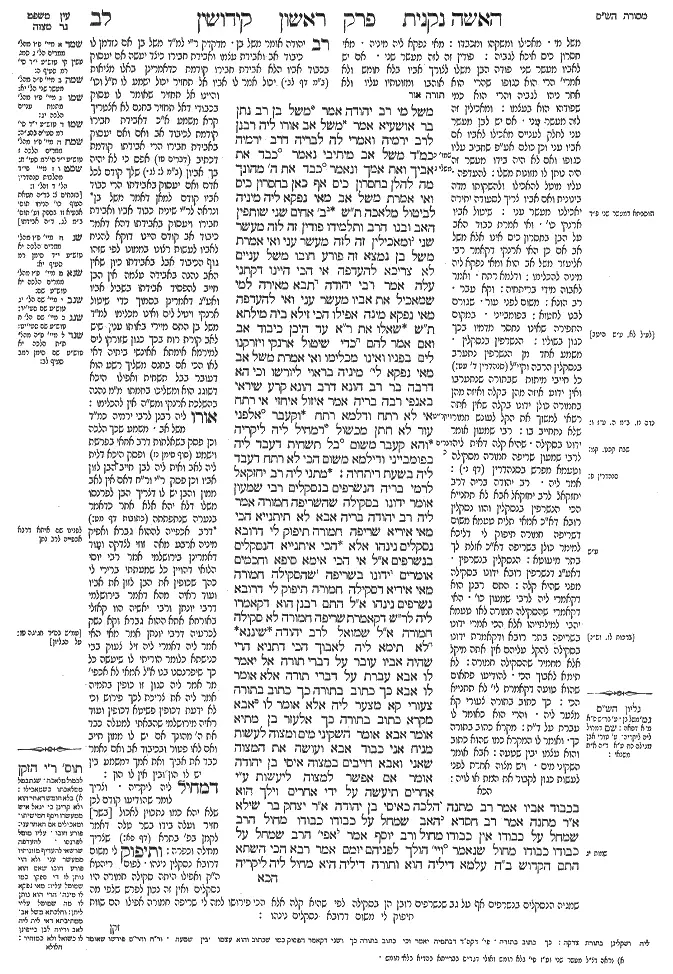
Kiddushin 32a - Guemara
משל מי רב יהודה אמר משל בן רב נתן בר אושעיא אמר משל אב אורו ליה רבנן לרב ירמיה ואמרי לה לבריה דרב ירמיה כמ"ד משל אב מיתיבי נאמר (שמות כ, יא) כבד את אביך ואת אמך ונאמר (משלי ג, ט) כבד את ה' מהונך מה להלן בחסרון כיס אף כאן בחסרון כיס ואי אמרת משל אב מאי נפקא ליה מיניה לביטול מלאכה ת"ש ב' אחים שני שותפין האב ובנו הרב ותלמידו פודין זה לזה מעשר שני ומאכילין זה לזה מעשר עני ואי אמרת משל בן נמצא זה פורע חובו משל עניים לא צריכא להעדפה אי הכי היינו דקתני עלה אמר רבי יהודה תבא מאירה למי שמאכיל את אביו מעשר עני ואי להעדפה מאי נפקא מינה אפילו הכי זילא ביה מילתא ת"ש שאלו את ר"א עד היכן כיבוד אב ואם אמר להם כדי שיטול ארנקי ויזרקנו לים בפניו ואינו מכלימו ואי אמרת משל אב מאי נפקא לי' מיניה בראוי ליורשו וכי הא דרבה בר רב הונא דרב הונא קרע שיראי באנפי רבה בריה אמר איזול איחזי אי רתח אי לא רתח ודלמא רתח וקעבר (ויקרא יט, יד) אלפני עור לא תתן מכשול דמחיל ליה ליקריה והא קעבר משום (דברים כ, יט) בל תשחית דעבד ליה בפומבייני ודילמא משום הכי לא רתח דעבד ליה בשעת ריתחיה מתני ליה רב יחזקאל לרמי בריה הנשרפים בנסקלים רבי שמעון אומר ידונו בסקילה שהשריפה חמורה אמר ליה רב יהודה בריה אבא לא תיתנייא הכי מאי איריא שריפה חמורה תיפוק לי דרובא נסקלים נינהו אלא הכי איתנייא הנסקלים בנשרפים א"ל אי הכי אימא סיפא וחכמים אומרים ידונו בשריפה שהסקילה חמורה מאי איריא דסקילה חמורה תיפוק לי דרובא נשרפים נינהו א"ל התם רבנן הוא דקאמרו ליה לר"ש דקאמרת שריפה חמורה לא סקילה חמורה א"ל שמואל לרב יהודה שיננא לא תימא ליה לאבוך הכי דתניא הרי שהיה אביו עובר על דברי תורה אל יאמר לו אבא עברת על דברי תורה אלא אומר לו אבא כך כתוב בתורה כך כתוב בתורה צעורי קא מצער ליה אלא אומר לו אבא מקרא כתוב בתורה כך אלעזר בן מתיא אומר אבא אומר השקיני מים ומצוה לעשות מניח אני כבוד אבא ועושה את המצוה שאני ואבא חייבים במצוה איסי בן יהודה אומר אם אפשר למצוה ליעשות ע"י אחרים תיעשה על ידי אחרים וילך הוא בכבוד אביו אמר רב מתנה הלכה כאיסי בן יהודה א"ר יצחק בר שילא א"ר מתנה אמר רב חסדא האב שמחל על כבודו כבודו מחול הרב שמחל על כבודו אין כבודו מחול ורב יוסף אמר אפי' הרב שמחל על כבודו כבודו מחול שנאמר (שמות יג, כא) ויי' הולך לפניהם יומם אמר רבא הכי השתא התם הקדוש ב"ה עלמא דיליה הוא ותורה דיליה היא מחיל ליה ליקריה
Comments from Rashi on Masechet Kiddushin Page 32a
משל מי . מאכילו ומשקהו ומכבדו: שיטול אביו ארנקי כו' . ואי אמרת כבוד האב על הבן בחסרון כיס אינו אלא משל אב אם כן האי ארנקי דקאמר רבי אליעזר משל אב הוא ומאי נפקא ליה מיניה להכלימו: מאי נפקא ליה מיניה . מאי חסרון כיס איכא לגביה: פודין זה לזה מעשר שני . אם יש לאביו מעשר שני פודה הבן משלו לצורך אביו בלא חומש ולא אמרי' הרי הוא כגופו שהרי הוא אוהבו ומזונותיו עליו ולא אחר ניהו לגביה והרי הוא כמי שפודהו הוא בעצמו: ומאכילין זה לזה מעשר עני . אם יש לבן מעשר עני לחלק לעניים מאכילו לאביו אם אביו עני וכן כולם אע"פ שחביב עליו כגופו ואם לא היה בידו מעשר זה היה נותן לו מזונות משלו: להעדפה . עליו מוטל להאכילו ולהשקותו מדה בינונית ואם אביו צריך לסעודה יתירה יאכילנו מעשר עני: שיטול אביו ארנקי כו' . ואי אמרת כבוד האב על הבן בחסרון כיס אינו אלא משל אב אם כן האי ארנקי דקאמר רבי אליעזר משל אב הוא ומאי נפקא ליה מיניה להכלימו: ודלמא רתח . ואמר לאבוה מידי בריתחיה: וקא עבר . רב הונא: משום לפני עור . שגורם לבנו לחטוא: בפומבייני . במקום התפירה שאינו נחסר מדמיו בכך כגון בשוליו: הנשרפין בנסקלין . משמע אחד מן הנשרפין נתערב בנסקלין הרבה וקיי"ל (סנהדרין ד' עט:) כל חייבי מיתות שבתורה שנתערבו ואין ידוע איזה מהן בקלה ואיזה מהן בחמורה כולן ידונו בקלה שאין אתה רשאי למשוך את הקל לעונש חמור שלא נתחייב בו: רבי שמעון אומר ידונו בסקילה . שהיא קלה דאית ליה לרבי שמעון שריפה חמורה מסקילה וטעמא מפרש בסנהדרין (דף נ.): אמר ליה . רב יהודה בריה דרב יחזקאל לרב יחזקאל אבא לא תתנייא הכי הנשרפין בנסקלין והוו נסקלין רובא דא"כ אמאי תלית טעמא משום דשריפה חמורה תיפוק לי דליכא למימר כולן בשריפה דא"כ אזלת לך בתר מיעוטא: הנסקלין בנשרפין . דאע"ג דנשרפין רובא ידונו בסקילה מפני שהיא קלה: התם רבנן הוא דקאמרי ליה לרבי שמעון כו' . האי דקאמרי שהסקילה חמורה לאו טעמא יהבי למילתייהו אלא הכי אמרי ידונו בשריפה בתר רובא ודקאמרת ידונו בסקילה להקל עליהם אין אתה מיקל אלא מחמיר שהסקילה חמורה: לא תימא לאבוך הכי . להודיעו פתאום שהוא טועה דקאמרת לי' לא תתנייא הכי: כך כתוב בתורה צעורי קא מצער ליה . והרי הוא כאומר לו עברת על ד"ת: מקרא כתוב בתורה כך . ואומר לו המקרא כמו שהוא כתוב והוא עצמו יבין שטעה: אבא אומר השקיני מים . ויש מצוה אחרת לפני לעשות כגון לקבור את המת או לויה:
Comments from Tosafot - Kiddushin 32a
רב יהודה אומר משל בן . מדקדק ר"י למ"ד משל בן אם נזדמן לו כיבוד אב ואבידת עצמו ואבידת חבירו כיצד יעשה אם יעסוק בכבוד אביו הלא אבידת חבירו קודמת כדאמרינן באלו מציאות (ב"מ דף לב.) יכול אמר לו אביו אל תחזיר יכול ישמע לו ת"ל וכו' והיינו אל תחזיר שאומר לו עסוק בכבודי דאל תחזיר בחנם לא אצטריך קרא משמע א"כ דאבידת חבירו קודמת לכיבוד אב ואם ואם יעסוק באבידת חבירו הרי אבידתו קודמת דכתיב (דברים טו) אפס כי לא יהיה בך אביון (ב"מ ל: לג.) שלך קודם לכל אדם ואם יעסוק באבידתו הרי כבוד אביו קודם למאן דאמר משל בן ונראה לר"י שיניח כבוד אביו ואבידת חבירו ויעסוק באבידתו דהא דאמר כיבוד אב קודם היינו דוקא להניח לאביו לעשות רצונו בממונו לפי שזהו גוף הכיבוד אבל באבידתו כיון שאין האב נהנה באבידה עצמה אין הבן חייב להפסיד אבידתו בשביל אביו ואע"ג דאמרינן בסמוך כדי שיטול ארנקי ויטיל לים ואינו מכלימו למ"ד משל בן התם מיירי באותו ענין שיש לאב קורת רוח בכך כגון שזורקו לים למירמא אימתא אאינשי ביתיה דאי לאו הכי אם בחנם משליך רשע הוא דעובר בבל תשחית ואפילו היכא דשוגג הוא ומשליכו בחמתו מ"מ נהנה בהשלכת ארנקי ומש"ה אין להכלימו: אורו ליה רבנן לרבי ירמיה כמ"ד משל אב . משמע שכך הלכה וכן פסק בשאלתות דרב אחאי בפרשת וישמע (סוף סימן נז) ופסק היכא דלית ליה לאב ואית ליה לבן חייב הבן לזון אביו וכן פסק ר"י ור"ח דאם אין לאב ממון והבן יש לו דצריך הבן לפרנסו משלו דלא יהא אלא אחר כדאמר בנערה שנתפתתה (כתובות דף מט:) דרב אכפייה לההוא גברא ואפיק מיניה ארבע מאה זוזי לצדקה ועוד דאמרינן בירושלמי אמר רבי יוסי הלואי דהויין כל שמעתתי ברירי לי כהך שכופין את הבן לזון את אביו ועוד ראיה מהא דאמר בירושלמי דרבי יונתן ורבי יאשיה הוו קאזלי באורחא אתא ההוא גברא וקא נשק לכרעיה דרבי יונתן אמר מאי האי אמר ליה דאמרי ליה זיל צעוק בבי כנישתא כלומר הוריתי לו שיעשה כל כך שיפרנסנו בנו א"ל אמאי לא אכפי' מר אמר ליה כגון זו כופין בתמיה אמר ליה את צריכת לכך פירוש וכי לא ידעת דכופין פשיטא דכופין ועוד ראיה מירושלמי שהבאתי למעלה כבד את ה' מהונך אם יש לו ממון חייב ואם לאו פטור ובכיבוד אב ואם נאמר כבד את אביך ואת אמך דמשמע בין יש לו הון ובין אין לו הון: כבד את ה' מהונך. בירושלמי דורש מהונך כמו מחונך משמע שהקפיד הקב"ה על כיבוד אב ואם יותר מכבודו שבכבודו הוא אומר כבד את ה' מהונך דהיינו מחונך דמשמע ממה שחננך כלומר אם יש לו ממון חייב ואם לאו פטור ובכיבוד אב ואם נאמר כבד את אביך ואת אמך דמשמע בין שיש לו ממון ובין שאין לו והיכא דלית ליה חייב לחזר על הפתחים לזון את אביו ואת אמו: דמחיל ליה ליקריה . וצריך לומר שהודיעו קודם לכן שלא יהא כמו נתכוין לאכול [בשר] חזיר ועלה בידו בשר טלה דאמר לקמן בפ' בתרא (קידושין דף פא:) שצריך מחילה וכפרה: ותיפוק לי משום דרובא נסקלין נינהו . לפום ריהטא ה"ק ואפילו היתה סקילה חמורה היו נסקלים ואין זה נכון לפרש שלפי מה שמגיה הנסקלים בנשרפים אף על גב שנשרפים רובן הן בסקילה לפי שהיא קלה אלא הכי פירושו למה לי שריפה חמורה אפילו הם שוות תיפוק לי משום דרובא נסקלים נינהו:
Kiddushin 32a - Mishnah translated into english
From whose funds must one give his father food and drink? Rav Yehuda says: From the money of the son. Rav Natan bar Oshaya said: From the money of the father. The Sages gave this following ruling to Rav Yirmeya, and some say they gave this following ruling to the son of Rav Yirmeya: The halakha is like the one who says it must be paid from the money of the father.
The Gemara raises an objection from the following baraita: It is stated: “Honor your father and your mother” (Exodus 20:11), and it is stated: “Honor the Lord with your wealth” (Proverbs 3:9), which teaches the following verbal analogy: Just as there one honors God “with your wealth,” i.e., through monetary loss, so too here one must honor his father through monetary loss. And if you say that one honors him from the money of the father, what difference does it make to the son, i.e., what monetary loss does he suffer? The Gemara answers: It makes a difference to him with regard to the neglect of his work. Although he is not required to spend his own money, the son must leave aside his work to honor his father, which will cause him some financial loss.
The Gemara suggests: Come and hear a proof from a baraita: Two brothers, or two partners in the ownership of produce, or a father and son, or a rabbi and his student, may redeem the second tithe for each other without adding one-fifth, as one who redeems the tithe of another, including these individuals, is not required to add one-fifth. And they may feed each other the poor man’s tithe. If one of them is poor, the other may give him the poor man’s tithe that he separated from his produce, and it is not considered as though the pauper ate the poor man’s tithe from his own produce.
The Gemara explains the proof from this baraita. And if you say that the obligation to honor one’s father is from the money of the son, one finds that this son repays his obligation from the produce of the poor, as he is taking care of his father with produce that should go to the poor. The Gemara rejects this proof: No, it is necessary to state this halakha in a case where he has covered all of his father’s basic needs with his own money. At this stage, if his father needs surplus money, he may give it to him from the poor man’s tithe.
The Gemara asks: If so, consider that which is taught with regard to this baraita. Rabbi Yehuda says: May a curse come upon one who feeds his father the poor man’s tithe. And if this halakha, that one may feed his father the poor man’s tithe, was said with regard to a surplus, what difference is there? Since the son has fulfilled his obligation and simply adds something so that his father will have more, why is this person cursed? The Gemara answers: Even so, it is a disrespectful matter for one to feed his father with money that has been designated as charity for the poor.
The Gemara further suggests: Come and hear: They asked Rabbi Eliezer how far one must go in honoring his father and mother. Rabbi Eliezer said to them: Such that the father takes a purse and throw it into the sea in front of his son, and the son does not embarrass him. And if you say that the son honors him from the money of the father, what difference does it make to the son? Why would the son care if his father throws away his own purse? The Gemara answers: This is referring to a son who is fit to inherit from him. Since the son thinks that the money will eventually belong to him, he has cause for anger.
And this is as reflected in an incident involving Rabba bar Rav Huna, when Rav Huna tore silk garments in front of his son Rabba. Rav Huna had said to himself: I will go and see if he becomes angry or does not become angry, i.e., he wanted to test him and see whether his son Rabba would honor him. The Gemara asks: But perhaps his son would become angry and Rav Huna would thereby violate the prohibition of: “Nor put a stumbling block before the blind” (Leviticus 19:14), as by testing his son Rav Huna would have caused him to sin. The Gemara answers: It was a case where the father had forgone his honor from the outset. Consequently, even if the son grew angry with him, he would not have violated the mitzva.
The Gemara asks: But by tearing his clothes, he violates the prohibition: Do not destroy (see Deuteronomy 20:19). The Gemara answers that Rav Huna made a tear at the seam, so that the garment could be repaired. The Gemara asks: Perhaps it was due to that reason that the son did not become angry, because he saw that his father caused no actual damage? The Gemara answers: He did this when the son was already angry for some other reason, so that he would not notice this detail.
The Gemara cites another story involving the mitzva of honoring one’s father and mother. Rav Yeḥezkel taught his son Rami: If people sentenced to be burned became mingled with those sentenced to be stoned Rabbi Shimon says: All of them are judged with the punishment of stoning, as the punishment of burning is more severe. Since the death penalty of each is uncertain, all of them are treated leniently.
Rav Yehuda, who was also Rav Yeḥezkel’s son, said to him: Father, do not teach the mishna this way, as, according to this version, why is this the halakha specifically because burning is more severe than stoning? Let him derive it from the fact that the majority are sentenced to be stoned. The wording of the baraita, which states that those who were supposed to be burned became mixed up with those who were to be stoned, indicates that the people sentenced to stoning are the majority. If so, one should simply follow the majority. Rather, I will teach it this way: If those who are sentenced to be stoned became mixed up with those who are sentenced to be burned, they are all judged with the punishment of stoning even though this is the minority, as they are all treated leniently.
Rav Yeḥezkel said to him: If so, say the latter clause of the mishna: And the Rabbis say that they should be judged with the punishment of burning, as the punishment of stoning is more severe. According to your version, why is this the halakha specifically because stoning is more severe? Let him derive it due to the fact that the majority of people are sentenced to be burned, and one follows the majority.
His son Rav Yehuda said to him: The statement of the Rabbis is not difficult, as there the Rabbis are saying to Rabbi Shimon as follows: That which you said, that burning is more severe, is not the case; rather, stoning is more severe. In other words, the Rabbis were specifically responding to Rabbi Shimon’s reasoning, and therefore they stated the opposite claim and ignored the issue of which group is in the majority.
Later, Shmuel said to Rav Yehuda: Big-toothed one, do not speak to your father like that, as it is disrespectful. As it is taught in a baraita: If one’s father was transgressing a Torah matter, he should not say to him explicitly: Father, you transgressed a Torah matter. Rather, he should say to him: Father, so it is written in the Torah. The Gemara asks: If he says to him directly: This is what is written in the Torah, he will cause him suffering. Rather, he should say to him: Father, this verse is written in the Torah, and he should proceed to quote the verse, from which his father will understand on his own that he has acted improperly.
§ Elazar ben Matya says: If my father says: Give me water, and there is a mitzva for me to perform at the same time, I set aside the honor of my father and perform the mitzva, as my father and I are both obligated in the mitzva. Isi ben Yehuda says: If it is possible for this mitzva to be performed by others, let it be performed by others, and he should go and attend to the honor due to his father, as the honor of his father is his obligation alone. Rav Mattana says: The halakha with regard to this matter is in accordance with the opinion of Isi ben Yehuda.
Rav Yitzḥak bar Sheila says that Rav Mattana says that Rav Ḥisda says: With regard to a father who forgoes his honor, his honor is forgone, and his son does not transgress if he does not treat him in the proper manner. By contrast, with regard to a rabbi who forgoes his honor, his honor is not forgone.
And Rav Yosef says: Even with regard to a rabbi who forgoes his honor, his honor is forgone, as it is stated: “And the Lord went before them by day” (Exodus 13:21). God Himself, the Teacher of the Jewish people, had forgone the honor due Him and took the trouble to guide the people. Rava said: How can these cases be compared? There, with regard to the Holy One, Blessed be He, the world is His and the Torah is His, and therefore He can forgo His honor.
Traduction : The William Davidson digital edition of the Koren Noé Talmud, with commentary by Rabbi Adin Even-Israel Steinsaltz.