 Talmud Bavli
The learning on the whole site is dedicated : For the success of Elyahou ben H'anna & family
The learning on the whole site is dedicated : L'ilui Nishmat Jacques Isaac Ben Amram Loubaton
The learning on the whole site is dedicated : L'ilui Nishmat Rav Chlomo Ben Jamilla
Kiddushin 82a : Youtube
Daf TubeYoutube
2 video classes :
Kiddushin Page 82a
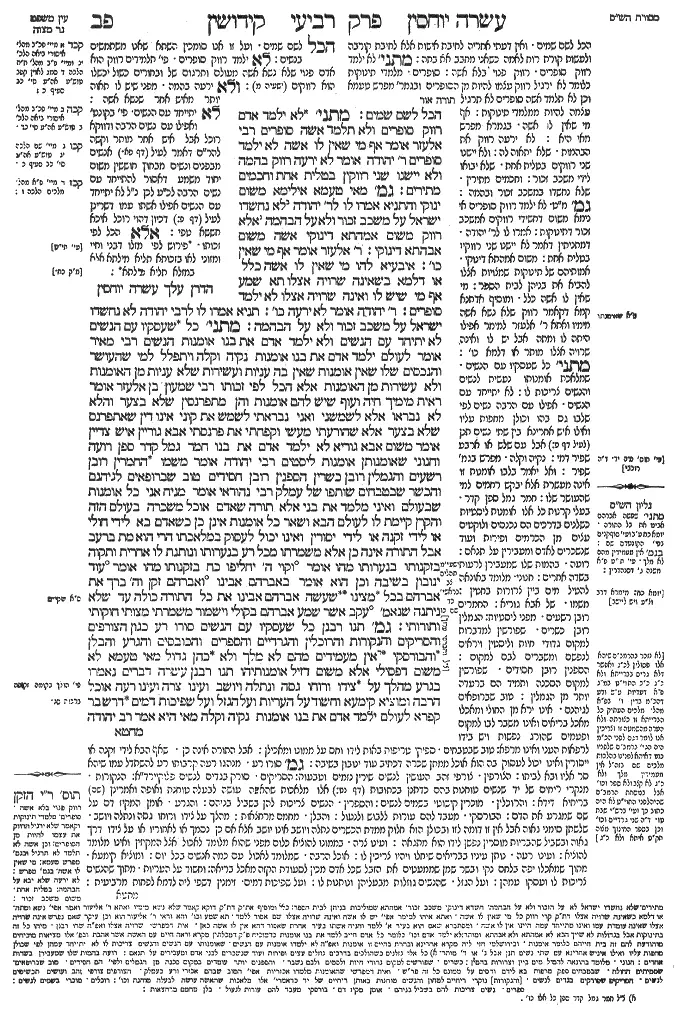
Kiddushin 82a - Guemara
הכל לשם שמים:
מתני׳ לא ילמד אדם רווק סופרים ולא תלמד אשה סופרים רבי אלעזר אומר אף מי שאין לו אשה לא ילמד סופרים ר' יהודה אומר לא ירעה רווק בהמה ולא יישנו שני רווקין בטלית אחת וחכמים מתירים גמ׳ מאי טעמא אילימא משום ינוקי והתניא אמרו לו לר' יהודה לא נחשדו ישראל על משכב זכור ולא על הבהמה אלא רווק משום אמהתא דינוקי אשה משום אבהתא דינוקי ר' אלעזר אומר אף מי שאין כו' איבעיא להו מי שאין לו אשה כלל או דלמא בשאינה שרויה אצלו תא שמע אף מי שיש לו ואינה שרויה אצלו לא ילמד סופרים ר' יהודה אומר לא ירעה כו' תניא אמרו לו לרבי יהודה לא נחשדו ישראל על משכב זכור ולא על הבהמה מתני׳ כל שעסקיו עם הנשים לא יתיחד עם הנשים ולא ילמד אדם את בנו אומנות הנשים רבי מאיר אומר לעולם ילמד אדם את בנו אומנות נקיה וקלה ויתפלל למי שהעושר והנכסים שלו שאין אומנות שאין בה עניות ועשירות שלא עניות מן האומנות ולא עשירות מן האומנות אלא הכל לפי זכותו רבי שמעון בן אלעזר אומר ראית מימיך חיה ועוף שיש להם אומנות והן מתפרנסין שלא בצער והלא לא נבראו אלא לשמשני ואני נבראתי לשמש את קוני אינו דין שאתפרנס שלא בצער אלא שהורעתי מעשי וקפחתי את פרנסתי אבא גוריין איש צדיין אומר משום אבא גוריא לא ילמד אדם את בנו חמר גמל קדר ספן רועה וחנוני שאומנותן אומנות ליסטים רבי יהודה אומר משמו החמרין רובן רשעים והגמלין רובן כשרין הספנין רובן חסידים טוב שברופאים לגיהנם והכשר שבטבחים שותפו של עמלק רבי נהוראי אומר מניח אני כל אומנות שבעולם ואיני מלמד את בני אלא תורה שאדם אוכל משכרה בעולם הזה והקרן קיימת לו לעולם הבא ושאר כל אומנות אינן כן כשאדם בא לידי חולי או לידי זקנה או לידי יסורין ואינו יכול לעסוק במלאכתו הרי הוא מת ברעב אבל התורה אינה כן אלא משמרתו מכל רע בנערותו ונותנת לו אחרית ותקוה בזקנותו בנערותו מהו אומר (ישעיהו מ, לא) וקוי ה' יחליפו כח בזקנותו מהו אומר (תהלים צב, טו) עוד ינובון בשיבה וכן הוא אומר באברהם אבינו (בראשית כד, א) ואברהם זקן וה' ברך את אברהם בכל מצינו שעשה אברהם אבינו את כל התורה כולה עד שלא ניתנה שנאמ' (בראשית כו, ה) עקב אשר שמע אברהם בקולי וישמור משמרתי מצותי חוקותי ותורותי גמ׳ תנו רבנן כל שעסקיו עם הנשים סורו רע כגון הצורפים והסריקים והנקורות והרוכלין והגרדיים והספרים והכובסים והגרע והבלן והבורסקי אין מעמידים מהם לא מלך ולא כהן גדול מאי טעמא לא משום דפסילי אלא משום דזיל אומנותיהו תנו רבנן עשרה דברים נאמרו בגרע מהלך על צידו ורוחו גסה ונתלה ויושב ועינו צרה ועינו רעה אוכל הרבה ומוציא קימעא וחשוד על העריות ועל הגזל ועל שפיכות דמים דרש בר קפרא לעולם ילמד אדם את בנו אומנות נקיה וקלה מאי היא אמר רב יהודה
Comments from Rashi on Masechet Kiddushin Page 82a
הכל לשם שמים . ואין דעתי אחריה לחיבת אישות אלא לחיבת קורבה ולעשות קורת רוח לאמה כשאני מחבב את בתה: מתני' לא ילמד רווק סופרים . רווק פנוי בלא אשה: סופרים . מלמדי תינוקות כלומר לא ירגיל רווק עצמו להיות מן הסופרים ובגמר' מפרש טעמא וכן לא תלמד אשה סופרים לא תרגיל עצמה להיות ממלמדי תינוקות: אף מי שאין לו אשה . בגמרא מפרש מאי היא: לא ירעה רווק את הבהמות . שלא יתאוה לה: ולא יישנו שני רווקים בטלית אחת . שלא יבואו לידי משכב זכור: וחכמים מתירין . שלא נחשדו במשכב זכור ובהמה: גמ' מ"ט . לא ילמד רווק סופרים אי נימא משום דחשידי רווקים אמשכב זכור דתינוקות: אמרו לו לר' יהודה . דמתניתין דאמר לא יישנו שני רווקין בטלית אחת: משום אמהתא דינוקי . אמותיהם של תינוקות שמצויות אצלו להביא את בניהן לבית הספר: מי שאין לו אשה כלל . ומוסיף אדתנא קמא דקאמר רווק שלא נשא אשה מימיו ואתא ר' אלעזר למימר אפילו היתה לו ומתה אבל יש לו ואינה שרויה אצלו מותר או דלמא כו': מתני' כל שעסקיו עם הנשים . שמלאכת אומנותו נעשית לנשים והנשים צריכות לו: לא יתייחד עם הנשים . אפילו עם הרבה נשים לפי שלבו גס בהו וכולן מחפות עליו ואילו איש אחרינא בין שתי נשים תנן (לעיל קידושין דף פ:) אבל עם שלש או ארבע שפיר דמי: נקיה וקלה . מפרש בגמ' שפיר: ואל יאמר בלבו אומנות זו אינה מעשרת אלא יבקש רחמים למי שהעושר שלו: חמר גמל ספן קדר . בעלי קרנות כל אלו אומנות ליסטיות כשלנים בדרכים הם נכנסים ולוקטים עצים מן הכרמים ופירות ועוד שנשכרים לאדם ומעבירין על תנאם: רועה . בהמות שלו שמעבירן לרעות בשדה אחרים: חנוני . מלומד באונאה להטיל מים ביין צרורות בחטין: משמו . של אבא גוריא: החמרים רובן רשעים . מפני ליסטיות: הגמלין רובן כשרים . שפורשין למדברות למקום גדודי חיות וליסטין ויראים לנפשם ומשברים לבם למקום: הספנין רובן חסידים . שפורשין למקום הסכנה ותמיד הם ברעדה יותר מן הגמלין: טוב שברופאים לגיהנם . אינו ירא מן החולי ומאכלו מאכל בריאים ואינו משבר לבו למקום ופעמים שהורג נפשות ויש בידו לרפאות העני ואינו מרפא: טוב שבטבחים . ספיקי טריפות באות לידו וחס על ממונו ומאכילן: אבל התורה אינה כן . שאף הבא לידי זקנה או ייסורין ואינו יכול לעסוק בה הוא אוכל ממתן שכרה דכתיב עוד ינובון בשיבה: גמ' סורו רע . מנהגו רעה קרבותו רע להשתדל עמו שיהא סר אליו ובא לביתו: גמ' סורו רע . מנהגו רעה קרבותו רע להשתדל עמו שיהא סר אליו ובא לביתו: הצורפין . צורפי זהב העושין לנשים שירין נזמים וטבעות: הסריקים . סורק בגדים לנשים פלוקיירד"א (פלוקיידרי"ש: סורקי צמר) : הנקורות . מנקרי ריחים של יד שנשים טוחנות בהם כדתנן בכתובות (דף נט:) אלו מלאכות שהאשה עושה לבעלה טוחנת ואופה ואמרינן (שם) בריחיא דידא: והרוכלין . מוכרין קישוטי בשמים לנשים: והספרין . הנשים צריכות להן בשביל בניהם: והגרע . אומן המקיז דם על שם שמגרע את הדם: הבורסקי . מעבד להם עורות ללבוש ולנעול: והבלן . מחמם מרחצאות: מהלך על צידו ורוחו גסה ונתלה ויושב . שלשתן סימני גאוה אבל אין זו דומה לזו ובכולן הוא חלוק ממדת הכשרים נתלה ויושב אינו יושב אלא אם כן נסמך או לאחוריו או על צידו דרך גאוה ובשביל שהבריות מוסרין נפשן לידו הוא מתגאה: ועינו צרה . בממונו להוציא כלום מפני שהוא מלומד לאכול אצל המקיזין ואינו מלומד להוציא: ועינו רעה . נותן עיניו בבריאים שיחלו ויהיו צריכין לו: אוכל הרבה . שמלומד לאכול עם כמה אנשים בכל יום: ומוציא קימעא . מתוך שמאכלו יפה בלחם נקי ובשר שמן שממעטים את הזבל שכל אדם מכין לסעודת הקזה מאכל בריאה: וחשוד על העריות . מתוך שהנשים צריכות לו ועסקו עמהן: ועל הגזל . שהנשים גוזלות מבעליהן ונותנות לו: ועל שפיכות דמים . זימנין דשפי ליה לדמא לפחות מרביעית:
Comments from Tosafot - Kiddushin 82a
הכל לשם שמים . ועל זו אנו סומכין השתא שאנו משתמשים בנשים: לא ילמד רווק סופרים . פי' תלמידים רווק הוא אדם פנוי שלא נשא אשה מעולם ותרגום של ובחורים כשול יכשלו הוא רווקים (ישעיהו מ): ולא ירעה בהמה. מפני שיש לו תאוה יותר מאיש אחר שנשא אשה: ולא ירעה בהמה . מפני שיש לו תאוה יותר מאיש אחר שנשא אשה: לא יתייחד עם הנשים . פי' בקונט' ואפילו עם נשים הרבה ודווקא רוכל אבל איש אחר מותר וקשה להר"ם דאמר לעיל (קידושין דף פא.) אנשים מבפנים ונשים מבחוץ חוששין משום יחוד משמע דאסור להתייחד עם נשים הרבה לכ"ע לכן נ"ל לא יתייחד עם הנשים אפילו אשתו עמו דשרינן לעיל (קידושין דף פ:) דכיון דהוי רוכל איכא חששא טפי: אלא הכל לפי זכותו . פירוש לפי מזלו דבני וחיי ומזוני לאו בזכותא תליא מילתא אלא במזלא תליא מילתא:
Kiddushin 82a - Mishnah translated into english
All such actions are permitted for the sake of Heaven. In other words, if one is acting out of familial affection, without any element of licentiousness, they are permitted.
MISHNA: A bachelor may not act as a teacher of children, nor may a woman act as a teacher of children. Rabbi Elazar says: Even one who does not have a wife may not act as a teacher of children. Rabbi Yehuda says: A bachelor may not herd cattle, nor may two bachelors sleep with one covering, lest they transgress the prohibition against homosexual intercourse, but the Rabbis permit it.
GEMARA: What is the reason that a bachelor may not teach children? If we say it is due to the children themselves, that it is suspected that he may engage in homosexual intercourse with them, but isn’t it taught in a baraita (Tosefta 5:10): They said to Rabbi Yehuda: Jews are not suspected of engaging in homosexual intercourse nor of engaging in intercourse with an animal. Rather, the reason is as follows: A bachelor may not be a teacher of children due to the mothers of the children, who come to the school from time to time, with whom he might sin. Similarly, a woman may not serve as a teacher to children because she may come to be secluded with the fathers of the children.
The mishna teaches that Rabbi Elazar says: Even one who does not have a wife may not act as a teacher of children. A dilemma was raised before the students in the study hall: Does Rabbi Elazar mean one who does not have a wife at all, or perhaps he is referring even to one who has a wife, in a circumstance where she is not residing with him? Come and hear: Even one who has a wife but she is not residing with him may not act as a teacher of children. This statement is in accordance with the opinion of Rabbi Elazar and indicates that his restriction applies even if the man is married.
The mishna teaches that Rabbi Yehuda says: A bachelor may not herd cattle, nor may two bachelors sleep with one covering. It is taught in the Tosefta (5:10): They said to Rabbi Yehuda: Jews are not suspected of engaging in homosexual intercourse nor of engaging in intercourse with an animal.
MISHNA: Anyone who has professional dealings primarily with women may not be secluded with women. There is more of a concern that such a man might sin due to his familiarity with the women. And a person may not teach his son a trade that necessitates frequent interaction with women, for the same reason. With regard to teaching one’s son a trade, Rabbi Meir says: A person should always teach his son a clean and easy trade and pray for success to the One to Whom wealth and property belong, as ultimately there is no trade that does not include both poverty and wealth, since a person can become rich from any profession. Poverty does not come from a particular trade, nor does wealth come from a particular trade, but rather, all is in accordance with a person’s merit. Therefore, one should choose a clean and easy trade, and pray to God for success.
Rabbi Shimon ben Elazar says: Have you ever seen a beast or a bird that has a trade? And yet they earn their livelihood without anguish. But all these were created only to serve me, and I, a human being, was created to serve the One Who formed me. Is it not right that I should earn my livelihood without anguish? But I, i.e., humanity, have committed evil actions and have lost my livelihood. This is why people must work to earn a living.
Abba Guryan of Tzadyan says in the name of Abba Gurya: A person may not teach his son the trades of a donkey driver, a camel driver, a pot maker, a sailor, a shepherd, or a storekeeper. The reason for all these is the same, as their trades are the trades of robbers; all of these professions involve a measure of dishonesty and are likely to lead to robbery. Rabbi Yehuda says in Abba Gurya’s name: Most donkey drivers are wicked, since they engage in deceit, and most camel drivers, who traverse dangerous places such as deserts, are of fit character, as they pray to God to protect them on their journeys. Most sailors are pious, since the great danger of the seas instills in them the fear of Heaven. The best of doctors is to Gehenna, and even the fittest of butchers is a partner of Amalek.
Rabbi Nehorai says: I set aside all the trades in the world, and I teach my son only Torah, as a person partakes of its reward in this world and the principal reward remains for him in the World-to-Come, which is not true of other professions, whose rewards are only in this world. Furthermore, if a person comes to be ill, or old, or undergoes suffering, and is unable to be involved in his trade, behold, he dies in hunger. But with regard to the Torah it is not so, since one can study it under all circumstances. Rather, it preserves him from all evil and sin in his youth, and provides him with a future and hope in his old age.
The mishna explains: With regard to his youth, what does it say about a Torah scholar? “But they that wait for the Lord shall renew their strength” (Isaiah 40:31). With regard to his old age, what does it say? “They shall still bring forth fruit in old age” (Psalms 92:15), and it likewise states with regard to Abraham our forefather: “And Abraham was old, well stricken in age; and the Lord had blessed Abraham in all things” (Genesis 24:1). We found that Abraham our forefather fulfilled the entire Torah before it was given, as it is stated: “Because that Abraham listened to My voice, and kept My charge, My commandments, My statutes, and My laws” (Genesis 26:5), which indicates that Abraham observed all the mitzvot of his own accord and was rewarded in his old age as a result.
GEMARA: The Sages taught: With regard to anyone who has professional dealings primarily with women, his practice and company are bad, and it is best to keep away from him. This category includes, for example, the smiths, and the carders, and the fixers of hand mills of women, and the peddlers of jewelry and perfume to women, and the weavers [gardiyyim], and the barbers, and the launderers, and the bloodletter, and the bathhouse attendant [ballan], and the tanner [burseki]. One may not appoint from among those who have these professions neither a king nor a High Priest. What is the reason for this? It is not because they are disqualified, since there is nothing wrong with these jobs, but because their trades are demeaning, and they would not be respected when appointed to a position of authority.
The Sages taught: Ten things were stated with regard to a bloodletter: He walks on his side, i.e., in a haughty manner; and his spirit is arrogant; and he leans and sits, i.e., he does not sit down like others do but leans on an object in a conceited fashion; and he is stingy; and he is envious; and he eats much and discharges only a little; and he is suspected of engaging in intercourse with those with whom relations are forbidden, and of stealing, and of bloodshed in the course of his work.
Bar Kappara taught: A person should always teach his son a clean and easy trade. The Gemara asks: What is such a profession? Rav Yehuda said:
Traduction : The William Davidson digital edition of the Koren Noé Talmud, with commentary by Rabbi Adin Even-Israel Steinsaltz.