 Talmud Bavli
The learning on the whole site is dedicated : L'ilui Nishmat Jacques Isaac Ben Amram Loubaton
The learning on the whole site is dedicated : For the success of Elyahou ben H'anna & family
The learning on the whole site is dedicated : L'ilui Nishmat Reuven ben Rivka SEBBAG
Kiddushin 40a : Youtube
Daf TubeYoutube
2 video classes :
Kiddushin Page 40a
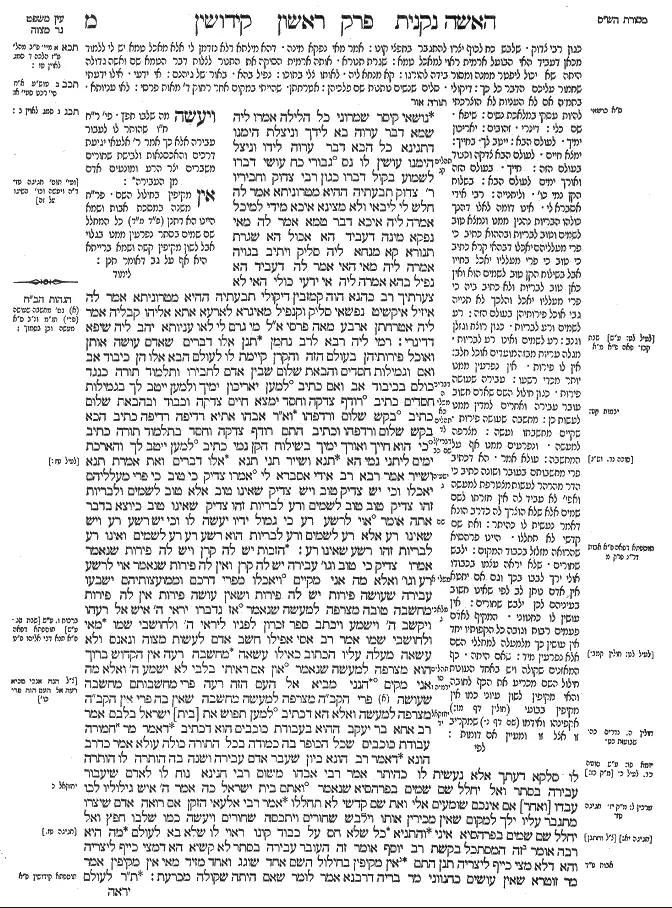
Kiddushin 40a - Guemara
נושאי קיסר שמרוני כל הלילה אמרו ליה שמא דבר ערוה בא לידך וניצלת הימנו דתנינא כל הבא דבר ערוה לידו וניצל הימנו עושין לו נס (תהלים קג, כ) גבורי כח עושי דברו לשמוע בקול דברו כגון רבי צדוק וחביריו ר' צדוק תבעתיה ההיא מטרוניתא אמר לה חלש לי ליבאי ולא מצינא איכא מידי למיכל אמרה ליה איכא דבר טמא אמר לה מאי נפקא מינה דעביד הא אכול הא שגרת תנורא קא מנחא ליה סליק ויתיב בגויה אמרה ליה מאי האי אמר לה דעביד הא נפיל בהא אמרה ליה אי ידעי כולי האי לא צערתיך רב כהנא הוה קמזבין דיקולי תבעתיה ההיא מטרוניתא אמר לה איזיל איקשיט נפשאי סליק וקנפיל מאיגרא לארעא אתא אליהו קבליה אמר ליה אטרחתן ארבע מאה פרסי א"ל מי גרם לי לאו עניותא יהב ליה שיפא דדינרי רמי ליה רבא לרב נחמן תנן אלו דברים שאדם עושה אותן ואוכל פירותיהן בעולם הזה והקרן קיימת לו לעולם הבא אלו הן כיבוד אב ואם וגמילות חסדים והבאת שלום שבין אדם לחבירו ותלמוד תורה כנגד כולם בכיבוד אב ואם כתיב (דברים ה, טו) למען יאריכון ימיך ולמען ייטב לך בגמילות חסדים כתיב (משלי כא, כא) רודף צדקה וחסד ימצא חיים צדקה וכבוד ובהבאת שלום כתיב (תהלים לד, טו) בקש שלום ורדפהו וא"ר אבהו אתיא רדיפה רדיפה כתיב הכא בקש שלום ורדפהו וכתיב התם רודף צדקה וחסד בתלמוד תורה כתיב (דברים ל, כ) כי הוא חייך ואורך ימיך בשילוח הקן נמי כתיב (דברים כב, ז) למען ייטב לך והארכת ימים ליתני נמי הא תנא ושייר תני תנא אלו דברים ואת אמרת תנא ושייר אמר רבא רב אידי אסברא לי (ישעיהו ג, י) אמרו צדיק כי טוב כי פרי מעלליהם יאכלו וכי יש צדיק טוב ויש צדיק שאינו טוב אלא טוב לשמים ולבריות זהו צדיק טוב טוב לשמים ורע לבריות זהו צדיק שאינו טוב כיוצא בדבר אתה אומר (ישעיהו ג, יא) אוי לרשע רע כי גמול ידיו יעשה לו וכי יש רשע רע ויש שאינו רע אלא רע לשמים ורע לבריות הוא רשע רע רע לשמים ואינו רע לבריות זהו רשע שאינו רע הזכות יש לה קרן ויש לה פירות שנאמר אמרו צדיק כי טוב וגו' עבירה יש לה קרן ואין לה פירות שנאמר אוי לרשע רע וגו' ואלא מה אני מקיים (משלי א, לא) ויאכלו מפרי דרכם וממועצותיהם ישבעו עבירה שעושה פירות יש לה פירות ושאין עושה פירות אין לה פירות מחשבה טובה מצרפה למעשה שנאמר (מלאכי ג, טז) אז נדברו יראי ה' איש אל רעהו ויקשב ה' וישמע ויכתב ספר זכרון לפניו ליראי ה' ולחושבי שמו מאי ולחושבי שמו אמר רב אסי אפילו חשב אדם לעשות מצוה ונאנס ולא עשאה מעלה עליו הכתוב כאילו עשאה מחשבה רעה אין הקדוש ברוך הוא מצרפה למעשה שנאמר (תהלים סו, יח) און אם ראיתי בלבי לא ישמע ה' ואלא מה אני מקים (ירמיהו ו, יט) הנני מביא אל העם הזה רעה פרי מחשבותם מחשבה שעושה פרי הקב"ה מצרפה למעשה מחשבה שאין בה פרי אין הקב"ה מצרפה למעשה ואלא הא דכתיב (יחזקאל יד, ה) למען תפוש את [בית] ישראל בלבם אמר רב אחא בר יעקב ההוא בעבודת כוכבים הוא דכתיב דאמר מר חמורה עבודת כוכבים שכל הכופר בה כמודה בכל התורה כולה עולא אמר כדרב הונא דאמר רב הונא כיון שעבר אדם עבירה ושנה בה הותרה לו הותרה לו סלקא דעתך אלא נעשית לו כהיתר אמר רבי אבהו משום רבי חנינא נוח לו לאדם שיעבור עבירה בסתר ואל יחלל שם שמים בפרהסיא שנאמר (יחזקאל כ, לט) ואתם בית ישראל כה אמר ה' איש גילוליו לכו עבדו [ואחר] אם אינכם שומעים אלי ואת שם קדשי לא תחללו אמר רבי אלעאי הזקן אם רואה אדם שיצרו מתגבר עליו ילך למקום שאין מכירין אותו וילבש שחורים ויתכסה שחורים ויעשה כמו שלבו חפץ ואל יחלל שם שמים בפרהסיא איני והתניא כל שלא חס על כבוד קונו ראוי לו שלא בא לעולם מה היא רבה אומר זה המסתכל בקשת רב יוסף אומר זה העובר עבירה בסתר לא קשיא הא דמצי כייף ליצריה והא דלא מצי כייף ליצריה תנן התם אין מקיפין בחילול השם אחד שוגג ואחד מזיד מאי אין מקיפין אמר מר זוטרא שאין עושים כחנווני מר בריה דרבנא אמר לומר שאם היתה שקולה מכרעת ת"ר לעולם
Comments from Rashi on Masechet Kiddushin Page 40a
כגון רבי צדוק . שלבש כח לכוף יצרו להתגבר בחפצי קונו: אמר מאי נפקא מינה . דהא מילתא דלא נזדמן לי אלא מאכל טמא יש לי ללמוד מכאן דעביד האי הבועל ארמית ראוי למאכל טמא: שגרת תנורא . אותה ארמית הסיקה את התנור לצלות דבר הטמא שם ואשה גדולה היתה שאין יכול ליפטר ממנה ומסור בידה להורגו: קא מנחא ליה . לאותו צלי בתוכו: נפיל בהא . באור של גיהנם: אי ידעי . אילו ידעתי שחמור עליכם הדבר כל כך: דיקולי . סלים שנשים נותנות שם פלכיהן: אטרחתן . שהייתי במקום אחר רחוק ד' מאות פרסי: לאו עניותא . בתמיה אם לא העניות לא הוצרכתי להיות עסקי במלאכת נשים: שיפא . שם כלי: דינרי . זהובים: יאריכון ימיך . לעולם הבא: ייטב לך . בחייך: ימצא חיים . לעולם הבא צדקה וכבוד בעולם הזה: חייך . בעולם הזה ואורך ימים לעולם הבא: בשלוח הקן נמי כו' . וליתנייה: רבי אידי אסברא לי . אינו דומה לאלו דהנך כולהו הבריות נהנין ממנו ונמצא טוב לשמים וטוב לבריות ובההוא כתיב כי פרי מעלליהם יאכלו דבהאי קרא כתיב כי טוב כי פרי מעלליו יאכל בחייו אבל בשילוח הקן טוב לשמים הוא ואין כאן טוב לבריות ולא כתיב ביה כי פרי מעלליו יאכל והלכך לא תנייה גבי אוכל פירותיהן בעולם הזה: רע לשמים ורע לבריות . כגון רוצח וגזלן וגנב: רע לשמים ואינו רע לבריות . מגלה עריות מבזה מועדים אוכל חלב: אין לו פירות . אין נפרעין ממנו יותר מכדי רשעו: עבירה שעושה פירות . כגון חילול השם שאדם חשוב עובר עבירה ואחרים למדין ממנו לעשות כן: מחשבה שעושה פירות . שקיים מחשבתו ועשה: מחשבה שעושה פירות . שקיים מחשבתו ועשה: מצרפה למעשה . ונפרעים ממנו אף על המחשבה: עולא אמר . הא דכתיב פרי מחשבותם בעובר ושונה כתיב כי הדר מהרהר לעשות מצטרפת למעשה ואפי' לא עביד לה אין חזרתו לשם שמים אלא שלא הוצרך לה כדרב הונא דאמר נעשית לו כהיתר: ואת שם קדשי לא תחללו . היינו פרהסיא שהרואה מזלזל בכבוד המקום: ילבש שחורים . שלא יראה עצמו בכבודו אולי ירך לבבו בכך וגם אם יחטא אין אדם נותן לב לפי שאינו חשוב בעיניהם לכן ילבש שחורים: אין עושין לו כחנווני . המקיף לאדם פעמים רבות וגובה כל הקפותיו יחד אין עושין כך מלמעלה למחללי השם אלא נפרעין מיד: שאם היתה . כף המאזנים שקולה ויש באחד העונות חילול השם מכריע את הכף לחובה והאי מקיפין לשון עיוני כמו אין מקיפין בבועי (חולין דף מו:) אקפינהו ואידמו (שם דף נ.) שמקריב זו אצל זו ומעיין אם דומות:
Comments from Tosafot - Kiddushin 40a
ויעשה מה שלבו חפץ . פי' ר"ח ח"ו שהותר לו לעבור עבירה אלא כך אמר ר' אלעאי יגיעת דרכים והאכסנאות ולבישת שחורים משברים יצר הרע ומונעים אדם מן העבירה.: אין מקיפין בחילול השם . פר"ח משנה במסכת אבות ושמא היינו הא דתנן (פ"ד מ"ד) כל המחלל שם שמים בסתר נפרעין ממנו בגלוי אבל לשון מקיפין קשה ושמא ברייתא היא אף על גב דאומר תנן:
Kiddushin 40a - Mishnah translated into english
soldiers [nosei keisar] who guarded me all night. They said to him: Perhaps a matter of forbidden intercourse presented itself to you and you were saved from it, which is why a miracle occurred for you. As we learned: With regard to anyone to whom a matter of forbidden intercourse presented itself to him and he was saved from it, a miracle is performed for him. As it says: “Mighty in strength who fulfill His word, hearkening to the voice of His word” (Psalms 103:20). This is referring to one such as Rabbi Tzadok and his colleagues.
To what is this referring? Rabbi Tzadok was enticed by a certain noblewoman to engage in sexual intercourse with her. He said to her: My heart is weak and I am incapable at present; is there something to eat that can strengthen me? She said to him: There is something non-kosher. He said to her: What difference is there? One who performs such an act eats such food as well. She lit the oven and placed the non-kosher food in it to roast. He climbed and sat in the oven. She said to him: What is the meaning of this? He said to her: One who performs this act falls into this, i.e., the fires of Gehenna. She said to him: If I had known that the matter was so serious for you, I would not have caused you such anguish.
The Gemara further relates: Rav Kahana would sell baskets woven from palm leaves to women. He was enticed by a certain noblewoman to engage in intercourse with her. He said to her: Let me go and adorn myself beforehand. He ascended to the roof and fell from the roof toward the ground. Elijah the prophet came and caught him. Elijah the prophet said to Rav Kahana: You have troubled me to travel four hundred parasangs [parsei] to save you. Rav Kahana said to him: What caused me to be in this situation of temptation? Was it not poverty, as I am forced to engage in a trade that leads me to come into contact with women? Elijah gave him a basket [shifa] full of dinars, to spare him from having to work as a salesman.
§ Rava raises a contradiction to Rav Naḥman and asks: We learned in a mishna (Pe’a 1:1): These are the matters that a person engages in and enjoys their profits in this world, and the principal reward remains for him for the World-to-Come, and they are: Honoring one’s father and mother, acts of loving kindness, and bringing peace between one person and another; and Torah study is equal to all of them.
Rava cites the source for each of these assertions. With regard to honoring one’s father and mother, it is written: “That your days may be long, and that it may go well with you” (Deuteronomy 5:16), which indicates that one is rewarded in this world. With regard to acts of loving kindness it is written: “He who pursues righteousness and kindness shall find life, prosperity, and honor” (Proverbs 21:21), all of which apply in this world.
And with regard to bringing peace it is written: “Seek peace and pursue it” (Psalms 34:15). And Rabbi Abbahu says: This is derived through a verbal analogy between the term pursuing written with regard to pursuing peace and the term pursuing written in another verse. It is written here: “Seek peace and pursue it,” and it is written there, with regard to acts of kindness: “Pursues righteousness and kindness.” This teaches that one who pursues peace will also merit life, prosperity, and honor. With regard to Torah study it is written: “For that is your life and the length of your days” (Deuteronomy 30:20).
Rava asked: With regard to the dispatch of the mother bird from the nest it is also written: “That it may be well with you, and that you may prolong your days” (Deuteronomy 22:7), so let him also teach this mitzva. Rav Naḥman answered: He taught some cases and omitted others, i.e., the tanna did not list everything. Rava said to him: The tanna taught: These are the matters, which indicates that only these mitzvot are included, and yet you say that he taught some and omitted others?
Rather, Rava said: Rav Idi explained the matter to me. The verse states: “Say you of the righteous who is good, that they shall eat the fruit of their actions” (Isaiah 3:10). And this verse is difficult, as is there a righteous person who is good and is there a righteous person who is not good? Rather, this verse should be understood as follows: One who is good both toward Heaven and toward people is a good righteous person; one who is good toward Heaven but bad toward people is a righteous person who is not good.
Rava continues: On a similar note, it is written: “Woe to the evil wicked one, for the work of his hands shall be done to him” (Isaiah 3:11). And is there a wicked man who is evil and is there one who is not evil? Rather, one who is evil toward Heaven and evil toward people is an evil wicked person; and one who is evil toward Heaven and not evil toward people is a wicked person who is not evil. With regard to the issue at hand, only one who performs mitzvot that benefit others receives the profits of his mitzvot in this world. This does not apply to dispatching the mother bird, which is an act that does not benefit other people.
§ With regard to the mishna in Pe’a, the Gemara states: An act of merit has a principal reward and it has profits, i.e., one receives additional reward beyond that which is granted for the mitzva itself, parallel to a principal sum and profits, as it is stated: “Say you of the righteous who is good, that they shall eat the fruit of their actions” (Isaiah 3:10). A sin has a principal penalty but it has no profits, i.e., no punishment beyond that, as it is stated: “Woe to the evil wicked one, for the work of his hands shall be done to him” (Isaiah 3:11), but no more than the work of his hands.
But how do I realize the meaning of the following verse that deals with sinners: “Therefore they shall eat of the fruit of their own way, and be filled with their own devices” (Proverbs 1:31)? This verse indicates that the penalty for sin goes beyond its principal, and the wicked receive additional punishments. The Gemara answers that this applies to a sin that produces profits, i.e., a case where there are practical consequences to one’s sin. For example, if others learn to act in a similar manner, one’s actions have profits with regard to punishment as well. Conversely, a sin that does not produce profits does not have profits as a punishment either.
The Gemara further teaches: The Holy One, Blessed be He, links a good thought to an action, as it is stated: “Then they that feared the Lord spoke one with the other, and the Lord listened, and heard, and a book of remembrance was written before Him, for them that fear the Lord, and that think upon His name” (Malachi 3:16). The Gemara explains: What is the meaning of the phrase “and that think upon His name”? Rav Asi said: Even if a person intended to perform a mitzva but due to circumstances beyond his control he did not perform it, the verse ascribes him credit as if he performed the mitzva, as he is among those that think upon His name.
But the Holy One, Blessed be He, does not link an evil thought to an action, as it is stated: “If I had regarded iniquity in my heart, the Lord would not hear” (Psalms 66:18). But how do I realize the meaning of the verse: “Behold I will bring upon these people evil, even the fruit of their thoughts” (Jeremiah 6:19)? In the case of an evil thought that produces fruit, i.e., that leads to an action, the Holy One, Blessed be He, links it to the action and one is punished for the thought as well. If it is a thought that does not produce fruit, the Holy One, Blessed be He, does not link it to the action.
The Gemara asks: But with regard to that which is written: “So I may take the house of Israel in their own heart” (Ezekiel 14:5), which indicates that one can be punished for thoughts alone, to what is this verse referring? Rav Aḥa bar Ya’akov said: That is written with regard to idol worship, as the Master says: Idol worship is very severe, as anyone who denies it is like one who admits the truth of the entire Torah. Conversely, one who embraces idolatry is considered to have rejected the entire Torah. Due to the severity of idol worship, one is punished even for contemplating this transgression.
Ulla said: This should be explained in accordance with a statement of Rav Huna, as Rav Huna says: When a person transgresses and repeats his transgression, it is permitted to him. The Gemara questions this statement: Can it enter your mind that the transgression is permitted to him because he has sinned twice? Rather, it becomes as if it were permitted to him, as he becomes accustomed to this behavior and no longer senses that it is a sin.
Rabbi Abbahu says in the name of Rabbi Ḥanina: It is preferable for a person to transgress in secret and not to desecrate the name of Heaven in public [befarhesya], as it is stated: “As for you, house of Israel, so says the Lord God: Go you, serve everyone his idols, even because you will not hearken to Me, but My sacred name you shall not profane” (Ezekiel 20:39).
Rabbi Ilai the Elder says: If a person sees that his evil inclination is overcoming him, he should go to a place where he is not known, and wear black clothes, and he should cover himself in simple black garments, and he should do as his heart desires, but he should not desecrate the name of Heaven in public.
The Gemara asks: Is that so? But isn’t it taught in a baraita: With regard to anyone who does not care about his Creator’s honor, it is fitting for him not to have come into the world. What is this? Who is considered to be one who does not care about his Creator’s honor? Rabba says: This is one who gazes at a rainbow, which is described as: “The likeness of the glory of the Lord” (Ezekiel 1:28). Rav Yosef says: This is one who transgresses in secret, which shows that he fears other people but does not care about the honor of his Creator.
The Gemara answers: This is not difficult, as this source, which says that one who transgresses in secret does not care about his Creator’s honor, is referring to one who can overcome his evil inclination but nevertheless chooses to transgress in secret. And that source, which states that it is preferable for him to transgress in secret, is referring to one who cannot overcome his evil inclination.
We learned in a mishna there (see Avot 4:5): Credit is not given with regard to the desecration of God’s name, whether one sinned unintentionally or intentionally. The Gemara asks: What is the meaning of the phrase: Credit is not given [makkifin]? Mar Zutra says: This means that God does not act like a storekeeper and provide credit. Rather, one is punished without delay. Mar, son of Rabbana, says: This means to say that if one’s merit and sins were equal, the sin of the desecration of God’s name tilts the balance of the scales toward the side of his sins. In other words, if his sins include the transgression of desecrating God’s name, God does not wait for this individual to perform a mitzva to balance out the sin.
The Sages taught: Always
Traduction : The William Davidson digital edition of the Koren Noé Talmud, with commentary by Rabbi Adin Even-Israel Steinsaltz.