 Talmud Bavli
The learning on the whole site is dedicated : For the success of Elyahou ben H'anna & family
The learning on the whole site is dedicated : L'ilui Nishmat רינה בת לדיסיה
The learning on the whole site is dedicated : L'ilui Nishmat Jamila bat Chlomo Abensour
Kiddushin 7a : Youtube
Daf TubeYoutube
2 video classes :
Kiddushin Page 7a
Kiddushin 7a - Guemara
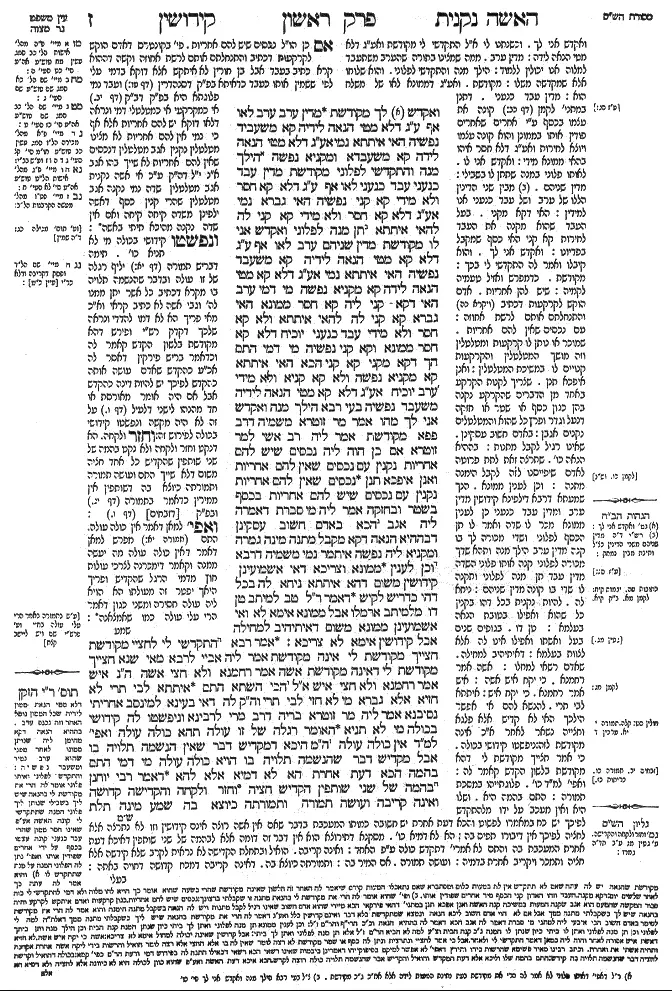
ואקדש לך מקודשת מדין ערב ערב לאו אף ע"ג דלא מטי הנאה לידיה קא משעביד נפשיה האי איתתא נמי אע"ג דלא מטי הנאה לידה קא משעבדא ומקניא נפשה הילך מנה והתקדשי לפלוני מקודשת מדין עבד כנעני עבד כנעני לאו אף ע"ג דלא קא חסר ולא מידי קא קני נפשיה האי גברא נמי אע"ג דלא קא חסר ולא מידי קא קני לה להאי איתתא תן מנה לפלוני ואקדש אני לו מקודשת מדין שניהם ערב לאו אף ע"ג דלא קא מטי הנאה לידיה קא משעבד נפשיה האי איתתא נמי אע"ג דלא קא מטי הנאה לידה קא מקניא נפשה מי דמי ערב האי דקא קני ליה קא חסר ממונא האי גברא קא קני לה להאי איתתא ולא קא חסר ולא מידי עבד כנעני יוכיח דלא קא חסר ממונא וקא קני נפשיה מי דמי התם הך דקא מקני קא קני הכא האי איתתא קא מקניא נפשה ולא קא קניא ולא מידי ערב יוכיח אע"ג דלא קא מטי הנאה לידיה משעבד נפשיה בעי רבא הילך מנה ואקדש אני לך מהו אמר מר זוטרא משמיה דרב פפא מקודשת אמר ליה רב אשי למר זוטרא אם כן הוה ליה נכסים שיש להם אחריות נקנין עם נכסים שאין להם אחריות ואנן איפכא תנן נכסים שאין להם אחריות נקנין עם נכסים שיש להם אחריות בכסף בשטר ובחזקה אמר ליה מי סברת דאמרה ליה אגב הכא באדם חשוב עסקינן דבההיא הנאה דקא מקבל מתנה מינה גמרה ומקניא ליה נפשה איתמר נמי משמיה דרבא וכן לענין ממונא וצריכא דאי אשמועינן קידושין משום דהא איתתא ניחא לה בכל דהו כדריש לקיש דאמר ר"ל טב למיתב טן דו מלמיתב ארמלו אבל ממונא אימא לא ואי אשמועינן ממונא משום דאיתיהיב למחילה אבל קידושין אימא לא צריכא :
אמר רבא התקדשי לי לחציי מקודשת חצייך מקודשת לי אינה מקודשת אמר ליה אביי לרבא מאי שנא חצייך מקודשת לי דאינה מקודשת אשה אמר רחמנא ולא חצי אשה ה"נ איש אמר רחמנא ולא חצי איש א"ל הכי השתא התם איתתא לבי תרי לא חזיא אלא גברא מי לא חזי לבי תרי וה"ק לה דאי בעינא למינסב אחריתי נסיבנא אמר ליה מר זוטרא בריה דרב מרי לרבינא וניפשטו לה קידושי בכולה מי לא תניא האומר רגלה של זו עולה תהא כולה עולה ואפי' למ"ד אין כולה עולה ה"מ היכא דמקדיש דבר שאין הנשמה תלויה בו אבל מקדיש דבר שהנשמה תלויה בו הויא כולה עולה מי דמי התם בהמה הכא דעת אחרת הא לא דמיא אלא להא דאמר רבי יוחנן בהמה של שני שותפין הקדיש חציה וחזר ולקחה והקדישה קדושה ואינה קריבה ועושה תמורה ותמורתה כיוצא בה שמע מינה תלת
Comments from Rashi on Masechet Kiddushin Page 7a
ואקדש אני לך . וכשנתנו לו א"ל התקדשי לי מקודשת ואע"ג דלא מטי הנאה לידה: מדין ערב . ממה שמצינו בתורה שהערב משתעבד למלוה אנו יכולין ללמוד: הילך מנה והתקדשי לפלוני . והוא שלוחו אלא שמקדשה משלו: מקודשת . ואע"ג דממונא לאו של משלח הוא: מדין עבד כנעני . דתנן במתני' לקמן (קידושין דף כב:) קונה את עצמו בכסף ע"י אחרים שאחרים פודין אותו בממונן והוא קונה עצמו ויוצא לחירות ואע"ג דלא חסר איהו בהאי ממונא מידי: ואקדש אני לו . לאותו פלוני במנה שתתן לו בשבילי: מדין שניהם . מבין שני הדינין הללו של ערב ושל עבד כנעני אנו למידין: האי דקא מקני . בעל העבד שהוא מקנה את העבד לחירות קא קני האי כסף שמקבל בפדיונו: ואקדש אני לך . והוא קיבלו ואמר לה התקדשי לי בכך: מקודשת . כדמפרש ואזיל טעמיה לקמיה: שיש להן אחריות . אדם הוקש לקרקעות דכתיב (ויקרא כה) והתנחלתם אותם לרשת אחוזה: עם נכסים שאין להם אחריות . שמוכר או נותן לו קרקעות ומטלטלין וזה מושך המטלטלין והקרקעות קנויים לו במשיכת המטלטלין: ואנן איפכא תנן . שצריך לקנות הקרקע באחד מן הדברים שהקרקע נקנה בהן כגון כסף או שטר או חזקה דנעל וגדר ופרץ כל שהוא והמטלטלים נקנים אגבן: באדם חשוב עסקינן . שאינו רגיל לקבל מתנות: בההיא הנאה כו' . שתרצה זאת לתת פרוטה לאדם שיפייסנו לזה לקבל הימנה מתנה: וכן לענין ממונא . הנך שמעתא דרבא דילפינא קידושין מדין ערב ומדין עבד כנעני כן לענין ממונא מכר לו שדה ואמר לו תן הכסף לפלוני ושדי מכורה לך בו קנה מדין ערב הילך מנה ותהא שדך מכורה לפלוני קנה אותו פלוני השדה מדין עבד תן מנה לפלוני ותקנה לו שדי בו קונה מדין שניהם: ניחא לה . להיות נקנית בכל דהו בקנין כל שהוא ואפילו בטובת הנאה בעלמא: טן דו . בגופים שנים בעל ואשתו ואפילו אינו לה אלא לצוות בעלמא: דאיתיהיב למחילה . שאדם רשאי למחלו: אשה אמר רחמנא . כי יקח איש אשה: איש אמר רחמנא . כי יקח איש: איתתא לבי תרי . להנשא להם אי אפשר הילכך האי לא קדיש אלא פלגא וחצייה נשאר לאחר א"כ אינה מקודשת לזה: ניפשטו קידושי בכולה . כי אמר חצייך מקודשת לי דהא מקודשת בלשון הקדש קאמר לה: ואפי' למ"ד כו' . פלוגתייהו במסכת תמורה: התם בהמה היא . ושלו היא ואין מעכב על ידו מלהתקדש לפיכך יש כח במאמרו לפשוט והכא דעת אחרת יש חשובה כמותו המעכבת בדבר שאם אין אשה רוצה אינם קידושין וזו לא נתרצה אלא לחציה לפיכך אין דיבורו תפיס בה: הא לא דמיא כו' . מסקנא דתירוצא הוא אין דבר זה דומה אלא לבהמה של שני שותפין דאיכא דעת אחרת המעכבת בה והתם לא אמרי' דתקדש כולה ע"פ האחד: ואינה קריבה . הואיל ובתחלת הקדישה לא נראית לקרב שלא קידשה אלא חציה ותמכר ויקריב אחרת בדמיה: ועושה תמורה . אם המיר בה: ותמורתה כיוצא בה . דאינה קריבה דמכח קדושה דחויה באתה:
Comments from Tosafot - Kiddushin 7a
אם כן הו"ל נכסים שיש להם אחריות . פי' בקונטרס דאדם הוקש לקרקעות דכתיב והתנחלתם אותם לרשת אחוזה וקשה דההוא קרא כתיב בעבד אבל בן חורין לא איתקש אלא דוקא בדמי עלי לפי ששמין אותו כעבד כדאיתא בפ"ק דסנהדרין (דף טו:) ועבד נמי פלוגתא היא בפ"ק דב"ק (דף יב.) אי כמקרקעי אי כמטלטלי דמי ונראה דלאו דוקא יש להם אחריות אלא אף כי נמי אין להם אחריות לא מצינו מטלטלין נקנין אגב מטלטלין דנכסים שאין להם אחריות לא שייך בהו אגב א"נ י"ל דה"ק ע"כ אי אשה נקנית אגב מטלטלין שדה נמי נקנה אגב מטלטלין שהרי קנין כסף דאשה ילפינן משדה קיחה קיחה ואם אין שדה נקנה מהיכא תיתי באשה: ונפשטו קידושי בכולה מי לא תניא כו' . תימה דבריש תמורה (דף יא:) יליף רגלה של זו עולה ובדבר שהנשמה תלויה בו מקרא דכתיב כל אשר יתן ממנו לה' וגבי אשה לא כתיב קראי וא"כ מאי פריך הא לא דמו להדדי ונראה שלכך דקדק רש"י ופירש דהא מקודשת בלשון הקדש קאמר לה וכדאמר בריש פירקין דאסר לה אכ"ע כהקדש שאדם עושה אותה כהקדש לפיכך יש להיות דינה כהקדש אבל אם היה אומר מאורסת או חד מהנהו לישני דלעיל (קידושין דף ו.) על זה לא היה מקשה ונפשטו קידושי בכולה לפירוש זה: ואפי' למאן דאמר אין כולה עולה . התם (תמורה יא:) מפרש למאן דאמר דאין כולה עולה מה יעשה ממנה וקאמר דימכרנה לצרכי עולות חוץ מדמי הרגל שהקדיש ופריך היאך יפטר זה מעולתו הא הויא ליה עולה חסירה ומשני כגון דאמר הרי עלי עולה כמו שאמצאנה: וחזר ולקחה . הא דנקט וחזר ולקחה ולא נקט בהמה של שני שותפין שהקדיש כל אחד חציה משום דלא שייך התם ועושה תמורה ותמורתה כיוצא בה דשותפין אין ממירין כדאמר בתמורה (דף יג.) ובפ"ק [דזבחים] (דף ו.):
Kiddushin 7a - Mishnah translated into english
and I will be betrothed to you by means of these one hundred dinars that you give to that individual, she is betrothed, as derived from the halakha of a guarantor. How so? With regard to a guarantor, is it not the case that he commits himself to repaying the debt even though he receives no benefit, as the money from the loan is given to the debtor? And with regard to this woman too, even though she receives no benefit, as the one hundred dinars are given to someone else, nevertheless she commits and transfers herself to the man who gives the money.
The Gemara discusses a similar case: If a man gives one hundred dinars to a woman and says to her: Here are one hundred dinars for you, and with this money you become betrothed to so-and-so, she is betrothed, as derived from the halakha of emancipating a Canaanite slave. With regard to a Canaanite slave, is it not the case that he acquires himself and is freed when someone gives his master money to emancipate the slave, even though he loses nothing of his own? With regard to this man too, i.e., the third party, even though he loses nothing of his own, he acquires this woman by means of the other man’s payment.
The Gemara discusses a similar case: A woman says to a man: Give one hundred dinars to so-and-so and I will be betrothed to him. If he gives the money, she is betrothed, as is derived from a combination of the halakha of both of these cases, that of a guarantor and a Canaanite slave. How so? With regard to a guarantor, is it not the case that he commits himself to repaying the debt even though he receives no benefit? With regard to this woman too, even though she receives no benefit, nevertheless she commits and transfers herself.
This consideration alone is insufficient, as one could still ask: Are these cases comparable? In the case of a guarantor, the one who acquires the item in question, which in this case is the commitment of the guarantor, is the one who loses money when he gives the loan. By contrast, in the situation at hand, this man, the third party, acquires the woman and loses nothing of his own. Therefore, the Gemara comments: The emancipating of a Canaanite slave can prove it, as he does not lose his own money and nevertheless he acquires himself.
This consideration alone is insufficient, as one could still ask: Are these cases comparable? There, with regard to a slave, the one who transfers ownership is the one who acquires it, as the master transfers ownership of the slave to the slave, and he himself acquires the money from the donor. Here, this woman transfers herself and she does not acquire anything. Rather, in this regard the case of a guarantor can prove it, as even though he receives no benefit from the creditor, nevertheless, he commits himself, just like the woman in this case. In this manner one can derive that the woman is betrothed in this case from a combination of those two halakhot.
Rava raises a dilemma: If a woman said to a man: Here are one hundred dinars and I will be betrothed to you, what is the halakha? Mar Zutra said in the name of Rav Pappa: She is betrothed. Rav Ashi said to Mar Zutra: If so, this is an example of a case in which property that serves as a guarantee is acquired with property that is not guaranteed. Land is property that serves as a guarantee, and, as derived by way of a verbal analogy, the same applies to people. Money is property that does not serve as a guarantee. Through his acquisition of the money, this man acquires the woman as well.
Rav Ashi asks: But we learned the opposite in a mishna (26a): Property that does not serve as a guarantee can be acquired with property that serves as a guarantee through giving money, through giving a document, or through taking possession of them. By contrast, property that serves as a guarantee cannot be acquired by means of acquiring property that does not serve as a guarantee. Mar Zutra said to Rav Ashi: Do you maintain that she wants her acquisition to be performed by means of money, i.e., he will acquire her as well through monetary acquisition? Not so, as here we are dealing with an important man, as, due to the benefit she receives from the fact that he consents to accept a gift from her, she agrees to transfer herself to him.
The Gemara reverts back to the earlier discussion with regard to the derivation from the cases of a guarantor and a Canaanite slave. It was also stated in the name of Rava: And similarly, with regard to monetary matters, one can conduct a valid acquisition in the modes derived from the cases of a guarantor and a Canaanite slave. The Gemara comments: And it is necessary to state this halakha with regard to both betrothal and monetary acquisitions.
The Gemara elaborates: As, had he taught us only the case of betrothal, one would have said that this halakha applies specifically in that case, because a woman is amenable to be betrothed with any form of benefit, in accordance with the statement of Reish Lakish. As Reish Lakish said: There is a popular saying among women: It is better to sit as two bodies, i.e., be married, than to sit alone like a widow. A woman prefers any type of husband to being left alone. Consequently, she would be willing to commit herself to betrothal by any form of benefit. But with regard to monetary matters, one might say that these types of unusual acquisitions are not effective.
And conversely, if he had taught us only that this is the halakha with regard to monetary matters, one might have said that it applies solely to a case of this kind, because a monetary claim can be waived. One can relinquish his claim to money that is in someone else’s possession without receiving anything in return. But with regard to betrothal, which does not entirely depend on the will and agreement of the woman, as she must actually receive her betrothal money, one might say that the halakhot of a guarantor and a Canaanite slave are not comparable to this case. Therefore, it is necessary to state that this is the halakha in both cases.
§ Rava says that if a man says to a woman: Be betrothed to half of me, she is betrothed. But if he said to her: Half of you is betrothed to me, she is not betrothed. Abaye said to Rava: What is different between the two cases that if he says: Half of you is betrothed to me, she is not betrothed? Is it because the Merciful One states: “When a man takes a woman, and marries her” (Deuteronomy 24:1), indicating he must take “a woman,” and not half a woman? So too, the Merciful One states: “A man,” and not half a man.
Rava said to Abaye: How can these cases be compared? There, a woman is not eligible for two men. If one attempts to betroth half a woman it means he wants to leave her other half for someone else. This is impossible, as a woman cannot be married to two men. But isn’t a man eligible to marry two women? And when he declares: Be betrothed to half of me, this is what he is saying to her: If I wish to marry another woman, I will marry another woman.
Mar Zutra, son of Rav Mari, said to Ravina: But in a case where he says to her: Half of you is betrothed to me, let the betrothal spread through all of her, and she will be completely betrothed. Isn’t it taught in a baraita (Tosefta, Temura 1:5) that if one says about an animal: The leg of this animal is a burnt-offering, all of it is a burnt-offering, as the sanctity of the leg spreads throughout the animal’s entire body?
Mar Zutra adds: And even according to the one who says that it is not entirely a burnt-offering, that statement applies only where he consecrated the leg of the animal, which is not a matter upon which the animal’s life depends. It is possible for an animal to survive the removal of a leg. But if one consecrates a matter upon which the animal’s life depends, everyone agrees that all of it is a burnt-offering. Here too, as the woman cannot survive without half of her body, why doesn’t the betrothal spread throughout all of her?
The Gemara rejects this opinion: Is it comparable? There, in the case of the animal, it involves a creature without intellectual capacity. Here, the issue depends on another mind, that of the woman herself. The woman must indicate that she wants the betrothal to be effective.
This case is comparable only to that halakha which Rabbi Yoḥanan says: With regard to an animal that belongs to two partners, if one of them consecrated the half of it that belonged to him, and he goes back and acquires the other half from his partner and consecrates the other half, it is consecrated, despite the fact that it was consecrated on two separate occasions. But although it is consecrated, it may not be sacrificed, because when he first sanctified it the animal was not fit to be sacrificed. The consecration does not spread throughout the entire animal without the consent of the other partner. This flaw cannot be remedied and the animal is permanently disqualified from being sacrificed as an offering.
But, as it is consecrated now, this is enough to render a non-sacred animal that is exchanged with it a substitute. If one exchanges this animal with another, non-consecrated, animal, the second animal becomes consecrated as well. And yet its substitution is like it, i.e., it too is consecrated but may not be sacrificed either.
The Gemara comments: One can learn from the statement three halakhot.
Traduction : The William Davidson digital edition of the Koren Noé Talmud, with commentary by Rabbi Adin Even-Israel Steinsaltz.